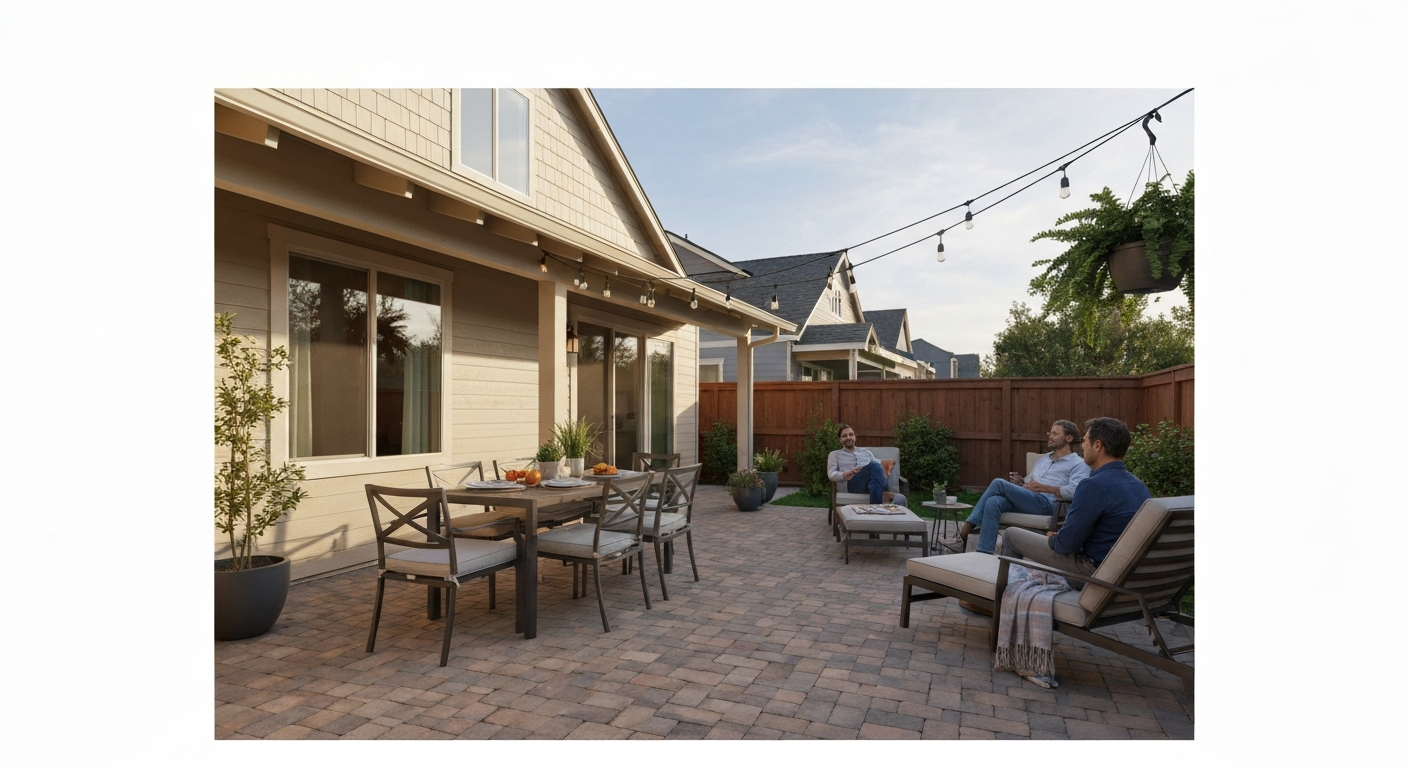
A patio dress is a loose, lightweight, casual dress designed for comfortable outdoor wear, typically on a patio, deck, or backyard setting. Think relaxed fabrics like cotton, linen, or jersey, easy silhouettes that move well when you're sitting, standing, or walking around, and a laid-back vibe that fits right in at a backyard barbecue, an outdoor brunch, or a warm-weather dinner on the deck. It's not a special-occasion dress, not a beach coverup, and not quite a formal sundress. It sits squarely in the casual-but-put-together lane.
What Is a Patio Dress? Definition, Features, and How to Wear It

Ada Hollis
11 May 2026
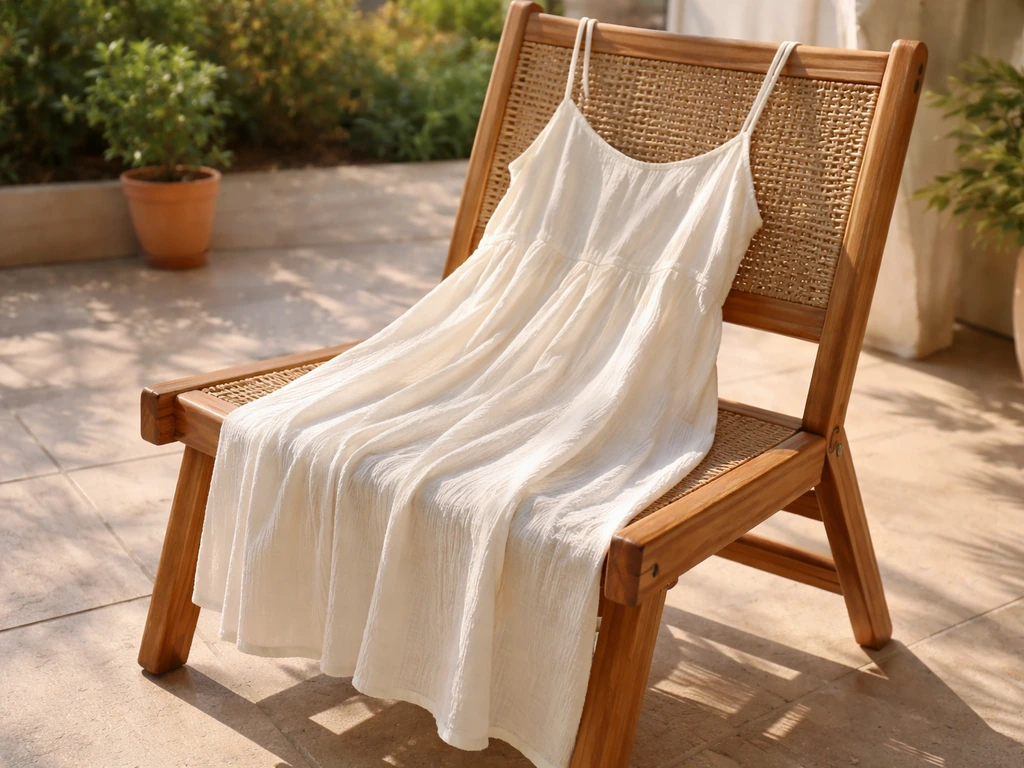
What a patio dress actually is
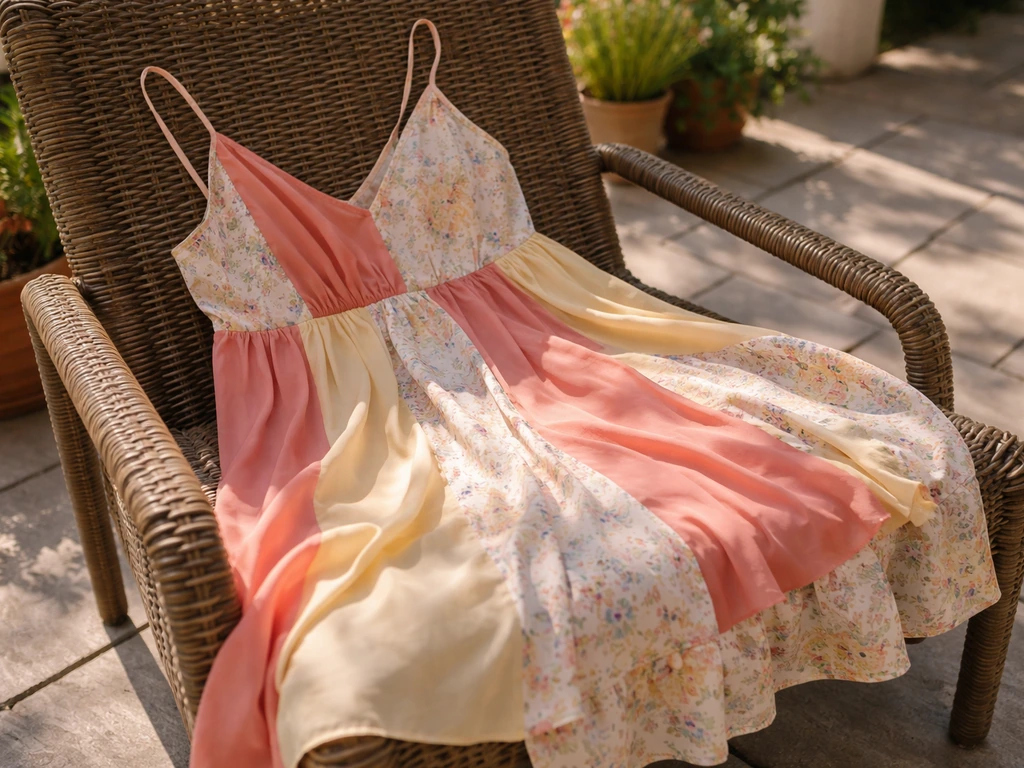
The term "patio dress" has been around for decades, and its definition has stayed pretty consistent. Wiktionary describes it as a "loose, colorful dress for casual wear," which captures the spirit well. Retailers like J.Crew and Madewell both frame patio dresses as warm-weather, outdoor-friendly staples made from lightweight fabrics that flow with movement. The key word running through every definition is "casual." This is a dress built for real outdoor life: moving between the kitchen and the deck, sitting on a patio chair for two hours, dealing with a little breeze or afternoon sun. Comfort and ease are the whole point.
The word "patio" in the name is doing real work here. It anchors the dress to a specific kind of outdoor setting, the ground-level, open-air space attached to or near a home where people gather casually. Wiktionary’s “patio” entry explains patio as an open-air space, which is the context behind the name “patio dress” blank" rel="noopener noreferrer">It anchors the dress to a specific kind of outdoor setting, the ground-level, open-air space attached to or near a home where people gather casually.. If you're already thinking about what happens on your patio and how you want to dress for it, this category was basically invented for you. Welcome to the patio where the neighbors gather, so you can dress for the casual moments that come with it.
How it differs from sundresses, maxis, and everyday casual dresses
People mix these up constantly, and the overlap is real. But there are genuine distinctions worth knowing, especially if you're shopping for a specific occasion.
| Dress Type | Main Vibe | Typical Length | Best Setting | Key Difference |
|---|---|---|---|---|
| Patio dress | Casual, relaxed, outdoor-ready | Midi or knee-length | Backyard, patio, casual outdoor dining | Built for comfort in outdoor settings; loose and breathable |
| Sundress | Breezy, warm-weather, often sleeveless | Mini to midi | Beach, park, daytime errands | More about heat and style; not always as loose or practical |
| Maxi dress | Flowy, can be casual or dressy | Floor-length | Events, travel, beach, evenings out | Length makes outdoor movement trickier; more versatile occasions |
| Casual day dress | General everyday wear | Varies widely | Errands, work-casual, lunch | No outdoor-specific design features; can be structured or fitted |
A sundress often leans more toward a polished warm-weather look, fitted at the top with spaghetti straps and a shorter hemline. Wikipedia describes the “sundress” or “summer dress” as an informal warm-weather dress that is typically lightweight and often cotton or loose-fitting “sundress” (also called “summer dress”). A patio dress tends to be roomier, with more fabric, more coverage, and more of a "I'm comfortable and I've been sitting outside for three hours" energy. A maxi dress is floor-length, which can be beautiful but isn't always practical when you're navigating grassy yards or stepping over a threshold repeatedly. The casual day dress category is broader, covering everything from fitted jersey shifts to wrap dresses, not specifically outdoor-optimized. The patio dress is the most intentionally outdoor-casual of the group.
What makes a dress actually patio-appropriate
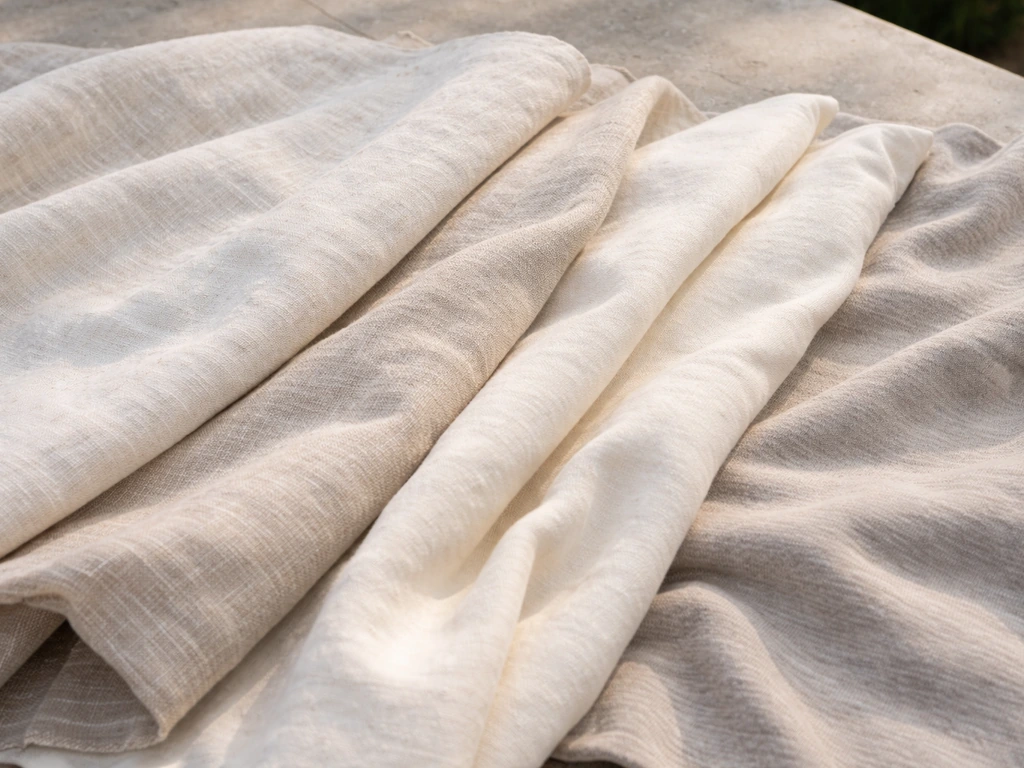
Fabric
Fabric is the biggest factor. Natural fibers like cotton and linen breathe the best in outdoor heat and won't cling uncomfortably. Jersey knit is another solid choice because it moves easily and resists wrinkles, which matters when you're sitting outdoors for extended stretches. Madewell specifically calls out lightweight fabrics that "flow beautifully with every movement," and that's the right standard. Avoid heavy synthetics, anything that holds heat, or fabrics that wrinkle badly in humidity.
Fit and silhouette
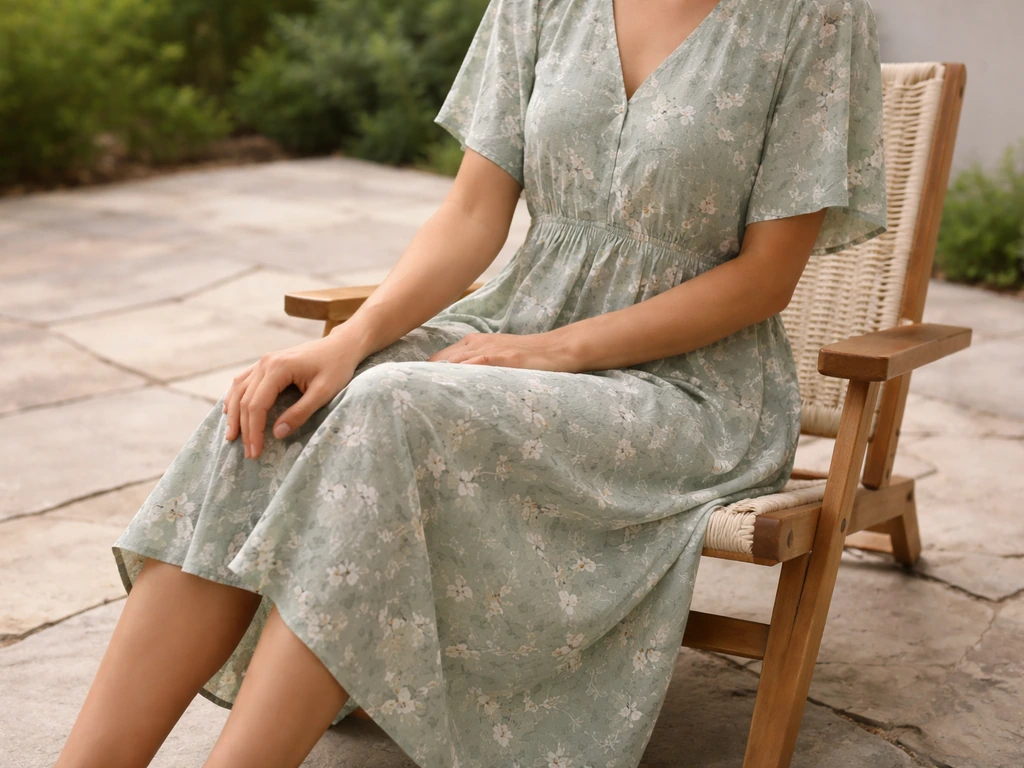
Loose and relaxed is the core silhouette. You want a dress that doesn't restrict movement when you're reaching across a table, sitting in a low patio chair, or walking across uneven ground. A-line, shift, and wrap styles all work well. Fitted bodycon styles are generally the wrong call for patio settings: they're uncomfortable in heat, restrict movement, and don't have the casual outdoor spirit the setting calls for.
Length
Knee-length and midi lengths (hitting anywhere from the knee to mid-calf) are the sweet spot for patio dresses. They're practical for sitting without the dress riding up, they keep you cooler than floor-length styles, and they move well when you're walking around. Mini lengths work too, depending on your comfort level, but midi tends to be the most universally practical for extended outdoor time.
Practical details
Pockets are a genuine asset in a patio dress. When you're moving between indoor and outdoor spaces, having somewhere to put your phone or keys without carrying a bag is actually useful. Adjustable straps, elastic waistbands, and smocking (the gathered, stretchy fabric panels common in summer dresses) all add to the comfortable, flexible fit that makes a dress patio-ready. Look for these details when you're shopping.
When and where to wear a patio dress
The patio dress is built for the casual outdoor occasions that fill warm-weather social life. If you're heading to a patio bar, use the same warm-weather patio dress rules, and keep your look comfortable and easy to move in. Here's where it earns its place:
- Backyard barbecues and cookouts where you want to look nice but need to be genuinely comfortable for hours
- Outdoor patio dining at restaurants or a friend's home
- Casual weekend brunches on a deck or rooftop
- Warm-weather gatherings like graduation parties or casual garden events
- Leisurely daytime errands in hot weather when you want one easy outfit
- Transitions between indoor and outdoor spaces, like a home with a connected indoor-outdoor living area
- Low-key patio bar outings (though some patio bars have their own dress code considerations worth checking)
The common thread is casual outdoor socialization in warm weather. A patio dress isn't appropriate for formal outdoor weddings or evening events with a dress code, and it's a bit much for purely indoor occasions. It lives in the outdoor-casual lane and performs best there.
Choosing a patio dress for the weather and season
Season and climate should drive your fabric and coverage choices more than any trend. Here's how to think through it:
Hot and humid summers
Go for 100% linen or lightweight cotton gauze. These fabrics wick moisture and breathe the best in true heat and humidity. Look for looser silhouettes, sleeveless or wide-strap styles, and lighter colors that reflect rather than absorb sun. Avoid anything with lining, as it just adds insulation you don't want.
Warm but not extreme temperatures (spring and early fall)
This is prime patio season and the most forgiving range to dress for. Cotton and jersey both work well here. You can go for a dress with slightly more structure or a longer length without overheating. This is also the range where patio season is in full swing in most of North America and Europe, so the broadest selection of styles will be in stores.
Cooler evenings and transitional weather
A patio dress with a light layer on top is a practical combo when temperatures drop in the evening. A cotton midi dress paired with a denim jacket or an oversized linen shirt does the job well. You stay comfortable through temperature swings without abandoning the relaxed outdoor look. This is also where knowing how to use your patio space in shoulder seasons comes in handy, whether that's a heat lamp, a fire pit, or just dressing in layers. If you want to keep using a patio in winter, focus on layering and choose fabrics that handle cooler, damp conditions comfortably use patio in winter.
Warmer climates year-round
If you live somewhere where patio weather runs most of the year, the same fabric and fit principles apply but you get to wear them for more months. Stick with breathable natural fibers, rotate colors and prints seasonally, and invest in a few quality pieces rather than a large volume of fast-fashion options that won't hold up through repeated washing.
How to style a patio dress
Shoes
Flat sandals are the default and they work almost universally with patio dresses. Slides, espadrilles, and strappy flat sandals all complement the relaxed silhouette. Block-heel mules or low wedges work if you want a little lift without sacrificing stability on outdoor surfaces. Avoid stilettos outdoors: they sink into grass, catch on decking, and fight against the whole comfortable-casual energy of the look.
Layers
A light cardigan, a cotton blazer, or a denim jacket are the standard layering options and they all work. For a more outdoor-specific look, a linen overshirt or a lightweight kimono-style jacket adds to the breezy feel without weighing the outfit down. A light scarf can also work double duty as a wrap or a bag accessory.
Hats and sun protection
A wide-brim sun hat is both practical and visually right for outdoor patio settings. Straw hats in particular read as very intentional with a patio dress. Baseball caps work for a more casual, sporty vibe. Sunglasses are always appropriate and worth treating as a real styling element rather than an afterthought.
Bags and jewelry
Keep bags relaxed and practical: a canvas tote, a small crossbody, or a woven basket bag all fit the vibe. Avoid overly formal handbags or structured leather bags, which fight the casual feel. For jewelry, simple and comfortable wins: small hoop earrings, delicate necklaces, and minimal stacking rings work well. Avoid anything too dangling or delicate if you're at an active outdoor event like a barbecue.
What to look for when buying a patio dress
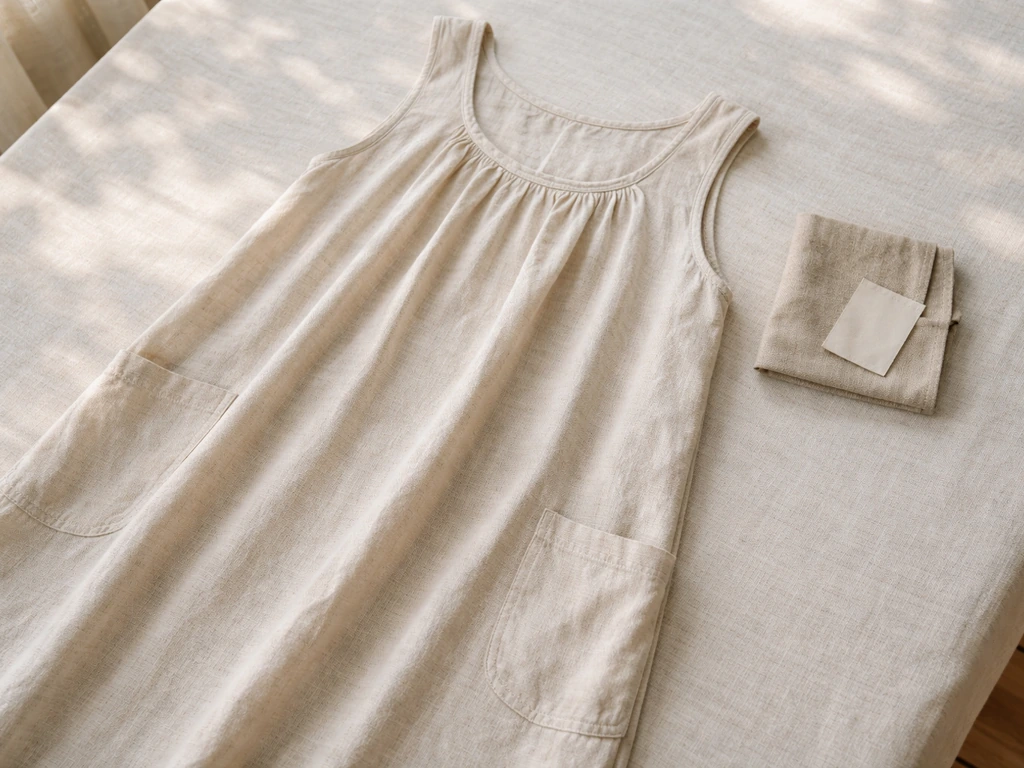
Shopping for a patio dress is straightforward once you know what actually matters. Use this as a quick checklist:
- Fabric first: cotton, linen, cotton-linen blend, or jersey knit. Check the label and skip anything listed as "polyester-blend" if you'll be in real heat.
- Silhouette: loose, relaxed, and unstructured. If you can't imagine sitting in it for two hours comfortably, it's not right.
- Length: knee to midi is the most practical range. Consider where you're wearing it and how much you'll be moving.
- Care instructions: look for machine-washable options, especially in cotton and jersey. Dry-clean-only linen isn't practical for outdoor casual wear.
- Practical details: pockets, adjustable straps, elastic or smocked waistbands are all signs the dress was designed for real wear rather than just looking good on a hanger.
- Color and print: bold patterns, florals, and solid bright colors all work well in patio settings. You're not restricted, but bear in mind that light colors show food and drink stains at outdoor events.
- Quality markers: even seams, finished hems, fabric weight that drapes rather than bunches. You don't have to spend a lot, but avoid anything that feels transparent or flimsy in hand.
J.Crew, Madewell, Anthropologie, and ASOS all carry dedicated patio dress collections in spring and summer. Thrift stores and resale platforms like ThredUp or Poshmark are also strong options for finding quality linen and cotton styles at lower prices, since patio dresses tend to be lightly worn and hold up well. Whatever the source, prioritize fabric and fit over label.
Once you have a patio dress that fits well and suits your climate, styling it is genuinely easy. It's one of the more low-effort, high-comfort outfit formulas for warm-weather outdoor living, which is exactly why the category has stayed relevant for so long. If you plan to spend lots of time outdoors, remember the saying, what happens on the patio stays on the patio.
FAQ
Is a patio dress acceptable for an evening event on a deck or patio?
It depends on the invitation, but in most cases you can treat it as daytime casual rather than formal. If there is a dress code like cocktail, semiformal, or “black tie,” choose a different option. If the event is something like a garden gathering, backyard birthday, or casual dinner, a knee-to-midi patio dress in breathable fabric usually fits the setting well.
What should I look for if I want a patio dress that is easy to maintain?
A patio dress should still feel comfortable if you sit, eat, and move around, but “easy-care” matters because outdoor plans often include more food, sweat, and sun exposure. Look for washable fabrics like cotton, linen blends, or jersey, and check the care label for whether it tolerates machine washing and regular drying. If it says “dry clean only,” it may not be ideal for frequent outdoor wear unless you are okay with extra upkeep.
What patio dress length and hem rules should I follow if I’m dealing with grass or uneven outdoor surfaces?
If you will be walking over grass, uneven stone, or transitioning from inside to outdoors, prioritize stable footwear and a hem that will not drag. Midi lengths are typically safest, and consider adding a small hemline adjustment if the dress feels too long when you walk. Avoid very delicate hems and opt for simple flats or low wedges with secure straps.
Can a patio dress work for a family event like a brunch or casual birthday?
Yes, you can style a patio dress for family events or daytime celebrations, but keep the vibe age-appropriate and practical. Choose more coverage (like sleeves, wider straps, or a higher neckline) and avoid very tight bodycon fits if you expect a lot of sitting. Adding a light layer and comfortable sandals can also make it feel more “occasion-ready” without losing the casual patio energy.
Is a patio dress basically the same as a beach coverup?
A patio dress and a coverup both serve an outdoor purpose, but a patio dress is meant to be worn as your main outfit. If your goal is beach lounging only, a swimsuit coverup is usually better because it is designed for quick on, quick off, and wet fabric. If you will be dining or hanging out away from the water, go with the patio dress category so the fit, coverage, and fabric choices feel intentional.
How do I wear a patio dress when the temperature drops after sunset?
Most patio dresses are designed for warmth, but you can still wear them in the evening if you plan for temperature swings. Choose slightly heavier-but-breathable fabrics, keep the silhouette looser, and layer with a denim jacket, cotton cardigan, or lightweight overshirt. If humidity is high, avoid fabrics that trap heat and moisture, since the comfort advantage of patio dresses depends on breathability.
Do patio dresses really need pockets, and what should I do if mine doesn’t have them?
If you are wearing a patio dress without a bag, pockets become the deciding factor. Look for functional pocket placement (especially deep pockets), or choose styles with an elastic waist plus roomy pockets so you do not need to carry extra items. If your dress lacks pockets, a small crossbody worn cross-body is usually the easiest option for hands-free outdoor movement.
How can I make a patio dress look more put-together without making it formal?
For a polished look that still reads as patio-appropriate, keep the dress casual and let accessories do the work. Stick with breathable fabrics, choose clean lines like wrap or shift silhouettes, and add a structured but light layer such as a cotton blazer. Avoid ultra-formal accessories, like very stiff structured leather pieces, because they can make the outfit feel mismatched to the outdoor setting.
Next Article
Patio Weather Meaning: What Patio, Area & View Mean
Clear patio definition: what a patio is, 'patio weather' meaning, and how it differs from decks or porches.