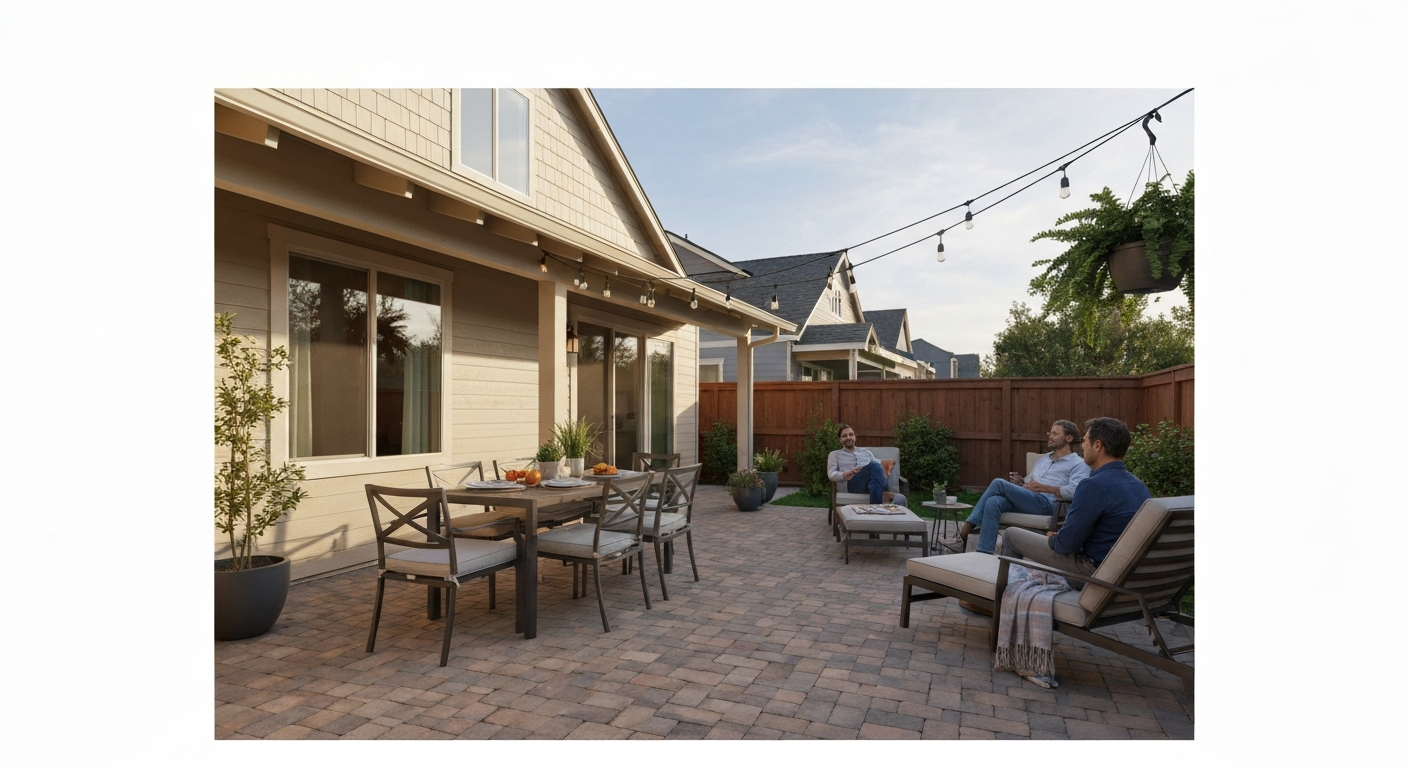
A patio steak is a thin, boneless beef steak most commonly cut from the shoulder or chuck primal area, sold as an affordable, quick-cooking option that's ideal for outdoor grilling. You'll often see it labeled at the butcher counter or grocery store as a retail product name, and it's closely related to (sometimes identical to) what other stores call a blank" rel="noopener noreferrer">flat iron steak, oyster blade steak, or top blade steak. It isn't a single officially defined USDA cut, but rather a loose retail label that different shops use to describe similar thin shoulder cuts marketed specifically for backyard or patio cooking. A patio bolt is a different kind of outdoor hardware used to secure items around a patio, so it helps to know the term before you buy or search.
What Is a Patio Steak? Meaning, Uses, and Ordering Tips

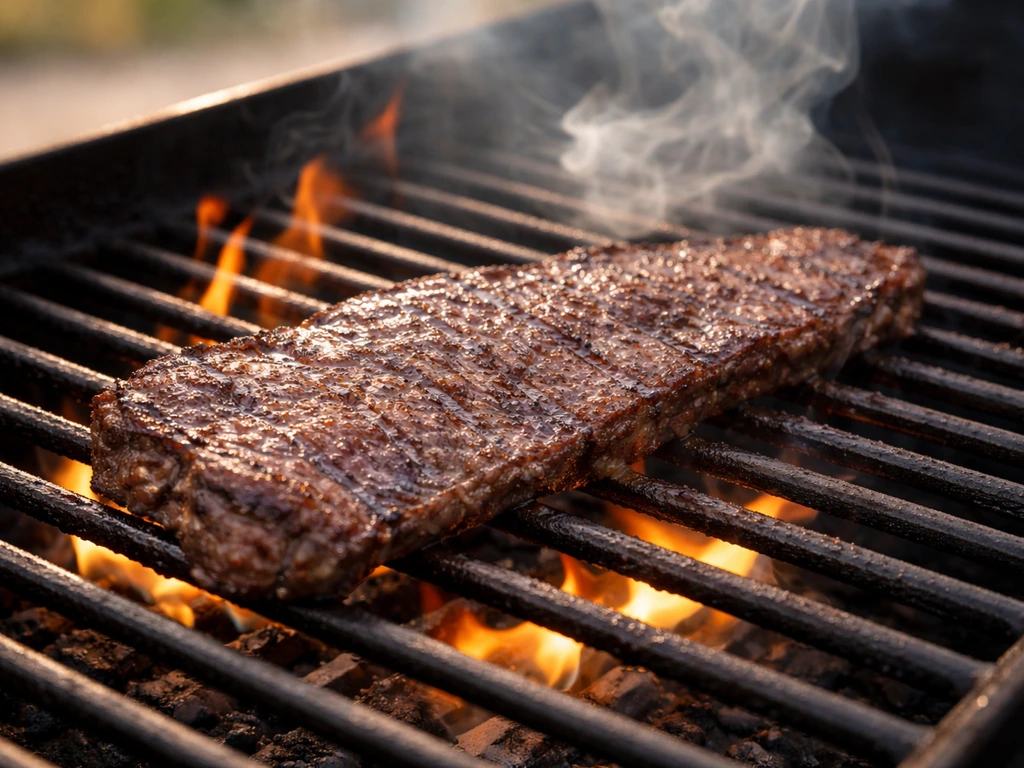
What a patio steak actually is
The term originates in the retail meat world, not in any official butchery classification. Grocery stores, local butchers, and meat wholesalers started using 'patio steak' as a product label to signal a cut that cooks fast on a hot grill, doesn't require elaborate preparation, and comes in at a price point that makes casual outdoor cooking practical. The underlying cut most frequently associated with the name is the flat iron steak (also called the top blade steak or oyster blade steak), which comes from the chuck primal, specifically the shoulder blade area of the animal.
Flat iron steak has become one of the more popular affordable cuts because, once the tough connective tissue running through the blade is removed, the resulting steak is surprisingly tender and well-marbled for its price. When retailers badge it as a 'patio steak,' they're essentially packaging that idea, telling you this is the cut you grab on a Friday afternoon when you're planning to fire up the grill in the backyard.
You'll also find 'Patio Steak' appearing as a named SKU in supermarket product databases and meat-pack catalogs, sold by the pound. Some retailers like Price Chopper list it directly as 'Patio Steak' for same-day delivery or pickup, and specialty farms like Wilson Beef Farms sell marinated versions under the label. In those cases, the name isn't metaphorical. It's just what that store calls the product, and you can search for it by that exact name.
How people actually use the phrase
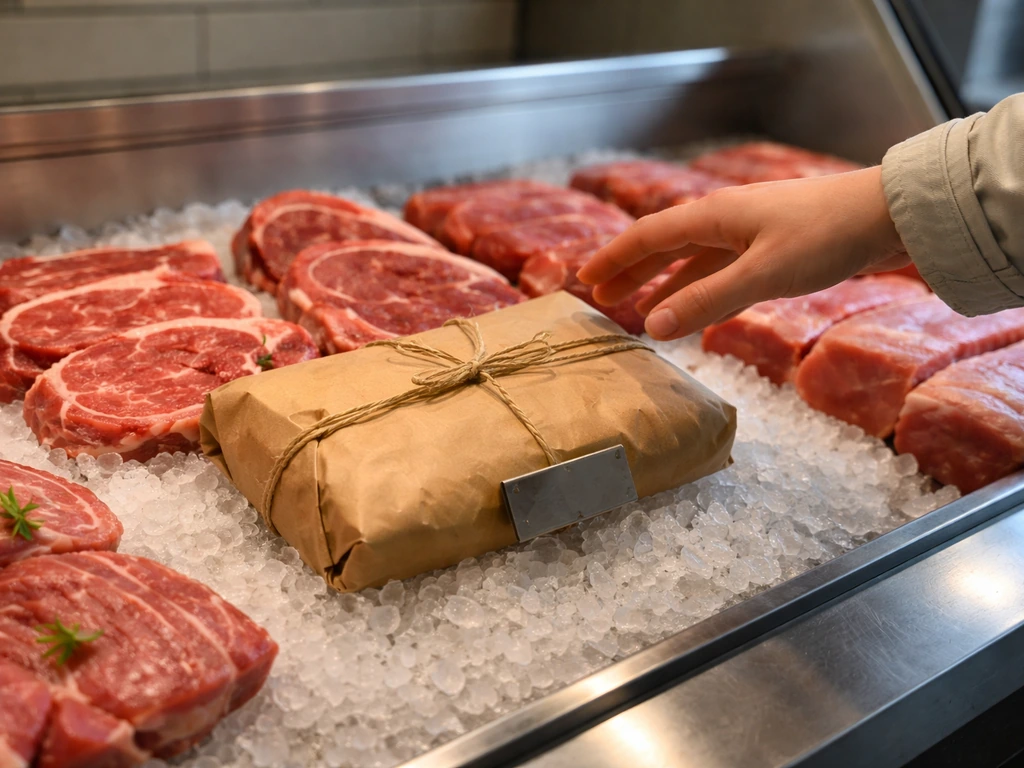
There are a few distinct ways 'patio steak' shows up in real life, and knowing which one applies helps you find what you're actually looking for.
- As a retail cut label: The most common usage. The grocery store or butcher simply calls a thin boneless shoulder steak a 'patio steak' on the packaging or price tag.
- As a marinated product: Some retailers sell pre-marinated versions under the name, making it even more of a grab-and-grill item. Wilson Beef Farms' 'Black Nugget Marinated Patio Steak' is a well-known example.
- As a general category shorthand: Meat wholesalers and restaurant supply catalogs sometimes list 'Patio Steaks' as a bulk orderable category, meaning multiple shoulder-area steaks packaged together.
- As restaurant or business branding: Places called 'The Patio Steakhouse' use 'patio' to evoke an atmosphere, not to name a specific cut. This is a completely different usage and can cause confusion when searching online.
How to tell it apart from similar terms
The main source of confusion is that 'patio' can refer to a dining venue (an outdoor seating area at a restaurant) or to this specific meat cut label. When a restaurant website says 'enjoy steak on our patio,' they mean you eat steak outside, not that they serve a cut called 'patio steak.' Similarly, menus that list a 'Patio Bar Wings' section or include 'patio' as a page header are using patio as a location descriptor, not a food category.
| Term | What it means | How to distinguish it |
|---|---|---|
| Patio steak (retail label) | A thin, boneless shoulder/chuck steak sold for quick grilling | Appears on butcher packaging or grocery SKUs; sold per pound |
| Flat iron steak | The same or very similar cut; the more widely recognized name | Labeled this way in most national supermarkets and steakhouses |
| Oyster blade steak | Another name for the same shoulder blade cut, common in Australia and UK | Used in international recipes; same meat, different regional name |
| Top blade steak | Closely related cut from the chuck primal, sometimes used interchangeably | You may see this on USDA-aligned butcher charts |
| Patio (venue) | Outdoor seating area at a restaurant or home | Used as a location term, not a cut name; no connection to the meat label |
| Patio Steakhouse (branding) | A restaurant that uses 'patio' in its business name | Refers to atmosphere or setting; the menu may not feature any cut called 'patio steak' |
If you're shopping for the cut and searching online, the key is to use 'patio steak' as a two-word product phrase rather than searching 'patio' and 'steak' separately. That combination tends to pull up venue results or steakhouse restaurant pages rather than the meat product you want.
How to search for it and order it correctly

Finding a patio steak is straightforward once you know where to look and what to call it. Here's what works well in practice.
- Search grocery delivery apps using the exact phrase 'patio steak' as a product name. Retailers like Price Chopper list it directly under that label, so an exact-phrase search returns the right result instead of a page of steakhouse restaurant listings.
- At a local butcher, ask for a flat iron steak or top blade steak from the chuck primal if they don't recognize 'patio steak.' These are the same or nearly identical cuts. Describing it as a thin, boneless shoulder steak that cooks quickly on a grill usually gets you there.
- If you want a pre-marinated version, search specifically for 'marinated patio steak' or check with specialty farms and local butchers that sell value meat packs. Some wholesalers sell multi-pound packs labeled 'Patio Steaks' that are perfect for larger cookouts.
- When ordering online for same-day delivery, look in the beef steak section and filter by 'boneless' or 'chuck' cuts if a direct search doesn't return a patio steak listing. The underlying product is usually there under a slightly different name.
- Avoid searching restaurant review sites or map apps for 'patio steak' if you're looking for the cut. That search tends to surface steakhouse businesses with 'patio' in their name rather than meat product retailers.
Choosing the right cut or format for patio grilling
Because 'patio steak' isn't a rigidly defined cut, you have some flexibility when choosing what to buy or substitute. The core qualities to look for are a thin profile (usually 3/4 inch to 1 inch thick), boneless construction, and decent marbling for a shoulder-area steak. These features are what make the cut work well on a hot patio grill, where fast, high-heat cooking is the norm.
| Cut | Tenderness | Price range | Best for | Closest to patio steak? |
|---|---|---|---|---|
| Flat iron / top blade | Very good for price | Moderate-affordable | Direct high-heat grilling | Yes, essentially the same |
| Oyster blade | Good, similar to flat iron | Moderate-affordable | Grilling, stir-fry | Yes, same cut family |
| Skirt steak | Moderate, needs marinade | Affordable | Fast grilling, fajitas | Close, but different primal |
| Flank steak | Moderate, lean | Moderate | Grilling, slicing thin | Similar use case, leaner |
| Sirloin steak | Good | Moderate-higher | Direct grilling | Can substitute, pricier |
| Rib-eye | Excellent | Higher | Any grill method | Overkill for casual patio use |
For most casual patio cookouts, a flat iron or top blade steak is the best direct substitute if you can't find anything explicitly labeled 'patio steak.' If you want even more budget flexibility, skirt steak works similarly with a quick marinade. Avoid going too thick with any of these cuts for patio grilling, since the whole point of this style of cooking is speed over a hot fire.
Cooking it on the patio: the basics
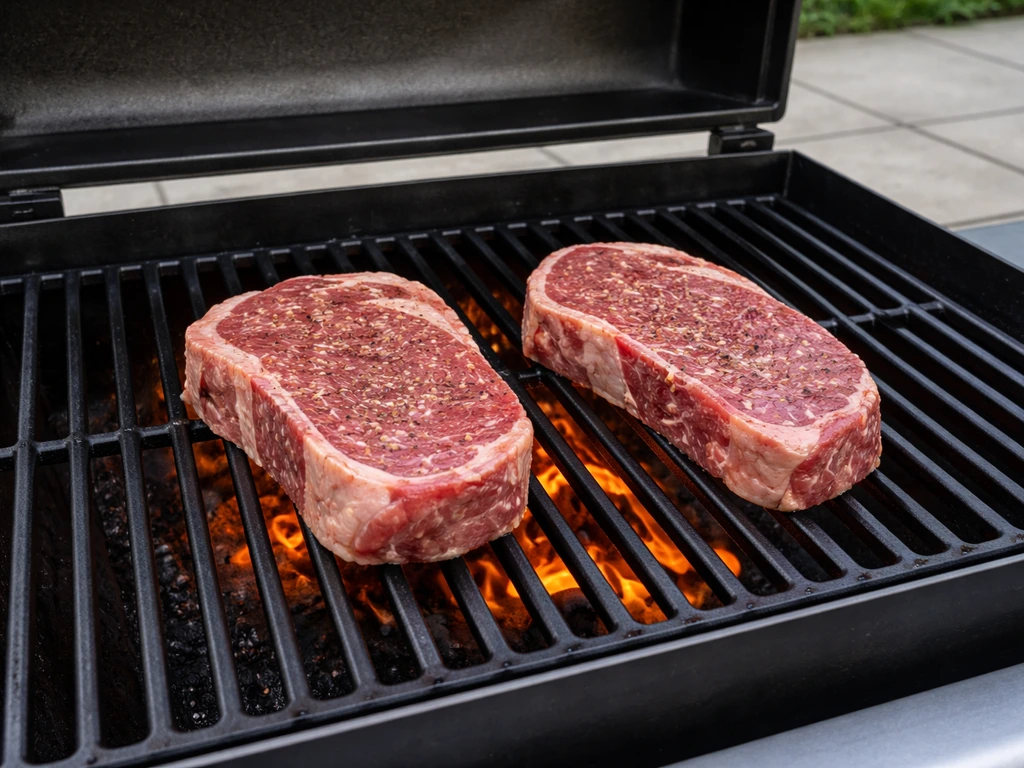
A patio steak is built for direct, high-heat grilling, which makes it one of the easier steaks to cook outdoors. A patio tree is an outdoor landscape feature you can place on or near your patio to add shade and structure what is a patio tree. Thin, boneless, and moderately marbled means it responds well to a hot grill and doesn't need much more than seasoning before it hits the grates.
Get the grill properly hot first
Preheat your grill on high with the lid closed for 10 to 15 minutes before cooking. Weber's grilling guidance confirms this step consistently because a properly preheated grill gives you the surface temperature needed to sear quickly without drying the steak out. A cold or lukewarm grill just steams the meat instead of searing it.
Direct heat is the right method here
Because patio steaks are thin, direct high heat is the correct approach. You're not doing a long indirect roast with this cut. Place the steak directly over the heat source and let it cook. If you're using a two-zone setup on a charcoal or larger gas grill, start on the hot side. You likely won't need the indirect zone at all for a steak this thin unless you're finishing a slightly thicker piece.
Temperature and doneness
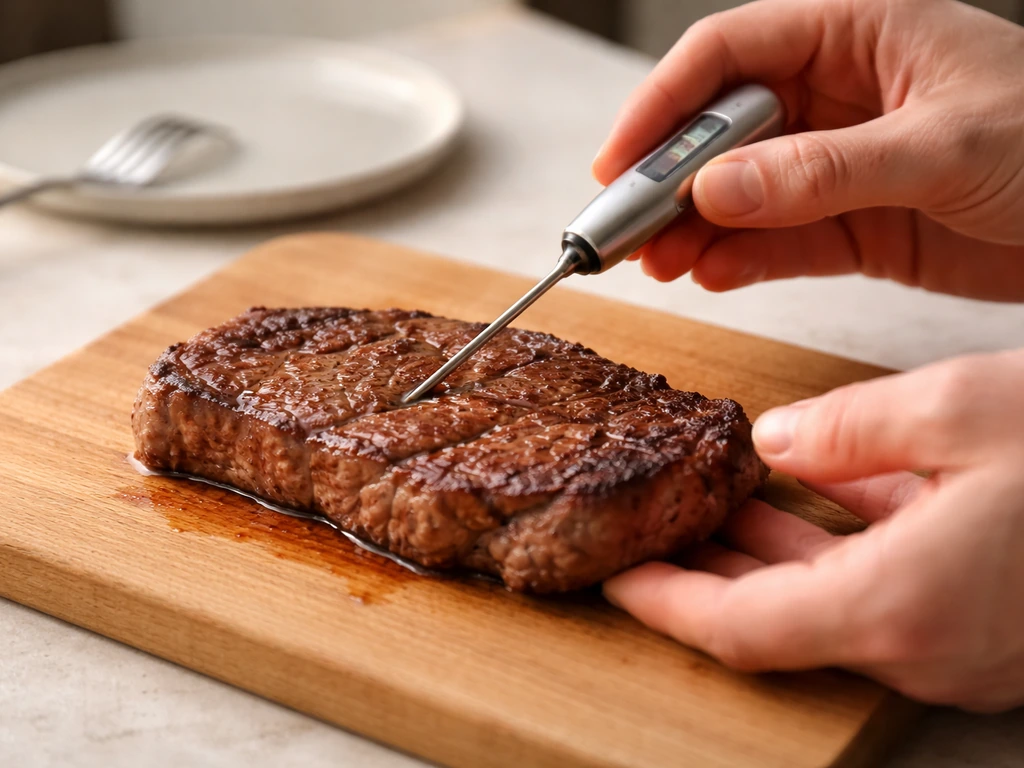
The USDA sets the safe minimum internal temperature for beef steaks at 145°F (63°C), measured with a food thermometer, with a minimum three-minute rest before cutting. In practice, many people prefer medium-rare, which typically reads 130 to 135°F at the center. If you're cooking for anyone who's immunocompromised, pregnant, elderly, or a child, stick to the USDA's 145°F recommendation. For a thin patio steak, the difference in cooking time between 130°F and 145°F is only a minute or two, so use a thermometer rather than guessing.
Rest the steak before cutting
Don't skip the rest. For a thin steak like this, 5 minutes off the grill is usually enough. Weber's guides suggest 5 to 10 minutes for steaks and chops, and Napoleon's steak guidance aligns with the same window. Resting lets the juices redistribute so they don't run out the moment you slice. For a cut this affordable, it's the single step that most separates a good result from a dry, disappointing one.
Serving ideas for a patio meal
Patio steaks are casual by nature, so the serving style tends to be relaxed too. Slice against the grain for better texture, especially if you went past medium. They work well as a standalone plated steak, sliced over a salad, or cut into strips for tacos or sandwiches. If you bought a pre-marinated version, the flavors are already built in, so all you need are simple sides. If you bought plain, a quick dry rub of salt, pepper, garlic powder, and smoked paprika before grilling covers most of what you need.
Once you've got the patio steak figured out, it's worth thinking about the rest of your outdoor setup too. If you are shopping for a full patio setup, choosing the right patio set can make outdoor grilling and dining much easier. What goes on your patio matters as much as what comes off the grill, and having the right furniture and layout, whether that's a conversation set for a relaxed evening or a proper dining arrangement, shapes how the whole outdoor meal experience comes together.
FAQ
Is a patio steak the same as a flat iron steak?
Often yes, many retailers label an equivalent shoulder-blade steak as patio steak, but it is not a universal definition. If the package lists the cut origin (for example, top blade, oyster blade, or flat iron), use that label to confirm you are getting the shoulder-blade style cut.
How thin is “thin enough” for patio steak grilling?
A good target is about 3/4 inch to 1 inch. If it is thicker than 1 inch, it will be harder to sear quickly without overcooking the outside, so either slice it thinner, increase sear time carefully, or finish with a short indirect step.
Should I marinate patio steak, even if it’s already good quality?
You can, but it depends on what you bought. Plain patio steak benefits from a quick marinade or a dry rub because it is a shoulder cut, while pre-marinated versions typically only need light handling (pat off, then grill) so you do not overwhelm it with extra salt or acid.
What seasoning works best for patio steak without making it dry or salty?
For plain cuts, keep it simple, salt and pepper plus a little garlic powder and smoked paprika works well. If you use a wet marinade, avoid adding more salt unless the label says it is low-sodium, because thin steaks can taste overly salty fast.
What is the safest way to know when it is done?
Use a thermometer and pull the steak at the USDA safe target of 145°F (63°C) with a short rest. For people not needing maximum doneness, medium-rare usually falls around 130 to 135°F, but time alone is unreliable for thin steaks.
Why does my patio steak turn out tough even though it’s supposed to be tender?
The two most common causes are cooking past doneness and buying the wrong thickness or cut. Shoulder-blade steaks should be separated from tough connective tissue, so check that the steak is boneless and properly trimmed, then avoid overcooking (thin cuts move quickly).
Do I need an indirect zone for patio steak?
Usually no, because the steak is thin and built for direct high heat. Indirect heat helps only if your steak is slightly thicker, your grill runs unevenly, or you need a brief finish, otherwise direct searing is the best default.
How do I slice patio steak for best texture?
Slice against the grain, then adjust thickness of the slices based on your plan. If you are serving it as a whole piece, cut thinner slices for tenderness, and if you are making tacos or sandwiches, slice into strips before plating.
Can I cook patio steak in a pan instead of on the grill?
Yes, use a hot skillet and sear quickly, since the key trait is high-heat fast cooking. Because it is thin, use a thermometer and watch closely, and consider finishing briefly if your pan temperature drops.
What’s the difference between “patio steak” and “patio” on a restaurant menu?
“Patio steak” is a meat product label, while “on the patio” refers to where you eat. If you see “patio” as a location or section title, it usually has nothing to do with the cut you can purchase.
If I cannot find patio steak, what is the best substitute?
The closest swap is the flat iron or top blade (often the oyster blade) style shoulder cut. Skirt steak can work with a quick marinade, but it behaves differently, so expect a different chew and use slightly different slicing and timing.
Patio Weather Meaning: What Patio, Area & View Mean
Clear patio definition: what a patio is, 'patio weather' meaning, and how it differs from decks or porches.