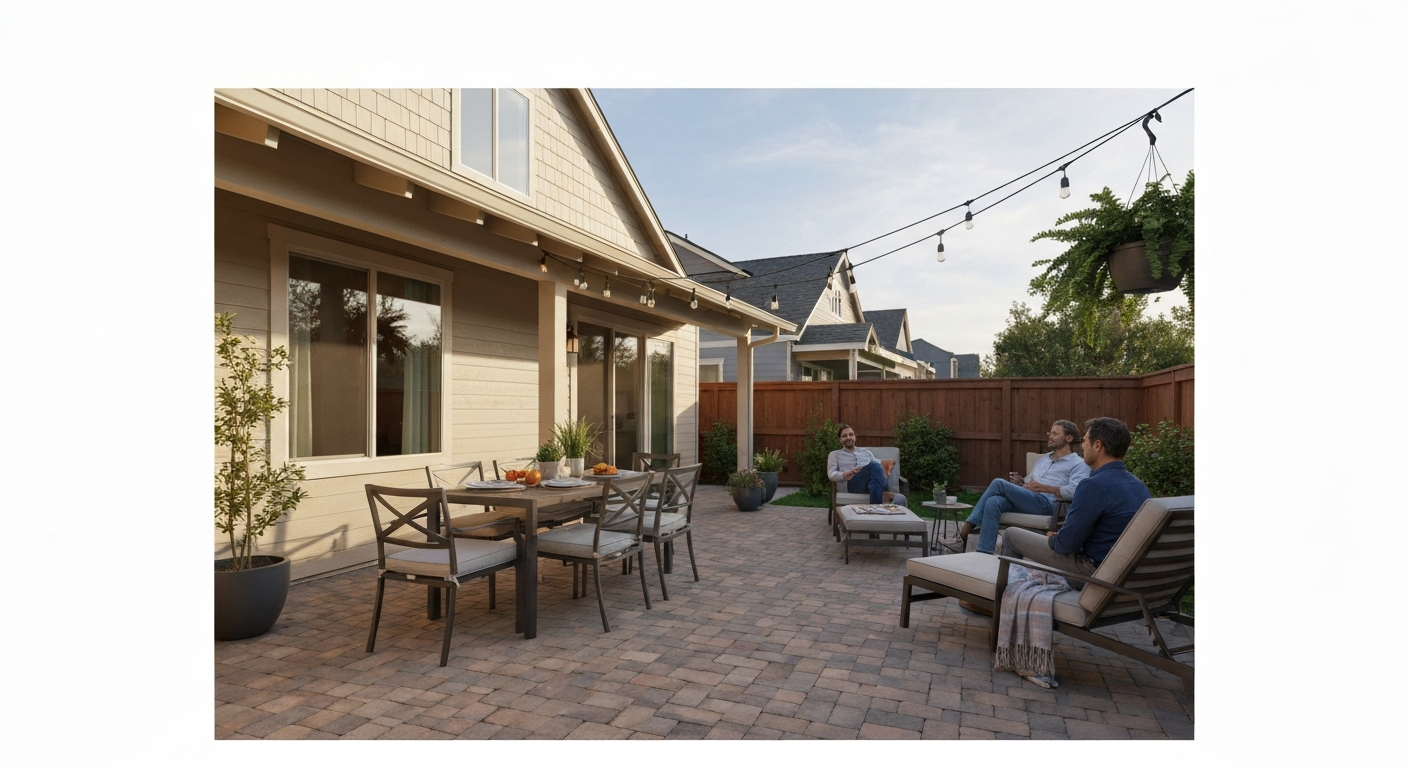
A patio home is a single-family residence with a small footprint that includes a private patio or courtyard as a core feature of the living space. It's typically one story or one-and-a-half stories, often shares at least one wall with a neighboring home, and sits inside a planned cluster community where an HOA usually handles exterior maintenance and landscaping. Think of it as a low-maintenance, right-sized home where the outdoor patio space is built into the design intent, not just bolted on as an afterthought.
What Is a Patio Home? Definition, Features, and Differences

Ada Hollis
29 Apr 2026
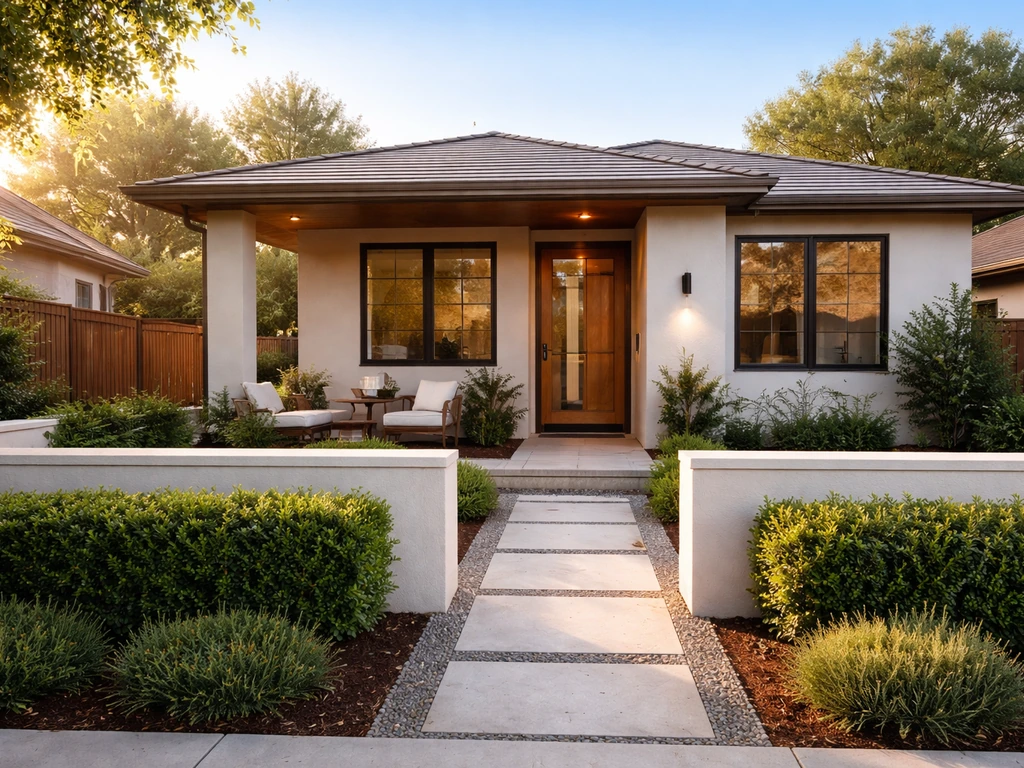
What a patio home actually is (plain-language definition)
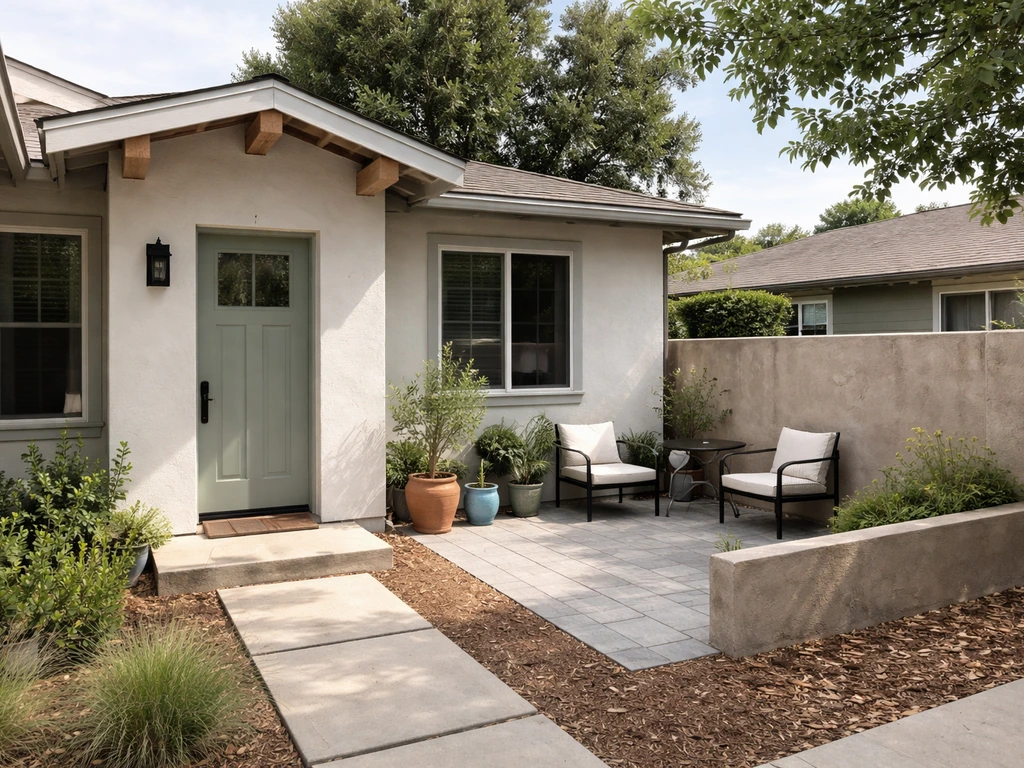
The most widely used working definition comes from the real estate industry: a patio home is a single-family residence with a small footprint featuring a private courtyard or patio. That definition, used by MLS systems like ARMLS, gives you three concrete checkboxes: it's classified as single-family, it's compact, and it has a private outdoor space that's integrated with the home rather than shared with neighbors.
What makes patio homes a distinct housing concept is the relationship between the home and that outdoor space. The patio or courtyard isn't just a feature listed on a spec sheet. It's meant to function as an extension of the living area, often accessible directly from main rooms like the living room or primary bedroom. That indoor-outdoor connection is the design intent that sets a true patio home apart from a generic small house that happens to have a concrete slab out back.
One thing worth knowing upfront: there is no universal legal definition of a patio home. The term is used loosely in real estate marketing, and the same property might be listed as a garden home, courtyard home, cluster home, or even a townhome depending on the market and the listing agent.
The Wikipedia article on patio homes notes that the term is used loosely in real estate marketing, and the same property may be listed as a townhome, garden home, twin home, or carriage home, rather than having a universal legal definition the same property might be listed as a garden home, courtyard home, cluster home, or even a townhome.
That's not unusual in real estate, but it does mean you need to verify the actual layout rather than rely on the label alone.
How a patio home differs from similar home styles
The biggest source of confusion is the patio home vs. townhome comparison. Both can be attached, both can have HOAs, and both can be compact. The key difference is form. A townhome is typically a narrow, multi-level structure, often two or three stories, with a small parcel of land. A patio home is usually single-story or one-and-a-half stories, lower to the ground, and organized around that central outdoor space. The patio home trades vertical square footage for a more grounded, spread-out layout.
Condos are different in a more fundamental way: when you buy a condo, you typically own only the interior of your unit, not the land or the exterior structure. A patio home, even when attached, is generally classified as a single-family residence, which means ownership of the structure and the land parcel (even if that parcel is small) is part of the deal. That distinction matters for financing, taxes, and long-term property rights.
You might also see patio homes confused with homes that simply have patios (the outdoor surface). A patio, by definition, is a ground-level outdoor area beside or behind a home used for relaxing or entertaining. That's different from a porch (typically covered and at the front of the home), a balcony (elevated and attached to an upper floor), a verandah (a large, often wraparound covered structure), or a courtyard (an enclosed outdoor space surrounded by walls or the home itself). A patio home usually features a courtyard-style private patio, so the outdoor space is often more enclosed and private than a standard back patio on a conventional home.
| Home Type | Stories | Attachment | Outdoor Space | Ownership |
|---|---|---|---|---|
| Patio Home | 1 to 1.5 | Often shared wall(s) | Private patio or courtyard (key feature) | Single-family, land included |
| Townhome | 2 to 3 | Shared walls (row) | Small yard or patio (secondary) | Single-family, narrow lot |
| Condo | Varies | Shared building | Shared or balcony only | Interior unit only |
| Detached Single-Family | Varies | None | Yard, patio, or both | Full property and land |
| Garden Home | 1 to 1.5 | Often shared wall(s) | Garden space or patio | Single-family (often same as patio home) |
Garden home, courtyard home, cluster home, twin home, and carriage home are all terms that sometimes describe the same type of property a patio home label would cover. If you see any of these in a listing, treat them as potential synonyms and verify the layout details rather than assuming they're something entirely different.
What a patio home community looks like
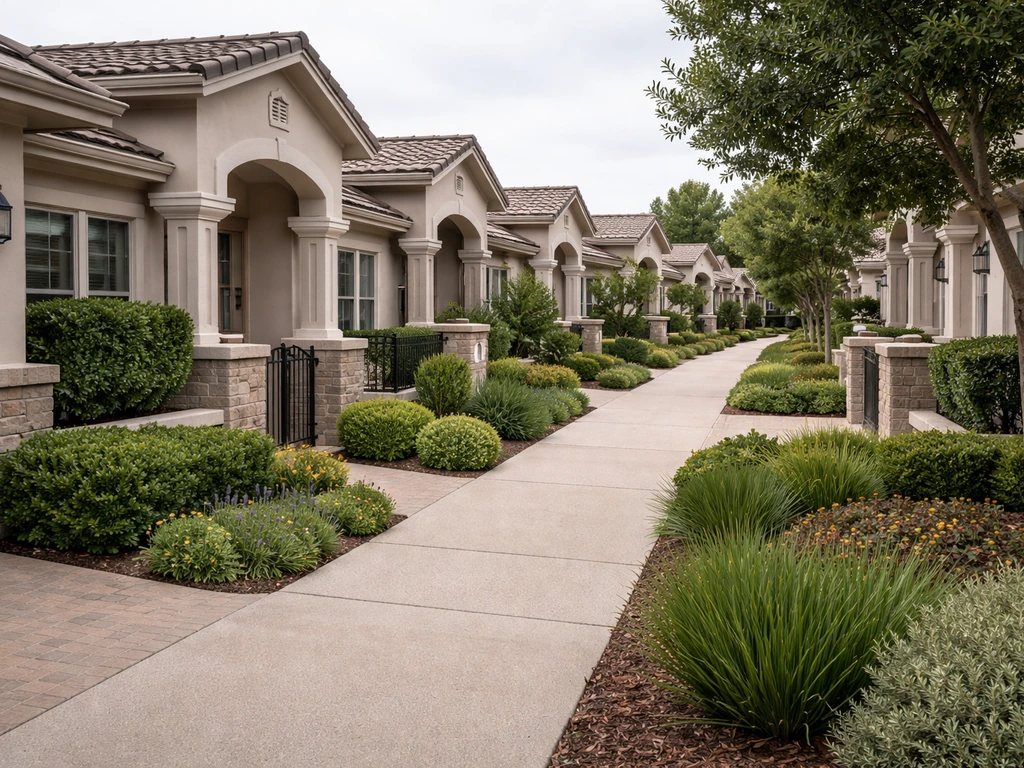
Patio homes rarely exist as one-offs. They're almost always built as part of a planned cluster community where multiple homes share a cohesive design theme, a consistent layout pattern, and shared exterior management. That cluster arrangement is part of what defines the concept. You'll typically see homes grouped in a way that gives each unit a sense of privacy (through fencing, walls, or setbacks) while keeping the overall development compact and walkable.
Most patio home communities operate under a homeowners association (HOA). The HOA typically covers exterior maintenance tasks like landscaping, lawn care, and sometimes exterior painting or roof maintenance. That's a meaningful benefit for buyers who want the feel of a single-family home without the weekend yard work. But it also means monthly or quarterly HOA fees, and those fees can vary widely depending on what's included.
Community amenities in patio home developments vary by market and price point. Some are simple clusters with shared green space and basic landscaping. Others include pools, clubhouses, walking paths, or gated access. The community layout is one of the things worth exploring in detail before you make an offer, since it shapes daily life as much as the home itself does.
What actually qualifies as a patio home
Since there's no legal definition, the practical qualifiers come from how the real estate industry uses the term consistently. A property is most accurately called a patio home when it checks most of these boxes:
- Single-family classification (not a condo or apartment unit)
- Compact or small footprint compared to a conventional detached home
- One story or one-and-a-half stories in height
- A private patio or courtyard that is integrated with the home's layout (not just a shared outdoor area)
- At least one shared wall with a neighboring home in many (but not all) cases
- Located within a planned cluster or community development
- Subject to an HOA that manages exterior maintenance
The shared-wall piece is common but not universal. Patio homes can be attached (sharing one or two walls with neighbors) or detached (freestanding but still compact and part of a cluster). A detached patio home still fits the concept as long as the small footprint and private outdoor space criteria are met. Similarly, some patio homes are configured as paired homes, meaning two units share a single wall like a duplex but are each sold as individual patio home properties. A paired patio home is a common configuration of two attached patio home units that share a wall while each unit is sold as its own home.
Some municipalities go further and regulate patio home subdivisions directly in zoning or planning ordinances, which means the term can carry specific development standards in certain cities.
In the City of Alvin’s patio-home ordinance definitions, a “patio home subdivision” can be tied to development standards such as subdividing land into lots, building patio homes for individual sale, and allowing lot sizes smaller than the general subdivision minimums while still meeting the chapter’s blank" rel="noopener noreferrer">patio-home requirements patio home subdivisions may be regulated with specific development standards in zoning or planning ordinances.
If you're buying in a jurisdiction where the term has planning relevance, it's worth checking whether the community was developed under those local standards, since that can affect things like setbacks, lot coverage, and what you can build or modify.
How to read 'patio home' in a real estate listing
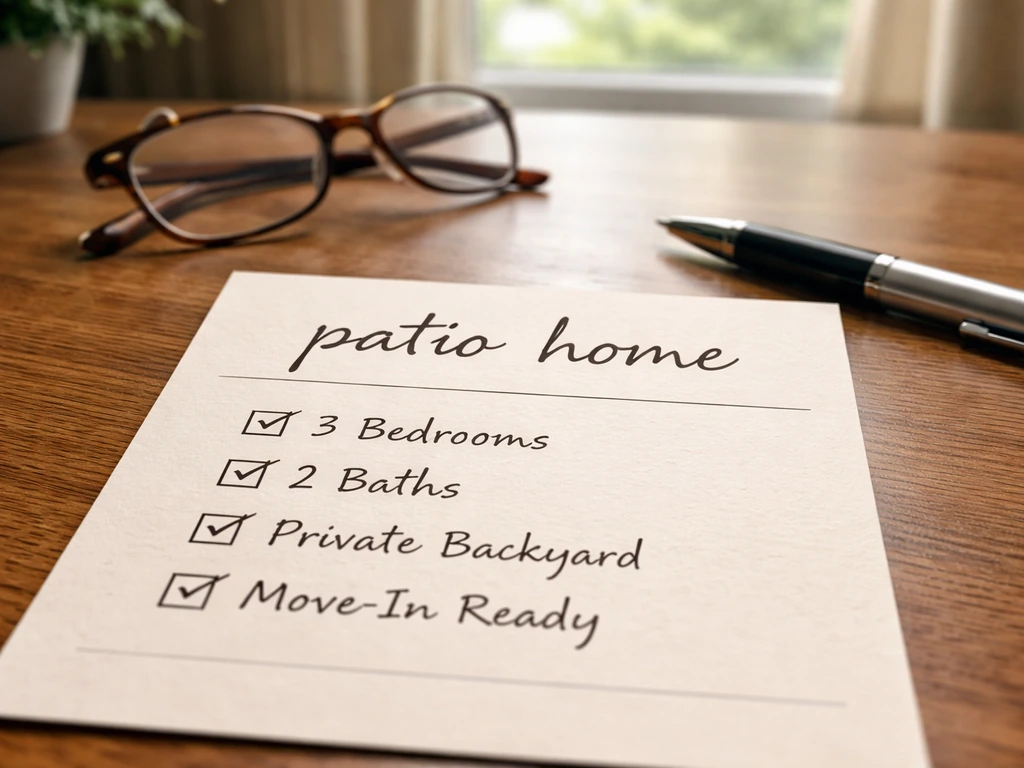
When you see 'patio home' in an MLS listing, the label is a starting point, not a guarantee. Because the term has no universal legal definition and properties get mislabeled or marketed under different names, your job as a buyer is to verify the actual features against what you expect from a patio home.
Here's what to look for and confirm when a listing says 'patio home':
- Check the story count: true patio homes are one story or one-and-a-half stories. If the listing shows two or three floors, it may actually be a townhome regardless of the label.
- Look for a private patio or courtyard: the outdoor space should be private to your unit, not shared with the whole community. Photos and floor plans should show how the outdoor space connects to the interior.
- Confirm the ownership type: verify it's classified as a single-family residence (not a condo or co-op), which affects how you can finance it and what you actually own.
- Ask about the HOA: find out what the monthly fee covers, whether exterior maintenance and landscaping are included, and request the CC&Rs so you understand what you can and can't do with the property.
- Verify attachment status: ask whether the home shares any walls and, if so, which walls. This affects noise, privacy, and what happens if your neighbor makes structural changes.
- Search alternate terms: if you're shopping in a specific market, also search for 'garden home,' 'courtyard home,' and 'cluster home' since the same type of property may be listed under those labels instead.
One common mismatch to watch for: buyers sometimes assume a 'patio home' means fully maintenance-free living like a condo, only to discover the HOA covers landscaping but not exterior repairs, or vice versa. The scope of HOA coverage is genuinely specific to each community, so reading the governing documents before you close is the move that saves headaches later.
If you want to go deeper on specific configurations, the differences between detached and paired patio homes are worth exploring separately, as are what patio home communities look like from a visual and layout perspective. A quick way to picture what a patio home looks like is to look for listings with an integrated courtyard or private patio right from the main living areas what patio home communities look like from a visual and layout perspective. What does a patio look like in a patio home can vary by layout, but it typically centers on a private courtyard space connected to the main living areas what a patio home patio look like. Those details help you match the label to what you'll actually experience day to day once you move in.
FAQ
If a listing says “patio home,” what exact documents should I review before I buy?
Ask for the HOA governing documents, especially the CC&Rs (or equivalent), the HOA fee schedule, and the exhibits that list maintenance responsibility by item (roof, siding, windows, fences, landscaping, trash). Also request the most recent HOA budget and the current reserve balance, since that often determines whether exterior repairs become special assessments later.
Are patio homes always fully “maintenance-free” because an HOA is involved?
No. Many HOAs handle landscaping and exterior painting or roof maintenance, but they do not always cover everything, such as window replacement, garage doors, exterior lighting, or fence repairs. Your best check is a written responsibility matrix in the HOA docs, not the marketing description.
How do I confirm I’m actually buying a single-family property (not something condo-like) when it’s attached?
Confirm the legal ownership and property tax classification in the purchase paperwork (deed type, parcel ownership, and whether the exterior walls are owned by you or shared/managed like a condo). Even attached patio homes can be single-family, but you want that verified in the closing disclosures.
What are the most common zoning or building-limit surprises in patio home communities?
Restrictions can include limits on lot coverage, fence height, where you can place a patio cover, and whether you need approval for exterior changes (door color, shutters, skylights, satellite dishes). If you plan renovations, ask the HOA or city for the community design guidelines and the permit requirements before you spend money on plans.
Can I rent out a patio home, and does the HOA affect that?
Sometimes. HOAs may restrict leasing duration, require owner-occupancy for a portion of units, or require approval for tenants. Separately, check whether there are any city or subdivision rules on short-term rentals, since those can differ from standard leasing rules.
How do paired patio homes differ from duplexes in practical terms?
Paired units often function like two attached single-family homes, each with its own deed, but they may still share certain structural elements or have shared-wall maintenance rules. Confirm who is responsible for repairs to the shared wall and utilities, and whether there are separate lot lines or a shared exterior component agreement.
What should I inspect in the patio/courtyard area to avoid drainage or privacy problems?
Look for evidence of water pooling after rain, check grading toward the courtyard, and verify where downspouts drain. For privacy, confirm fence or wall placement and whether any landscaping that provides screening can be maintained within HOA rules.
Do patio home courtyards require HOA approval for updates like pavers or outdoor kitchens?
Usually yes, if the changes affect exterior appearance, drainage, hardscape layout, or shared lines near neighbors. Before budgeting, ask whether patio surface changes, built-ins, gazebos, pergolas, and electrical outlets need pre-approval and whether there are limits on size or materials.
If I’m comparing patio home vs townhome, what’s the fastest way to spot the real difference?
Look at the floor count and layout around the outdoor space. Townhomes typically have more vertical stacking (often multiple stories) and a narrower footprint, while patio homes tend to be lower and organized around an integrated courtyard accessible from main rooms. Also compare whether you own the exterior structure and lot versus only the interior unit space.
What types of homeowners insurance issues can come up with attached patio homes?
Insurance can differ based on what the HOA covers. Ask your agent whether your policy includes the interior walls only or also covers exterior items not maintained by the HOA, and confirm who insures the structure elements (roof, siding, fences). This matters for deductibles and for how claims are handled.
Next Article
Patio Weather Meaning: What Patio, Area & View Mean
Clear patio definition: what a patio is, 'patio weather' meaning, and how it differs from decks or porches.