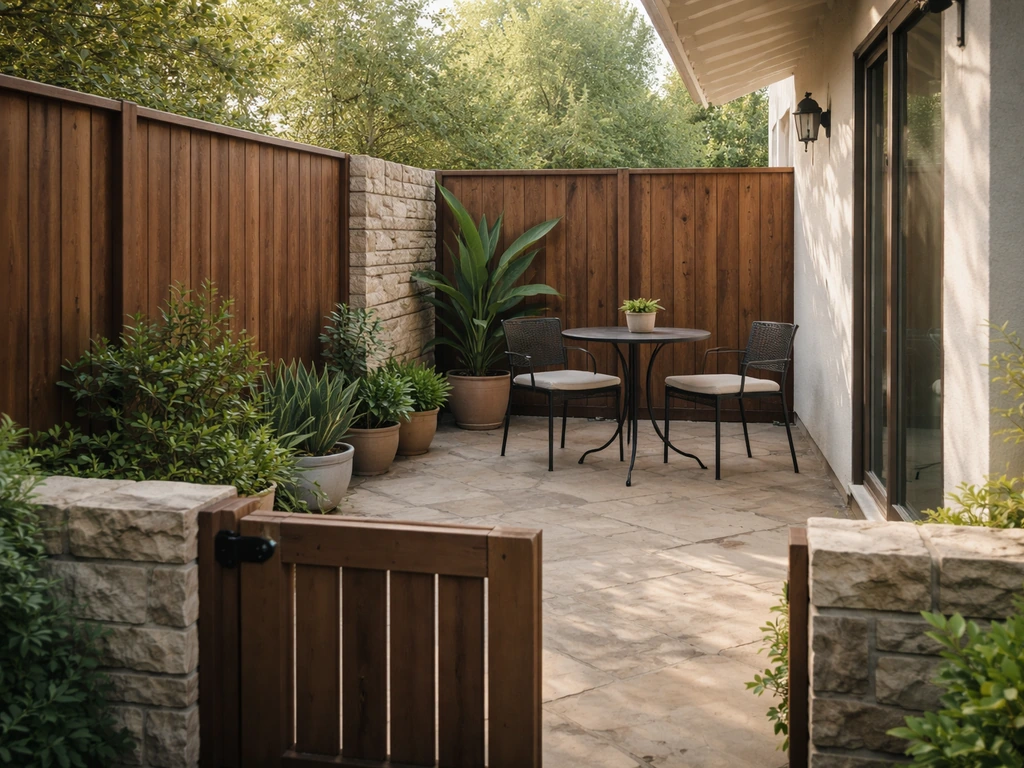
A church patio is a paved outdoor gathering area directly attached to or immediately adjacent to a church building, most commonly used for fellowship, post-service socializing, overflow event space, and accessible circulation between buildings on a campus. When you see it in a real estate listing or on church signage, it almost always means a ground-level, hard-surfaced outdoor space that functions as an extension of the church's indoor social areas, not a residential backyard-style patio and not a courtyard enclosed by walls on all sides.
Church Patio Meaning: What It Is, Where It Is, and How to Spot It

Ada Hollis
29 Jun 2026
What people actually mean by "church patio"
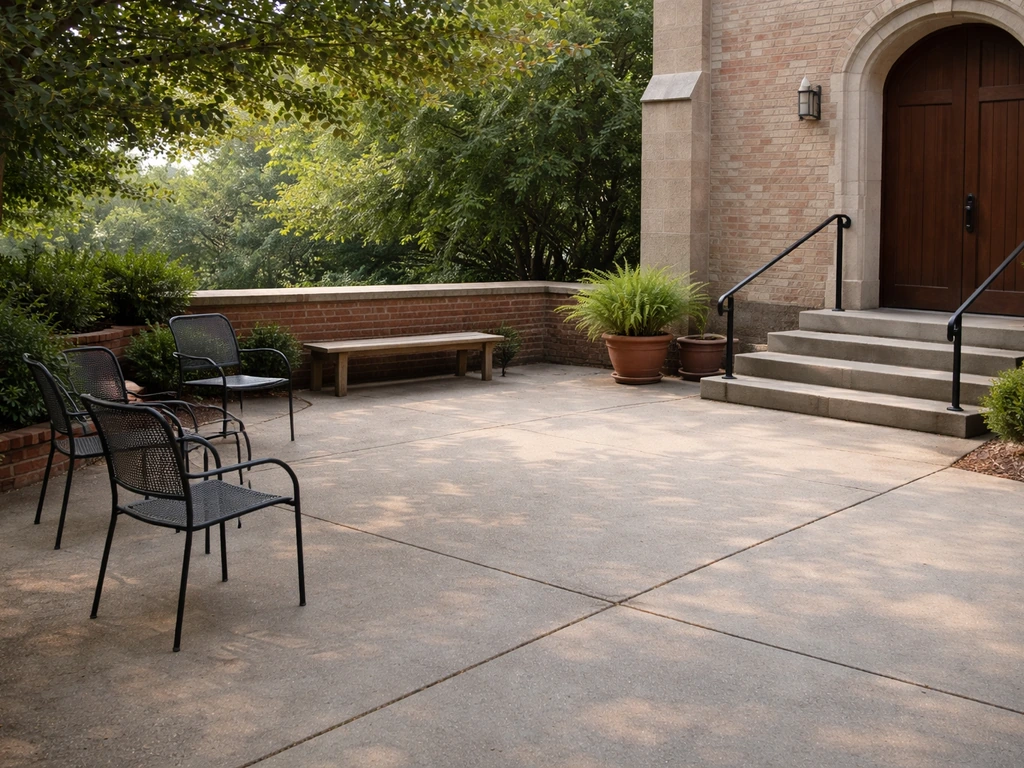
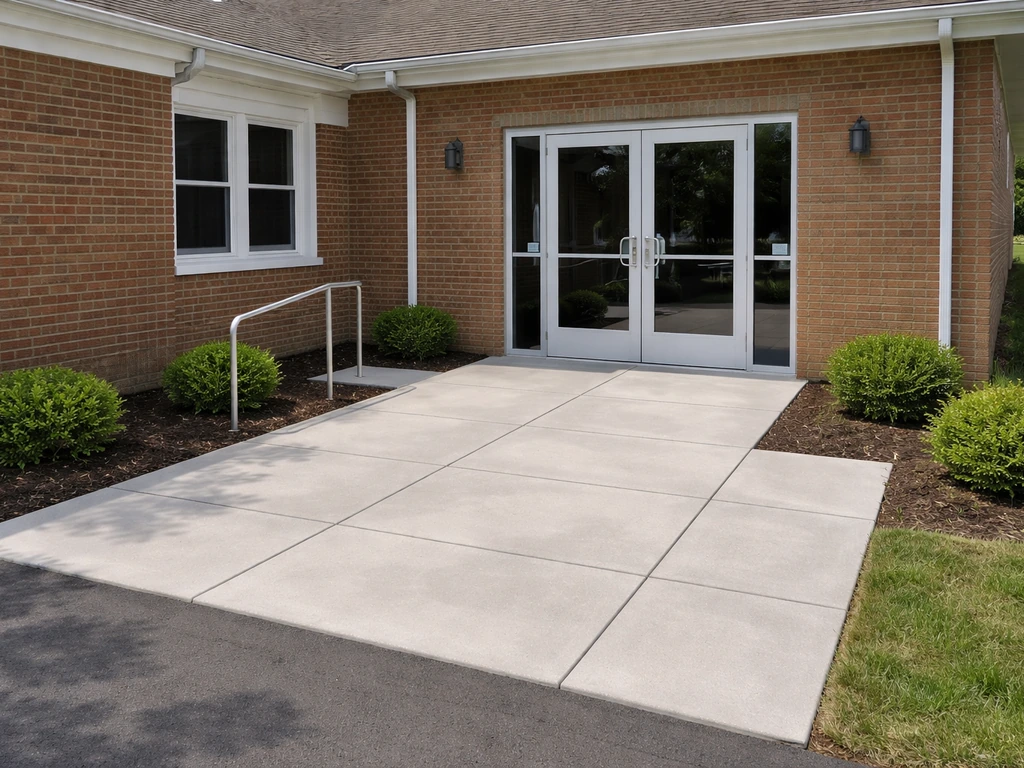
The phrase combines two straightforward ideas. "Patio" refers to a paved, ground-level outdoor area that adjoins a building. "Church" tells you the building it adjoins and, by extension, how the space is typically used and governed. In practice, a church patio is the outdoor flat area you step onto right after the service ends, where someone hands you a cup of coffee and you catch up with people before heading to the parking lot. It can also be a connector path between the main sanctuary and a fellowship hall, an accessible entry route, or a dedicated event extension for receptions and seasonal gatherings.
One Presbyterian church planning document, for example, literally defines its patio as "the area between the main Church Building and the Fellowship Hall," meaning it doubles as a circulation corridor and social space. Another church's rental materials describe an "outdoor patio next to the hall" that offers additional capacity alongside grass courtyards and terraces. That variety is normal: church patios are defined more by their adjacency to the building and their hard paving than by any single fixed shape or size.
If you are reading a real estate listing for a church property, the patio entry usually means you are looking at a specific, demarcated outdoor amenity that adds usable square footage for events, accessible entry, and open-air programming. It is different from simply having a lawn or garden area.
What a patio is, and how it differs from a porch, courtyard, veranda, balcony, and terrace
Before going further into church-specific details, it helps to nail down what "patio" actually means on its own, because listings and signage frequently mix these terms up. A patio is an outdoor area, typically paved with concrete, brick, or stone, that sits at ground level and adjoins a building. It is generally uncovered or only partially covered. Washington State's property tax definitions specifically describe a patio as "an area paved with concrete, concrete products, brick, or stone that adjoins the residence," and that same framework applies equally to non-residential buildings like churches.
Here is how a patio differs from the other terms you will commonly encounter in church and residential property contexts:
| Term | Key characteristics | How it differs from a patio |
|---|---|---|
| Patio | Ground level, hard-paved (concrete/brick/stone), adjoins a building, usually open to sky | Baseline comparison point |
| Porch | Covered entrance structure at ground level, attached to a doorway, often has a roof and sometimes railings | Has a roof/cover overhead; functions as an entry transition, not a general lounging or event area |
| Courtyard | Enclosed outdoor space surrounded or partially enclosed by building walls, open to the sky | Defined by enclosure on multiple sides; a patio does not require enclosing walls |
| Veranda / Verandah | Covered, roofed gallery or walkway attached to the exterior of a building, usually wraps around it | Always has a roof; often wraps around the building rather than sitting as a flat open pad |
| Balcony | Elevated platform projecting from an upper floor of a building, usually with a railing | Above ground level and attached to an upper floor; a patio is always at ground level |
| Terrace / Roof deck | Raised, flat outdoor platform near a building or on a rooftop | Elevated surface or roof access; a patio sits on the ground, not raised above it |
In everyday conversation, people sometimes call a rooftop terrace a patio, but technically they are different: terraces are raised, patios are not. Wikipedia describes a terrace (building term) as an external, raised open flat area near a building, including a roof terrace, which helps explain why terraces are typically considered raised compared with patios.
A rooftop patio meaning is similar in that it describes an outdoor, paved gathering space, but the key difference is that it sits on a roof or raised platform rather than at ground level. Similarly, a porch is specifically an entry structure with overhead cover, while a patio is an open or semi-open pad that can sit anywhere along the building's perimeter. For church property, you are most likely to see confusion between "patio" and "courtyard.
" A courtyard implies walls and enclosure; a patio implies flat paving and adjacency, but not necessarily enclosure. Some church spaces are genuinely both (a paved area surrounded by building wings), in which case you may see the hybrid term "courtyard patio" used in listings.
Typical layouts and features you will find on a church patio
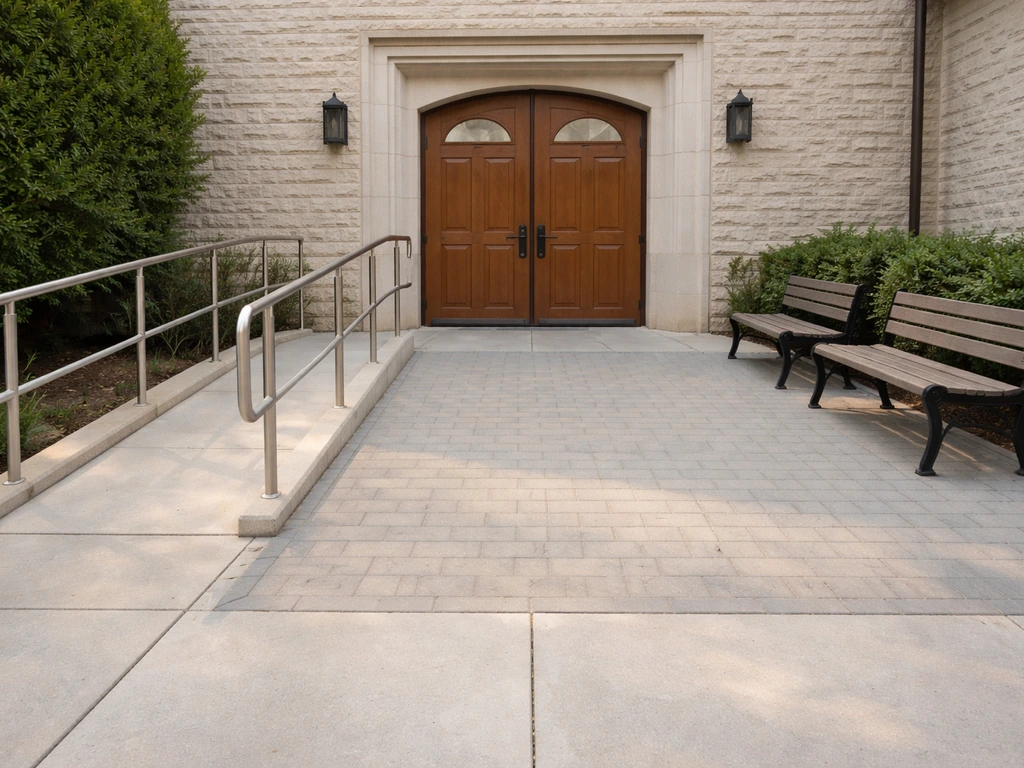
Church patios vary in size and configuration, but a few layout patterns show up consistently across different denominations and building types.
- Entrance/foyer transition patio: A paved pad directly outside a main entrance door, often with benches or planters, used for greeting arrivals and directing foot traffic. This is common at front or side entrances.
- Fellowship hall extension patio: A patio abutting the fellowship hall or social hall, sometimes accessible via sliding or French doors. This is probably the most common layout and is purpose-built for post-service coffee and mingling.
- Campus connector patio: A paved walkway/pad between two buildings, such as the sanctuary and the education wing. It functions as both circulation and informal gathering space.
- Garden or memorial patio: A patio integrated into a church garden, often with stone benches, a fountain, or plantings around the edges. One church example includes a brick patio outside the fellowship hall entrance adjacent to a circular worship area and a pond.
- Event overflow patio: A larger, open paved area that can hold chairs or tables for outdoor receptions, ceremonies, or overflow seating from an indoor service.
In terms of materials, you will most often see concrete slabs, brick pavers, or natural stone. Some larger church campuses use stamped or colored concrete to define the space visually. Partial shade structures, pergolas, or canvas canopies are common additions, especially in warm climates. A few church patios include water features like fountains. Sliding glass doors that open directly from an interior hall onto the patio are a very common design cue and are worth noting when you review floor plans or visit the property.
Why churches use patios: the real functions
Church patios serve more purposes than a typical residential patio, and understanding those functions helps you interpret what a listing or sign is telling you about how the space is actually used day to day.
- Post-service fellowship: The most common use. Refreshments and social conversation happen on the patio immediately after a service. You will see churches explicitly scheduling "refreshments and fellowship on the patio" as a regular weekly program item.
- Overflow event space: For weddings, memorial services, receptions, and large gatherings, the patio extends the capacity of the indoor hall. Church rental venues routinely list the patio as an additional event area alongside the fellowship hall.
- Accessible entry and circulation: Patios create a smooth, level route between a parking area or accessible drop-off point and the building entrances, which matters significantly for ADA compliance and general accessibility.
- Outdoor ceremonies and programming: Easter sunrise services, outdoor baptisms, garden weddings, and seasonal events like summer fellowship series are all commonly held on a church patio.
- Coffee and welcome station: Many congregations set up a welcome or hospitality table on the patio before services, making the space the first point of contact for visitors.
- Facility rental to outside groups: A number of churches offer their patio as part of a rentable venue package, making it a community resource beyond the congregation itself.
The seasonal dimension matters too. Church patios are most actively programmed in spring and summer, and you will often see phrases like "Summer Patio Fellowship" in church communications. In colder climates, the same space may sit unused most of the year or be partially covered by a temporary canopy structure during shoulder seasons.
Regional and cultural naming differences
The word "patio" itself comes from Spanish and originally referred to an inner courtyard of a house or building, especially in Spanish and Latin American architecture. In that original sense, a patio was enclosed and interior-facing, closer to what English speakers would now call a courtyard. In contemporary American English, the meaning shifted to mean any ground-level paved area adjacent to a building, open or semi-open, and that is the dominant meaning you will encounter in U.S. property listings and church signage today.
In British English, the same space is often called a terrace, even when it is at ground level and not technically elevated. So a church in the U.K. might refer to its paved outdoor gathering area as a terrace or a forecourt rather than a patio. In Australian and New Zealand usage, you will often hear "courtyard" used where Americans would say "patio," particularly for enclosed or semi-enclosed spaces. In South Asian contexts (Indian, Pakistani), the equivalent outdoor church area might be referenced as a "compound" or "forecourt" in English, or described using local architectural terms.
If you are researching a listing for a property in a predominantly Spanish-speaking community, you may encounter "patio" used in its original Spanish sense, meaning a more enclosed courtyard-style space. The sibling topic "o patio do tabernaculo" (Portuguese for the courtyard or patio of the tabernacle) illustrates how in religious architectural contexts outside North America, "patio" can carry a specifically enclosed, ceremonial meaning rooted in biblical and historical temple architecture. Being aware of this distinction prevents misreading a listing that uses the term in a culturally specific way.
How to identify a church patio from a listing or during a walkthrough
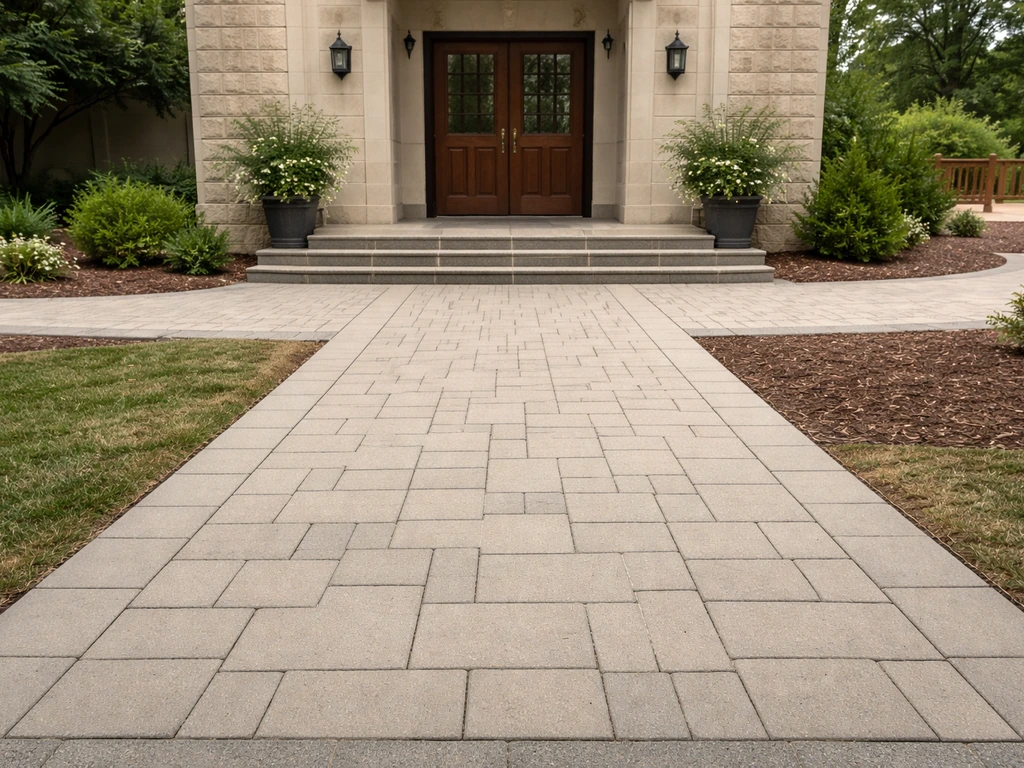
If you are reviewing photos, a floor plan, or walking through a church property, here are the practical signals that confirm you are looking at a patio rather than a porch, deck, or courtyard:
- Ground level: The surface is flush with or just barely above the surrounding grade. No significant steps up to reach it from outside, and no elevation above grade level beyond a single low step.
- Hard paving: Concrete, brick pavers, tile, or natural stone. If it is grass, gravel, or bare dirt, it is not a patio in the formal sense.
- Direct building access: It connects directly to at least one door, most commonly a fellowship hall door, a side entrance, or a main foyer exit.
- No full overhead roof: A patio may have a partial pergola, shade structure, or canopy, but it is not fully enclosed by a roof the way a porch or veranda is. If it has a complete roof, it is more accurately a covered porch or breezeway.
- Furnishing and programming cues: Outdoor chairs, tables, planters, a serving table or coffee station setup, or a portable canopy indicate active patio use.
- Labeled on floor plans: Church floor plans and site maps often label the space explicitly as "patio," "outdoor patio," or "patio area." Look for it between or adjacent to major indoor social spaces like the fellowship hall or narthex.
When reviewing listing photos, a common visual cue is sliding glass doors visible on an exterior wall, with a paved surface immediately outside. That pairing almost always indicates a patio. If the space has walls on two or three sides formed by building wings, it may be described interchangeably as a patio or courtyard patio, and both descriptions are accurate.
The distinction between a back patio and a church patio is mainly about ownership and use context: functionally they are the same type of structure, but the church version serves a communal, semi-public purpose rather than a private residential one.
If you are trying to interpret back patio meaning, the key idea is the same as with a church patio: it refers to a hard-surfaced outdoor area adjacent to the building, but the “back” usually describes where it sits relative to the main entrance.
Property and real estate implications: access, rules, and usability
If you are evaluating a church property (buying, leasing, or renting for an event), the patio entry in the listing has several practical implications worth thinking through before you commit.
Access and ownership
Church patios are typically common-use spaces belonging to the church property as a whole, not a separate parcel or private outdoor area. If you are purchasing the property, the patio comes with it. If you are renting the facility for an event, confirm explicitly whether patio access is included in your rental agreement, because some churches list the patio as a separate line item in their fee schedule. Churches that offer facility rentals to outside groups often include the patio as part of a venue package alongside the fellowship hall, but that is not universal.
Usage rules and scheduling
Church facility use policies almost always designate outdoor spaces including the patio as specific resource areas with their own rules. Common restrictions include noise limits, cleanup requirements, no permanent alterations to the surface, restrictions on open flames or cooking equipment, and scheduling conflicts with regular church programming. If the patio is listed as an available event space, expect to sign a facility use agreement that covers those points. Some church policies also address operating hours for the outdoor areas, which matters if you are planning an evening event.
Safety and maintenance considerations
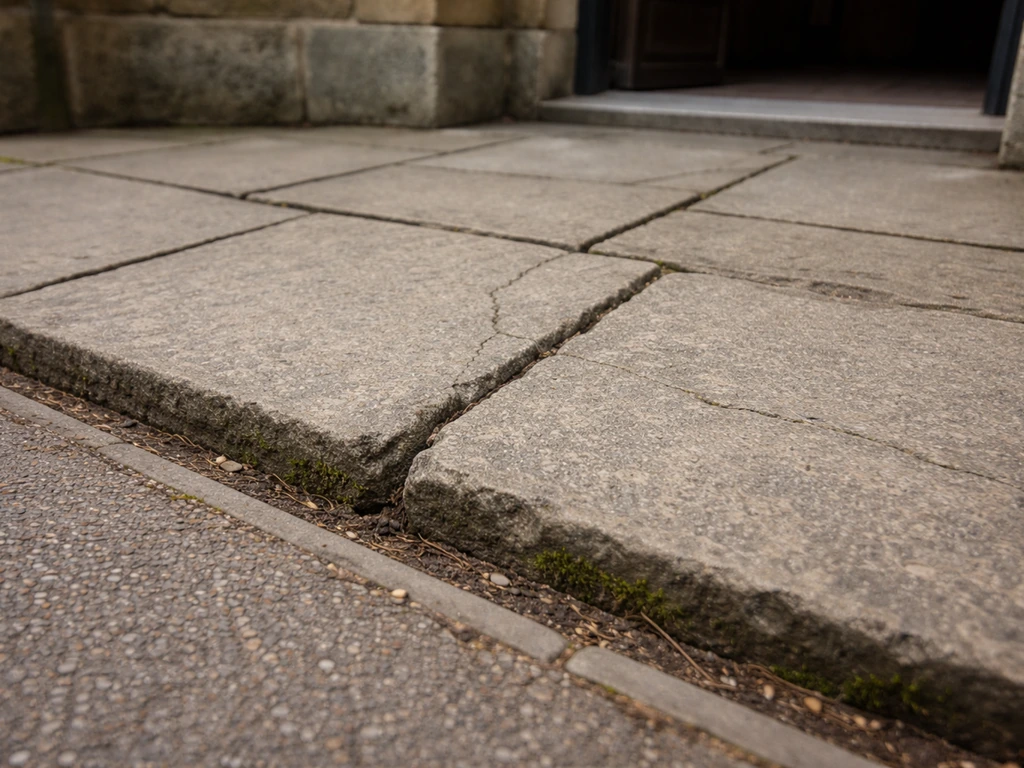
When walking a property, check the paving surface for cracks, uneven slabs, or trip hazards, especially near entry doors where foot traffic is concentrated. Drainage is another practical concern: a patio with poor grading will pool water after rain, which creates both a slip hazard and long-term surface damage. If the patio includes a fountain or water feature, ask about maintenance responsibility and seasonal winterization. Exterior lighting on and around the patio is important for evening events and general safety, so check whether the existing fixtures are adequate for the uses you have in mind.
What the patio signals about the property overall
A well-maintained, clearly labeled patio on a church property listing generally signals that the congregation or previous owner invested in outdoor programming and event capacity. It adds functional square footage that does not appear in the building's interior square footage figure. For buyers or long-term tenants, a patio in good condition near a fellowship hall is a meaningful amenity: it extends the venue's event capacity, supports accessible entry routes, and gives you an outdoor space that can be programmed year-round in mild climates. For short-term renters evaluating the space for a single event, the patio is worth visiting in person rather than relying solely on listing photos, since surface condition, sun exposure, neighboring noise, and actual dimensions are hard to judge from a picture alone.
FAQ
Is a “church patio” ever a private backyard space for a single family or household?
Usually it is not the same as a private residential patio. On a church campus, the “church patio” is commonly a shared, communal outdoor area owned and managed by the church, and it may be included in the overall facility rental package rather than treated like a separate, privately controlled backyard amenity.
If the listing mentions a patio, does that always mean event guests can access it during a rental?
Yes, sometimes patio access is restricted by policy even if it is shown on photos. For rentals, ask specifically whether guests can use the patio during the full event window (including setup and cleanup), and whether certain areas are off limits due to ongoing ministry activities.
How can I tell whether a church listing is describing a patio or a courtyard (or forecourt)?
Look for the patio function in the wording. “Courtyard” generally signals enclosure by walls or heavy building wings, “forecourt” often points to a public-facing entry area, and “patio” more often means an adjacent paved pad. If the description includes both, you may be dealing with a paved area that is partially enclosed, so confirm by checking whether walls or permanent fencing create an enclosed feel.
When a listing says “patio,” does it include things like shade structures, fountains, or outdoor fixtures?
In listings, a patio can include more than just flat paving. It may be bundled with attached elements like a pergola, shade structure, outdoor fountain pad, or a dedicated grilling area, sometimes covered by a separate line item. Ask what is included in the patio boundary and whether those features are usable for your event.
Will a church patio be usable year-round, or does weather typically limit it?
Even if it is labeled “outdoor,” the patio may have limited usability in certain seasons. Ask whether it is fully uncovered, partially covered, or has temporary canopy options, and whether the church will allow any additional temporary coverings you might need.
What visual clues best confirm that it is a patio meant for gatherings, not just a walkway?
Check the exact location of exterior doors. A true patio often shows doorways like sliding glass doors or adjacent exterior entrances that open directly to the paved surface. If you see a paved area but no practical connection from the main interior spaces, it may function more like a walkway than a true gathering patio.
What should I inspect to avoid trip hazards and drainage problems on a church patio?
Paved patios can still be uncomfortable or unsafe without the right conditions. Ask about drainage grading, recent resurfacing, the presence of any uneven slab sections, and whether there are safe paths for mobility devices from parking to the patio.
If I’m planning an evening event, what patio-related details should I ask about (lighting or power)?
Yes, lighting and power access can matter. For evening events, ask whether there are exterior light controls and whether any outlets or permitted power sources exist nearby for music, catering equipment, or photography lights.
What common facility-use rules apply to church patios, and what should I clarify in advance?
Because patio use is often governed by written policies. Ask about noise limits, cleanup responsibilities, restrictions on open flames or cooking appliances, and whether there are rules about decorations, tape, stakes, or temporary furniture placement.
Is the patio included in the venue’s stated capacity and event size, or treated separately for planning?
It can be, and it can also be restricted by capacity planning. Ask the maximum occupancy for outdoor gatherings if the church provides it, and confirm whether the patio is included in total event square footage or counted separately for egress planning.
Next Article
Private Patio Meaning: How to Tell If It’s Truly Private
Clear private patio meaning and checklist to verify exclusive use, access, boundaries, and privacy in listings.