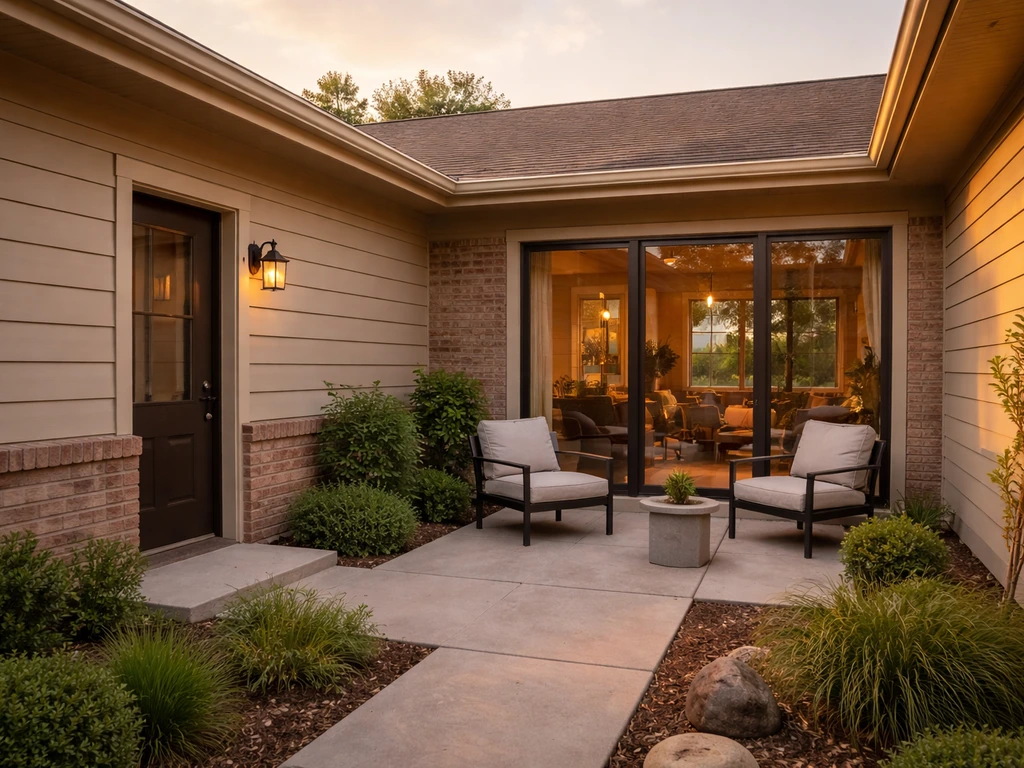
A patio apartment is most similar to a ground-floor flat or lower-level unit with direct private outdoor access. Think of it as the apartment version of a patio home: you get a defined outdoor space right outside your door, usually at grade level, that is described as yours to use even if the surrounding landscaping is shared. In practice, it sits somewhere between a basic apartment (no private outdoor space) and a patio home (a single-family or attached dwelling), and understanding that middle ground is exactly what this guide covers.
Patio Apartments Are Similar To: Key Differences Explained

Ada Hollis
13 Jun 2026
What a patio apartment usually means
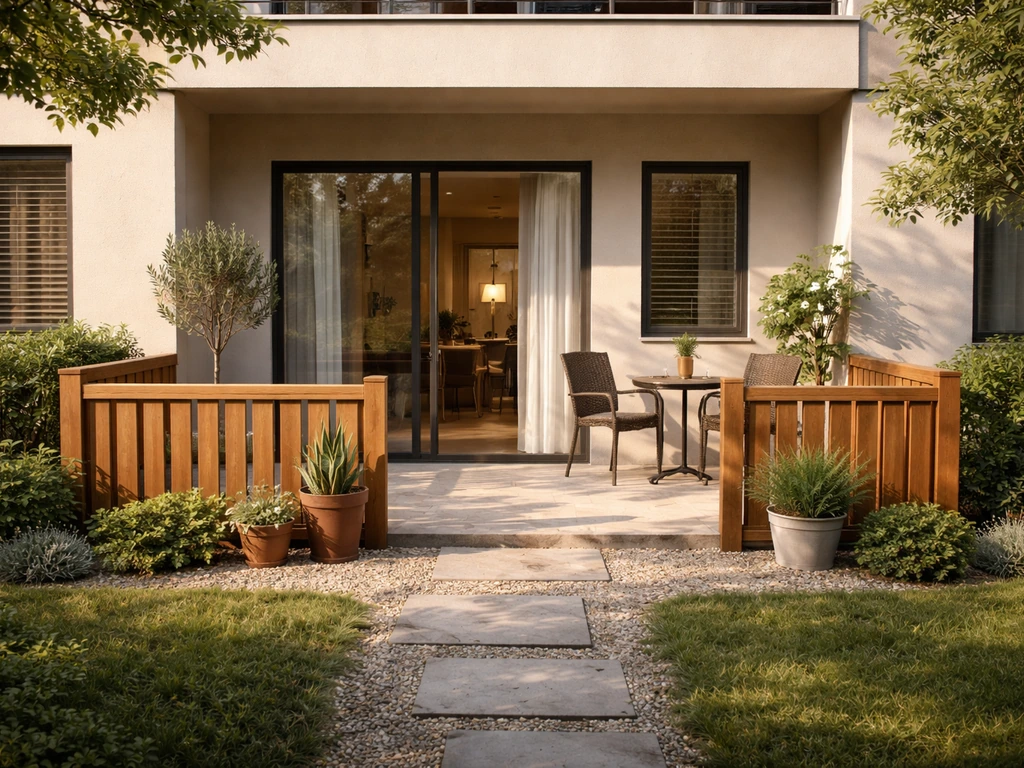
In US and UK listings, "patio apartment" almost always refers to a multi-unit residential property, typically on the ground floor or lower ground level, where the unit has direct access to an outdoor patio area. Listings commonly describe this as a "private patio" or "private patio/garden area," sometimes with exact dimensions listed (a London listing might read "private patio/garden area measuring 20'3 x 14'6"). That specificity matters: it signals the space is being marketed as genuinely usable, not just a token strip of concrete.
HUD-related housing guidance treats "patio apartment" as a distinct dwelling unit type alongside townhouses and villas, which tells you it is taken seriously as a formal category in housing discussions, not just loose marketing language. That said, there is no single universal legal definition, and usage varies by region. In the US, a "patio home" is generally a single-family or zero-lot-line dwelling, while a "patio apartment" is a unit within a multi-unit building. The two are related concepts but not interchangeable.
The key practical point: when you see "patio apartment" in a listing, you are most likely looking at a ground-floor unit where the patio is either a limited common element (exclusive use, but technically part of common property in a condo or HOA community) or a clearly demarcated private area. Either way, you need to verify how that space is classified in the lease or condo declaration before assuming it is fully yours to control.
How patio apartments compare to porches, balconies, verandahs, and terraces
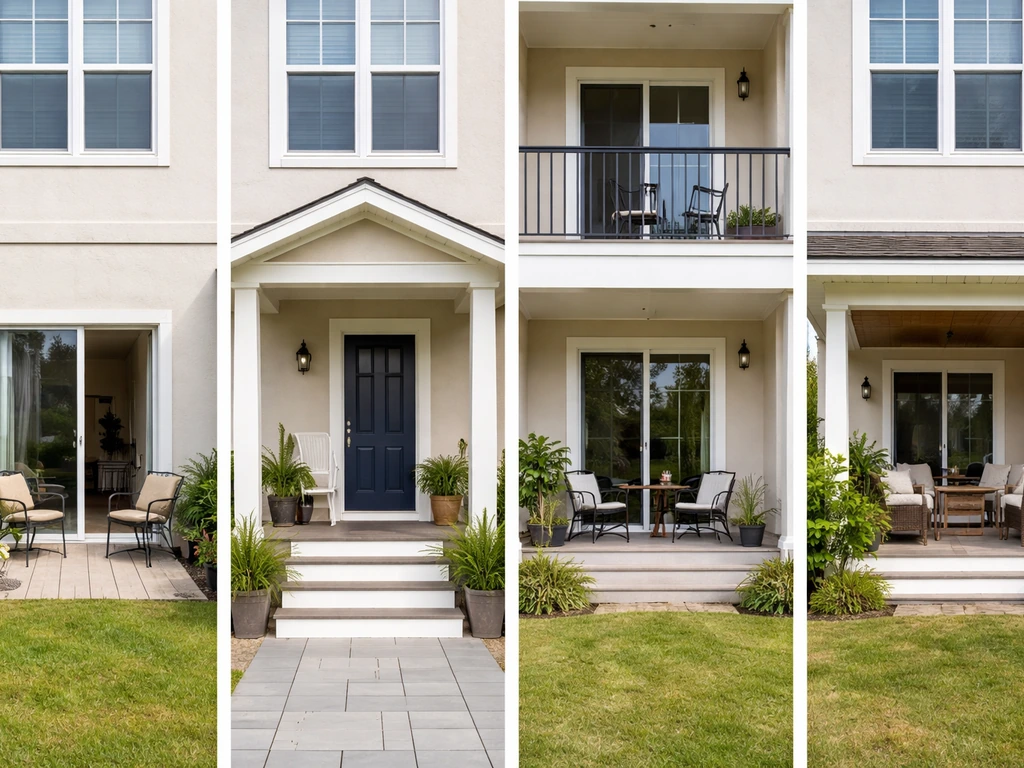
The confusion around patio apartments usually comes from mixing up several related terms that appear in real estate listings. Each one describes something slightly different in terms of location, elevation, coverage, and how the space functions for daily living. Here is a plain-English breakdown of where a patio apartment's outdoor space sits relative to all of them.
| Space Type | Typical Location | Roofed? | Elevation | Private or Shared? | Common Use in Listings |
|---|---|---|---|---|---|
| Patio (apartment) | Ground/lower ground floor, directly off unit | Usually open-air | At grade | Exclusive use, often a limited common element | Patio apartment, private patio, patio/garden |
| Porch | Front or rear of building, at entry level | Usually roofed | At grade or one step up | Typically unit-specific or shared entry | Covered porch, front porch, rear porch |
| Balcony | Attached to upper-floor unit | Open-air, no roof | Elevated above grade | Unit-specific | Juliet balcony, private balcony |
| Verandah/Veranda | Along exterior of building, often wraparound | Roofed | At grade or slightly raised | Can be private or shared depending on building | Wrap-around veranda, covered veranda |
| Terrace | Rooftop or elevated platform | Open-air | Elevated, sometimes rooftop | Shared or private depending on building | Roof terrace, private terrace |
| Courtyard | Interior or semi-interior open space | Open-air | At grade | Often shared among multiple units | Courtyard apartment, shared courtyard |
The clearest distinction is elevation. A patio is on the ground. A balcony is up in the air. A terrace can be either, but in most modern listings it skews toward rooftop or upper-level. A porch sits at or near the entry. A verandah is essentially a grander, roofed version of a porch. And a courtyard is typically a shared open space that multiple units face onto, rather than a private extension of one unit.
Patio apartment vs porch: access, privacy, and building entry
A porch is architecturally tied to a building's entry point. It is usually roofed, open-sided, and functions as a transitional space between the outdoors and the interior. When you walk up to a house or apartment building and there is a covered landing before the front door, that is a porch. Its primary job is building entry, not outdoor living.
A patio apartment's outdoor space is different in two important ways. First, it is generally accessed from inside the unit, often through sliding glass doors or a rear/side exit, rather than being the primary entry point to the building. Second, it is designed for outdoor living: sitting, dining, container gardening, relaxing. It is not a transitional space; it is a destination space.
Privacy is also handled differently. A porch, especially a front porch, is visible from the street and is openly associated with building access. Anyone approaching the building passes through or near it. A patio in a patio apartment is more commonly tucked at the rear or side of the building, often screened by fencing, walls, or landscaping, making it genuinely private in a way a front porch rarely is. If privacy matters to you, this distinction is worth pressing on during a viewing: ask which direction the patio faces, what separates it from neighboring units, and whether passersby have a sightline into the space.
Patio apartment vs balcony: elevation, safety, and noise/light differences
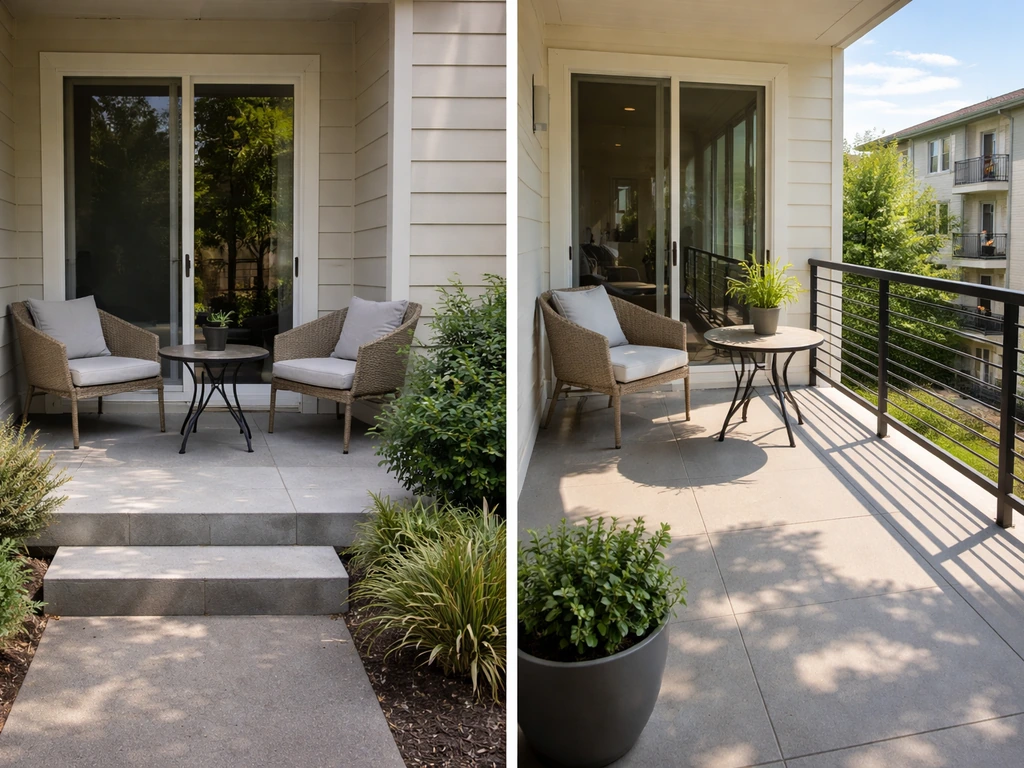
The most common point of confusion in listings is between a patio and a balcony. Both are marketed as private outdoor features attached to a unit, but they are structurally and functionally quite different. A balcony is an elevated platform projecting from an upper-floor unit, enclosed by a railing. A patio is at ground level with no elevation and, typically, no railing.
That elevation difference has real implications. Balconies come with safety code requirements: in Texas, for example, state health and safety statutes specify minimum requirements for balcony railing enclosures. If you are viewing a unit with a balcony and the railing looks damaged or incomplete, that is a structural and legal issue, not just a cosmetic one. Ground-level patios do not carry the same railing requirements, but they do present different safety considerations, particularly around security: a ground-floor patio is accessible from outside in a way that an upper-floor balcony is not.
Noise and light also behave differently depending on which you have. Balconies on upper floors tend to get more direct sunlight, better airflow, and less street-level noise. Ground-floor patios can feel more sheltered but may also catch more foot-traffic noise from communal areas and have less natural light if surrounded by fencing or adjacent buildings. Neither is objectively better, but knowing which you prefer before you tour makes a big difference in how you evaluate a listing.
Patio apartment vs courtyard and shared outdoor spaces: who controls and maintains
This is where things get genuinely complicated, and where I see the most frustration from renters and buyers who did not ask the right questions upfront. A courtyard is typically a shared outdoor space that multiple units face onto or access collectively. A patio in a patio apartment is supposed to be private, but in practice the line between the two is sometimes blurrier than the listing implies.
UK listings frequently describe a setup where a unit has a "private patio" that sits adjacent to or within communal gardens. For example, the Cedar Court listing language reflects this common UK pattern of a ground-floor patio apartment with direct access to an outdoor area marketed as a private patio [UK listings frequently describe a setup where a unit has a "private patio" that sits adjacent to or within communal gardens. ](https://www. kwuk.
com/property/cedar-court-heathlands-close-sunbury-on-thames-tw16/). The patio is exclusive-use, the surrounding garden is shared. That arrangement is common and perfectly functional, but it only works smoothly if the boundary between the two is clearly defined in the tenancy agreement or the building's legal documents. There are documented cases where a tenant moved in expecting a private patio and was later told by the agent or landlord that the space was actually communal.
That kind of dispute is avoidable if you get the boundary in writing before signing.
In condo and HOA settings in the US, patios and courtyards attached to ground-floor units are frequently classified as "limited common elements. An HOA rules and regulations booklet from Quail Ridge Recreational and Community Associations provides an example of courtyard areas being treated as [limited common elements](https://www. quailridgecc. com/files/QR%20Recreational%20%20Community%20Rules%20%20Regulations.
4. 24. 23. small%20booklet.
pdf) reserved for exclusive use by a particular unit. " This is a specific legal designation meaning the space is part of the common property of the development but reserved for the exclusive use of your unit. It sounds like ownership but it is not. In many declarations of condominium, the unit owner is responsible for day-to-day maintenance of the patio (cleaning, upkeep of surfaces), while the HOA retains responsibility for structural repairs and the right to approve modifications.
That split can catch people off guard, especially if they assumed a "private patio" meant they could do whatever they liked with it.
HOA rules around limited common elements can also restrict what you place on the patio. Some communities require association approval before you add a pergola, plant a raised garden bed, or even put out certain types of furniture. If outdoor living freedom is important to you, read the HOA's rules and regulations carefully before committing, not after.
How to evaluate a patio apartment listing before you sign
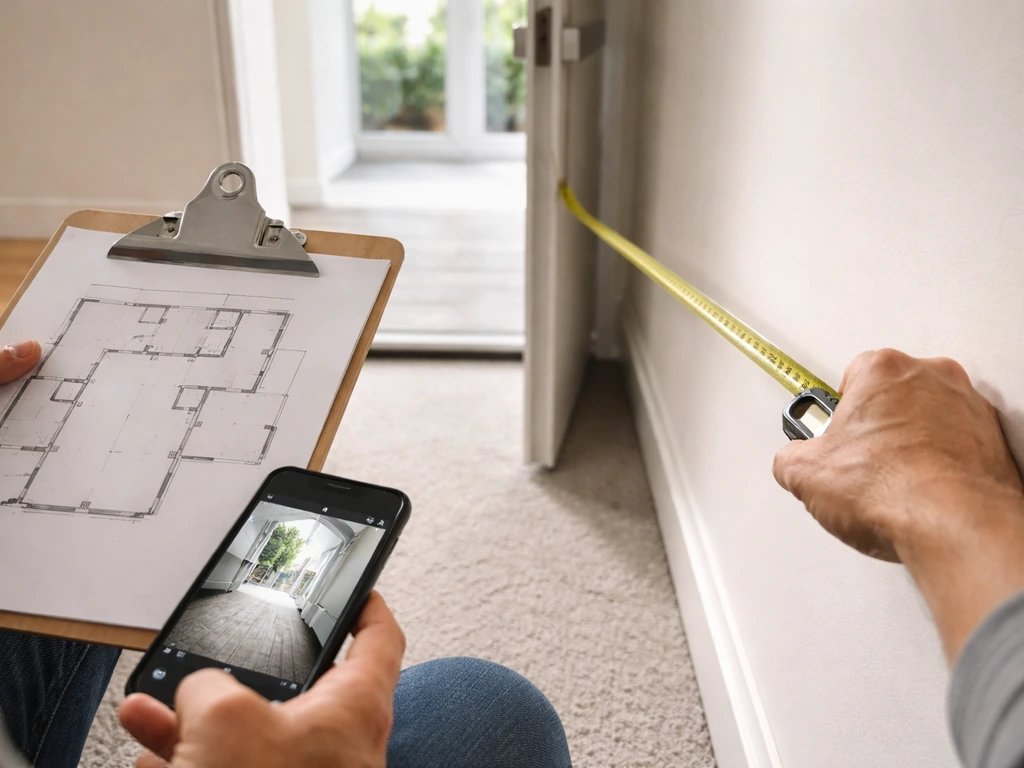
Whether you are renting or buying, there is a short checklist of things to confirm about any listing that uses "patio," "private patio," or "patio apartment" language. Getting clear answers to these before the viewing or before signing will save you a lot of frustration later.
Questions to ask the agent or landlord
- Is the patio exclusively for this unit's use, or can other residents access it?
- What are the exact boundaries of the private patio space, and are they shown on the floorplan or lease plan?
- Is the patio a limited common element (in a condo/HOA), or is it fully private land belonging to the unit?
- Who is responsible for maintenance, repairs, and surface upkeep of the patio?
- Are there HOA or building rules about what I can place on or do with the patio?
- Does the patio have any access from outside the building (a gate, alley access, shared path)?
- Which direction does the patio face, and what is the sun exposure like in morning and afternoon?
- Are there any ongoing repair issues with the patio area (drainage, fencing, surface condition)?
What to check in the lease, listing, or condo declaration
- Look for the patio to be explicitly named or described in the lease or title documents, not just in the marketing listing.
- In a condo or HOA purchase, find the section of the Declaration of Condominium that defines limited common elements and confirm whether the patio is included.
- Check the HOA maintenance matrix or rules document to see who pays for what when it comes to patio repairs.
- If you are renting in the UK, ask to see the title register or Land Registry plan showing the patio boundary, especially if there is any ambiguity about shared vs. private status.
- Look for any language in the HOA rules about modifications, approvals, or restrictions on exclusive-use outdoor areas.
- If communal gardens are adjacent to the private patio, confirm the exact dividing line and whether either party's access overlaps.
Red flags to spot during a viewing
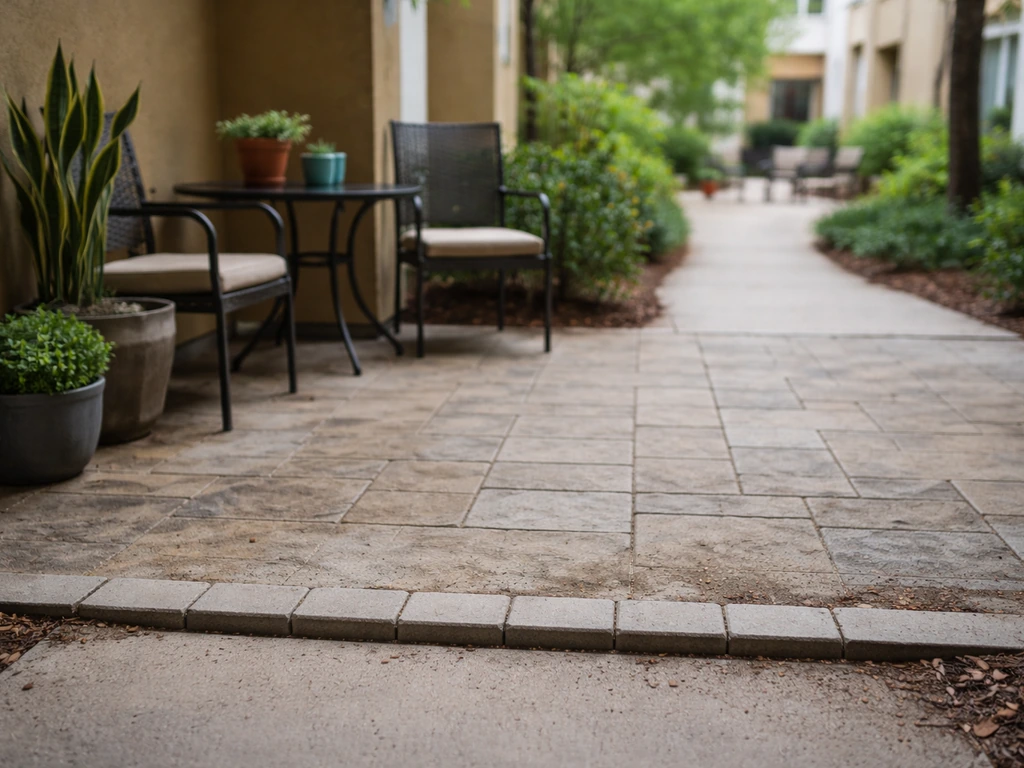
- The patio boundary is unclear or unmarked: no fence, wall, or physical demarcation separating it from communal space.
- The agent is vague about who else uses the patio or says it is "semi-private" without clear documentation.
- Visible damage to patio surfaces, fencing, or any raised structures, with no clear answer about who will fix it.
- A gate or opening from the patio to a public path or alley with no secure lock, raising security concerns for a ground-floor unit.
- The patio gets little to no natural light because it is enclosed by tall fencing, adjacent buildings, or overhanging vegetation.
- No written confirmation that the patio is included in the lease or title, despite the listing using it as a selling point.
A patio apartment can be a genuinely excellent living situation, particularly if you want outdoor space without the maintenance commitment of a full garden or the altitude of a balcony. Are patios a good investment depends largely on how exclusive the space is and what maintenance costs you will be responsible for patio apartments. Exploring the benefits of a patio can help you judge whether a patio apartment’s outdoor space fits your lifestyle and daily needs.
So if you are wondering, “are patio homes a good investment,” the same due-diligence mindset applies: confirm what you truly control and how the community maintenance responsibilities are split. Because patio value can vary by location and property type, it is worth treating the outdoor space as a feature to assess during your viewing.
The outdoor living advantages are real, and from a property perspective, private outdoor access at ground level is a meaningful amenity that can support both rental appeal and resale value. But the term covers a lot of variation in practice, and the gap between what a listing implies and what a lease or HOA document actually grants can be significant.
Doing this due diligence upfront is the straightforward way to make sure the patio you viewed is the patio you actually get.
FAQ
If a listing says “private patio,” does that mean I own it or just get exclusive use?
Confirm whether the patio is exclusive-use, limited common property, or fully common. In many condo and HOA setups, it is not “owned,” even if it is “yours to use,” and that affects what you can change (structures, landscaping, flooring) and who is responsible for repairs.
How do I verify exactly where my patio’s exclusive boundary is and who maintains it?
Ask for the boundary description in writing, such as where the exclusive-use area starts and stops (to fences, hedges, walls, or building lines). Also ask who controls maintenance and repairs along the boundary, since it can shift responsibility at fence posts, retaining walls, or shared landscaping edges.
What patio upgrades commonly require HOA or landlord approval?
Look specifically for provisions on decking, pergolas, privacy screens, awnings, outdoor kitchens, and raised beds. Many HOAs treat these as “improvements” requiring written approval, and some ban hardscape changes or limit plant types, height, and placement within the limited common area.
What should I look for in documents to avoid getting fined or told to remove items later?
Request a copy of the HOA rules and the condo declaration, and then check for any rules that apply to “limited common elements,” including hours for outdoor use, noise limits, and restrictions on grills or fire pits. The key is that patio-specific rules may be stricter than the general community rules.
Can my patio access be taken away, even if I’m shown the patio during tours?
For rental units, confirm whether the patio access is truly granted with the lease, and whether there is any scenario where the landlord can revoke access (for repairs, landscaping changes, or reconfiguration). For ownership, confirm if the patio area can be reassigned or altered by the HOA with notice and approvals.
What security checks matter most for a ground-floor patio apartment?
Inspect how the patio is physically protected, especially locks on sliding doors and lighting along access paths. A ground-level patio can feel private, but it can also be easier for someone to reach from communal areas, so check sightlines, gates, and whether neighbors have direct routes to the patio door.
If a listing provides patio measurements, how can I tell whether it is actually usable space?
Treat the listing’s dimensions as informational, then verify usability. Ask about the usable cleared area after fencing, planters, and fixed fixtures (A/C units, utility boxes). Sometimes the posted measurements include offsets that reduce the actual seating or dining space.
What drainage and water issues should I check on a patio apartment?
Ask whether the patio has dedicated drainage, whether gutters downspouts discharge onto the patio area, and who handles leaks or water pooling. In ground-floor setups, poor drainage can create issues like damp floors, mildew, or staining that becomes a dispute about maintenance responsibility.
Who pays for patio repairs in a condo or HOA, especially for cracks, pavers, or surface damage?
Request confirmation of maintenance split for day-to-day and structural items: who cleans surfaces, who replaces cracked pavers or slabs, and who repairs borders, retaining walls, or irrigation lines. The practical goal is to prevent “you vs HOA” arguments when wear and tear happens.
When choosing between a patio apartment and a balcony unit, what tradeoffs should I prioritize?
If you are comparing to a balcony unit, compare sunlight patterns, street-level noise, and privacy, but also compare safety and access. A balcony may require stricter railing compliance, while a patio’s tradeoffs are often foot-traffic noise and security at ground level.
Next Article
Benefits of a Patio Home: What to Expect and How to Decide
Learn benefits of a patio home: lifestyle flow, comfort, resale appeal, plus tradeoffs, checklist, and tour red flags.