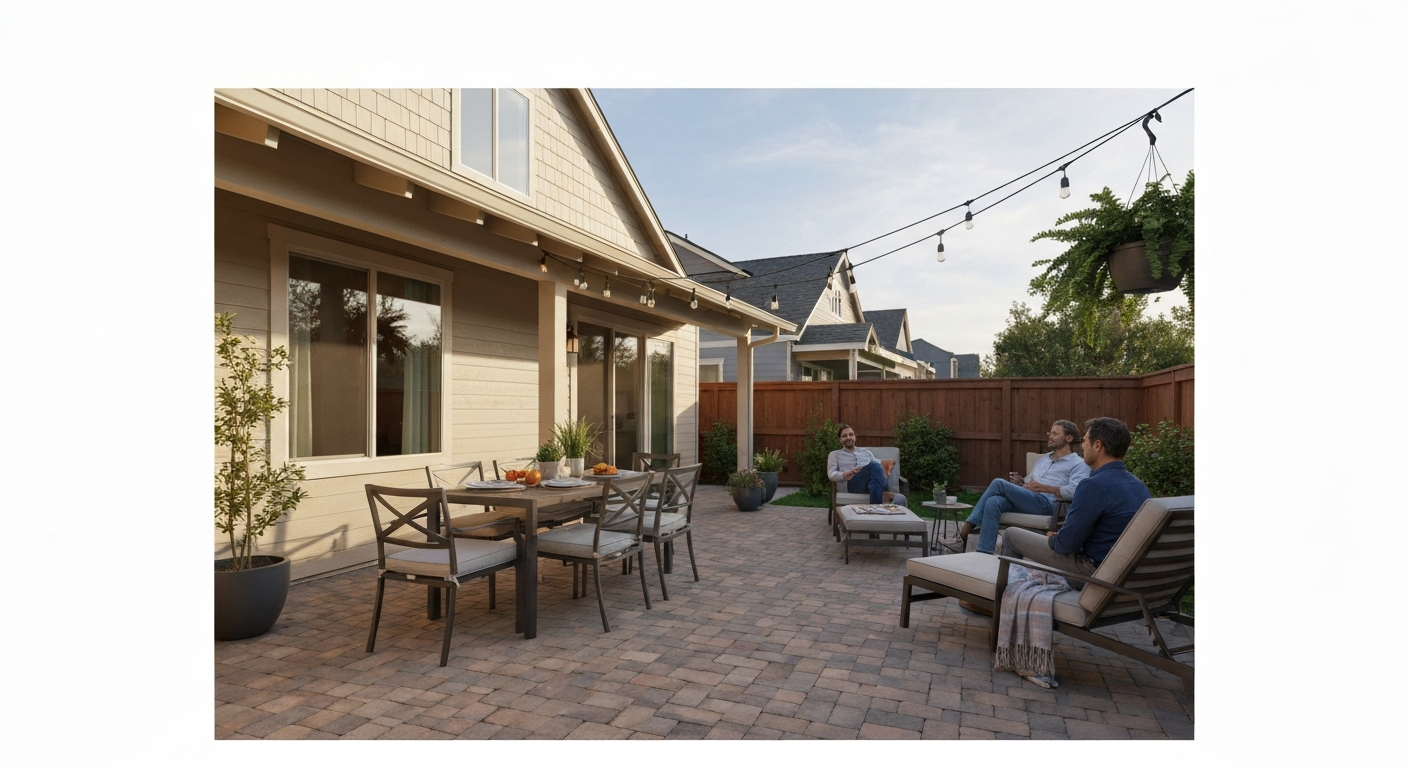
A patio home gives you single-level living, a private outdoor space, and far less upkeep than a traditional detached house, which is exactly why they appeal to downsizers, busy families, and mobility-conscious buyers alike. But the term is used loosely in real estate listings, so knowing what you are actually buying, and whether the specific benefits match your lifestyle, takes a bit of digging. Here is a practical breakdown of everything you need to know before you decide.
Benefits of a Patio Home: What to Expect and How to Decide

Ada Hollis
8 Jun 2026
What "patio home" actually means (and why the name is confusing)
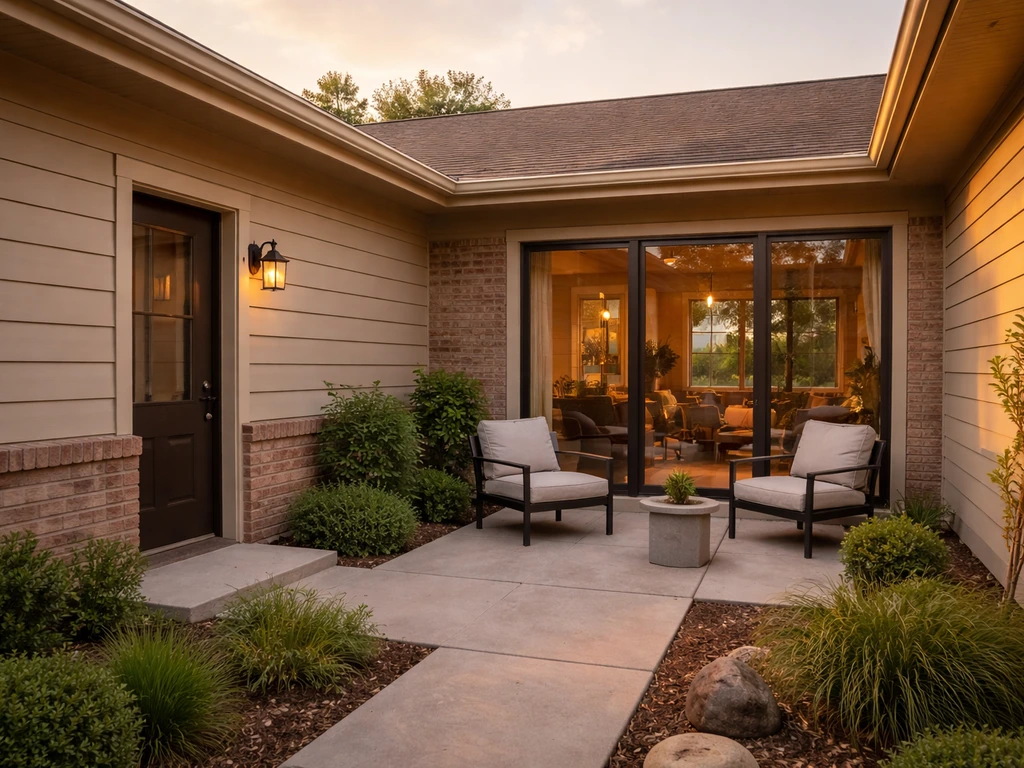
In US real estate, a patio home is typically a single-story or one-and-a-half-story attached house built on a very small lot, often right up against the lot boundary. This design is called zero-lot-line, meaning the home sits close to or directly on one side of the property line, and the usable outdoor space is usually a private courtyard, enclosed patio, or small garden rather than a sprawling yard. The same type of home gets marketed under a handful of different names depending on the region and developer: garden home, courtyard home, cluster home, garden villa, club home, and sometimes cottage home. There is no single legal definition that applies everywhere, so two listings in different cities can use the same label for noticeably different products.
The outdoor space itself is worth clarifying, because this is where a lot of buyer confusion happens. The patio attached to a patio home is a ground-level, hard-surfaced outdoor area, usually paved or tiled, directly accessible from the main living area.
That is different from a porch, which typically has a roof and is structurally attached to the front or rear of the house; a balcony, which is an elevated platform projecting from an upper floor; or a verandah, which wraps around the exterior and is always covered. A courtyard is enclosed on multiple sides, often by walls or the building itself. Many patio homes incorporate courtyard-style layouts, which is why the "courtyard home" label shows up so often in listings.
Knowing these distinctions matters when you are comparing listings, because a home marketed as a patio home may not have what you picture as a patio at all.
One more distinction worth knowing: a patio home differs from a condo in how ownership usually works. Patio home owners typically own the ground under their unit and the building exterior, including things like fences, walkways, and sometimes porches. Condo owners usually own only the interior space. That ownership difference affects both your flexibility and your maintenance responsibilities, which we will get to shortly.
The everyday lifestyle benefits that make patio homes appealing
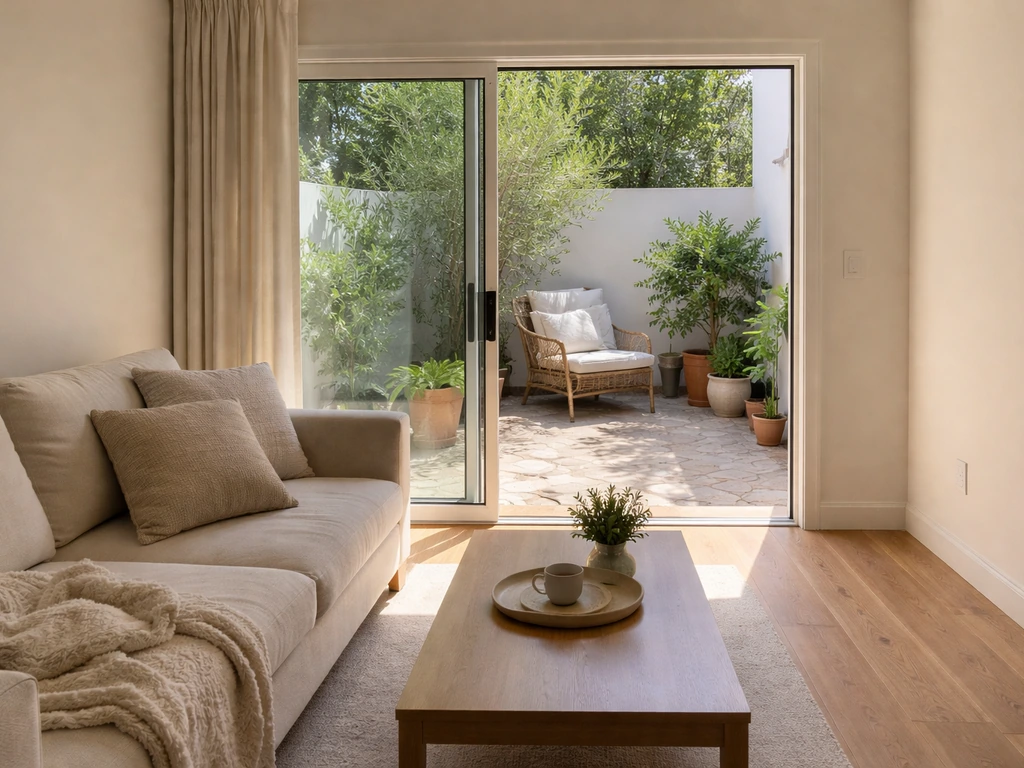
The single biggest lifestyle draw is the ground-level indoor-outdoor connection. Because the patio or courtyard is right off the main living area, you actually use it. There are no stairs to navigate, no awkward transitions, and no reason to plan a trip outside like you would from a second-floor apartment. That physical accessibility changes how you interact with your outdoor space on an ordinary Tuesday, not just on a weekend when you are motivated to entertain.
Patio homes are also genuinely easier to maintain than a traditional single-family detached house with a large yard. The zero-lot-line layout means you have less grass to cut, fewer beds to tend, and a smaller exterior envelope to maintain. For people who want outdoor living without weekend-consuming yardwork, this tradeoff is a real benefit. The compact footprint also tends to mean lower heating and cooling bills, which matters especially for buyers moving from a larger home.
Entertaining is another area where patio homes punch above their weight. An enclosed courtyard or private patio creates a contained, comfortable space for small gatherings without requiring a large open yard. Many patio home layouts place the patio at the center or rear of the home in a way that offers surprising privacy for guests, even in a community with neighbors nearby.
Property value, curb appeal, and resale
Patio homes tend to hold their value well in markets where low-maintenance, accessible living is in demand, and that demand has been growing steadily as the population ages and urban land gets more expensive. The compact footprint and community setting also keep price points relatively accessible compared to detached single-family homes in the same area, which broadens the buyer pool at resale time. A wider buyer pool generally supports price stability.
Curb appeal in a patio home community benefits from shared landscaping and consistent exterior standards, often enforced by an HOA. That consistency can make a community look well-kept even when individual owners are not especially focused on their exteriors. On the flip side, you have less control over neighbors' upkeep. If you are curious about how outdoor spaces generally affect property value, that is a closely related question worth exploring alongside this one. Zillow Research uses ZHVI as a measure of typical home values and market changes by region and housing type, including separate series for single-family and condo/co-op homes outdoor spaces generally affect property value.
From a pure investment standpoint, patio homes are not a guaranteed appreciation play, but they are not a risky niche either. They occupy a durable middle market between condos and detached houses, and communities built with quality materials and reasonable HOA oversight have a track record of retaining desirability over time. If you are asking whether patios are a good investment, focus on local resale demand, HOA rules, and how well the patio space is maintained over time are patios a good investment. Whether a patio home is a good long-term investment depends heavily on the specific community, local market conditions, and HOA financial health, all of which you can evaluate before buying.
Who benefits most: downsizers, families, renters, and mobility-conscious buyers
Downsizers
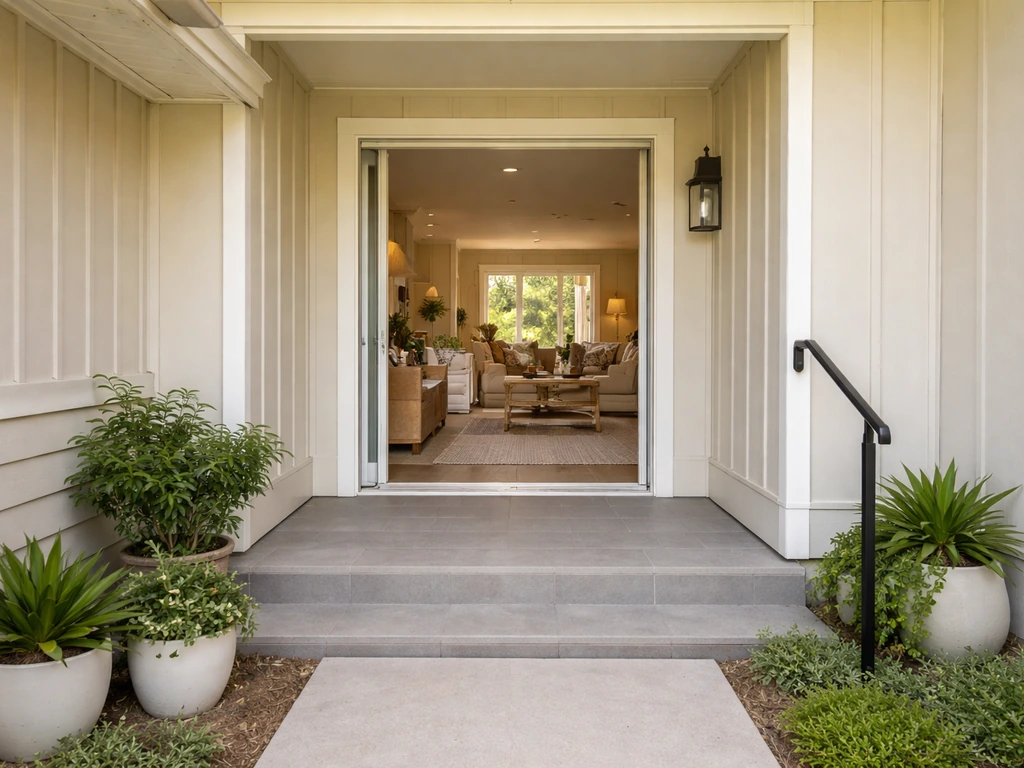
Patio homes were practically designed for downsizing. Single-level living means no stairs to worry about now or later. The reduced square footage lowers utility bills and cleaning time. The patio gives you outdoor space without a large yard to manage. And the community setting often comes with social infrastructure built in, which is a genuine quality-of-life benefit for people leaving a large family home. Many buyers in this group describe the patio home as the first home that felt smaller in all the right ways.
Families with young children
For families, the enclosed courtyard or private patio is a real safety asset. Children have a defined outdoor space that is harder to wander out of than an open yard. The single-level layout also means easy supervision from inside. The tradeoff is square footage: if you need a large yard for older kids or dogs, a zero-lot-line patio home may feel constrained. But for families in urban or suburban markets where land is expensive, a well-designed patio home often delivers more usable outdoor space per square foot than an equivalent-priced detached home with a postage-stamp yard.
Renters and community-living evaluators
If you are renting a patio home or evaluating one in a mixed-tenure community, the key benefit is getting ground-level outdoor space that apartments rarely provide. A patio home rental gives you a private exterior area, often including a dedicated entrance, without the full cost of homeownership. The community layout in patio home developments also tends to be quieter and more residential in feel than a standard apartment complex, which appeals to renters who want a house-like experience.
Patio homes are often compared to patio apartments in this context, which are a related but distinct product worth understanding if you are comparing rental options. Because patio apartments are similar to patio homes in offering a ground-level outdoor area, it helps to compare how much privacy, ownership, and maintenance responsibility you actually get.
Buyers with mobility considerations
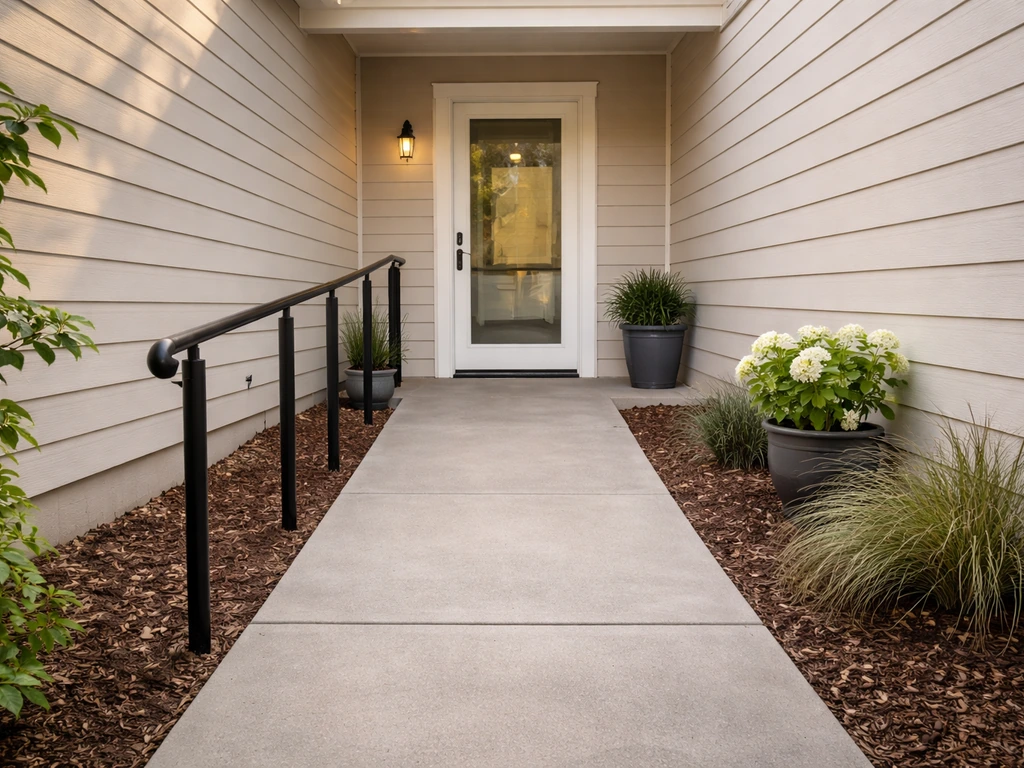
Single-story patio homes are among the best naturally accessible housing types in the standard market. No stairs between entrance and bedroom is a meaningful practical benefit for anyone with limited mobility, whether from age, injury, or disability. Ground-level patio access also means outdoor time does not require navigating steps or ramps. That said, not all patio homes are fully accessible: thresholds, door widths, and bathroom configurations vary, and you need to verify specifics for any home you are seriously considering.
The real tradeoffs: what to know before you fall in love with one
| Tradeoff | What it actually means | How to assess it |
|---|---|---|
| Privacy and noise | Shared walls transmit sound; neighbors may be close on all sides | Visit at different times of day; ask about wall construction and insulation |
| Outdoor privacy | Small patio may be visible to neighbors or common areas | Check fence or wall height; look at sightlines from neighboring units |
| Weather exposure | Open patios have no overhead cover; sun, rain, and wind affect usability | Check orientation; ask if a pergola or cover is permitted by HOA |
| Natural light | Zero-lot-line placement can mean windows on only one or two sides | Walk through the home midday; check which rooms get direct light |
| HOA rules | Many patio home communities restrict modifications, decor, and patio furnishings | Read the CC&Rs before making an offer, not after |
| HOA fees | Monthly fees can be $200–$600+ and can rise; some cover exterior maintenance, others do not | Ask for three years of financial statements and reserve fund details |
| Pests and drainage | Ground-level patios can accumulate moisture, attract insects, and have drainage issues | Look for standing water, cracks in paving, and pest evidence during the tour |
| Resale flexibility | The buyer pool, while broad, is narrower than for detached homes in some markets | Check recent comparable sales in the same community |
The HOA piece deserves extra attention because it affects both your daily experience and your long-term costs. Rules about what you can place on your patio, what colors you can paint, whether you can add a pergola or screen, and how exterior repairs are handled vary enormously between communities. Some HOAs cover roof and exterior maintenance in their fees, which is a genuine benefit. Others leave all of that to you while still charging fees for shared amenities. Neither model is inherently better, but you need to know which one you are buying into.
How to evaluate a patio home in person: the practical checklist
When you tour a patio home, you are not just evaluating the interior. The patio, its orientation, its privacy, and the community around it are core parts of what you are paying for. HomeLight notes that patio homes often have shared walls, so factors like privacy and noise can differ from detached houses, and HOA rules or fees may also apply shared walls that can affect privacy and noise. Go through these questions systematically.
Questions to ask the agent or seller
- What does the HOA fee cover specifically, and has it increased in the past three years?
- Is there a reserve fund, and is it adequately funded? Ask for the most recent reserve study.
- What modifications are permitted on the patio? Can you add a pergola, outdoor kitchen, or screen?
- Are there any pending special assessments or known major repairs coming up?
- What is the shared wall construction: wood frame, concrete block, or something else?
- Who owns and maintains the fence or wall enclosing the patio?
- What is the parking situation, and is it deeded or assigned?
What to inspect on the patio itself
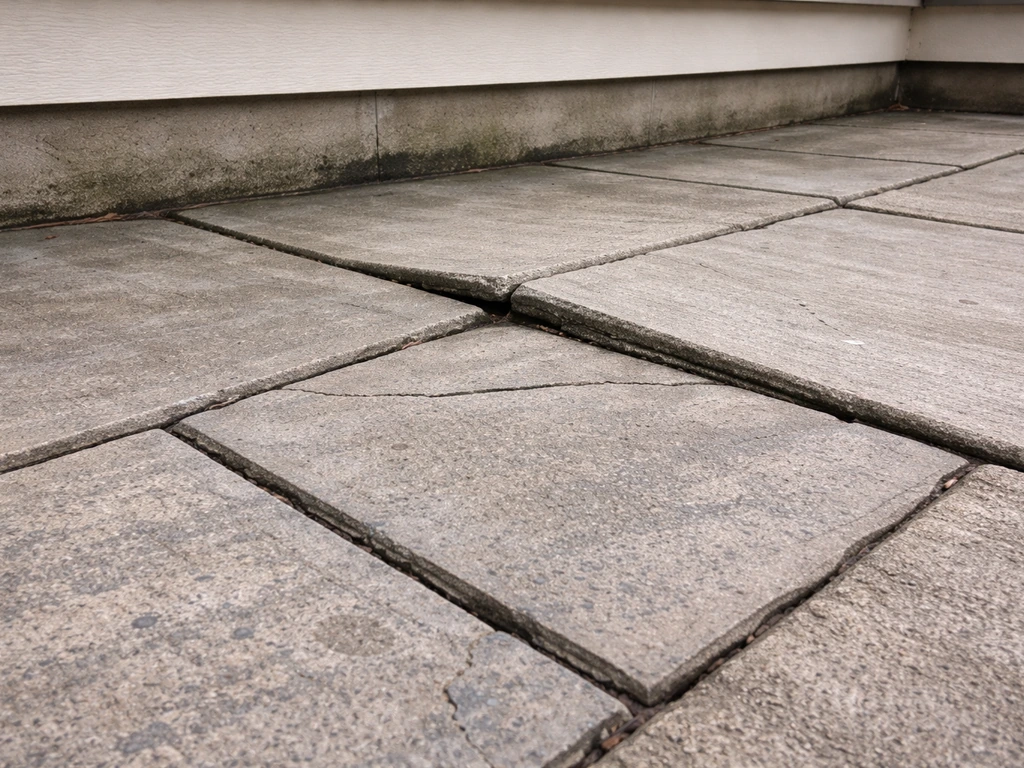
- Check paving or concrete for cracks, heaving, or uneven surfaces that suggest drainage problems
- Look for standing water marks or water staining at the base of walls
- Note which direction the patio faces: south-facing patios get more sun in the Northern Hemisphere; north-facing patios can feel dark and cold
- Check fence or wall height and condition, and assess actual privacy from neighboring units
- Look for evidence of pest activity: mud tubes, wood damage, or insect nests near the patio perimeter
- Test any exterior doors for smooth operation and a tight seal
Red flags to take seriously
- HOA documents that are incomplete, outdated, or that the seller cannot provide
- A reserve fund below 70% of recommended funding (often flagged in reserve studies)
- Patio walls or fences in poor repair that are the HOA's responsibility but have not been fixed
- Significant noise from neighboring units during a midday visit, which will only be more pronounced at night
- Restricted patio orientation with no overhead shade option and HOA rules prohibiting shade structures
- A community where many units are investor-owned rentals, which can affect HOA engagement and resale appeal
- Drainage issues anywhere on the patio: water that pools near the foundation is a serious maintenance risk
The clearest signal that a patio home is right for you is when the patio itself functions as a genuine extension of your living space, not an afterthought. If you walk through a home and the patio feels private, well-oriented, usable in multiple seasons, and consistent with what the HOA rules actually allow you to do with it, that is a good sign. If it feels like a narrow strip between two fences with no privacy and a north-facing shadow, the benefits that drew you to the patio home concept are not being delivered by that specific property. The type of home is sound; the specific execution is what you are evaluating.
FAQ
What questions should I ask about the HOA before I buy a patio home?
Ask who is responsible for exterior repairs and which items are covered by the HOA fee (roof, siding, windows, fences). Also confirm the exact rules for patio changes (pergolas, screens, awnings, pavers, grills) and whether approval is required, including typical turnaround times.
How can I tell whether the outdoor space is truly a patio (and not just a small yard segment)?
Look for hard-surfaced, ground-level access directly from the main living area, and check how it connects to the doors you will use most. Measure usable space at walking level, not just the property description, and note whether privacy relies on walls, landscaping, or just the neighbor’s goodwill.
Are patio homes always fully accessible for mobility needs?
No. Verify door widths and bathroom layout, but also check thresholds at the patio door, step heights from garage or entry, hallway clearances, and whether there is an accessible route from parking to the patio. Request measurements and, if possible, test mobility in the actual entry and patio transitions.
What hidden costs should I expect beyond the purchase price?
Budget for routine exterior upkeep that may not be HOA-covered, such as patio surface repairs, drainage fixes, and fence or gate maintenance if they are excluded. Also plan for landscaping costs if you are responsible for courtyard beds, and confirm whether the HOA includes capital reserves for future major projects.
How does a patio home compare to a condo if I want more control over renovations?
In many patio homes you may own the exterior and grounds tied to your unit, which can give you more freedom than a condo, but the HOA can still restrict visible changes. Before deciding, ask for a list of what you can change without approval and what requires design review, especially color, roof accents, and patio structures.
Can a patio home feel less private than I expect in a community setting?
Yes, privacy depends heavily on orientation and layout. During the tour, stand where you would host guests and see if sightlines are blocked by walls, window locations, and neighbor patios. If the courtyard is enclosed but accessible from shared paths, ask whether foot traffic is expected and where people enter.
Are patio homes good for pets, and what should I verify?
Verify whether fences are allowed or required, what the HOA says about gates, and whether there are pet weight or breed limits. Also check whether the courtyard drains well to avoid muddy paws and whether there are rules about waste cleanup or composting that affect how you use the outdoor space.
What should I look for if I am buying for resale or long-term value?
Check local resale comps specifically for patio homes in the same community, not just detached or condo prices. Evaluate HOA financial health and enforcement consistency, and inspect how patios and courtyard surfaces are aging, since poor maintenance can reduce buyer appeal even when interiors are updated.
How do I evaluate whether the patio layout works for my daily routine?
Map your typical day, where morning light hits, where the kitchen door leads, and how you would carry items outside. Confirm that the patio is usable in different seasons, for example summer sun and winter shade, and that seating placement fits without blocking door access or HOA-required clearances.
What is a common mistake buyers make when touring patio homes?
Focusing only on the interior and treating the patio as secondary. Instead, tour at a time of day when neighbors are active, walk the exact route from parking or entry to the patio, and bring a tape measure to confirm furniture and grill placement that you would actually use.
Next Article
Patio Weather Meaning: What Patio, Area & View Mean
Clear patio definition: what a patio is, 'patio weather' meaning, and how it differs from decks or porches.