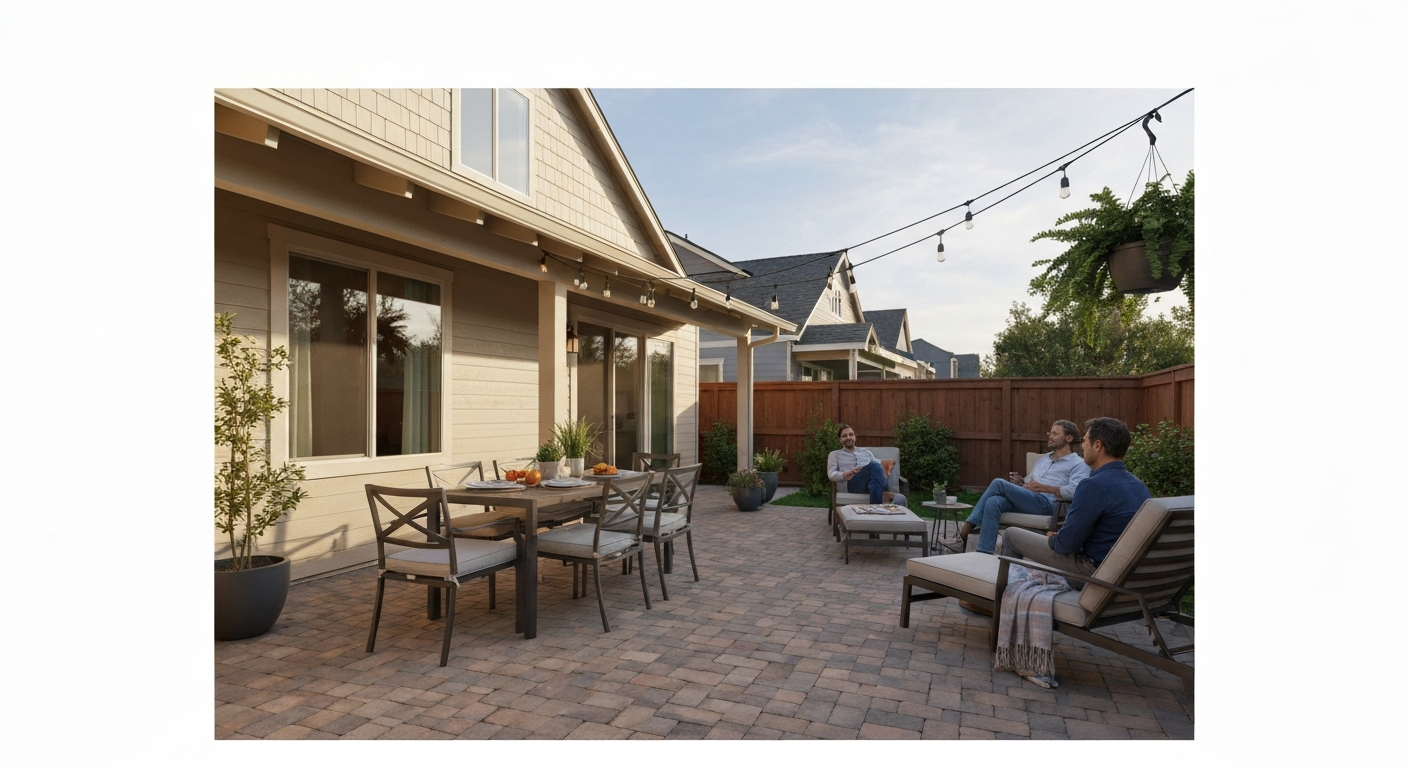
In Tagalog, the most direct translation of "patio" is "patyo", a loanword borrowed straight from Spanish, so the concept travels almost unchanged into Filipino. But the right word to use in practice depends on exactly what kind of outdoor space you're describing. A paved open area beside the house, an enclosed yard, a verandah-like space, and an outdoor dining spot can each call for a slightly different Tagalog label, and mixing them up in a property listing or conversation can cause real confusion. In Malayalam, the meaning of patio is usually described as an open outdoor space attached to a house where people can relax or dine patio meaning malayalam.
Patio Meaning in Tagalog: Best Translations and Examples

Ada Hollis
18 Jun 2026
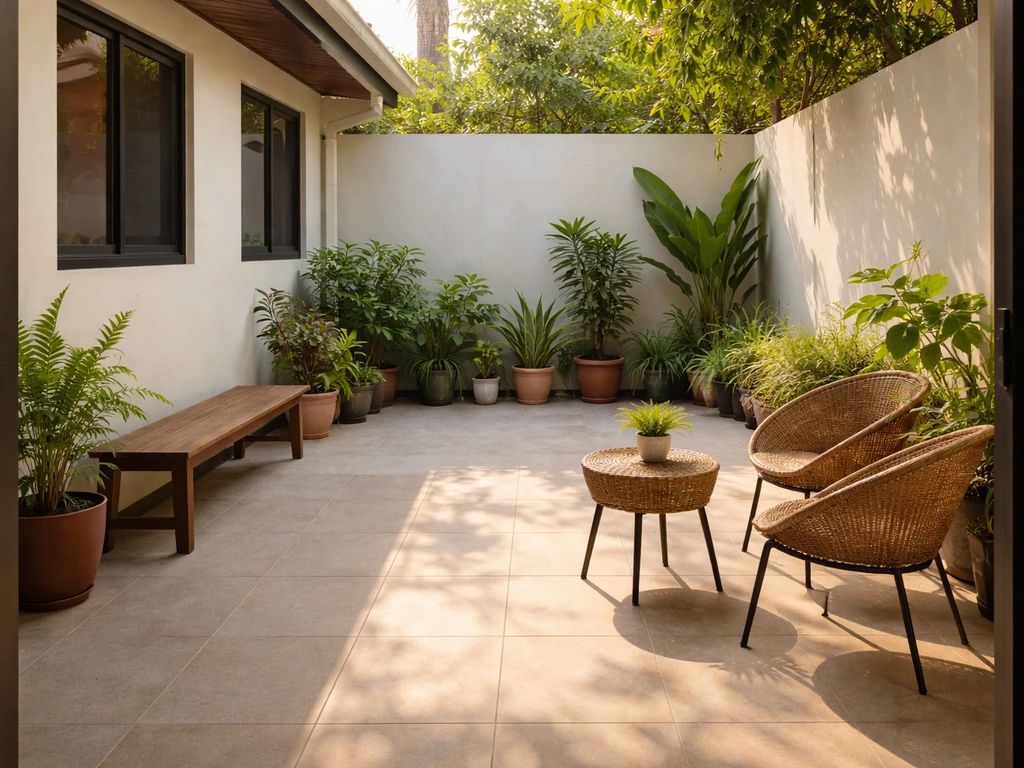
What "patio" actually means in Tagalog
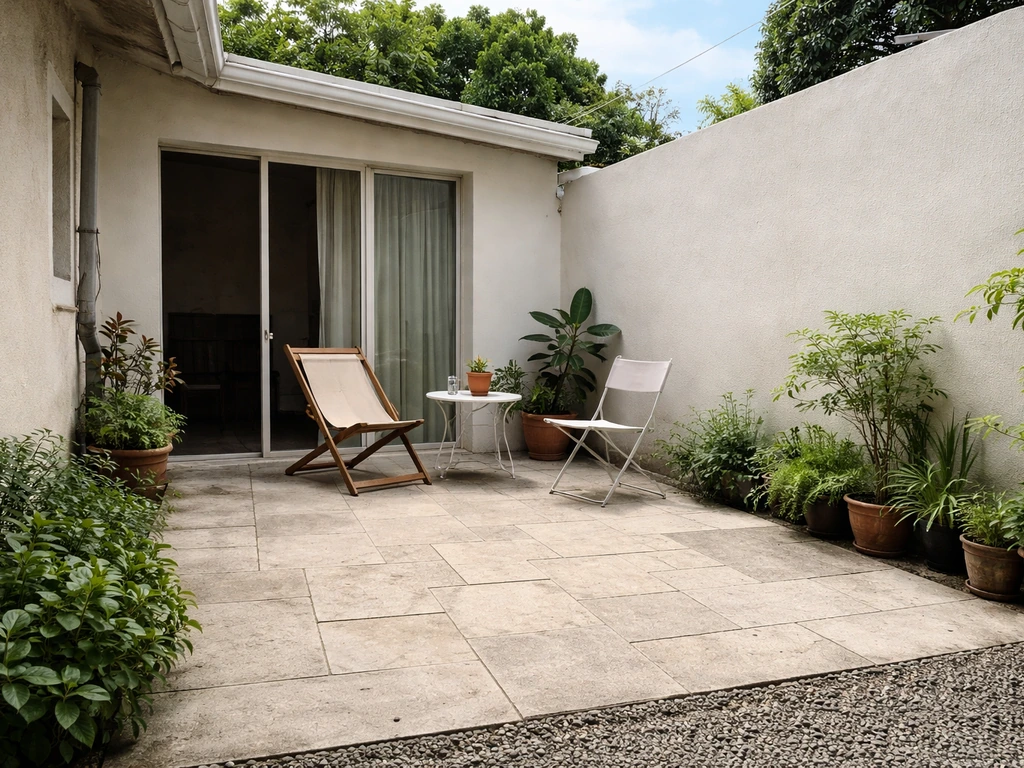
"Patyo" is the standardized Tagalog/Filipino spelling of the English and Spanish "patio," and it appears in resources like the blank" rel="noopener noreferrer">UP Diksiyonaryong Filipino, which is the main authority on correct spelling and usage in formal Filipino. blank" rel="noopener noreferrer">TagalogLang lists three senses for "patyo": a fenced forecourt in front of a church, a broad open space where people gather, and a clean, sun-exposed open area. All three senses share the same core idea: an open, unroofed outdoor space that is connected to or bounded by a structure.
Architecturally, the Diksiyonaryong Biswal ng Arkitekturang Filipino defines "patyo/patio/court" as an internal open space bounded by the walls of a building, which aligns closely with the courtyard meaning. So in traditional Filipino architecture, "patyo" leans toward what English speakers would call a courtyard rather than a simple backyard patio slab. That distinction matters when you're reading old property descriptions or historical home layouts.
Common Tagalog translations and how to choose the right one
There isn't one single Tagalog word that covers every situation where an English speaker might say "patio." Here's how the main options break down and when each one fits best.
| Tagalog Term | Closest English Equivalent | Best Used When |
|---|---|---|
| Patyo | Patio / Courtyard | Open, unroofed area adjoining or enclosed by the house, especially paved or sun-exposed |
| Looban | Courtyard / Inner yard | Enclosed inner yard surrounded by walls or structures, often at the back or center of a property |
| Beranda | Veranda / Covered porch | A roofed but open-sided space attached to the front or side of the house |
| Balkonahe / Balkon | Balcony | An upper-floor outdoor platform projecting from the building wall |
| Asotea | Roof terrace / Rooftop deck | An open rooftop or above-porch terrace with no overhead roof |
In everyday modern Filipino, "patyo" is widely understood and often used the same way English speakers use "patio," especially in urban and suburban homes. In Bengali, the patio is typically described as an open-air courtyard area where people can sit or gather patio meaning in bengali. If you're writing a property listing or describing your space in conversation and the area is open to the sky and at ground level, "patyo" is your safest and most universally understood choice. If the space is more of a walled inner yard, "looban" is more precise.
Patio vs. porch, veranda, balcony, and courtyard in a Tagalog context
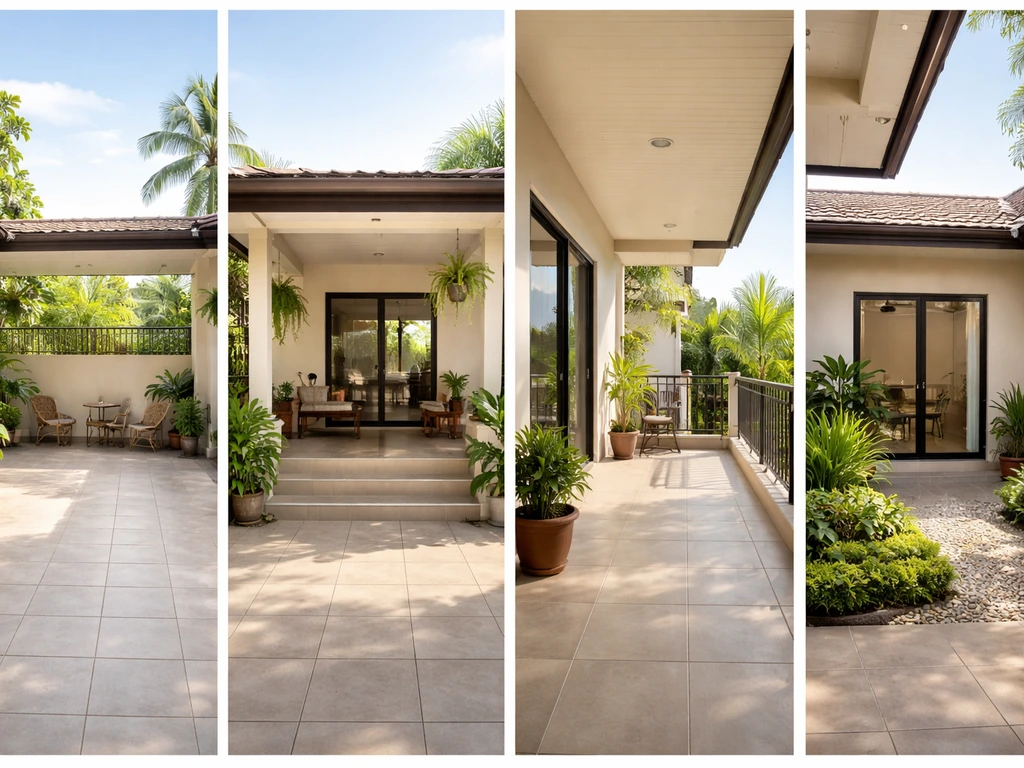
This is where a lot of confusion happens, and it matters because each space maps to a different Tagalog word. The clearest way to sort them is by two questions: Is it roofed? And is it on the ground floor? If you are comparing patio with similar outdoor areas like porch, veranda, balcony, or courtyard, a quick check of patio meaning in kannada can help you confirm how the word is understood in another language context.
- Patio (patyo): Ground level, open to the sky, no roof. Usually paved with concrete, tile, or stone. Adjoins the house but is not enclosed overhead.
- Porch / Veranda (beranda): Ground level, but covered with a roof. The beranda is attached to the house and shaded — this is the roofed sitting area you see at the front of many Filipino homes.
- Balcony (balkonahe / balkon): Upper floor, projects outward from the building, may or may not have a roof overhead. Distinctly elevated, not at ground level.
- Courtyard (looban / patyo): An open area fully or mostly enclosed by the walls of the house or surrounding structures. Can be at the center or rear of the property. "Zaguan" in traditional Filipino architecture refers to the passageway that leads from the front door through to this inner patio or courtyard.
- Roof terrace / Asotea: An open platform on top of a lower section of the house, unroofed, accessible from an upper floor.
The practical takeaway: if a space has a roof over it, it's a beranda, not a patyo. If it's on an upper floor, it's a balkonahe or asotea. If it's an open, ground-level paved space attached to the house and open to the sky, that's your patyo.
What patios actually look like in Filipino homes
In Metro Manila townhouses and suburban subdivisions, the "patyo" is typically the small paved area at the back of the house, maybe 10 to 20 square meters of concrete or tile where you set up a folding table and chairs for family gatherings or hang the laundry. In Telugu, you can look up the patio meaning in Telugu to match the right type of open outdoor area to the local word patyo. Airbnb listings written in Filipino UI commonly use "patyo" and "looban" interchangeably in descriptions like "may patyo, sakop na paradahan, at labahan" (with a patio, covered parking, and laundry area), which shows how the word is used in casual, real-world descriptions today.
In older Spanish-colonial-style homes and bahay na bato layouts, the patyo was more formal: a central courtyard enclosed on multiple sides by the house walls, with the zaguan (the ground-floor entry passage) leading directly into it. Real estate listings on platforms like Dot Property Philippines use "patio" as a search keyword in property filters, so Filipino buyers searching for homes with outdoor space will encounter the English spelling in digital listings even if the spoken description uses "patyo."
In newer condominiums, you won't typically see a patyo at all, that space is replaced by a balkonahe or a shared garden area. The word patyo in a condo listing would be unusual and worth asking about, since it likely refers to a private outdoor terrace at ground-level units.
How to use "patio" and "patyo" in conversation, listings, and real estate
In spoken Filipino, most people will understand you perfectly if you say "patyo", it sounds natural and is not considered unusual or overly formal. You can also just say "patio" with an English pronunciation and Filipinos will follow. Here are some practical patterns for different situations.
In everyday conversation
- "May patyo sa likod ng bahay" — There's a patio at the back of the house.
- "Nagtitipun-tipon kami sa patyo" — We hang out at the patio.
- "Maluwag ang looban" — The inner yard/courtyard is spacious (use this if the space is enclosed by walls on multiple sides).
In property listings
English-language property listings in the Philippines almost always use "patio" (not "patyo"), and it's treated as a feature keyword the way "garage" or "garden" is. When you write your own listing, use "patio" for a ground-level open outdoor area and specify whether it's paved, tiled, or landscaped to help buyers picture it. If the space is enclosed on most sides by walls, "courtyard" is more accurate in English and "looban" or "patyo" in Filipino.
Quick rules for matching the right term
- Open to the sky, ground level, paved or tiled, beside or behind the house: use "patyo" in Filipino, "patio" in English.
- Enclosed by walls on most sides, open overhead, inner yard feel: use "looban" in Filipino, "courtyard" in English.
- Has a roof over it and is attached to the front or side of the house: use "beranda" in Filipino, "veranda" or "covered porch" in English.
- On an upper floor and projects outward: use "balkonahe" or "balkon" in Filipino, "balcony" in English.
- Open platform on top of a lower roof section: use "asotea" in Filipino, "roof terrace" in English.
- Not sure? If it's at ground level and open to the sky, default to "patyo" — it's the broadest and most commonly understood term.
If you're also exploring how "patio" translates in other South and Southeast Asian languages, the pattern is similar across the board: most languages borrow the Spanish or English word directly (as Tamil, Gujarati, Telugu, Malayalam, Bengali, and Kannada all tend to do), with local equivalents for courtyard and veranda covering the more nuanced cases. In Tamil, “patio” is commonly understood through a direct borrowing or descriptive terms for an open outdoor area by the house patio meaning in tamil. The Tagalog situation is not unique, but the Spanish colonial history of the Philippines means "patyo" has deeper roots in Filipino architectural vocabulary than in many other languages.
FAQ
How do I choose between “patyo” and “looban” when describing a patio in Tagalog?
Use “patyo” if it is open to the sky and at ground level, even if it is small (for example a 10 to 20 square meter paved area at the back). Use “looban” if it is mostly surrounded by walls and feels like a walled yard rather than an attached open forecourt.
What if the outdoor area has a roof or partial cover, is it still a patyo?
If there is a roof or strong overhead cover, it is usually better called “beranda” (or a relevant covered veranda term) rather than “patyo.” A covered area can still feel outdoors, but the presence of a roof is the main trigger to avoid calling it a patyo.
Can I call an upstairs terrace a “patyo” in Tagalog?
Generally, no. For upper-level outdoor spaces, Tagalog typically points you to “balkonahe” (balcony) or “asotea” (roof deck/terrace). A “patyo” is understood as ground-level and open, so using it for an upper floor can confuse readers.
Is it acceptable to say “patio” instead of “patyo” in Tagalog?
In Filipino conversation, it is usually fine to say “patio” with English pronunciation, and people will understand. For formal writing and listings meant for broad audiences, prefer “patyo” in Tagalog text, then add a clarifier like “open to the sky” if the layout is ambiguous.
What does “patio/patyo” mean in older Spanish-colonial house descriptions?
If you are reading an old bahay na bato listing and they mention a patio, expect a more central, enclosed courtyard feel. Look for clues like “zaguan,” “central courtyard,” or “enclosed by house walls,” because that matches the courtyard-like meaning rather than a simple backyard slab.
Why might a condo listing mention “patyo,” and what should I verify?
In many condos, private ground-level open space is uncommon compared with shared gardens or unit balconies. If a listing calls it “patyo,” ask how it is positioned (ground level vs private terrace vs shared area) before you rely on the label.
How should I describe patio spaces in listings when there are multiple outdoor features (laundry, parking, dining)?
When writing in Filipino for an Airbnb or property description, avoid saying “may patyo” if the space is mainly a covered parking area or a wet laundry bay with a roof. Instead, describe the function separately (for example, “may labahan,” “may sakop na paradahan”) and only use “patyo” for the open, sky-exposed outdoor part.
What if the outdoor patio is paved but feels partially enclosed, what word should I use?
If the area is paved but not fully open to the sky (for example mostly enclosed or with significant barriers), “patyo” may still be used casually, but “looban” is the safer choice for a walled inner yard. For clarity, add one detail: “enclosed/with walls” or “open to the sky.”
Next Article
Patio Weather Meaning: What Patio, Area & View Mean
Clear patio definition: what a patio is, 'patio weather' meaning, and how it differs from decks or porches.