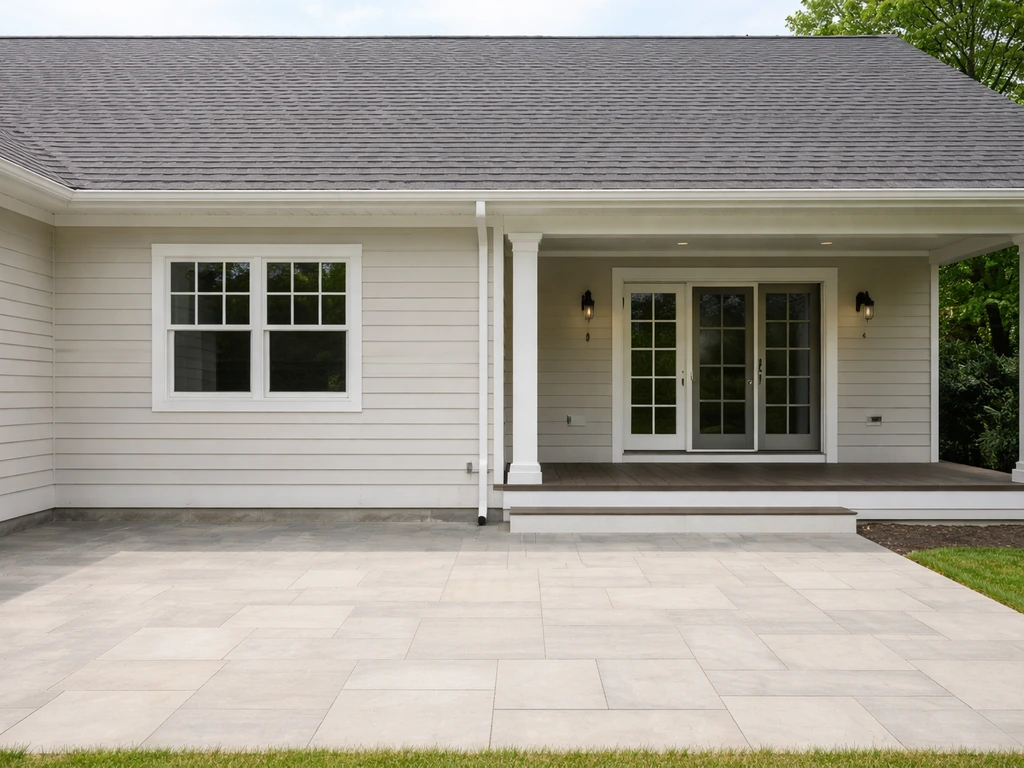
A patio is a paved or hard-surfaced outdoor area directly attached to (or immediately adjoining) your home, typically used for dining, lounging, or entertaining. A backyard is the entire outdoor lot behind your house, which may or may not contain a patio. In other words, a patio is almost always inside a backyard, but a backyard is much more than just a patio. Confusing the two matters most when you are reading a property listing, planning an outdoor project, or budgeting for improvements.
Patio vs Backyard: Key Differences and How to Decide

Ada Hollis
12 May 2026
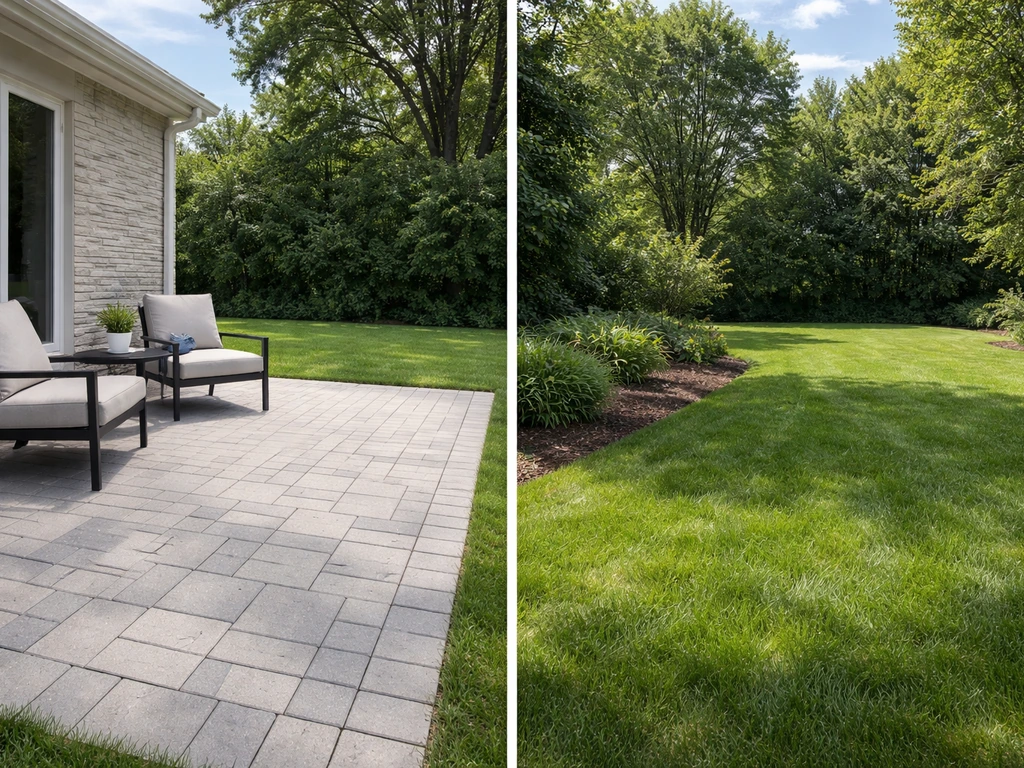
Patio vs backyard: plain-English definitions
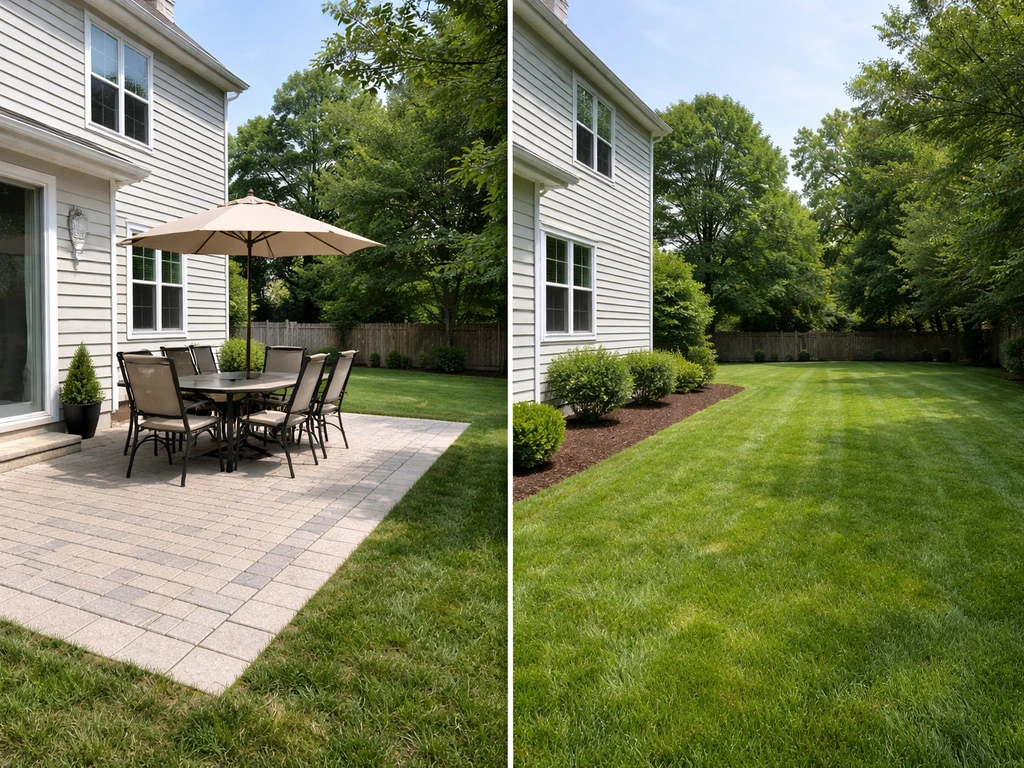
Merriam-Webster defines a patio as 'a recreation area that adjoins a dwelling, is often paved, and is adapted especially to outdoor dining.' Cambridge Dictionary keeps it equally tight: 'an area outside a house with a solid floor but no roof.' Both definitions point to the same core idea. A patio has a defined, hard surface (concrete, pavers, brick, stone, tile, or gravel) and sits right next to the house.
A backyard, by contrast, is simply the land area behind your home. Cambridge calls it 'the area behind a house, or more generally, an area near the place you live.' Collins goes a bit further, noting it can be 'sometimes fenced, walled, etc.' The backyard is the whole canvas: grass, garden beds, trees, shed, pool, and yes, the patio if one exists. There is no requirement that a backyard have any particular surface or structure.
The practical upshot: when a listing says 'spacious backyard,' it is describing square footage of land. When it says 'paved patio,' it is describing a specific improved surface within that land. You can have a large backyard with no patio, a tiny backyard that is almost entirely patio, or anything in between.
Where each space is located and how it's typically used
A patio almost always sits flush with the ground, directly against the back (or sometimes side) wall of the house. You step out through a sliding glass door, French doors, or a back door and you are on it immediately. That proximity to the kitchen and living area is exactly what makes patios so useful for outdoor dining and entertaining. There is no elevation change between the patio surface and the surrounding yard, which is one of the clearest ways to distinguish a patio from a deck (which is elevated and typically wood-framed).
The backyard, meanwhile, is everything behind the rear wall of the house, running to the back fence or property line. It is where kids and pets roam, where gardens grow, where lawn furniture sits on grass rather than pavers. People use backyards for gardening, sports, play sets, fire pits, pools, and generally for outdoor life that does not need a hard surface underfoot. Many households use the patio as the 'room' for structured activities (meals, drinks, conversation) and the rest of the backyard as open, flexible space.
Typical patio layout vs yard layout and activities
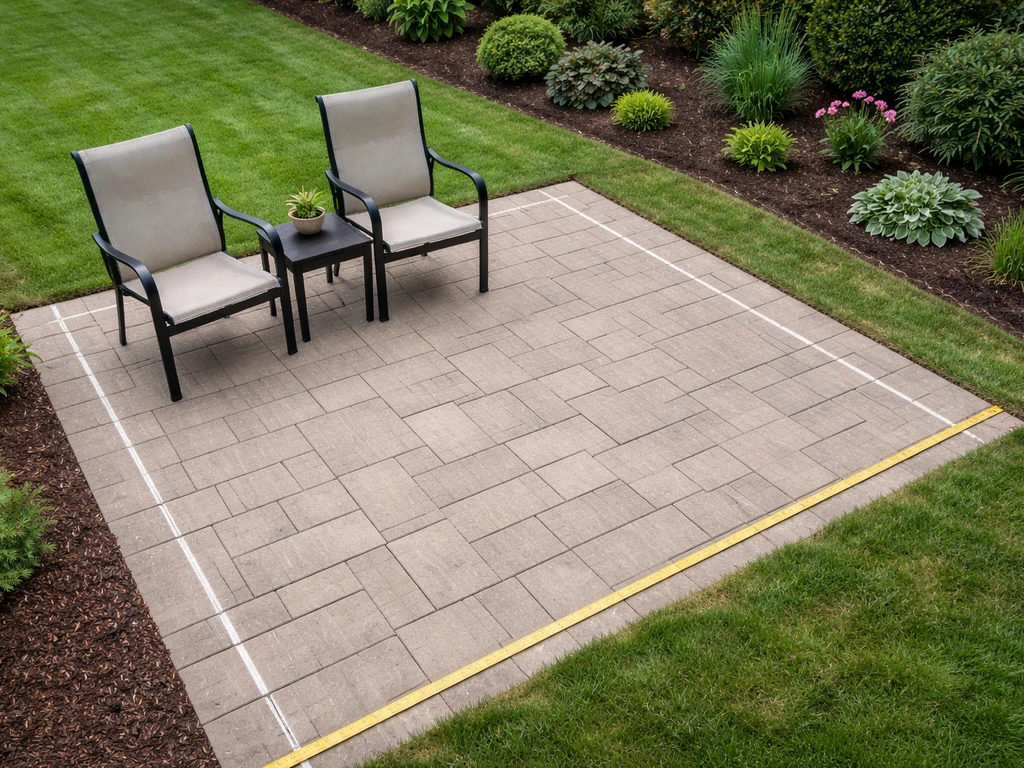
Patios are designed spaces. They tend to be 10 by 12 feet at the small end, up to 20 by 20 feet or larger for entertaining-focused homes. Materials drive the whole look and feel: concrete slabs are affordable and durable, concrete pavers allow for design flexibility and easy repair, natural stone (bluestone, travertine, flagstone) looks premium but costs more, and brick gives a classic, warm aesthetic.
HomeGuide estimates concrete patio costs at $4 to $12 per square foot installed for plain concrete, and $8 to $30 per square foot for decorative options like stamped or stained finishes concrete patio costs at $4 to $12 per square foot installed for plain concrete and $8 to $30 per square foot for decorative options. Gravel or decomposed granite can work for a more informal or drought-tolerant setup.
The surface material also affects maintenance cost and slipperiness in wet weather.
The rest of the backyard is typically lawn, garden beds, or landscaped areas with mulch, shrubs, and trees. Activities there are more open-ended: running, digging, planting, playing fetch, setting up a trampoline, or just having somewhere for the dog to go. Yards require lawn maintenance (mowing, watering, fertilizing) while patios require sweeping, occasional pressure washing, and sealing if you use natural stone or pavers with sand joints.
| Feature | Patio | Backyard |
|---|---|---|
| Surface | Hard (concrete, pavers, stone, brick) | Soft (grass, mulch, soil, gravel) |
| Location | Attached to or immediately beside the house | The full land area behind the house |
| Primary uses | Dining, lounging, entertaining | Play, gardening, pets, open recreation |
| Typical size | 100–400+ sq ft | Varies widely; often 500–5,000+ sq ft |
| Maintenance | Sweep, wash, seal periodically | Mow, water, weed, fertilize |
| Cost to add/improve | $1,500–$10,000+ depending on material | Landscaping varies; lawn care ongoing |
Common confusion: patio vs porch, balcony, verandah, and courtyard
Once you understand what a patio is, the next layer of confusion is how it differs from all the other outdoor spaces that get lumped together in listings and casual conversation. If you are also seeing porch, balcony, or courtyard wording, double-check the roof, elevation, and enclosure so you get the right patio vs porch meaning. Here is how to keep them straight.
A porch is attached to the front (or sometimes back) of a house and typically has a roof overhead. If it is enclosed with screens or glass, it is often called a screened porch or sunroom. A patio has no roof: it is open to the sky, though you can add a pergola or shade sail after the fact. A balcony is an elevated platform projecting from an upper floor, accessed from inside the home.
You will never find a balcony on the ground level. A verandah (or veranda) is a roofed gallery or platform that wraps around part or all of a house, usually at ground level but sometimes elevated slightly. It is essentially a large, covered porch, and the term is more common in Australian, South Asian, and older American architectural traditions.
A courtyard is an enclosed or semi-enclosed outdoor space surrounded by walls or the wings of a building, often with a hard surface similar to a patio. The key difference is enclosure: a courtyard has walls on multiple sides, which gives it a more private, interior feel. A patio usually opens onto the yard. A courtyard, in contrast, is typically enclosed or semi-enclosed on multiple sides, which changes the feel from open yard space to a more private outdoor room. Regional naming overlaps with courtyard are common in Spanish-influenced architecture across the American Southwest, where the Spanish word 'patio' originally meant an inner courtyard rather than what North Americans now picture.
In practice, the most important distinctions for property shoppers are: does the space have a roof (porch or verandah) or not (patio), is it elevated (deck or balcony) or at grade (patio), and is it enclosed on multiple sides (courtyard) or open to the yard (patio).
How different regions use these words in listings
Real estate listing language is not standardized, and regional habits can trip up buyers who move between markets. In the American South and Midwest, 'back porch' often describes what many other regions would call a patio, especially if it is a concrete slab at the back door. In the Pacific Northwest and New England, 'deck' is often used interchangeably with 'patio' even when the surface is at grade rather than elevated. In California and the Southwest, 'patio' is universally understood, partly because the Spanish roots of the word are culturally embedded there.
In Australian and British listings, you are more likely to see 'alfresco area' or 'entertaining area' to describe what Americans call a patio, while 'verandah' covers what Americans might call a covered porch. In Indian real estate contexts, an open ground-level outdoor space might be described using terms borrowed from Hindi or Urdu, or simply noted as a 'sit-out' area or 'terrace' even when it is at ground level.
The safest move when reading any listing is to ask a simple clarifying question: is the outdoor space covered or uncovered, elevated or at ground level, and what is the surface material? Those three answers tell you far more than the label 'patio,' 'porch,' or 'deck' alone.
Which one you actually need based on your goals
Your priorities should drive whether you prioritize finding or building a patio, maximizing backyard space, or both. Here is how to think through the most common goals.
Entertaining and outdoor dining
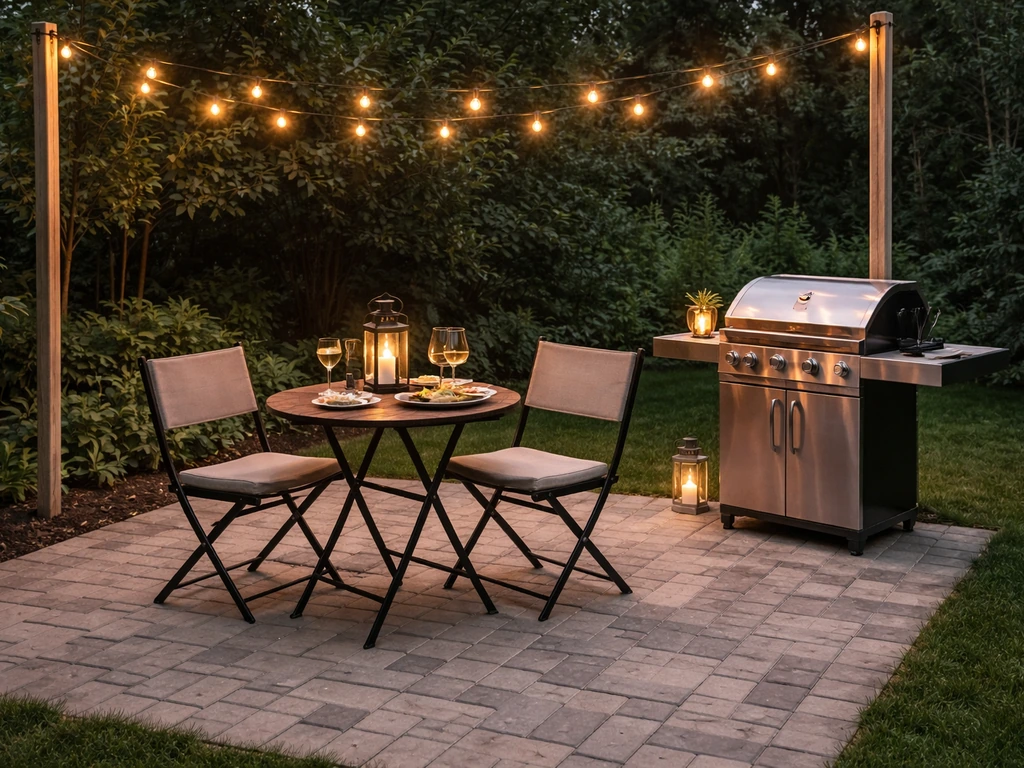
A patio wins here, without question. You need a flat, hard surface that can hold a table, chairs, a grill, and ideally a string of lights overhead. Grass and mulch are terrible underfoot when you are hosting. If a property has a generous backyard but no patio, budget for adding one: a basic concrete slab runs roughly $1,500 to $3,500 for a modest size, while a premium paver patio can run $5,000 to $15,000 or more depending on size and material.
Pets and kids
Kids and pets need yard space more than patio space. Grass is safer for falls, easier on joints, and gives everyone room to run. A small patio is fine for a seating spot, but your priority should be total backyard square footage, fencing, and whether the lawn is in reasonable condition. Hard patio surfaces can get slippery when wet and can be rough on small knees.
Privacy
Neither a patio nor a backyard is inherently private. Privacy comes from fencing, walls, mature trees, and strategic landscaping. That said, a walled or partially enclosed patio feels more private than an open lawn, and some homes have patio designs that incorporate planter walls or pergolas with lattice for screening. If privacy is a top priority, look at how the patio and yard face neighboring properties and whether fencing is already in place.
Gardening
Gardeners need yard, not patio. You want square footage of plantable ground, sun exposure, and access to water. A patio eats into the yard space available for beds unless you use container gardening on the patio surface itself (which is a legitimate and increasingly popular option). If you want a kitchen garden, raised beds, or a cutting garden, prioritize a property with adequate unpaved yard area.
Low maintenance
A larger patio actually reduces maintenance compared to a large lawn: no mowing, no watering, no fertilizing that surface. Some homeowners deliberately expand their patio footprint to replace high-maintenance lawn, especially in drought-prone regions. If you want a low-effort outdoor space, a well-built patio is your friend. Just factor in occasional sealing and weeding of paver joints.
Property-shopping checklist: what to inspect and ask
When you are visiting a property or evaluating your own space, use this checklist to get past the listing language and understand exactly what you are working with.
- Is the outdoor area at ground level, or elevated? Ground level means patio or yard; elevated means deck or balcony.
- Is there a roof overhead? If yes, it is a porch, verandah, or covered patio, not an open patio.
- What is the surface material? Concrete, pavers, stone, and brick indicate a patio. Grass, mulch, and soil indicate yard.
- How large is the patio surface in square feet? Anything under 100 square feet is too small for a dining table and four chairs comfortably.
- What is the condition of the surface? Look for cracks in concrete, sunken or loose pavers, or settled areas that could pool water.
- How does the patio connect to the house? Direct access from the kitchen or living room adds functional value.
- What is the total backyard square footage beyond the patio? Ask the agent or check the lot dimensions on the listing.
- Is the yard fenced? Essential for pets and young children.
- What sun exposure does each area get? A west-facing patio gets brutal afternoon sun in summer; an east-facing one is more comfortable for breakfast and morning coffee.
- Are there drainage issues in the yard or at the patio edge? Standing water after rain is a serious problem that is expensive to fix.
- If there is no patio, is the yard layout suitable for adding one? Check for underground utilities, tree roots, and grade slope.
- If there is no yard beyond the patio, is there space for container gardening or a small raised bed?
One final decision rule worth keeping in mind: treat a patio as a room and treat the backyard as the property around it. When you budget for a renovation or negotiate on a home purchase, price out the patio as improved square footage (like an interior room) and the yard separately as landscaped land. That framing will keep your planning realistic and help you avoid either overpaying for a patio you do not need or underestimating what it would cost to add one later.
FAQ
How can I tell if a listing’s “patio” is actually a covered porch or a patio with shade?
If the listing says “patio” but mentions a roof, enclosure, or “covered entertaining,” confirm whether it is actually a porch/veranda or a patio with added shade. A patio can later get a pergola or shade sail, so “covered” alone is not enough, you need to check roof attachments and whether it is open on the sides.
What visual clues help me confirm whether “deck” or “patio” is really elevated vs at ground level?
A patio at grade can still be mistaken for a deck if the photos hide the height change. Look for steps or railings, check whether it is supported as a raised platform, and in person measure the elevation difference from interior thresholds to the surface.
Real estate listings often say “outdoor living space.” How do I avoid budgeting the yard and patio together?
When a listing includes “outdoor living space,” assume it could bundle patio, deck, and yard. Ask for dimensions or a floor plan overlay that separates the hard-surfaced area from the rest of the landscaped lot, then budget and negotiate using those two areas separately.
Can a backyard be mostly patio, and does that change how I should evaluate the property?
Not necessarily. You can have a paved patio with mostly open yard, or you can have nearly all yard improvements with little hardscape. The reliable approach is to inventory surfaces: hardscape area (patio/deck) plus unpaved planting area, then decide which one matches your intended use.
What should I measure for before buying or building a patio for dining and entertaining?
Measure for your “footprint needs,” not just seating. For example, grilling and dining typically require clear circulation space around chairs and the grill, and string lights need beam anchoring or a nearby structure. If you cannot add anchoring points, you may be happier with a larger open yard for freestanding lighting.
Are patios more slippery than grass in wet weather, and what should I check?
Yes, and it is a common mistake. Pavers and stone can feel slippery when wet, especially smooth finishes. Ask how the surface drains, whether there is a slope away from the house, and whether there are any existing slip risks like moss growth or algae.
How do I evaluate privacy if the property has a patio plus a more open backyard?
Treat privacy as a sightline problem, not a label. Stand where you would sit, look toward neighbor windows and backyard angles, and verify fencing height, screen locations, and whether mature trees are actually present or just “planned.” A partially enclosed patio can feel private even if the yard is open.
What maintenance differences should I expect if the hardscape is described as a “deck” instead of a patio?
Wood or composite decking often requires periodic maintenance and can change how “outdoor room” feels compared with an at-grade hard-surface patio. If the listing is vague, ask whether the deck is structurally wood-framed and raised, or simply a hard-surfaced patio-like area.
Is it cheaper to add to a patio later, or should I choose a home with the right patio size upfront?
Patio surfaces can be expensive to expand later, mainly due to matching materials and tying into existing drainage. If you might add a dining extension or outdoor kitchen, confirm the current patio edges, utilities access, and whether there is enough adjacent level space to extend.
How should I balance patio space vs grassy yard for kids and pets?
If you have pets and kids, prioritize the proportion of yard that remains soft and open. Hard surfaces are easier for walking but can be tougher for falls, claws, and small knees. Check whether there is enough unpaved space for play and whether the patio transitions create tripping points.
If I want to garden but the property has a patio, how do I make planting work?
Container gardening can work, but you still need sunlight and water planning. Confirm hose spigot access, drainage around the slab, and whether heat buildup from stone or pavers will scorch certain plants. Some homeowners use self-watering planters to reduce watering frequency.
What is the fastest way to decode regional naming differences (patio, terrace, sit-out, courtyard) in listings?
If the listing uses different terms like “alfresco,” “sit-out,” “courtyard,” or “terrace,” verify the three core items: roof or no roof, elevated or at grade, and open vs multi-sided enclosure. The same word can mean different shapes in different regions, so the physical traits matter most.
Next Article
Patio vs Verandah: Key Differences and How to Tell
Patio vs verandah vs porch explained with clear cues on coverage, attachment, height, flooring, and entry so you can lab