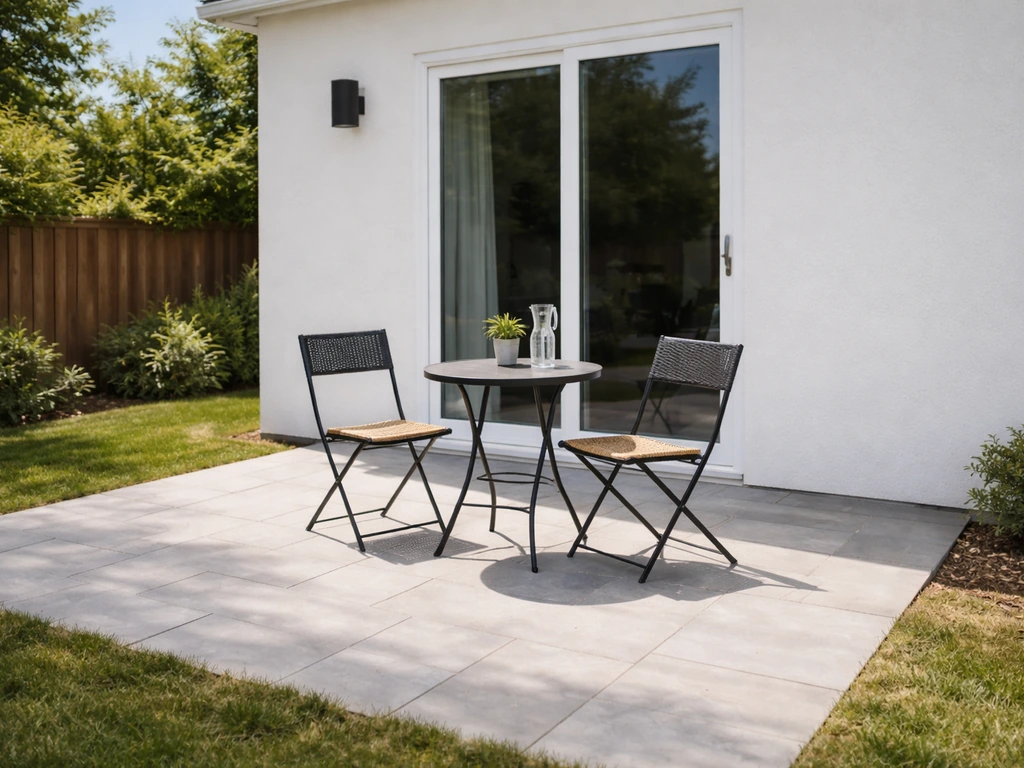
A patio is a ground-level, hardscaped outdoor area directly attached to a home, used for sitting, dining, and entertaining. It sits flush with the yard, is paved with materials like concrete, brick, pavers, or stone, and is usually open to the sky unless a cover has been added. That's the core definition in residential architecture and real estate, and it's the one you'll most often encounter in listings, contractor quotes, and zoning documents.
Patios Definition: What It Is and How It Differs

Ada Hollis
28 Apr 2026
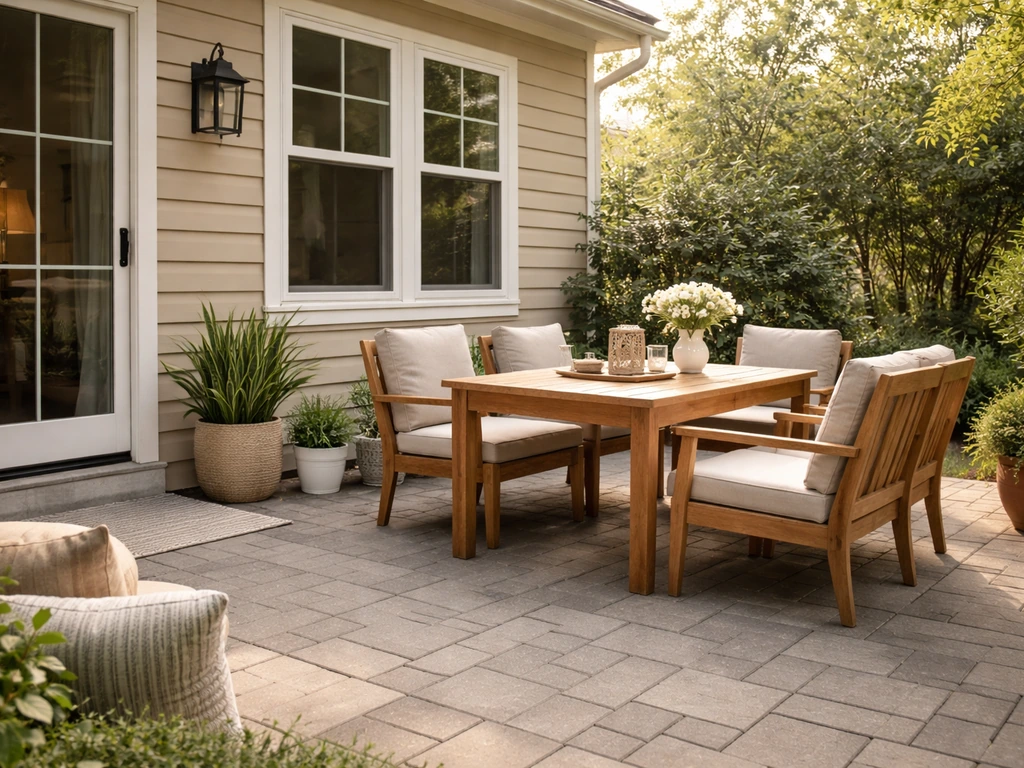
Patios definition in plain English
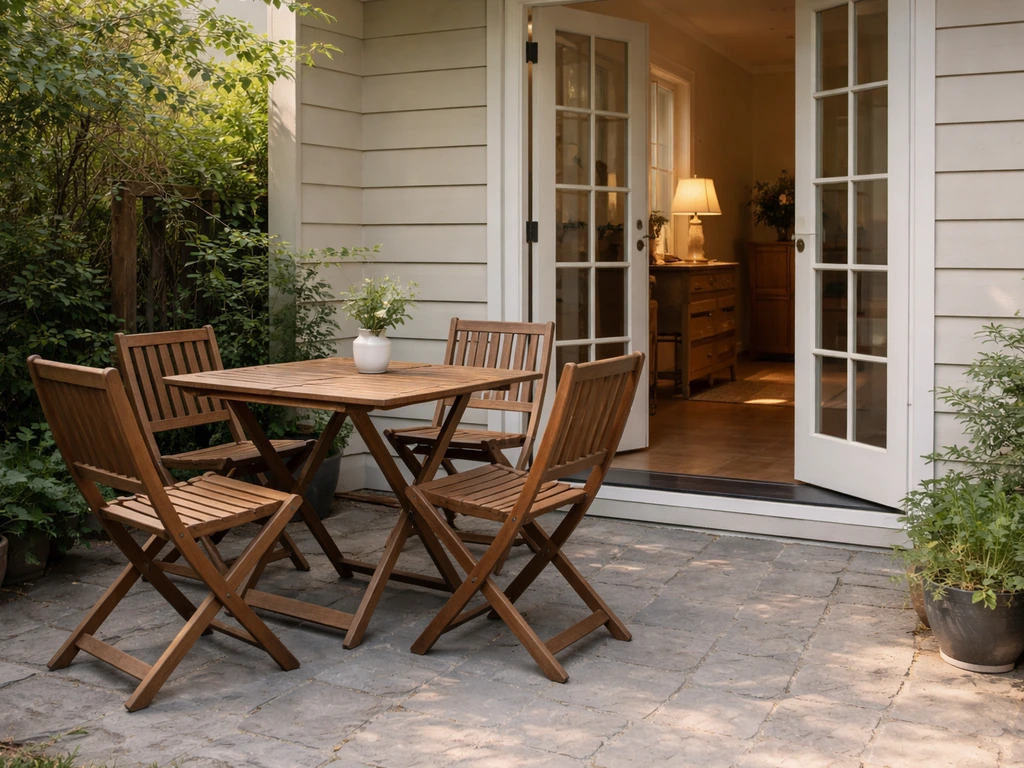
Merriam-Webster calls a patio "a recreation area that adjoins a dwelling, is often paved, and is adapted especially to outdoor dining." Cambridge is equally straightforward: "an area outside a house with a solid floor but no roof, for relaxing, eating, etc." Both definitions point to the same three things: it's outside, it's hardscaped, and it's next to the house. No roof, no elevation, no enclosure required.
In everyday residential use, a patio is essentially an extension of your indoor living space pushed outdoors. Builders and homeowners treat it as the outdoor equivalent of a living room or dining room, just without walls or a ceiling. It can be as simple as a concrete slab off the back door or as elaborate as a multi-zone stone terrace with built-in seating. The word doesn't imply a specific size or price point, just a particular type of outdoor hardscape at ground level.
Municipal zoning documents echo this. A city planning definition from Woodland, California describes a patio as "an outdoor area, often paved, adjoining a building that is used for outdoor open space." That language matters because it's what governs permits, setbacks, and what counts as livable area when a property is assessed. Knowing the official definition helps when you're reading listings or talking to a contractor about what you're actually building.
How to recognize a patio by location, layout, and materials
The fastest way to identify a patio in person or in listing photos is to look at three things: where it sits relative to the ground, how it connects to the house, and what it's made of.
- Ground level: A patio sits flush with the surrounding yard or grade. There are no steps up to it from the ground, and no elevated structure underneath it. If you step up to it from a door, it might be a deck.
- Direct home access: Patios almost always connect to a living area, kitchen, or dining room via a door, sliding glass door, or French doors. They function as an outdoor extension of that interior room.
- Hard, flat surface: Common materials include poured concrete, concrete pavers, brick, natural stone (bluestone, travertine, flagstone), and porcelain tile. The surface is solid and laid flat, not made of timber slats or composite boards.
- Open to the sky: Most patios have no overhead covering. When they do, the listing or building permit will typically call it a "covered patio" or reference a "patio cover" as a separate addition.
- No built-in guardrails: Because a patio is at ground level, it doesn't need railings or balustrades. If you see a railing around it, the structure has likely been elevated, which changes what it is.
Size varies enormously. A small apartment patio might be 60 to 80 square feet, while a suburban backyard patio can run 400 square feet or more. Scale alone doesn't define it. What matters is the combination of ground-level placement, hardscape surface, and adjacency to the home.
Patios vs. porches: the covered vs. open distinction
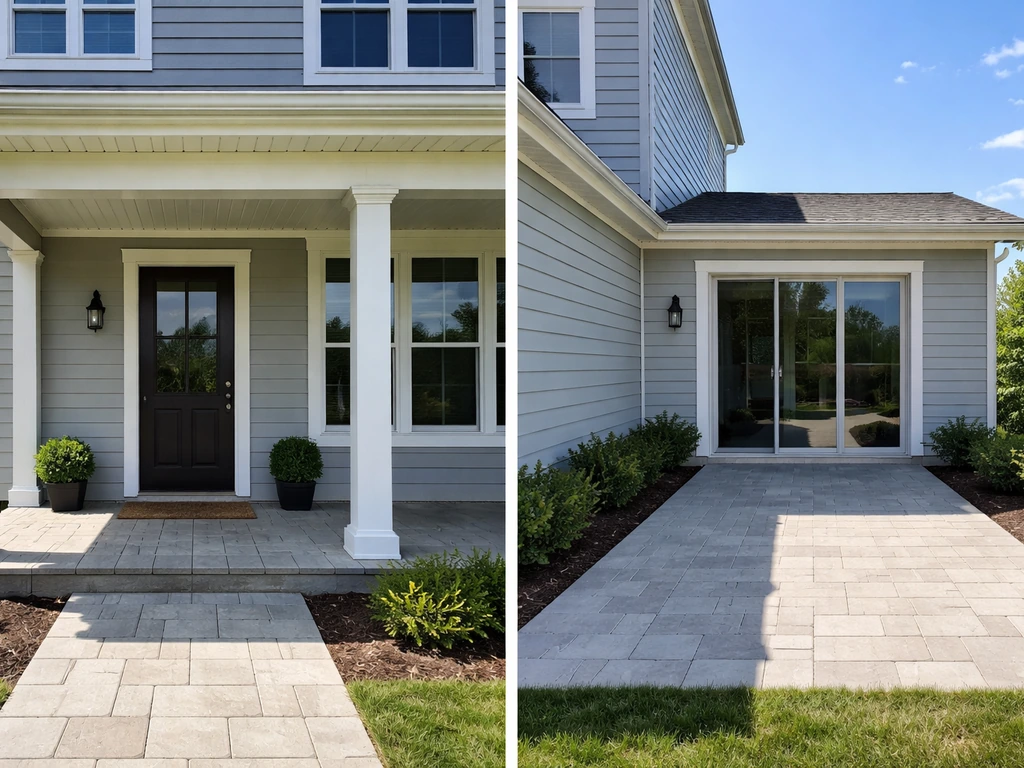
Porches and patios get confused constantly, but the difference is actually simple once you know what to look for. A porch is a covered, roofed structure that is architecturally part of the house itself, typically at the entrance. Merriam-Webster defines a porch as "a covered area adjoining an entrance to a building and usually having a separate roof." Cambridge adds that it's raised and sometimes partly enclosed. A patio has none of that built-in coverage.
Think of it this way: a porch is an intentional part of the home's original architecture, built with a roof overhead and often a raised floor. A patio is a separate hardscaped area that was added on to extend outdoor living. Porches shelter you from rain without any add-on; patios get wet unless you've installed a separate cover structure. In mortgage and real estate education, patios are often described as "standalone" compared to a porch, which is structurally attached to and covered by the house.
The practical implication for buyers: a home listed with a "covered porch" offers weather-protected outdoor space as a standard feature. A "patio" in the listing means open-air hardscape that may or may not have any shade or cover. For anything labeled patio weather meaning, the key is whether the space is open to the sky or protected by a cover. These are different lifestyle features with different maintenance and usability profiles.
Patios vs. balconies, verandahs, and terraces
These four terms all describe outdoor spaces attached to a home, but they differ significantly in elevation, coverage, and structural relationship to the building.
| Feature | Patio | Balcony | Verandah | Terrace |
|---|---|---|---|---|
| Elevation | Ground level | Elevated, projects from wall | Raised, at floor level of house | Raised or flat-rooftop level |
| Roof/Cover | Usually open, cover is an add-on | No roof | Typically roofed | Usually open |
| Structure type | Hardscape slab, independent of building | Cantilevered or supported platform | Roofed gallery, attached to building | Raised platform, open air |
| Access | Via door at ground floor | Via door at upper floors | Via door at main floor | Via door, steps, or building roof |
| Guardrails needed | No | Yes (required for safety) | Sometimes | Often yes if elevated |
A balcony projects from the wall of a building above ground level and is enclosed by a parapet or railing. It's an elevated platform, usually accessed from an upper-floor room. That's the clearest distinction from a patio: if you're above ground and you need a railing to be safe, it's a balcony, not a patio.
A verandah (also spelled veranda) is a roofed, open-air gallery attached to the exterior of the house, running along the front or side. It's similar to a porch but often longer and more wraparound in style. The key difference from a patio is that a verandah always has a roof and is structurally part of the building. A patio is typically open-air and is not load-bearing for the house structure.
A terrace can mean a few different things depending on context. In residential architecture, it typically refers to a raised, open flat area adjacent to a building, or it can refer to a rooftop terrace on a flat-roofed building. The word is sometimes used interchangeably with patio in casual conversation, especially in British English and European listings, but technically a terrace implies elevation or a deliberate raised platform, while a patio is at grade.
Patios vs. courtyards: it's about enclosure and the building footprint
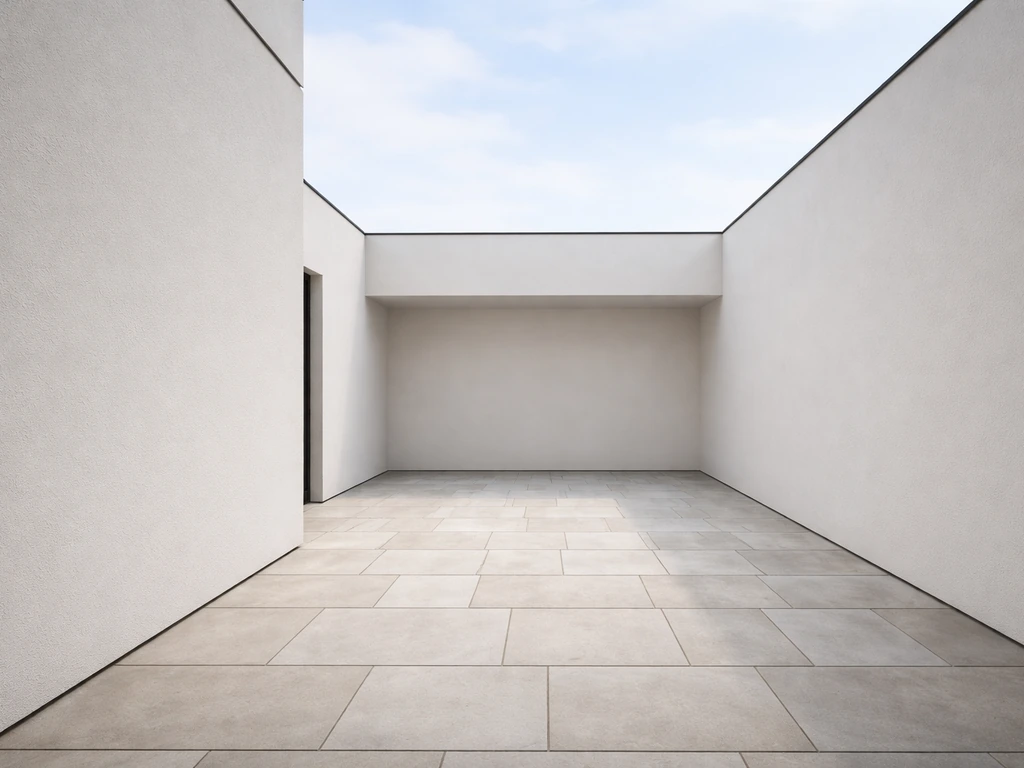
A courtyard is an outdoor, open-to-the-sky space that is partly or fully enclosed by the walls of a building or building complex. Cambridge defines it as "flat ground outside that is partly or completely surrounded by walls of a building." The defining feature is that the building wraps around the space, rather than the space being appended to the building.
A patio sits adjacent to a home, usually on one side of it. Collins English Dictionary defines a patio as a flat area of stone or concrete next to a house where people can sit, relax, or eat. A courtyard sits within or surrounded by the home or structure. In practical terms: if you walk out of your kitchen door onto a hardscaped slab in your backyard, that's a patio. If your house is built in a U-shape or square and the open space in the center is enclosed by the building on multiple sides, that's a courtyard.
This distinction matters in real estate because courtyards typically involve the building footprint and can affect structural changes, while patios are generally simpler to add, modify, or permit. For luxury and Mediterranean-style homes, the courtyard is often a design centerpiece, not just an outdoor amenity.
Regional and language meanings of "patio" in real estate listings
The word "patio" doesn't mean the same thing everywhere, and that matters if you're looking at properties internationally or buying in areas with strong Spanish-language architectural traditions.
In Spanish and Latin American architecture, "patio" refers specifically to an interior courtyard open to the sky, not an external hardscaped slab. The 1911 Encyclopaedia Britannica entry puts it plainly: "PATIO, the Spanish name for an inner court or enclosed space in a house, which is open to the sky." Spanish Wikipedia describes it as "a zone without a roof located inside a building." In traditional Andalusian homes, Moroccan riads, and colonial Latin American architecture, the patio is the central organizing space of the entire dwelling, with rooms arranged around it. This is architecturally closer to what English speakers call a courtyard.
In English-speaking real estate listings in the United States, Canada, Australia, and the UK, "patio" almost universally means the external, ground-level, hardscaped outdoor area described throughout this article. When you see "patio" in an MLS listing, a rental description, or a building permit in these markets, it means a paved outdoor area adjacent to the home, typically at the back or side, open to the sky.
Where it gets interesting is in listings for Spanish-style or Mediterranean-style homes in the American Southwest, Florida, or California. A home advertised with a "central patio" may genuinely have an interior courtyard space, not just a backyard slab. If that distinction matters for how you plan to use the space, it's worth asking the listing agent or reviewing the floor plan to confirm what the feature actually is.
Understanding this language shift also connects to related search terms like patio meaning and patio area meaning, which often reflect readers trying to decode what a listing or architectural description is actually saying. Understanding this language shift can also help when you are comparing terms like patio define versus patio meaning in listings. If you still wonder about patio meaning, focus on whether the feature is an exterior, ground-level hardscape next to the home patio definition. The short version: when in doubt, look at the floor plan and ask whether the patio is interior (courtyard-style) or exterior (backyard slab).
Why the patio definition matters for property value and buying decisions
Knowing exactly what a patio is, versus a porch, deck, or courtyard, has real financial and practical stakes when you're buying, selling, or building.
Listings and what you're actually getting
Real estate listings use these terms loosely, and buyers sometimes pay a premium based on a misread. A "covered patio" and an "open patio" are not the same thing: one gives you usable outdoor space in rain or strong sun, the other doesn't. Similarly, a "deck" and a "patio" are priced and maintained differently. Decks are elevated timber or composite structures; patios are ground-level hardscape. Both add outdoor living space, but their cost to build, maintain, and repair is different, and so is how appraisers tend to treat them.
Outdoor improvements can deliver strong returns. A well-built deck has been reported to return around 95% of its cost at resale in some markets. Patios are similarly valued for the usable outdoor living space they create, though the actual return varies by market, buyer expectations, and the quality of the build. The value isn't automatic; it's driven by whether the feature matches what buyers in that specific market expect and want.
Permitting and zoning: covered vs. uncovered matters
Whether a patio is covered or open-air can change how it's treated by your local zoning department. Some jurisdictions require permits for patio covers even when the patio slab itself doesn't need one. If you're planning to add a pergola, awning, or solid roof over your patio, check your local rules first, because a "patio cover" is often treated as a separate structure in building codes.
Quick checklist: how to confirm what you have (or what you're buying)
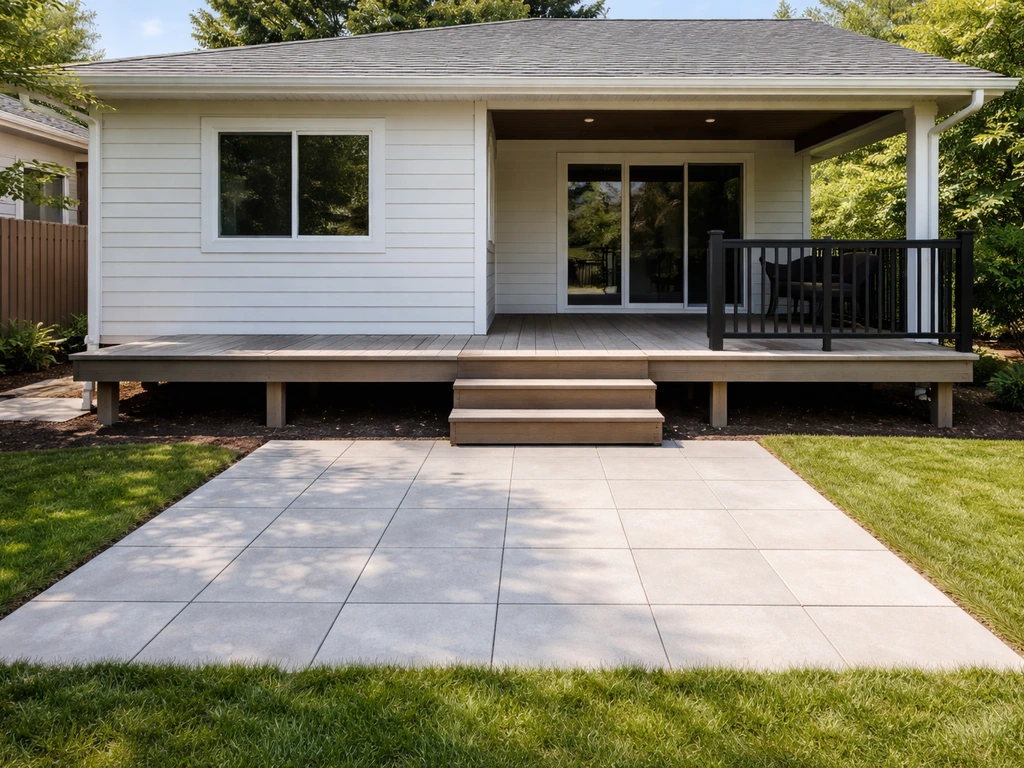
- Is it at ground level with no elevation? If yes, it's likely a patio. If it's raised above grade on a frame, it's more likely a deck.
- Is the surface a flat hardscape material (concrete, pavers, stone, brick, tile)? Patio. Timber or composite slats? Deck.
- Does it have a permanent roof built as part of the house? If yes, it's a porch or verandah. If not, it's an open patio (or a covered patio if a separate cover structure was added).
- Is it enclosed by walls of the building on multiple sides? If yes, it's functioning as a courtyard, regardless of what the listing calls it.
- Is it above the ground floor accessed from an upper room? It's a balcony.
- When talking to a contractor or agent, ask specifically: "Is this structure covered or open? Is it at grade or elevated? Is it permitted?"
Getting the terminology right before you sign a purchase agreement or pull a permit saves you from costly surprises. A patio is one of the most common and practical outdoor features in residential property, and once you know exactly what it is and isn't, reading listings and planning a build becomes a lot more straightforward. The phrase patio area meaning usually comes up when buyers are trying to confirm how that outdoor space is being described in a listing or plan.
FAQ
Does a “patio” include a cover, or is the cover a separate item?
Most listings treat “patio” as the hardscaped outdoor surface itself. If a cover is added later, it is usually described separately as “patio cover,” “pergola,” or “awnings,” so the amenities might be split into multiple line items on permits or HOA documents.
If the slab is slightly raised, does it still count as a patio?
Because a patio is defined by ground-level placement, elevated slabs are often labeled “deck” or “raised patio.” In practice, if you need steps and a railing, expect the listing and appraisal language to shift away from “patio,” even if the surface material looks similar.
What counts as “hardscaped” when someone calls a space a patio?
Yes. A patio can be made from many surfaces, but “hardscape” is the key. If it is mostly grass, gravel with no edging, or removable pavers that can be lifted up and reinstalled, some professionals will describe it as a patio area or outdoor seating area rather than a true patio.
If I only add shade to an existing patio, do I still need a permit?
In many jurisdictions, adding a simple shade structure may trigger a permit even when the slab is existing. A common edge case is lightweight pergolas, where the zoning department focuses on the structure attachment, footings, and setback rules, not just the fact that the patio already exists.
Do HOAs treat patio covers differently from open-air patios?
HOAs and local design review boards may use the patio definition to limit materials, colors, and modifications. For example, they often restrict adding roofed structures over an open patio, while allowing freestanding furniture or temporary umbrellas with fewer compliance requirements.
How is “patio area” measured in real estate listings or assessments?
“Patio area” usually refers to the square footage of the paved, usable outdoor surface, but measurement methods vary. When it matters (insurance, appraisal, taxes, or appraisal add-ons), ask whether the count includes steps, side walk extensions, and covered portions.
Is patio square footage counted as part of the home’s livable area?
A patio at ground level is typically considered separate from the home’s “livable area.” However, a partially covered patio can sometimes be discussed as usable outdoor space in marketing, even though it usually does not become interior square footage.
What’s the real usability difference between an open patio, a pergola patio, and a fully covered patio?
If you want rain protection, check whether the listing’s “covered” language includes real overhead clearance. A pergola with open slats, a partial roof, or a retractable awning may still leave the area unprotected in driving rain, which affects how usable it is compared with a fully roofed patio cover.
When a home is U-shaped, how do I tell whether I’m looking at a patio or a courtyard?
Courtyards are often described as enclosed or “surrounded by” the building, while patios are described as attached to a specific side and open to the yard. If the space is within a recessed building form (like a U-shaped home) and multiple walls enclose it, expect it to be classified closer to a courtyard.
How can I confirm whether “patio” in a Spanish-style home means an exterior patio or an interior courtyard?
In Spanish-influenced properties, an “interior patio” can mean an inward-facing courtyard open to the sky, not an exterior backyard slab. Always confirm with the floor plan, and ask whether rooms are arranged around the open space, because that indicates an inner courtyard layout rather than a typical exterior patio.
Next Article
Patio Define: What a Patio Is, Types, and How to Spot One
Define patio in plain English, spot one on listings, compare it to porch balcony courtyard, and learn common types.