
A blank" rel="noopener noreferrer">patio home in Ohio is typically a single-story or low-profile attached or clustered residence, built close to its lot lines, with a small private outdoor space (the "patio") as a defining feature, and usually sold or rented as part of a community where an HOA handles exterior maintenance and landscaping. In Arizona, the same core idea applies, but patio homes are often marketed through different community setups and HOA rules. The catch: Ohio real estate listings use the term loosely. One developer's "patio home" is another's "garden home," "cluster home," or "zero-lot-line home," and the specific features you actually get can vary significantly from one community to the next.
What Is a Patio Home in Ohio? Definition and Checklist

Ada Hollis
14 Jun 2026
What a patio home actually means (plain English)
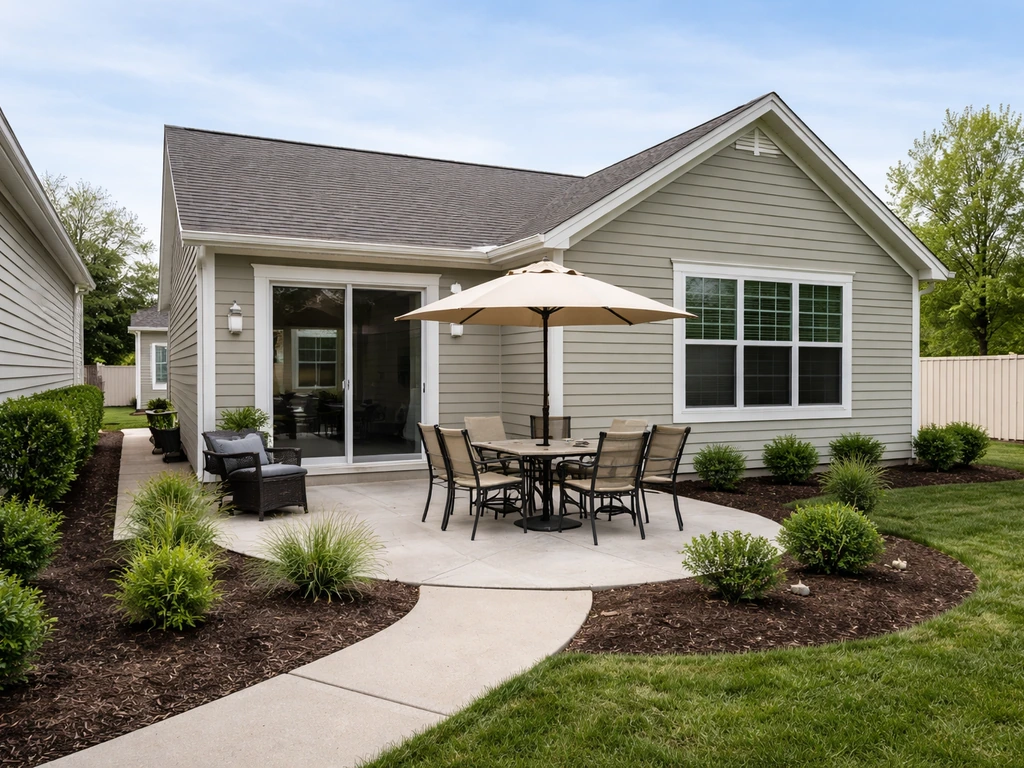
Strip away the marketing language and a patio home has a few consistent traits. It sits very close to one or more property lines, sometimes even sharing a wall with a neighboring unit. The "patio" in the name refers to a private outdoor area, usually at ground level, that's attached to the home and included in what you own or rent. The unit tends to be compact and single-story, or at most a story and a half, and the whole development is planned as a community where shared costs cover things like lawn care, snow removal, and exterior upkeep.
The term is not legally standardized anywhere in the U. S. , which is why it gets used interchangeably with "garden home," "carriage home," "cluster home," and "zero-lot-line home. Angi notes that patio homes are often marketed under alternate names such as garden homes, cluster homes, or carriage homes, and real estate lingo may call them zero-lot-line homes because they sit close to property lines [used interchangeably with other names like garden homes, carriage homes, cluster homes, or zero-lot-line homes](https://www.
angi. com/articles/what-patio-home. htm/). " Some Ohio municipalities, like Liberty Township, do define patio homes as a distinct dwelling type in their zoning codes, separate from cluster housing or zero-lot-line homes.
But many developers and listing agents use the term purely as a lifestyle descriptor, meaning you can't rely on the label alone to know what you're getting.
How Ohio listings typically use the term
In Ohio, "patio home" almost always signals a few things at once: low-maintenance living, a ground-level outdoor space, and proximity to neighbors. You'll see the term most often in planned communities in suburbs around Columbus, Cleveland, Cincinnati, Dayton, and Akron, typically marketed toward empty nesters, retirees, and downsizers who want less to take care of without giving up a private outdoor area.
The most common layout you'll find in Ohio patio home listings looks like this: a single-story unit with an attached garage, an open-concept interior, and a rear or side patio that's either fully private or semi-private (sometimes enclosed with fencing or landscaping). Units are often attached on one or both sides, though some Ohio communities do build detached patio homes on very small lots. The HOA fee typically covers lawn mowing, mulching, snow plowing, and exterior building maintenance, though the exact scope varies by community.
One important Ohio-specific nuance: some listings labeled "patio home" are actually condominiums from a legal ownership standpoint, while others are fee-simple (you own the land under the unit). This distinction matters enormously for financing, insurance, and resale, so it's worth clarifying early.
Patio vs. porch, balcony, verandah, and courtyard: what's actually different
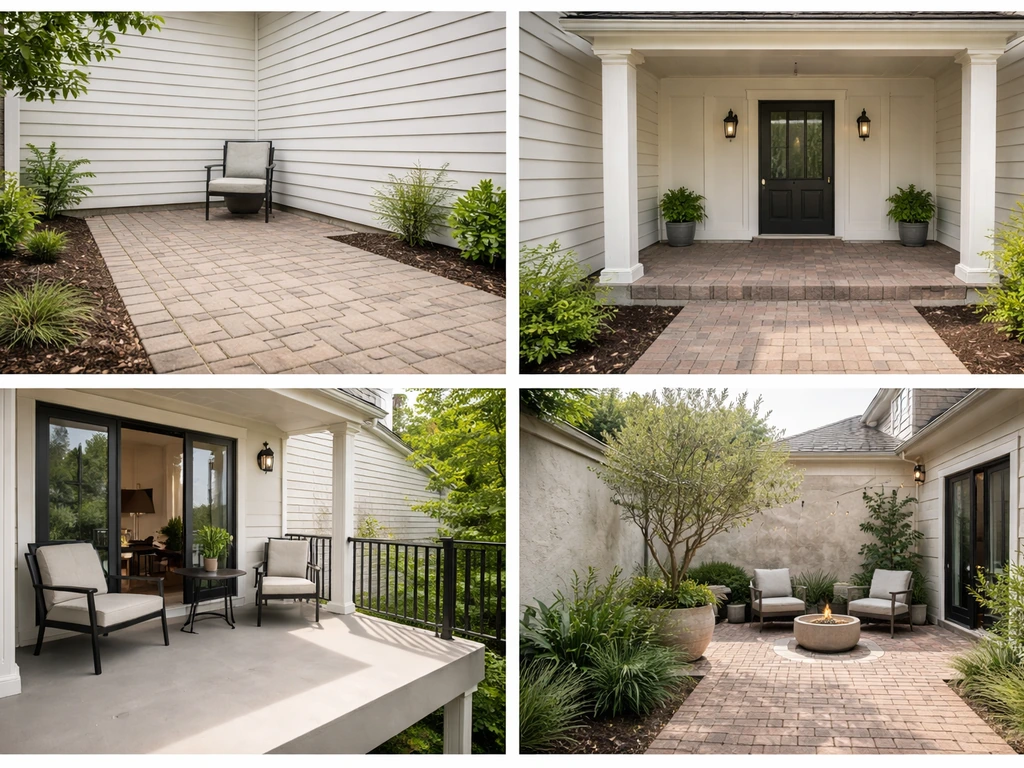
This confusion comes up constantly in listings, so it's worth laying it out clearly. A patio is a ground-level hard surface, typically paved with concrete, brick, or pavers, directly attached to or adjacent to the home. It's not elevated, not covered by a structural roof (though a pergola or awning might shade it), and not enclosed. That's what distinguishes a patio home from other housing types that get confused with it.
| Feature | What it is | Elevation | Typical covering | Enclosed? |
|---|---|---|---|---|
| Patio | Ground-level hard surface adjacent to the home | Ground level | Open, pergola, or awning | No |
| Porch | Covered platform attached to the front or rear of the home | Usually slightly raised | Structural roof | Sometimes screened |
| Balcony | Elevated platform projecting from an upper floor | Above ground | Open or partially covered | Rarely |
| Verandah | Large, wraparound covered porch, often with decorative railings | Slightly raised | Structural roof | Sometimes screened |
| Courtyard | Enclosed outdoor space surrounded by walls or the home's own footprint | Ground level | Open sky | Yes, by walls or structure |
In a patio home specifically, the outdoor space is almost always that ground-level patio, not a balcony, not a wrap-around verandah, and not a shared courtyard. If a listing says "patio home" but the photos show a second-floor balcony as the primary outdoor area, that's a red flag worth asking about. The patio, by definition, should be at ground level and private to your unit.
What to verify in any Ohio patio home listing
Before you get attached to a listing, run through these specifics. Ohio patio home communities can vary wildly on all of them, and glossy listing photos tend to show the best angles, not the full picture.
- HOA scope and cost: Ask exactly what the monthly or annual fee covers. Some HOAs handle everything outside the front door; others only mow the grass. Get the actual HOA documents, not just the listing agent's summary.
- Ownership structure: Is this fee-simple (you own the lot) or a condominium structure (you own the interior air space, the association owns the exterior and land)? This affects your mortgage options, insurance requirements, and what you can do with the outdoor space.
- Shared walls: How many walls does your unit share with neighbors? Which sides? Ask whether sound insulation was a priority in construction, and try to visit at a time when neighbors are home.
- Patio dimensions and privacy: Measure the patio or ask for dimensions. A "private patio" in some listings is a 6-by-8-foot concrete slab with no screening. Know what you're getting before you decide it fits your lifestyle.
- Parking and egress: Is the attached garage included in the purchase/rental price? Is there guest parking on-site? Some Ohio patio home communities have restrictive parking rules that surprise new residents.
- Maintenance responsibilities: Even in HOA communities, some repairs (HVAC, water heater, interior plumbing) fall to you. Clarify the line between HOA responsibility and owner responsibility in writing.
- Restrictions on the patio itself: HOAs often restrict what you can put on your patio (furniture, planters, grills, pergolas). Check the CC&Rs before you assume you can customize the space.
Is a patio home the right lifestyle fit for you?
Privacy and noise
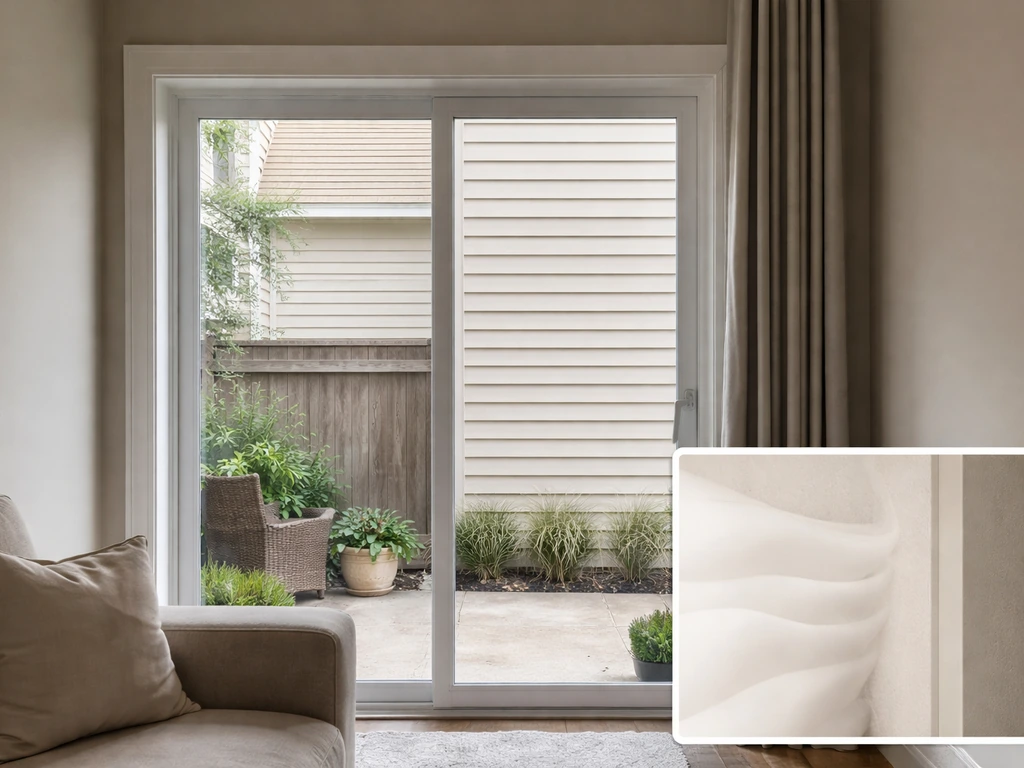
Shared walls mean you will hear neighbors at some level, and they will hear you. In well-built Ohio patio home communities, sound insulation is decent but not perfect. If you work from home, keep odd hours, or simply value quiet, ask specifically about the construction (concrete block versus wood frame makes a real difference), visit during the evening, and talk to a current resident if you can.
Accessibility and aging in place
Single-story patio homes are one of the best housing options in Ohio for aging in place. No stairs, ground-level entry, and manageable square footage are genuine advantages for anyone with mobility concerns or who wants to stay in one home long-term. Many Ohio patio home communities are specifically designed with this buyer in mind, featuring wider doorways, step-free entries, and accessible bathroom layouts. If this matters to you, ask the listing agent whether the home was built to any accessibility standards and look at doorway widths (32 inches minimum, 36 inches preferred) in the floor plan.
Upkeep expectations
The appeal of a patio home is mostly about reducing what you have to do yourself. If the HOA is well-run, you genuinely can hand off lawn care and snow removal without thinking about it. But HOA management quality varies in Ohio. Ask to see the last two years of meeting minutes and the current reserve fund balance. A community with an underfunded reserve is a financial risk that can hit you as a special assessment later.
Resale considerations
Patio homes in well-maintained Ohio communities tend to hold their value well because they serve a consistent buyer pool: downsizers, retirees, and buyers who want low-maintenance living. However, HOA fees are a factor for future buyers, and communities with aging infrastructure or poor financial management can be harder to sell. If you're buying, think about what the community will look like in 10 years, not just today.
Questions to ask and documents to check before you commit

Here's a practical checklist. Some of these apply whether you're buying or renting, though buyers need to go deeper on ownership and financial documents.
- Ask the listing agent: Is this property fee-simple or a condominium from a legal/title standpoint?
- Request the full HOA documents: declaration of covenants (CC&Rs), bylaws, current budget, reserve fund study, and the last 12 to 24 months of meeting minutes.
- Ask what is and is not covered by the HOA fee, in writing.
- Request the floor plan with dimensions, paying specific attention to patio size and any designated private outdoor area.
- Ask about any pending special assessments or recent HOA fee increases.
- Find out if there are restrictions on pets, short-term rentals, or patio modifications.
- Ask specifically about the shared wall construction and any noise complaints in the community.
- If buying: confirm with your lender whether the ownership structure affects loan type (FHA and VA loans have different rules for condos versus single-family fee-simple).
- If renting: ask whether the renter or landlord is responsible for HOA fee payment and compliance with HOA rules.
- Visit the property at different times of day and, if possible, talk to a current resident about what they like and don't like.
Common confusion: similar terms and how to read listings accurately
"Patio home" is one of the more inconsistently used terms in Ohio real estate listings. Here are the most common mix-ups and how to sort them out.
- Patio home vs. townhouse: A townhouse typically has two or more stories and shares side walls with neighbors. A patio home is usually single-story with a ground-level patio. Some Ohio listings blur this line by calling a two-story unit a patio home because it has a ground-floor patio.
- Patio home vs. condo: The word "condo" describes an ownership structure, not a building style. A patio home can be legally structured as a condo. If the listing says "patio home" but mentions condo association fees or condo documents, ask whether it's fee-simple or condominium ownership.
- Patio home vs. garden home: These terms are often used interchangeably in Ohio. If you see "garden home," expect essentially the same product: small lot, ground-level patio, HOA maintenance.
- Patio home vs. cluster home: "Cluster home" emphasizes the site plan, where units are grouped together with shared open space. A patio home can be a type of cluster home, but not all cluster homes are marketed as patio homes.
- Zero-lot-line home: This is a zoning and siting description, not a style. A zero-lot-line home sits right up against one property line (sometimes two), maximizing the usable yard on one side. Patio homes are often built zero-lot-line, but the terms mean different things.
- Patio home in other states: If you've looked at patio homes in Arizona, Texas, or Colorado, Ohio listings will feel familiar but not identical. Ohio climate means covered or four-season enclosed patios are more common marketing points than you'd see in warmer states, and community layouts often emphasize garage access and snow removal in ways that Sunbelt listings don't.
The bottom line when reading any Ohio patio home listing: don't rely on the label. Because the label works a little differently across states, it's helpful to also understand what a patio home means in Texas before you shop. Look at the floor plan, read the HOA terms, and clarify the ownership structure. The word "patio home" tells you the lifestyle the developer is selling; it doesn't guarantee a specific set of features.
If you're comparing options in Colorado, the same core idea usually applies: a low-maintenance home built around a private, ground-level patio area, but the exact setup can vary by community and HOA rules patio home in Colorado. Once you know what questions to ask, you can cut through the marketing language and figure out whether any given property actually delivers the low-maintenance, ground-level, private-outdoor-space lifestyle the term promises.
FAQ
What HOA costs are typically included with an Ohio patio home, and what should I double-check?
Ask for the HOA budget, not just the fee amount. You want to know what is included (lawn mowing, snow removal, exterior painting, roof or siding, common-area maintenance) and what is excluded, then confirm whether the fee can rise annually by a fixed formula or by a vote at any time.
How can I tell whether a patio home in Ohio is a condo or fee-simple property before I apply for financing?
In Ohio, “patio home” can be either condo ownership or fee-simple. Request the recorded declaration or deed type in writing, and ask how exterior components are handled (who insures and who pays for repairs like roofs, siding, and shared-wall structures).
Can I customize my patio space or add things like fencing, a pergola, or planters in an Ohio patio home community?
If the HOA handles landscaping, ask who controls the patio area and fencing, including whether you can add a gate, change planter placement, or install a shade structure. Many HOAs restrict exterior changes even inside your property line.
What should I check to ensure the “private” patio in a patio home is actually private?
Don’t assume all patios are truly private. Verify whether the patio is enclosed by fencing or landscaping, whether the rear is backed by a sidewalk or common walkway, and whether any neighbor shares access through the same yard area.
How do I evaluate noise risk when a patio home shares walls with neighbors?
Listen for construction differences. Ask whether the attached units are built with masonry or block walls versus wood framing, then do a second visit at night to gauge street noise, neighbor noise, and any mechanical noise from HVAC or garages.
What accessibility details should I confirm for an Ohio patio home if I’m planning to age in place?
If you need accessibility, ask for specific measurements. Confirm entry is step-free, check doorway widths on the floor plan, and ask whether the bathroom layout supports your needs (turning radius, walk-in shower versus tub, grab bar placement).
How can I tell whether an HOA reserve fund in an Ohio patio home community is strong enough?
Ask about special assessments and what triggered them in the past. Request recent HOA meeting minutes and evidence of reserve funding, then ask whether the community has an announced major project (roof replacement, paving, exterior painting, or common drain repairs).
Who is responsible for insurance coverage in an Ohio patio home, and what coverage should I carry?
Verify insurance responsibilities in writing. In condo situations, you may have HOA building coverage for certain components, but you still typically need personal liability and interior coverage, while fee-simple buyers often cover a larger portion of the exterior themselves.
What on-site checks should I do to confirm the patio layout and drainage are as described in the listing?
Listing photos can hide attached neighbors and patio layout. Bring a tape measure if possible, confirm patio surface material and drainage (look for ponding after rain), and check whether downspouts drain toward your patio or toward a shared system.
Will a patio home in Ohio be easier to resell, or does the HOA determine resale more than the home itself?
Treat resale as a community-level factor. Ask how quickly units sell in that HOA, review price changes over the last year, and ask an agent to compare days on market for similar patio home units with the same HOA versus other nearby developments.
Next Article
What Is a Patio Home in Colorado? Key Features and FAQs
Plain-English guide to what a Colorado patio home is, key traits, HOA upkeep, and how to spot the real definition in lis