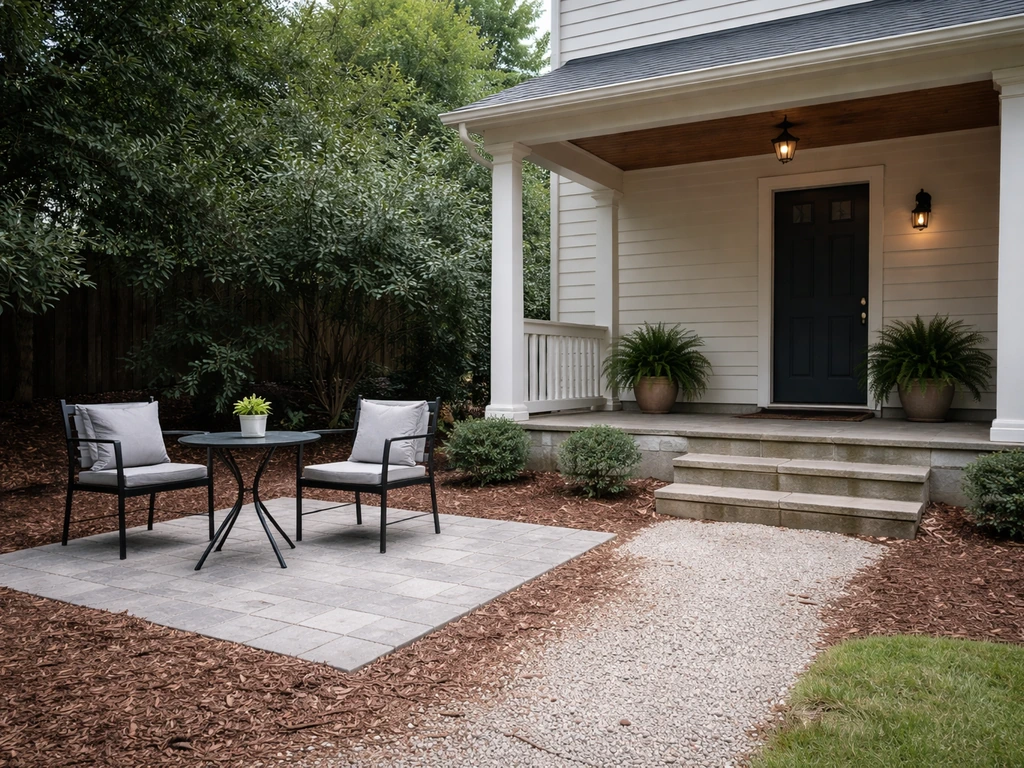
A standard open patio is not considered living space. It is an outdoor area and is excluded from a home's finished square footage under ANSI Z765 and Fannie Mae appraisal guidelines. However, once you enclose that patio with walls, proper windows, a conditioned ceiling, and year-round climate control, the calculation changes entirely. The line between "outdoor patio" and "living space" comes down to a handful of specific construction and documentation criteria, and getting that distinction right matters a lot when you are buying, selling, appraising, or permitted a home.
Is a Patio Considered Living Space? Covered vs Enclosed

Ada Hollis
14 Jun 2026
What "living space" actually means (and what outdoor space means)
In real estate and appraisal language, "living space" or "finished living area" refers to interior space that is heated or cooled to year-round comfort, finished with standard materials (drywall, flooring, ceiling), and fully enclosed by exterior walls. The industry standard for measuring this is ANSI Z765, the American National Standard for calculating and reporting residential square footage. Under blank" rel="noopener noreferrer">ANSI Z765-2020, spaces like porches, balconies, decks, and similar outdoor-adjacent areas are explicitly excluded from gross living area calculations if they are not enclosed or not suitable for year-round use. A patio, by default, falls into that excluded category.
Outdoor space, on the other hand, is any area that is open to the elements, screened but not fully enclosed, or simply not conditioned for year-round occupancy. It contributes to a property's enjoyment and can influence value, but it does not count toward the square footage number that appears in a listing or appraisal report. This distinction seems straightforward until you start dealing with covered patios, screened enclosures, and converted sunrooms, which is where most homeowners get confused.
What a patio actually is
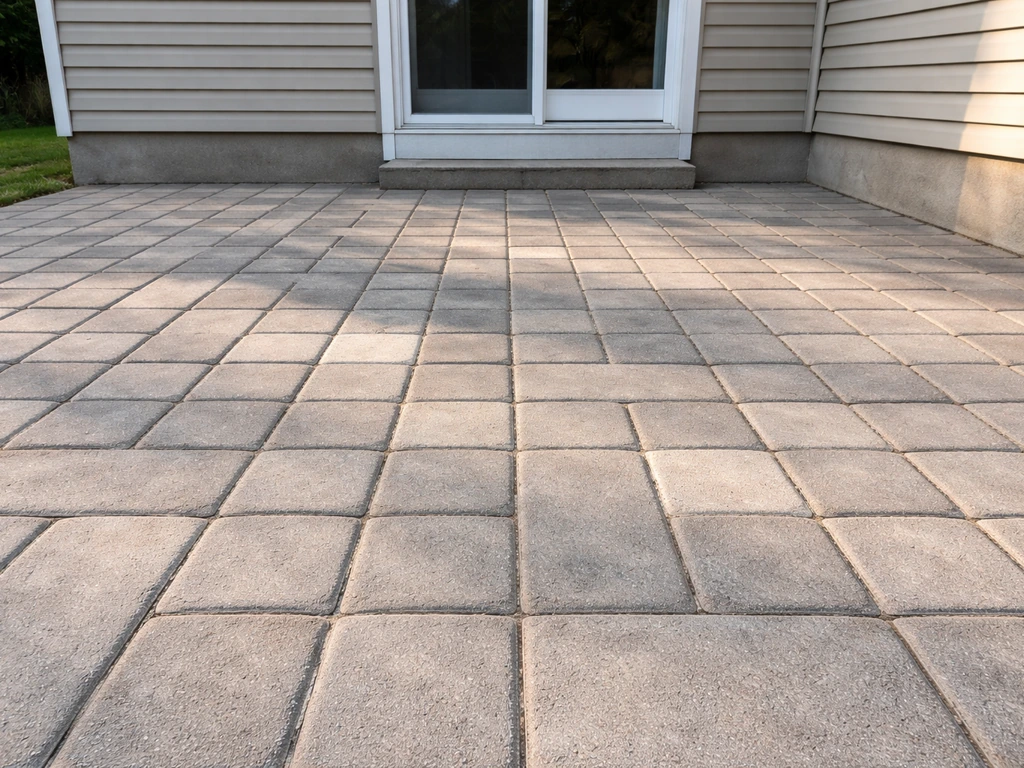
A patio is a ground-level outdoor surface, typically paved with concrete, brick, flagstone, or pavers, attached to or near the home and used for outdoor living. It has no roof, no enclosing walls, and no climate control. It sits at grade (ground level), which is one of the key features that distinguishes it from a deck (elevated on a frame) or a porch (covered and typically attached to the front of a home). Patios are common in the back and sides of homes and are used for dining, lounging, and entertaining.
The word patio comes from Spanish, where it historically referred to an inner courtyard of a building. In modern American residential use, it has come to mean almost any paved outdoor space adjacent to a home. This is worth knowing because some homeowners and real estate listings use the word loosely, sometimes calling a covered outdoor room or even a screened porch a "patio." The label matters less than the physical characteristics when you are trying to figure out if a space counts as living area.
Covered patio: does it count as living space?
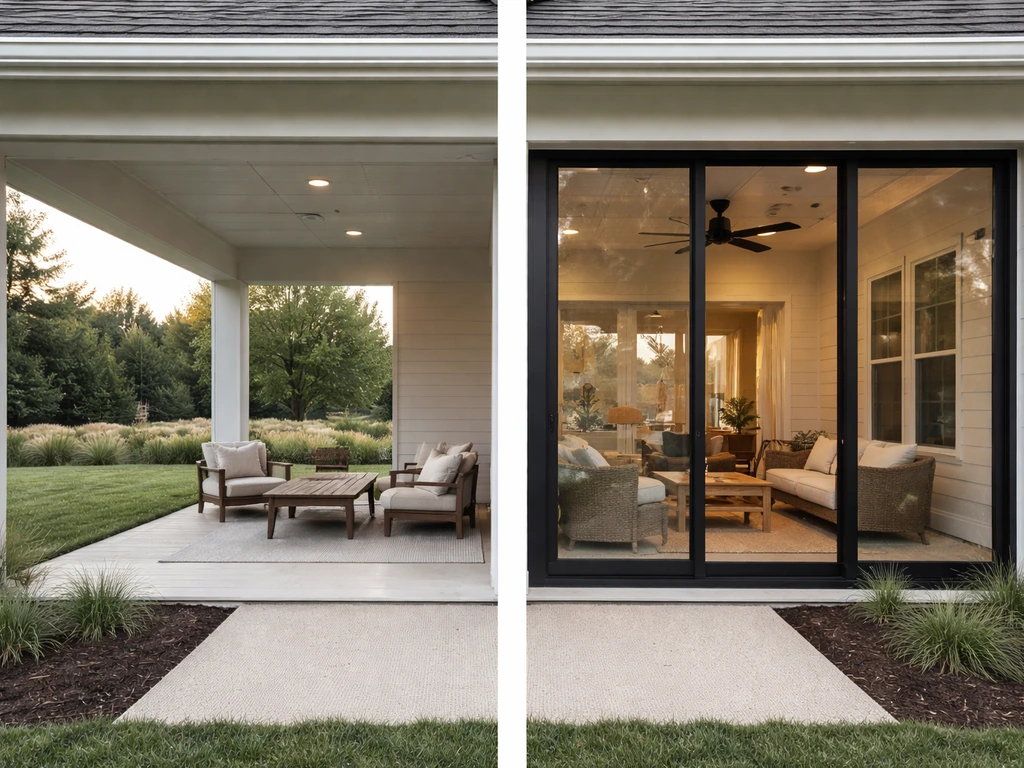
A covered patio, meaning a patio with a roof structure overhead but open on the sides, is generally not considered living space. The roof provides shade and rain protection, but the area is still open to the outside air. It is not enclosed, it is not conditioned, and it does not meet the standard for finished living area under ANSI Z765 or Fannie Mae guidelines. On an appraisal, it would typically be noted as a feature that contributes to the property but would not be added to the gross living area number.
That said, a covered patio can influence a home's appraised value as an amenity. An appraiser will note it, factor in the quality of construction, and it may contribute to the overall value of the property without being counted in the square footage. Think of it similarly to a garage: valuable, noted, but calculated separately.
Where it gets complicated is when a covered patio has partial walls, privacy screens, or is partly enclosed on one or two sides. Those features do not automatically make it living space. You still need full enclosure and year-round conditioning for it to cross that line. A pergola with a solid roof and two half-walls is still an outdoor feature, not a room.
Enclosed patio: when it becomes living space
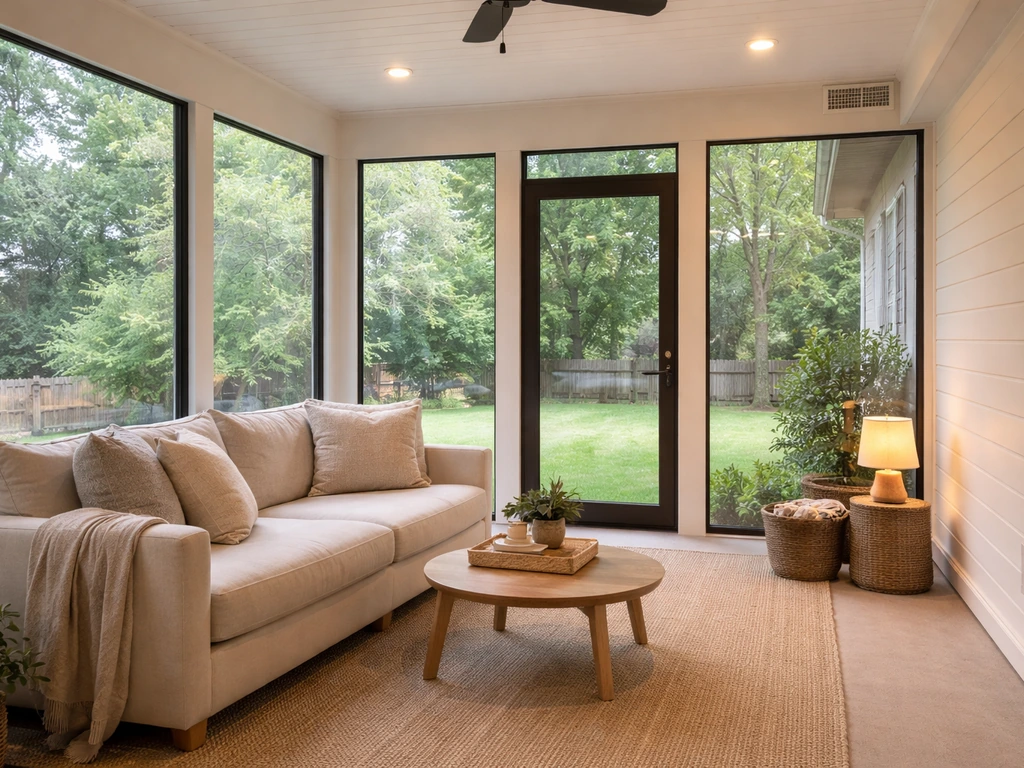
An enclosed patio can qualify as living space, but only when it meets a specific set of criteria. Enclosure alone is not enough. Plenty of enclosed patios are screened or wrapped in windows but remain unconditioned, meaning they are not heated or cooled to a comfortable year-round temperature. Those spaces, often called Florida rooms, three-season rooms, or screen enclosures, do not count as finished living area.
For an enclosed patio to be counted as living space in an appraisal or real estate listing, it generally needs to be fully enclosed with walls and proper windows (not just screens), conditioned by the home's HVAC system or a dedicated heating and cooling unit, finished with standard interior materials like drywall, flooring, and a ceiling, connected directly to the interior of the home through a doorway, and built with permits. When all of those boxes are checked, the space is functionally a sunroom or bonus room and is treated as finished living area.
Even then, Fannie Mae's updated appraisal framework introduces some nuance. Under UAD 3.6, areas that are finished but not contiguous with the main living space or that do not match the rest of the home's construction quality may be reported as "noncontinuous finished area" separately from the main above-grade finished area. This means a converted patio, even if it technically qualifies as finished space, may not simply get added to the main square footage number. It depends on how the appraiser documents it and how the space connects to the rest of the home.
How to figure out where your patio falls
Here is a practical checklist you can run through for your specific patio. The more boxes you check in the "yes" column, the more likely the space qualifies as, or could qualify as, finished living area.
| Criteria | Counts toward living space if... | Does NOT count if... |
|---|---|---|
| Enclosure | Fully enclosed with solid walls and windows on all sides | Open on any side, or only screened |
| Roof/Ceiling | Solid, finished ceiling that is part of the structure | Open, lattice, pergola, or unfinished overhead cover |
| Climate control | Connected to home HVAC or has dedicated heating and cooling | No heat or AC, or only a portable unit |
| Flooring | Finished interior flooring (tile, hardwood, LVP) | Bare concrete slab, brick pavers, or outdoor materials |
| Interior access | Opens directly into the home through an interior-grade door | Accessed only through an exterior door or separate entrance |
| Year-round use | Comfortable and usable in all seasons | Only usable in mild weather (three-season room) |
| Permits | Built or converted with a permit and final inspection | Unpermitted addition or conversion |
| Documentation | Shown on home's floor plan and appraisal as finished area | Listed as a separate feature or amenity only |
If you are trying to get a definitive answer for a real estate transaction, ask a licensed appraiser to physically inspect the space. They will apply ANSI Z765 measurement standards and Fannie Mae guidelines directly to what they see. A real estate agent's judgment or an online listing's square footage claim is not the authoritative answer here.
Why this distinction matters more than you might think
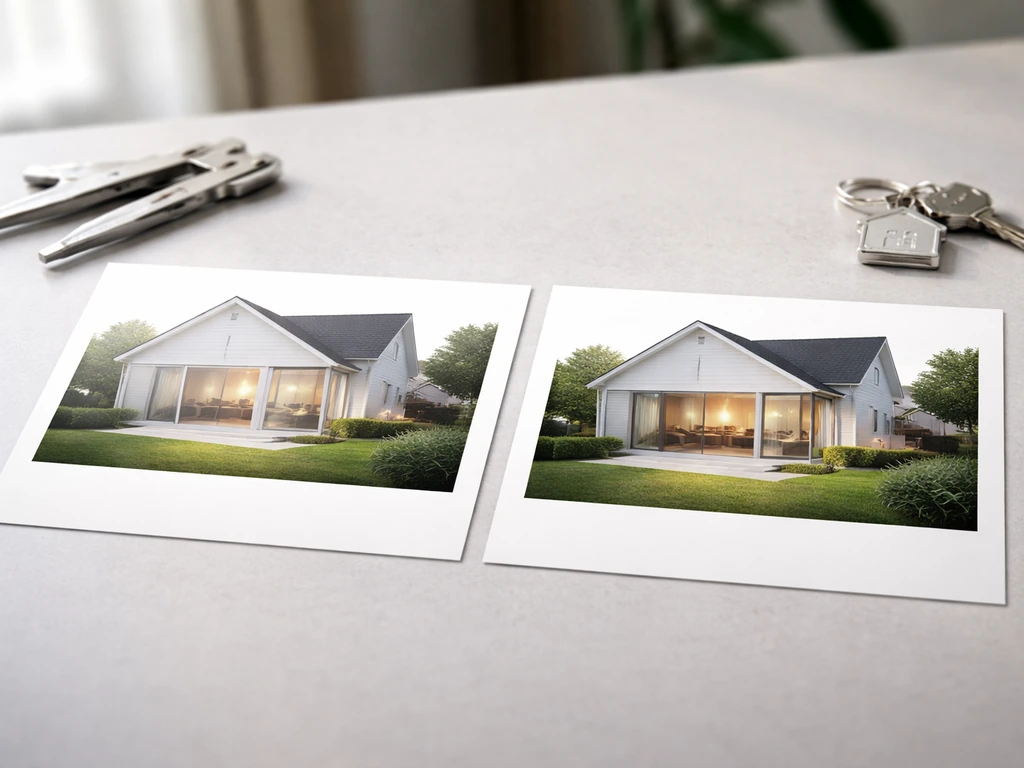
Real estate listings and square footage
Listing square footage is supposed to reflect finished living area only. If a seller has counted an enclosed but unconditioned patio as part of the home's square footage, that number is misleading. Buyers who pay based on an inflated square footage claim can end up overpaying, and they may have limited legal recourse depending on how the listing was worded. If you are shopping for a home and notice that it has a large enclosed or covered patio, ask specifically whether that space is included in the listed square footage.
Appraisals
Appraisers using Fannie Mae-backed loan guidelines follow ANSI Z765 and the UAD framework to measure and report space. Under the updated [UAD 3. ](https://singlefamily. fanniemae.
com/delivering/uniform-mortgage-data-program/uniform-appraisal-dataset)6 structure, a converted or enclosed patio that does not meet all the criteria for finished above-grade living area may be reported as a "nonstandard finished area" or "noncontinuous finished area" and listed separately in the appraisal grid, not added to the main square footage. Fannie Mae’s June 2025 Appraiser Update notes that UAD 3.
6 uses these "nonstandard finished area" and "noncontinuous finished area" definitions to bridge ANSI’s "finished area" concept to true finished versus unfinished space distinctions Under UAD 3. 6 structure, a converted or enclosed patio that does not meet all the criteria for finished above-grade living area may be reported as a "nonstandard finished area" or "noncontinuous finished area".
This means lenders will see the distinction, and the home's value calculation will reflect it. An unconditioned three-season room will not add dollar-for-dollar to a home's appraised value the way a properly finished sunroom would.
Permits and inspections

Converting a patio into enclosed living space almost always requires a building permit. This typically involves structural review, electrical work for lighting and outlets, HVAC extension or addition, and a final inspection. Doing this work without a permit is a common mistake, and it creates real problems at sale time when a buyer's lender orders an appraisal. An appraiser who spots an unpermitted conversion can flag it, refuse to include it in the living area, or note it as a deficiency. Some lenders will not finance a home with known unpermitted additions until they are remediated.
Property taxes
In many jurisdictions, adding finished living space triggers a reassessment of your property's taxable value. An enclosed, conditioned patio conversion is the kind of improvement that a county assessor may identify during a permit pull or a routine reassessment visit. If you have done an unpermitted conversion, you may still face a tax adjustment if the assessor identifies it, without getting the benefit of the legal finished square footage for appraisal or listing purposes. It is a worst-of-both-worlds situation worth avoiding.
Patio vs. porch vs. sunroom: clearing up the terminology
These three terms get used interchangeably all the time, but they describe meaningfully different things in real estate and architecture. Porch and patio are not the same thing, even though they can both be outdoor spaces. Here is a quick breakdown so you can read a listing or talk to an appraiser with clarity.
| Feature | Patio | Porch | Sunroom / Bonus Room |
|---|---|---|---|
| Location | Ground level, at or behind the home | Attached to front, rear, or side of home | Attached to home, often where patio or porch was |
| Enclosure | Open (no walls or roof) | Covered, may be screened or partially enclosed | Fully enclosed with solid walls and windows |
| Climate control | None | Usually none; sometimes a space heater | Yes: connected to HVAC or dedicated unit |
| Counts as living space? | No | No (even if screened) | Yes, if properly finished and conditioned |
| Counts toward square footage? | No | No | Yes, if it meets ANSI/Fannie Mae criteria |
| Permit usually required? | Sometimes (for the slab or cover) | Yes for a covered structure | Yes, almost always |
A porch is covered and attached to the home but is typically open or screened and does not count as living space. Whether a patio is the same as a porch is a common question, and the short answer is no: a porch is almost always covered and often elevated with railings, while a patio is at grade and open. A balcony is elevated and attached to an upper floor. A verandah is a wraparound porch, common in older homes. A courtyard is enclosed by the building structure itself, often seen in Spanish Colonial or Mediterranean architecture. None of these count as finished living space unless they have been formally converted and conditioned.
The space most easily confused with living area is the sunroom. A true sunroom is what a well-converted, permitted patio becomes: a fully enclosed, conditioned, finished room that functions like any other room in the house. When you see a listing describe a space as a "bonus room" or "sunroom," that is the signal that it may be included in the square footage, though you should always verify it against the appraisal.
The bottom line for your situation
If you are dealing with a plain open patio, it is not living space, full stop. If you have a covered patio with a roof but open sides, it is still not living space, though it adds value as an amenity. If you have an enclosed patio, your answer depends on whether it is conditioned year-round, finished with interior materials, connected to the home's interior, and built with permits. Run through the checklist above, and if the stakes are high (a sale, a refinance, a renovation loan), hire a licensed appraiser to make the call officially. The terminology around patios, porches, and sunrooms is genuinely confusing, but the underlying criteria are clear once you know what to look for.
FAQ
If my patio is fully covered but still open on the sides, does it count as living space for a listing or appraisal?
Usually no. Even if it has flooring and furniture, a roofed outdoor area without true interior-style windows and HVAC conditioning is still treated as an outdoor amenity, so it would not be added to gross living area.
My patio is enclosed with screens, is that the same as an enclosed patio that counts as living space?
Not necessarily. Screened patios or three-season rooms are commonly enclosed but unconditioned, appraisers typically describe them separately, and lenders often exclude them from finished above-grade living area unless they meet year-round heating and cooling criteria.
How do I tell if my “enclosed patio” is actually conditioned for year-round use?
Look for whether the space has a continuous thermal system and ducting or a dedicated HVAC unit, plus a permanent wall and window setup that keeps the room comfortable in winter and summer. If it only has a mini-split used seasonally, it may still be treated as noncontinuous or unqualified.
Does having a door from my enclosed patio into the house automatically mean it will be counted in square footage?
A permanent door connection helps, but it is not enough by itself. If the room is separated from the home’s conditioned envelope or lacks proper windows and interior finishes, an appraiser can still classify it as noncontinuous or nonstandard finished area.
I added a roof to my patio and called it a room, will that change the square footage count?
If the roof is built over a terrace without converting it into an interior room (walls, windows, HVAC, permits), it typically remains outside finished living area. The key distinction is whether it meets the “room” criteria under ANSI Z765 style measurement, not whether it feels like a room.
What difference does a permit (or lack of one) make for how an appraiser treats an enclosed patio?
Yes, and it can affect documentation and tax records. If the enclosure was permitted and inspected, you are more likely to have consistent reporting, but if it was partially permitted, appraisers may still split it into categories based on what was actually approved.
If an enclosed patio appears in the appraisal, will it always be included in the main square footage number?
You should ask for the exact appraisal classification, not just the total square footage. Terms like “noncontinuous finished area” and “nonstandard finished area” may still show up, even if the space is usable, and those categories can be excluded from the main living area number.
How can I confirm whether a seller’s advertised square footage includes a patio conversion?
To protect yourself, verify whether the listing includes it by checking the listing language and asking the agent to confirm whether the square footage includes any “noncontinuous” or “three-season” areas. If the seller cannot confirm, you may want a buyer’s appraiser review or appraisal contingency.
Can I get credit toward living space if my enclosed patio was built with walls but no HVAC yet?
Sometimes. Some builders and municipalities allow certain enclosures without full heating, but lenders usually still follow conditioning and finished-material criteria. If there is no year-round HVAC capability, it often stays outside living area even if the structure is enclosed.
What if the patio conversion has drywall and a ceiling, but the windows are different or lower quality, does that affect eligibility?
Yes. If the room was built with drywall, flooring, and a ceiling but was never finished to meet room standards, the appraiser may treat it as unfinished or exclude parts of it, especially if windows are missing or not installed to a typical grade of construction.
Next Article
Is a Patio a Porch? Key Differences and Quick Checklist
See if your outdoor space is a patio or porch with clear definitions, edge cases, and a fast checklist.