Patio homes can be a solid investment, but only when you go in with clear eyes about what you're actually buying. They tend to appreciate steadily in retirement-friendly and low-maintenance lifestyle markets, carry lower entry prices than comparable single-family homes, and attract a reliable buyer pool. If you are weighing the benefits of a patio home, focus on how appreciation, low upkeep, and a predictable buyer pool line up with your timeline. The catch is that HOA fees, potential special assessments, and rental restrictions can quietly erode returns if you don't stress-test the numbers before you close.
Are Patio Homes a Good Investment? Costs, Risks, and Returns

Ada Hollis
27 Jun 2026
What a patio home actually is (and how it's laid out)
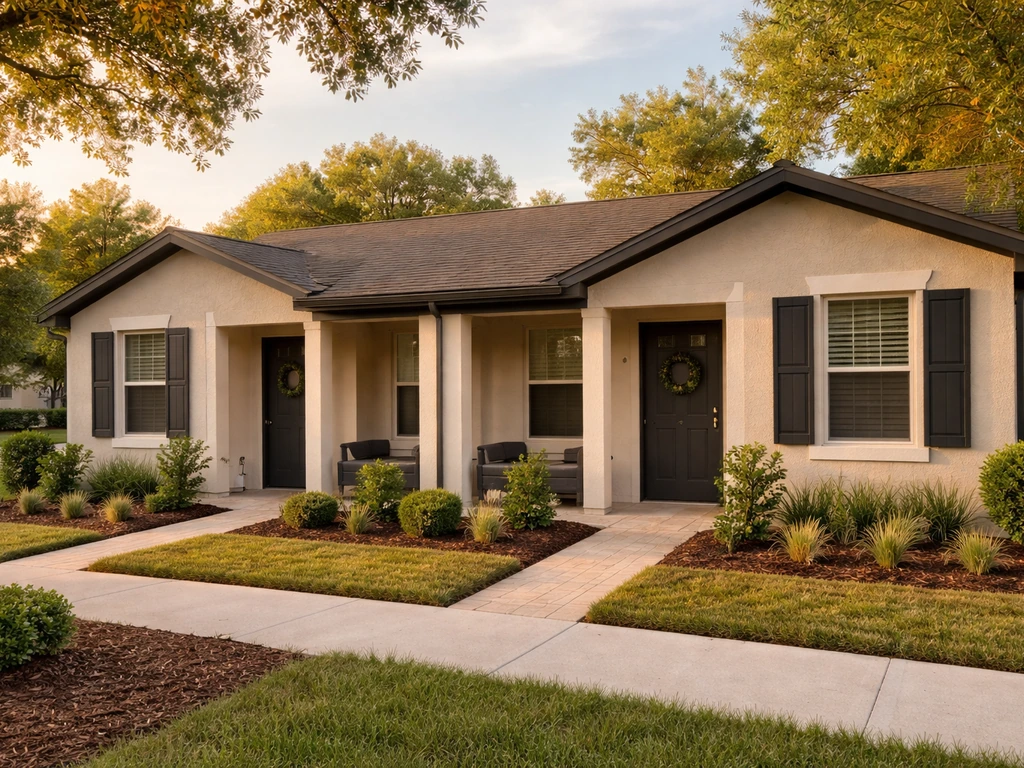
Here's the terminology problem you'll run into immediately: "blank" rel="noopener noreferrer">patio home" has no standardized legal definition. The term is used generically across listings, and the same property might appear as a cluster home, garden home, or even a townhouse depending on the market and the agent. What most listings mean by patio home is a single-family residence with a small footprint, often featuring a private courtyard or patio as the central outdoor living space, built on or very near its property line (sometimes called a zero-lot-line design).
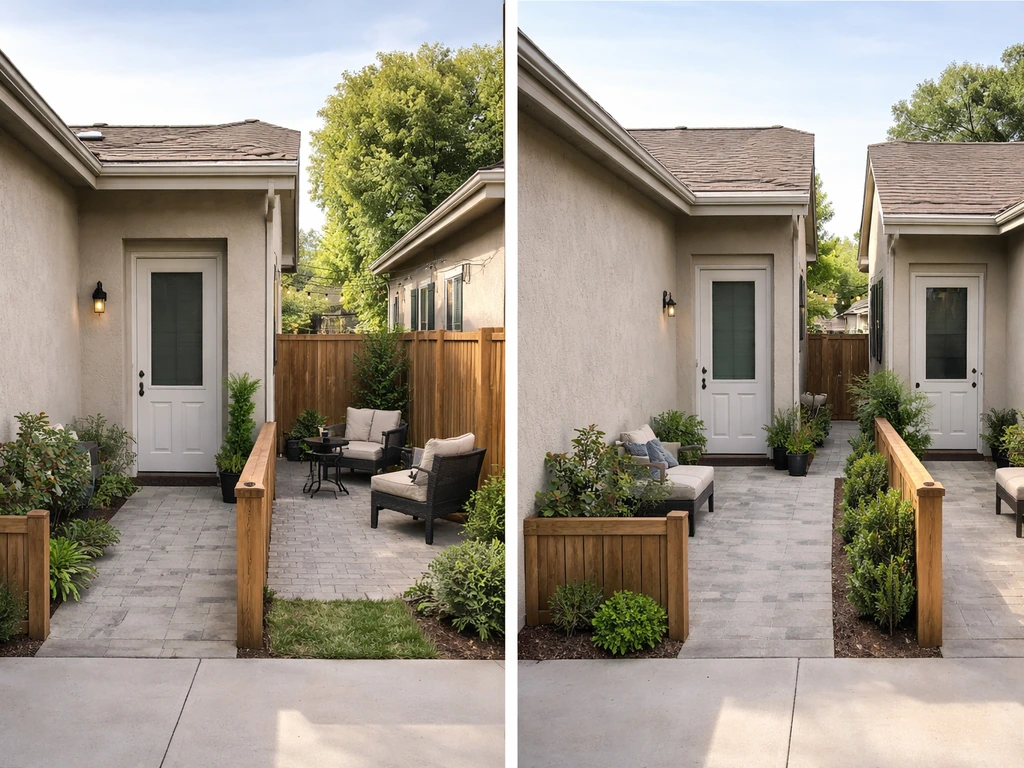
That zero-lot-line setup is worth understanding. One exterior wall may sit right on the property boundary, which gives the neighbor a side yard while the other side of the home has minimal setback. Some patio homes are fully detached but sit extremely close to neighboring units. Others share at least one wall, much like a townhome or condo. The shared-wall version is important for insurance and maintenance decisions, so always confirm whether your prospective patio home is attached or detached before assuming anything.
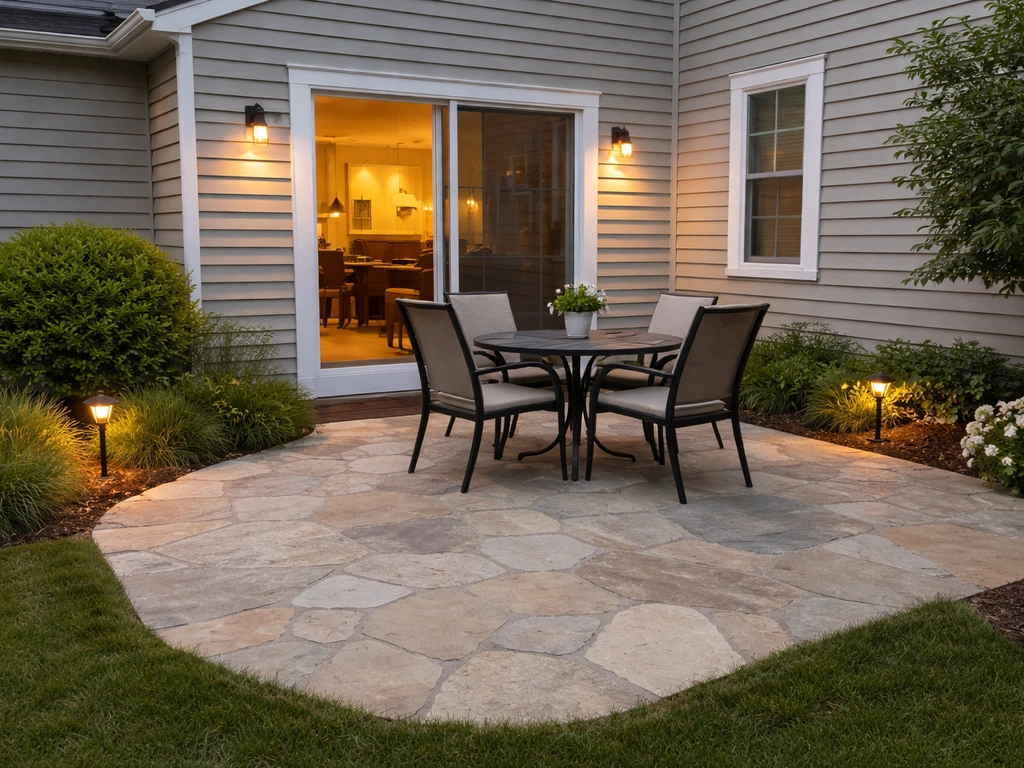
The outdoor feature that gives the housing type its name is genuinely central to the design. Unlike a porch (which faces the street and is attached to the home's front), a balcony (which is elevated and typically cantilevered off an upper floor), or a verandah (a roofed wrap-around gallery common in older architecture), the patio in a patio home is usually a private, ground-level courtyard tucked within the property boundary. That distinction matters for daily living and resale, since the patio functions as the primary private outdoor space in a compact footprint.
Most patio home communities are organized around an HOA that maintains shared amenities like pools, landscaping, and walkways. In Redfin's explanation, patio home communities are often organized around an HOA that maintains shared amenities like pools, landscaping, and walkways. Individual owners may still be responsible for their own unit's exterior maintenance, or that responsibility may be covered by the HOA depending on the CC&Rs. Always read those documents carefully before making an offer.
Patio homes vs. condos, townhomes, and single-family homes
The investment case for a patio home depends heavily on how it compares to alternatives in the same price bracket. If you're asking whether are patios a good investment, start by comparing that investment case to other nearby options in the same price bracket investment case for a patio home. Each structure type comes with a different ownership model and a different risk-reward profile.
| Feature | Patio Home | Condo | Townhome | Single-Family Home |
|---|---|---|---|---|
| Ownership | Fee simple (land included) | Unit only, common areas shared | Fee simple or leasehold, varies | Fee simple (land included) |
| Shared walls | Sometimes (zero-lot-line or attached) | Typically yes (floor/ceiling too) | Yes (side walls) | No |
| HOA | Usually yes | Almost always yes | Usually yes | Sometimes (community HOA) |
| Land ownership | Yes | No | Yes (limited) | Yes |
| Maintenance burden | Low to moderate | Low (exterior covered) | Moderate | High |
| Entry price vs. market | Below single-family, above most condos | Lowest typical entry | Mid-range | Highest typical entry |
| Rental flexibility | Depends on HOA rules | Often restricted | Depends on HOA rules | Most flexible |
| Appreciation potential | Moderate, location-driven | Moderate, capped by unit size | Moderate to good | Highest long-term typical |
The key difference between a patio home and a condo is land ownership. With a patio home, you typically own the land under your unit, which gives you more control and generally supports stronger long-term appreciation. Compared to a single-family home, you're trading yard space and privacy for lower maintenance and a lower price point. Compared to a townhome, the distinction is mostly layout and marketing: patio homes are usually one story, designed for ease of living, and oriented around that private courtyard rather than a front-facing street presence.
What actually drives investment performance
Location and demand profile

Patio homes perform best in markets where their core buyers are concentrated: active adults (55+), downsizers, snowbirds, and low-maintenance lifestyle seekers. Sun Belt metros like Phoenix, Tucson, Tampa, and parts of the Carolinas have historically shown strong patio home demand because the buyer pool is large and growing as Baby Boomers continue to downsize. In markets where that demographic is thin, patio homes can sit longer and appreciate more slowly because the buyer pool is narrower than for standard single-family homes.
Appreciation and resale liquidity
Patio homes typically appreciate at a rate close to (but slightly below) comparable single-family homes in the same zip code, largely because the compressed footprint limits the "upside" that land appreciation can drive on larger lots. That said, in age-restricted or lifestyle communities with strong HOA-maintained amenities, values can hold up well during downturns because the community itself is a selling point. Resale liquidity is moderate: the buyer pool is reliable but narrower than for general single-family homes, which means you may need to price competitively if you need a fast sale. Properties in well-maintained HOA communities tend to sell faster than those in aging associations with deferred upkeep.
Tenant and buyer profiles
For investors, the typical long-term tenant in a patio home community is a retiree or empty nester who wants stability and low maintenance. These tenants tend to stay longer, treat the property well, and avoid the turnover costs that hit investors in student or young-professional markets. Short-term rental income (Airbnb-style) is a different story: many patio home HOAs explicitly prohibit or severely restrict short-term rentals, so if that's your income strategy, verify the CC&Rs before you make an offer.
The full cost stack you need to model

This is where a lot of buyers get surprised. The sticker price of a patio home looks attractive, but the ongoing cost stack can compress your returns if you don't account for every line item.
- HOA fees: These vary widely, from under $100/month in basic communities to $400-600/month or more in communities with extensive amenities (pools, fitness centers, gated entry, landscaping). Always get 12 months of HOA financial statements, not just the current fee number.
- Special assessments: HOAs can levy one-time charges for major repairs (roof, roads, elevators, pool renovation) when reserve funds run short. A $3,000-$10,000+ special assessment can hit with little warning. Request the HOA reserve study to see if the association is adequately funded.
- Insurance: If your patio home shares a wall with a neighbor, your insurance coverage needs to account for that. A standard HO-3 homeowner policy works for detached units, but you may need an HO-6 (condo-style) policy or a specific endorsement for shared-wall structures. Confirm what the HOA's master policy covers and what you need to fill in.
- Maintenance and repairs: Even with HOA coverage of common areas, you're still responsible for interior systems, appliances, HVAC, and often your own exterior or roof depending on the CC&Rs. Budget at least 1% of the home's value per year for maintenance reserves.
- Property taxes: Assessed like single-family homes in most jurisdictions, which is typically more favorable than condos in some markets. Verify the local mill rate and whether any age-based exemptions (common in 55+ communities) apply.
- Utilities: Patio homes are typically smaller than single-family homes, so utility costs are usually lower. However, some communities include water or trash in HOA fees while others don't. Clarify exactly what the HOA fee includes.
To model net yield for a rental investor, take gross annual rent, subtract HOA fees, insurance, property taxes, maintenance reserves, and any property management fee (typically 8-12% of rent), then divide by your all-in purchase cost. A realistic net yield after all fees in a patio home community often lands between 4-6% in a well-priced market, which is competitive but not dramatically different from a condo in the same area. The edge patio homes have is land ownership and stronger long-term appreciation potential.
The risks you should stress-test before buying
Value sensitivity
Patio home values are more sensitive to the health of the HOA and the condition of the surrounding community than single-family homes on independent lots. A neighboring unit in disrepair, a poorly managed association, or a community with high vacancy can drag down your appraised value. This is less of a risk with single-family homes where each property stands more independently.
Special assessments and underfunded reserves

This is the single biggest hidden risk in any HOA-governed property. If the HOA has not maintained adequate reserves (industry guidance suggests reserves should be at least 70% funded), a major repair event can trigger a special assessment that every owner must pay. Request the most recent reserve study and review the percentage funded. Anything below 50% funded should raise a red flag and factor into your price negotiation or walk-away decision.
Insurance and repair surprises for shared-wall units
If your patio home shares a wall with a neighbor, damage that originates in the neighboring unit (a plumbing leak, fire, or structural issue) can affect your property. The HOA master policy may cover the shared wall structure, but the interior damage to your unit may fall on your personal policy. This gray zone is where insurance disputes get messy and expensive. Before closing, get a written explanation of exactly where the HOA master policy coverage ends and your personal policy must begin.
Rental restrictions
Many patio home HOAs have rules about renting: minimum lease terms (often 6 or 12 months), caps on the percentage of units that can be rented at any time, and outright bans on short-term rentals. Some 55+ communities also restrict who can occupy the home, which limits your tenant pool further. If you're buying as an investment property, these restrictions can materially reduce your income options and resale universe.
Who patio homes actually make sense for
The answer isn't the same for every buyer type. Whether you're a homeowner thinking about long-term equity, a renter evaluating whether to buy, or an investor modeling cash flow, patio homes hit differently.
- Homeowners downsizing or seeking low-maintenance living: Patio homes are often an excellent fit. You get land ownership, a private outdoor space (the patio or courtyard), reduced upkeep, and community amenities, often at a lower price than a comparable single-family home in the same neighborhood. The investment case here is primarily equity building and lifestyle value, not cash flow.
- First-time buyers: Can work in the right market, particularly where patio homes are priced meaningfully below single-family homes. Just model the full HOA cost carefully, since what looks like a cheaper mortgage can equal or exceed a more expensive home's total payment once fees are added.
- Long-term rental investors: Viable, especially in high-demand retirement or lifestyle markets where tenant quality is high and turnover is low. Net yields are modest but stable. Confirm rental rules, reserve fund health, and local vacancy rates before committing.
- Short-term rental investors: Generally a poor fit unless you've confirmed no HOA restrictions and the market specifically supports short-term rental demand. Most patio home HOAs are not structured for this.
- Renters evaluating the housing type: Patio home rentals offer more space and privacy than apartments, often with access to community amenities. If you're renting one rather than buying, the investment question shifts to your landlord, but understanding the structure helps you know what maintenance responsibilities might land on you versus the HOA.
It's worth noting that patio homes as a housing type share some overlap with patio apartments (ground-floor units with direct patio access) in how they're discussed in listings. The investment profile is different, though: patio homes involve land ownership and HOA governance, while patio apartments are standard rental or condo units with an outdoor amenity. Don't conflate the two when you're running your numbers.
How to run the numbers: a practical decision checklist
Before making an offer on a patio home, work through this checklist in order. Don't skip the financial document review just because the community looks well-maintained on a walkthrough.
- Confirm ownership structure: Is it fee-simple with land ownership, or is there a ground lease? Is the unit detached or does it share a wall? Get this in writing from the listing agent or title company.
- Request HOA documents: You want the current CC&Rs, bylaws, rules and regulations, the last 12 months of meeting minutes, the most recent financial statements, and the current reserve study. In most states, sellers are legally required to provide these. Read them before you waive your inspection contingency.
- Check the reserve fund health: Look at the reserve study's percent-funded figure. Below 70% funded means higher special assessment risk. Below 50% is a significant red flag. Factor potential assessments into your offer price.
- Review rental rules: Search the CC&Rs for 'lease,' 'rent,' 'short-term,' and 'minimum lease term.' Note any caps on renter-occupied units. If you plan to rent the property, confirm it's currently allowed and that you won't be blocked by a future board vote.
- Pull recent comps: Find patio homes sold in the same community or comparable nearby communities in the last 6 months. Calculate price per square foot and average days on market. This tells you current resale liquidity and realistic appreciation trends.
- Model your net yield (for investors): Take projected annual gross rent, then subtract: HOA fees (annualized), property tax, insurance, maintenance reserve (1% of value minimum), and property management fee if applicable. Divide by total acquisition cost (purchase price plus closing costs plus any upfront repairs). A realistic net yield target in most markets is 4-6%.
- Stress-test a downside scenario: What if rent drops 10% or the unit sits vacant for 2 months? What if a $5,000 special assessment hits in year 2? Run the numbers with those inputs. If the investment only works in a best-case scenario, it's too fragile.
- Get an insurance quote before closing: Call a property insurance broker, disclose the shared-wall situation if applicable, and get a real quote. Ask specifically what the HOA master policy covers versus what your personal policy must cover.
- Ask the HOA about upcoming projects: At the latest meeting minutes, look for any discussion of deferred maintenance, upcoming capital projects, or fee increase proposals. These are early signals of financial stress.
- Walk the community at different times: Visit on a weekday morning and a weekend evening. Look at how well common areas are maintained, how many units appear occupied, and whether the community matches the lifestyle profile you (or your target tenant) expects.
Patio homes are genuinely good investments for the right buyer in the right market, but the definition of 'right' depends entirely on running these numbers honestly. The lifestyle appeal is real: private outdoor space, community amenities, and reduced maintenance are meaningful draws that hold resale value. The risks are also real: HOA fee creep, underfunded reserves, and rental restrictions can turn a promising return into a break-even or worse. Do the document review, model the full cost stack, and stress-test your downside before you sign.
FAQ
How can I tell whether a listing marketed as a “patio home” is actually attached or detached?
Don’t rely on marketing terms. Ask for the legal description and a disclosure that states whether you share a wall (attached) or are fully detached. If attached, confirm how the shared wall is covered (HOA master policy vs your HO-6), and whether there are any exterior maintenance responsibilities split by CC&Rs.
Are patio homes still a good investment if the HOA fees are high?
High fees can be fine if they include real value, but you need to compare them to what you would pay as a single-family owner (landscaping, exterior painting, walkway maintenance, community insurance). Run a scenario that includes potential HOA fee increases over the next 5 to 10 years, not just the current quarterly amount.
What reserve funding level should I look for beyond the reserve-study percentage?
Ask for the reserve study period, the planned major projects list, and whether the HOA is using special assessments for items that should be reserves. A community can be “near” a target percentage but still have a near-term roof, paving, or exterior siding hit that makes the assessment risk immediate.
Should I treat patio home appreciation like a typical single-family home forecast?
Use zip-code single-family comps for a baseline, but adjust for HOA-specific risk. If the HOA has deferred maintenance or rising vacancy, price paths can diverge quickly during slowdowns. The best approach is to compare closed sales of similar patio homes within the same HOA or nearby HOAs with similar amenities and age.
Can I rent my patio home to anyone, or are there occupant restrictions?
Many communities, especially 55+ areas, limit who can live in the home and sometimes restrict how long occupants must meet age or eligibility requirements. For investment use, verify both (1) minimum lease terms and (2) whether the HOA can require documentation, which can affect tenant turnover and vacancy risk.
Are short-term rentals ever allowed in patio home communities?
Often they are prohibited or tightly restricted, including caps on short-term rental participation and requirements for approvals. Even if the HOA has not enforced a ban before, verify the current CC&Rs and any board enforcement policy, since enforcement changes can impact expected income abruptly.
What insurance should I expect to buy if my patio home shares a wall with a neighbor?
You may need two layers: HOA coverage for the master policy and a separate personal policy for interior damage and your side of the structure. Ask your insurer (or broker) to clarify coverage for drywall, flooring, plumbing inside walls, and loss of use, then confirm the deductibles that apply under the HOA master policy.
How do I stress-test special assessment risk in my purchase price?
Create a downside case that assumes one major event within your holding period, such as roofing, exterior stucco repair, or large-scale paving, and model an assessment amount using the HOA’s history. Then re-run affordability using that assessment plus a higher-than-normal HOA fee increase to see whether your cash-on-cash return still makes sense.
What’s the biggest resale problem for patio homes during downturns?
Liquidity can be narrower because the buyer pool is more specialized (downsizers, active adults, maintenance-focused buyers). In slow markets, your sale may require pricing below general single-family levels, especially if the HOA is underperforming or amenities are aged and costly to maintain.
Is a patio home a good buy if I might sell in less than 3 years?
It can be risky if your exit timeframe is short because HOA-driven pricing is more sensitive to community condition and buyer demand cycles. Make sure your rent or expected appreciation covers closing costs, potential moving costs, and any HOA transfer-related expenses, and confirm whether any resale waiting periods or approval requirements exist.
How do I know whether I would be responsible for exterior maintenance?
Read the CC&Rs and a breakdown of responsibility by component (roof, siding, windows, patios, fences, landscaping). Clarify what the HOA maintains versus what you pay for, and whether there are limits that could lead to special projects funded directly by owners.
Should I compare patio homes to townhomes or condos differently when running my investment numbers?
Yes. Because ownership and land control differ, treat them as different products, not interchangeable. Compare not only purchase price and HOA fees, but also resale elasticity (how buyers react to HOA condition), rental restrictions, and shared-wall insurance risk.
Next Article
Do Patios Add Value to a House? Real ROI Factors
Learn if patios boost home value and ROI, how to compare options, and what to check for real buyer impact.