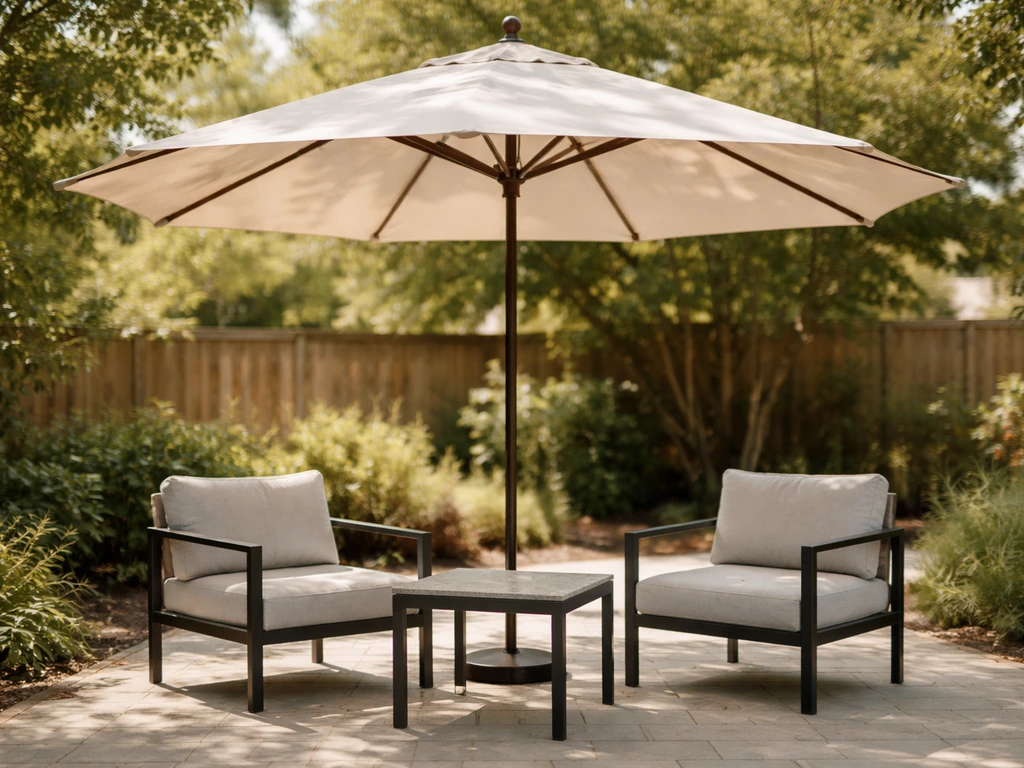
A patio cover is a roofed or latticed structure built over a patio or deck to block sun, reduce heat, and keep rain off the space below. It consists of some kind of overhead element (solid roof, open lattice, polycarbonate panels, fabric) held up by posts or attached directly to the house wall. That's really all it is: a shade-and-shelter layer that sits on top of your outdoor floor area and makes it usable in more weather conditions.
Patio Cover Definition: Types, Differences, and What to Ask

Ada Hollis
25 Jun 2026
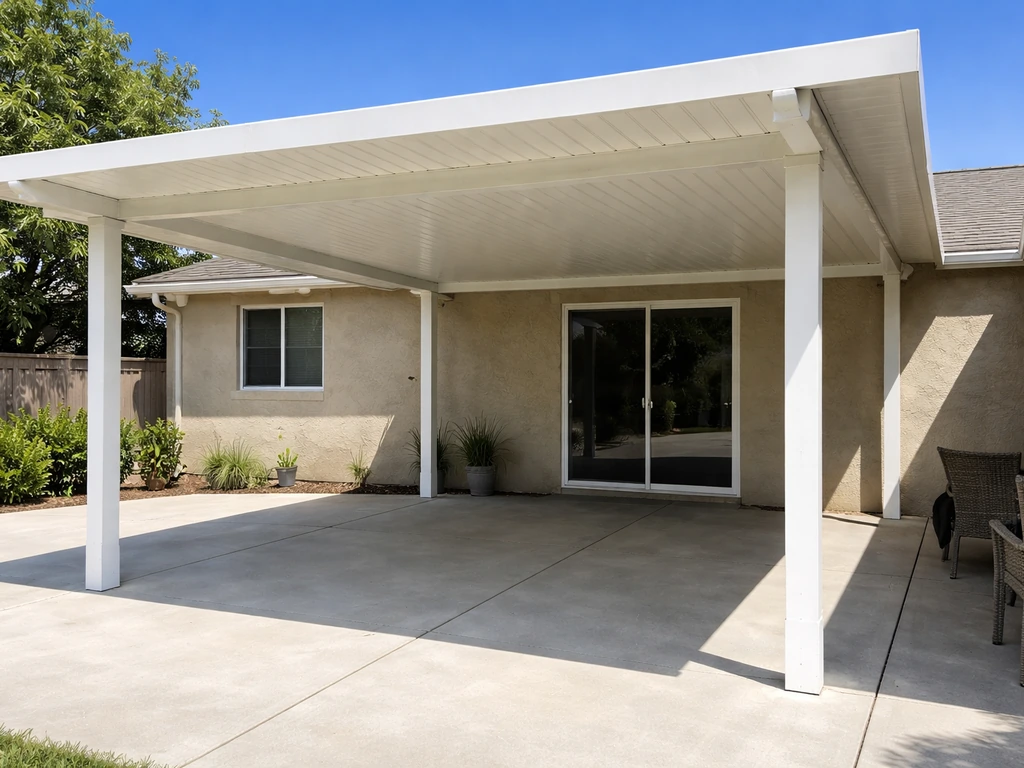
What a patio cover actually is
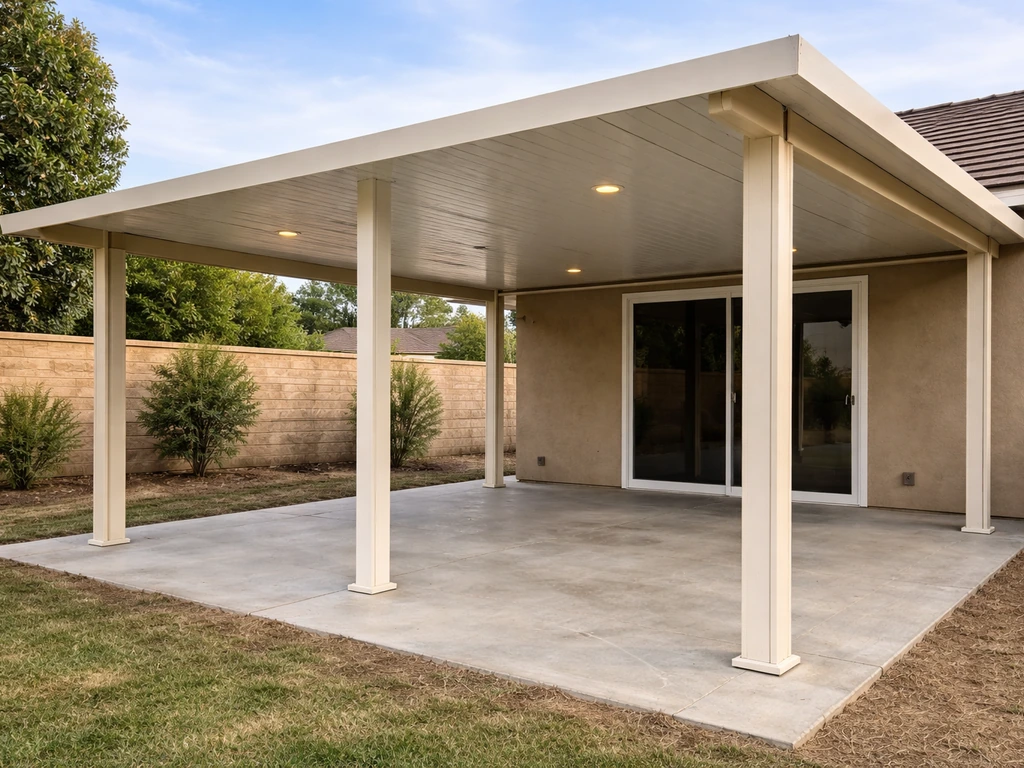
Building codes put it plainly: a patio cover is a one-story shade structure used for outdoor recreational purposes, not for habitable living space, storage, or vehicle parking. blank" rel="noopener noreferrer">The International Residential Code's Appendix AH dedicates a whole section to patio covers specifically because they get treated differently from regular room additions. Many city building departments (blank" rel="noopener noreferrer">including cities like Santa Rosa, CA and Downey, CA) use similar language in their permit handouts: patio covers are for outdoor recreation, full stop. You can't legally convert one into a bedroom or a garage under that permit classification.
Structurally, a patio cover has two main components: the overhead covering and the supports holding it up. The covering can be solid (like a shingled or metal roof), semi-transparent (polycarbonate panels), or open (wood or aluminum lattice). The supports are either posts anchored to the ground or a ledger board fastened to the house, or both. If it's attached to the house on one side and supported by posts on the other, that's an attached patio cover. If it stands completely on its own with four posts and no connection to the house, that's freestanding.
How a patio cover differs from a patio, pergola, awning, and porch
This is where people get tangled up, and honestly it's understandable because these words get used interchangeably all the time in listings and casual conversation. If you're comparing options, a patio umbrella is another common way to add shade, but it works quite differently from a built patio cover what is a patio umbrella. Here's how to tell them apart:
| Structure | What it is | Key difference from a patio cover |
|---|---|---|
| Patio | The ground-level floor area itself (concrete, pavers, stone) | A patio is the surface you stand on. A patio cover sits above it. |
| Pergola | An open-lattice overhead structure with no solid roof | A pergola is a type of patio cover, but the term often implies an open, decorative frame with no weatherproofing. |
| Awning | A retractable or fixed fabric/metal canopy attached to a wall | An awning is smaller, wall-mounted, and typically doesn't have posts or structural supports reaching the ground. |
| Porch | A covered entry platform that's part of the home's architecture, usually at the front | A porch is structurally integrated into the house and often has a finished ceiling. A patio cover is added onto an existing outdoor space. |
| Verandah | A roofed open gallery wrapping around part or all of a house | A verandah is a built-in architectural feature. A patio cover is typically a retrofit or addition. |
| Gazebo | A freestanding, often octagonal pavilion in a yard | A gazebo is a destination structure on its own, not directly attached to or covering a patio area. |
The practical takeaway: if you see a ground-level outdoor floor area with some kind of overhead structure attached to or near the house, it's almost certainly a patio with a patio cover. If that overhead structure is open lattice specifically, people might call it a pergola patio. If it's a fabric canopy on a pole in the middle of the patio, that's a patio umbrella situation, which is a whole different (and non-permanent) category.
The most common types of patio covers
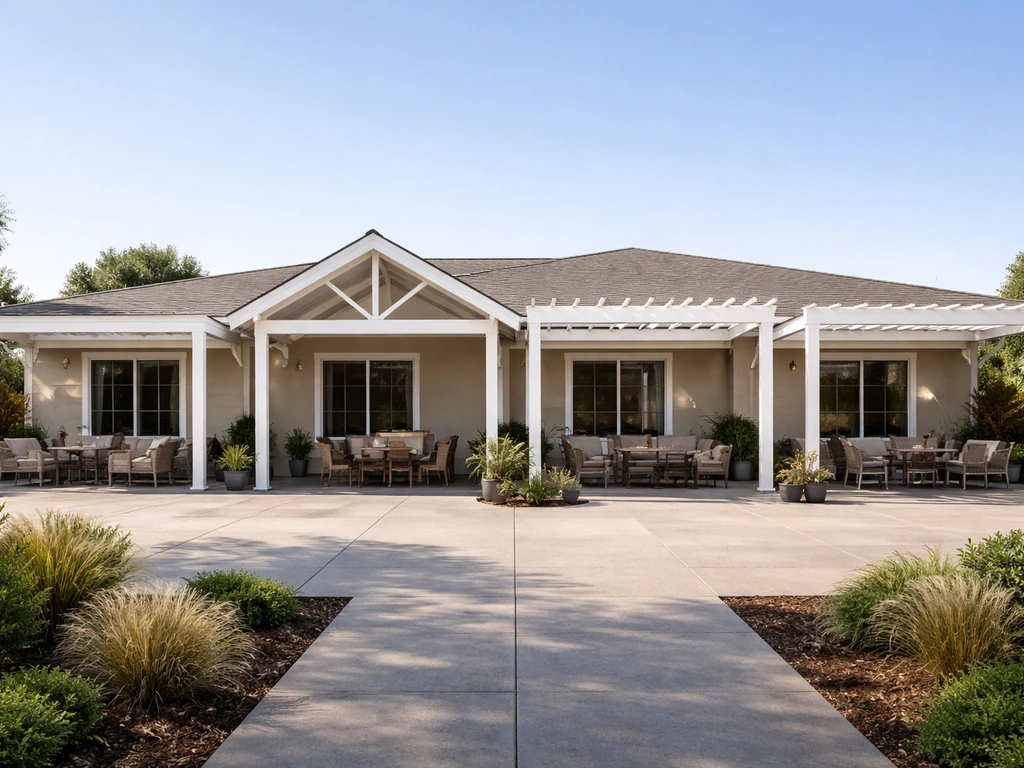
By material
| Material | Looks like | Best for | Watch out for |
|---|---|---|---|
| Wood | Natural timber beams and decking, often stained or painted | Traditional homes, custom designs, visual warmth | Needs regular sealing/painting, susceptible to rot and insects |
| Aluminum | Sleek, painted metal panels or lattice | Low maintenance, modern homes, coastal areas | Can dent, less natural-looking |
| Vinyl (PVC) | White or neutral-tone solid or lattice panels | Budget-friendly, zero-maintenance look | Can fade or warp in extreme heat over time |
| Polycarbonate panels | Clear or tinted rigid plastic sheets | Letting in light while blocking UV and rain | Yellows over time, can be noisy in heavy rain |
| Fabric/canvas | Stretched cloth or shade sail over a frame | Temporary or rental-friendly setups | Not permanent, less wind/rain resistant |
By structural style
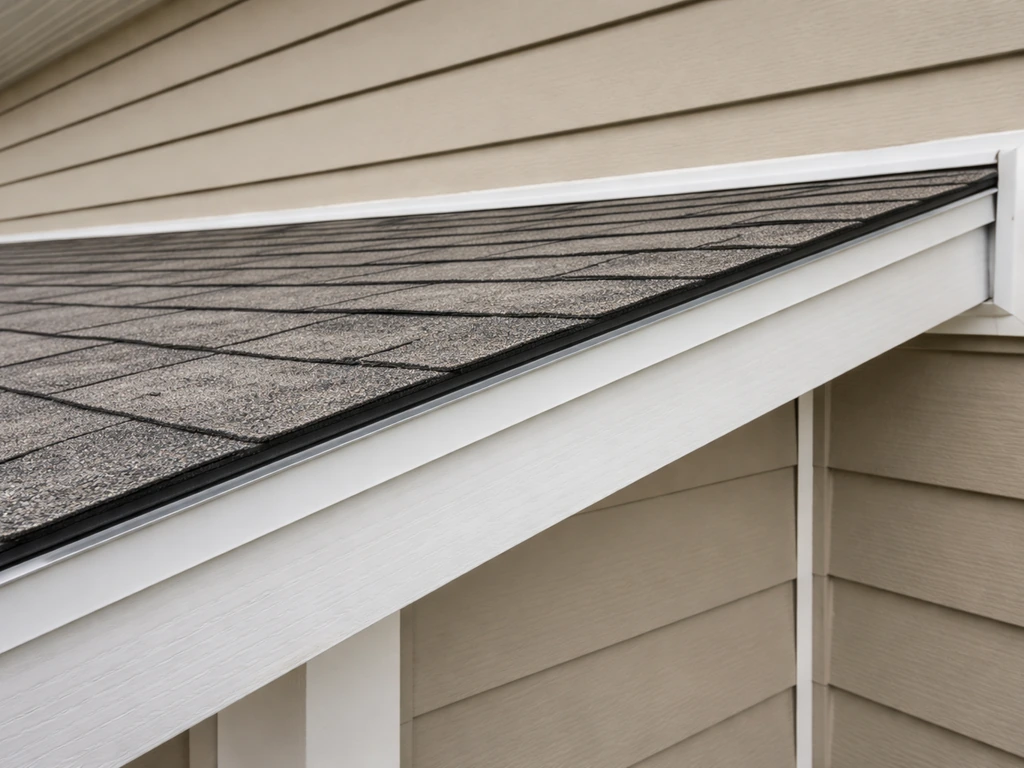
- Flat/lean-to: A simple angled or level roof that slopes away from the house for drainage. The most common attached style and usually the easiest to permit.
- Gable/pitched roof: Has a peak in the middle or at one end, matching many home roof styles. More complex to build but blends in better with the house architecture.
- Open lattice (pergola-style): A grid of beams with gaps, providing partial shade and a place to grow climbing plants. Minimal rain protection but good airflow.
- Solid insulated panel: Modern aluminum systems with foam-core panels that block heat very effectively. Popular in hot climates like the American Southwest and Australia.
- Freestanding: Four posts, no wall attachment. Good if the home's wall framing can't support attachment or if local code restricts attached structures.
What a patio cover actually protects against
The obvious one is sun. A solid patio cover can reduce the temperature of the space below it by 10 to 20 degrees Fahrenheit on a hot day, which makes the difference between using that space at 2pm in July and avoiding it entirely. UV protection is a real benefit too, especially for furniture, cushions, and anyone spending long hours outside. If you are comparing options, a solar patio umbrella is a different type of outdoor shade product that includes built-in solar lighting what is a solar patio umbrella.
Rain protection is where solid covers really earn their value. A properly sloped solid-roof patio cover lets you keep outdoor furniture out year-round in rainy climates, use the space during light rain, and avoid the constant setup/takedown of covers and tarps. Open lattice covers don't do much for rain but still cut solar heat gain and give some privacy from neighbors or upper-floor windows. If you are comparing shade options like a half patio umbrella, it can change how much protection you get compared with a full patio cover.
Wind is trickier. A patio cover is not a wind barrier unless you add screens or curtains along the sides, but the roof itself does reduce wind effect on the people sitting underneath. In high-wind areas, the cover itself needs to be engineered to handle wind load, which is where structural requirements and permits come in.
What to think about before building or buying one
Attachment and your home's structure
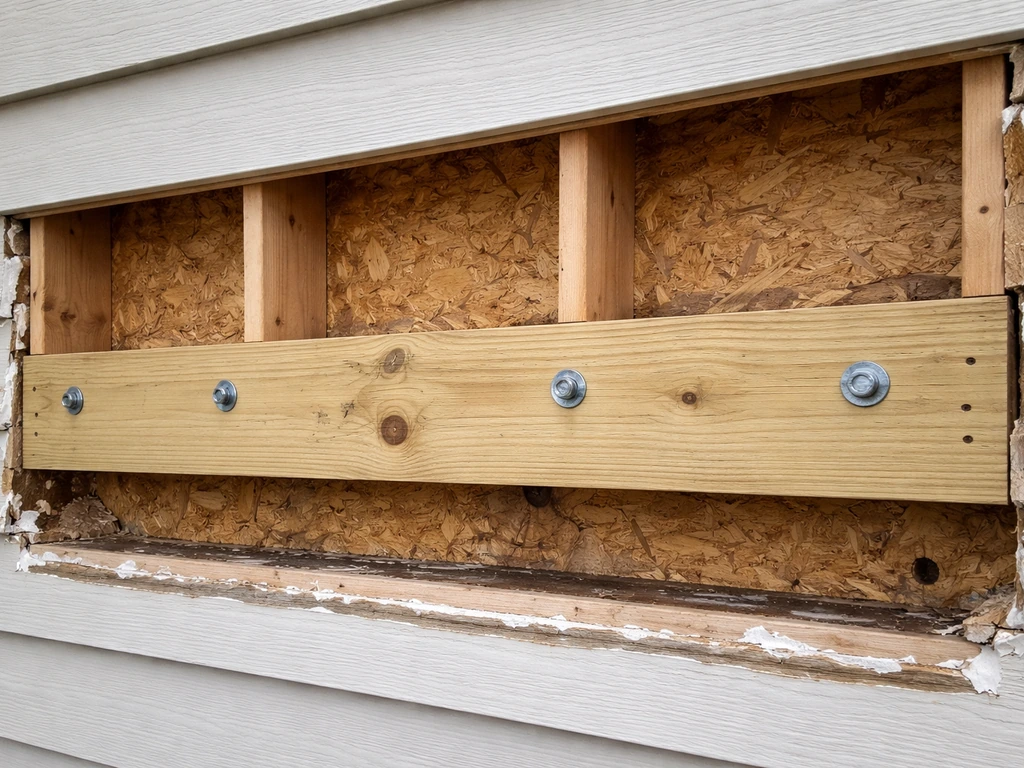
If you want an attached patio cover, the ledger board has to fasten to a structural part of the house wall, not just siding. That usually means locating wall studs or rim joists and using the right lag screws. Get this wrong and you're looking at a structure that can fail or pull away from the house. If your house has stucco, EIFS cladding, or vinyl siding, the attachment detail needs to include waterproofing at the penetration points.
Drainage and water runoff
A solid patio cover has to slope enough to drain water away from the house, not toward it. The standard minimum slope is 1/4 inch of drop per foot of run. If water pools on the roof or runs toward the foundation, you'll get leaks and eventually structural damage. On an attached cover, you also need to think about where the runoff goes: directly onto the patio (fine if it drains), into a gutter that connects to a downspout (best), or onto a neighbor's property (a problem).
Permits: the reality check
Most jurisdictions require a building permit for a permanent patio cover, especially an attached one. The threshold varies: some cities require permits for anything over 120 square feet, others require them for any attached structure regardless of size. Freestanding covers under a certain size sometimes fall under an exemption, but don't assume. The permit process typically involves submitting a site plan showing property lines, setbacks, and the cover location, plus basic structural details. If you're buying a home and the listing mentions a patio cover, it's worth asking whether it was permitted and if there's a final inspection sign-off. An unpermitted cover can complicate a sale or require removal.
What to check on a property walk-through
- Is the cover attached to the house or freestanding? Check where the posts are and whether there's a ledger at the wall.
- Look at the attachment point at the wall for signs of water damage, rot, or gaps in caulking.
- Check the roof surface for cracking, yellowing (polycarbonate), rust stains (metal), or soft spots (wood).
- Look at the slope: water should run away from the house. Standing water stains or algae growth are warning signs.
- Ask whether permits were pulled and if there's a certificate of completion.
- Check if it encroaches on required setbacks from property lines (side or rear).
What drives the cost
Patio cover costs range widely: a basic aluminum kit cover over a 12x16 ft patio might cost $2,000 to $5,000 installed, while a custom wood gable-roof cover with insulated panels over a large patio can run $15,000 to $30,000 or more. The main cost drivers are size, material, and structural complexity.
- Size: More square footage means more material and more labor. It's usually not a linear cost increase because mobilization and setup costs are fixed.
- Material: Vinyl and basic aluminum kits are cheapest. Wood is mid-range but adds maintenance costs over time. Insulated aluminum panel systems are expensive upfront but very durable.
- Solid vs. open: A solid roofed cover costs more than lattice because it needs proper framing, roofing material, and drainage management.
- Attached vs. freestanding: Attached covers are often cheaper because they use the house wall as one support, but the attachment work and waterproofing can add cost.
- Permits and engineering: In high-wind or seismic zones, you may need a structural engineer's stamp, which adds $500 to $2,000 to the process.
- Labor rates: Costs vary significantly by region. A contractor in California or Hawaii will charge more than one in the Midwest for the same job.
Different names for the same thing
Depending on where you are or who you're talking to, a patio cover might be called several different things. A patio umbrella meaning is often confused with covered patio terms, but a patio umbrella is typically a standalone shade device rather than a fixed structure a patio cover might be called several different things. In Australia and the UK, the same structure is often called a pergola (even when it has a solid roof, which in North America would more specifically be called a patio cover). In Australia, "patio" itself often refers to the covered outdoor living structure rather than just the floor, so a "patio" listing in an Australian real estate ad might mean what Americans would call a patio with a patio cover already included.
In Spanish-speaking contexts, a covered outdoor area attached to a house might be referred to as a "terraza cubierta" (covered terrace) or just a "porche" (porch). In some Latin American countries, the word "patio" already implies a covered or semi-covered courtyard, which is a slightly different concept from the North American usage. In South Asian real estate contexts (Hindi/Urdu), covered outdoor sitting areas might be described as "verandah" or "chhajja" depending on the specific structure.
Other names you might encounter that describe essentially the same structure or a close variant include: patio awning (usually implying a retractable or fabric-based version), shade structure, patio roof, covered patio, lanai (common in Hawaii and Florida), and ramada (common in the American Southwest, usually meaning a freestanding shade structure). When reading a real estate listing or a contractor quote, it helps to look at photos rather than relying on terminology, since these words overlap so much depending on regional convention.
Your practical next steps
If you're evaluating a home with a patio cover, do the walk-through checks above and ask the seller's agent directly about permits. If you're planning to add one, start by pulling your municipality's building permit information to find out the size threshold and setback rules for your specific zone. Then decide: attached or freestanding, solid or open, and what material fits your climate and budget. Get at least three quotes from contractors who specifically mention patio covers in their work (not just general contractors), and make sure the quote includes the permit fee and any engineering costs if your area requires them. A patio cover done right will outlast the furniture you put under it and genuinely extend how many days a year you use your outdoor space.
FAQ
Can a patio cover be converted into a room, bedroom, or garage area if I keep it “outdoor”?
A patio cover is generally considered non-habitable because it is meant for outdoor recreation, not for living or sleeping. In many jurisdictions, even if the area feels enclosed, you typically cannot treat it as a bedroom, bathroom, or other “room” without changing the approvals and meeting interior code requirements (eg egress, insulation, ventilation, electrical).
Will an open-lattice patio cover keep rain out year-round?
Usually no. Lattice or partially open covers often provide some shade and privacy, but they are not rated as weatherproof shelters in the same way a solid, properly sloped roof is. If you need reliable rain protection, ask specifically about roof panel material, coverage details at edges, and whether the design includes flashing and sealed penetrations.
Do patio cover rules differ by neighborhood or zoning, even for small sizes?
It depends on how it is built and permitted. Setbacks, height limits, and lot coverage rules can apply even to small patio covers, especially when attached to the house. The key is to confirm your zoning setbacks and maximum height for “accessory structures” and “covered structures,” then match the contractor plan to those limits.
What’s the biggest mistake with attaching a patio cover to a house wall?
If it is attached, the ledger board must be secured into a structural member like studs or rim joists, not just into finish materials. If your house has siding or stucco, you also need the right flashing and waterproofing at the attachment points to prevent water intrusion behind the cladding.
How do I confirm a patio cover will drain correctly and not leak?
A solid patio cover should have a drainage plan so water runs away from the house, usually with a minimum slope of about 1/4 inch per foot. Ask how the contractor handles guttering, where runoff goes, and how water will be prevented from dripping onto walkways or down onto a neighbor’s property.
Does a patio cover automatically handle wind safely?
Even with a roof, wind can still create uplift and lateral forces. In high-wind areas, the cover typically needs specific engineering, approved fasteners, and rated framing. Ask whether the design is wind-load engineered for your local wind speed, and whether it includes structural calculations submitted for the permit.
How can I tell if something called a “patio awning” or “umbrella” is treated like a permanent patio cover?
A patio cover and a patio umbrella differ in permanence and structure. An umbrella is a standalone shade device, often movable and not tied into the building envelope. If the “umbrella” is really a fixed canopy or has footings and permanent attachments, building departments may treat it more like a structural patio cover.
What issues can come up if a patio cover was installed without permits?
Yes, but the risk varies. An unpermitted patio cover can complicate financing or inspection, and you may be asked to remove it or bring it up to code later. When buying a home, ask for permit numbers and final inspection status, then verify the installed structure matches the approved plan.
What questions should I ask about materials for my climate (heat, UV, rain, coastal air)?
Yes. Ask the contractor to list the exact materials for roof panels, framing, and hardware, including corrosion-resistant fasteners. Also confirm whether the solution is appropriate for your climate, for example UV-rated polycarbonate for high sun, and recommended drainage details for heavy rain.
What should be included in a patio cover quote so I can compare bids fairly?
For quotes, don’t just compare sticker price, compare scope. Ask whether the estimate includes engineering or stamped drawings (if required), permit fees, site work, removal of any existing structure, gutter/downspout tie-in, and post spacing details. Also ask who is responsible for utility locate issues if drilling or anchors are needed.
Next Article
What Is a Patio Umbrella? Types, Uses, and How to Choose
Definition, types, and placement tips for patio umbrellas, plus how to choose size, height, and base for your space.