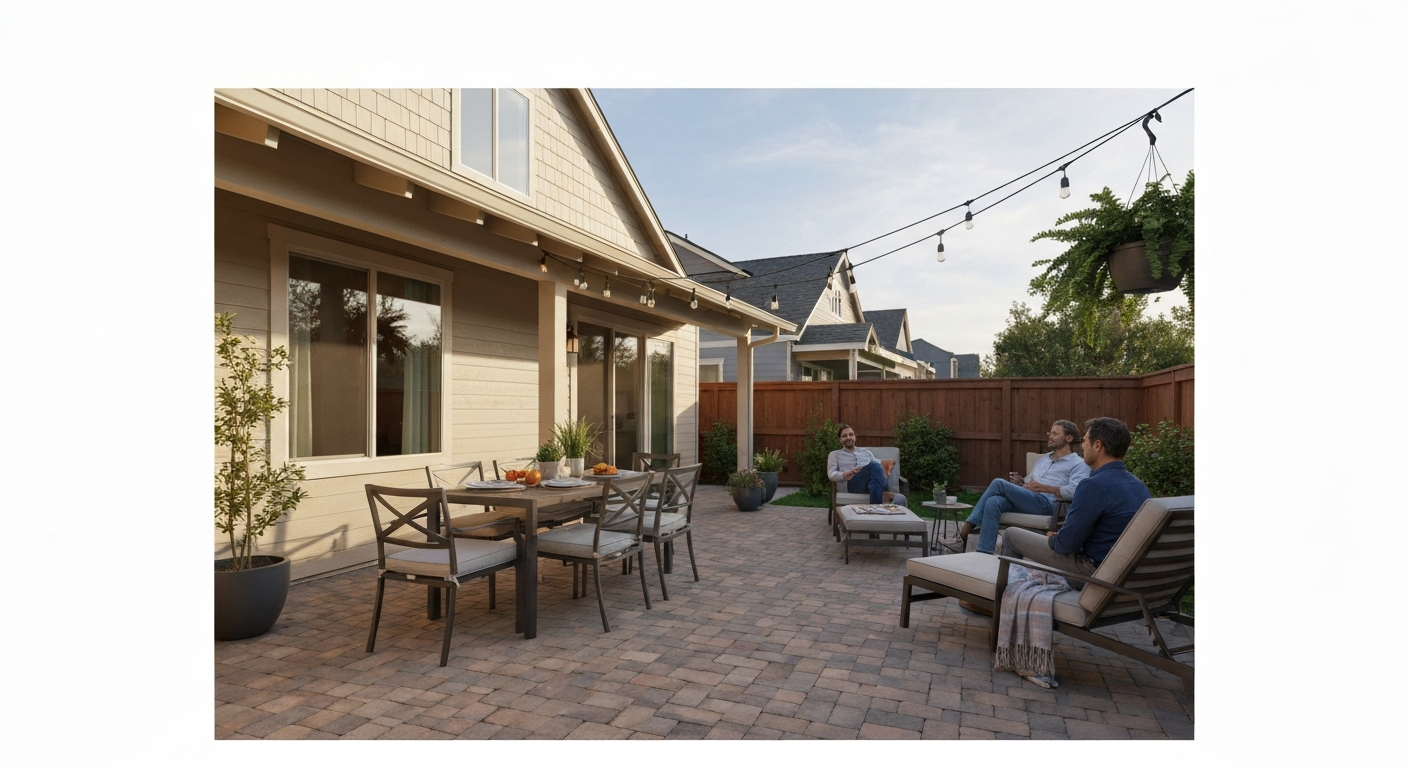
Patio furniture is furniture specifically designed to live outside, permanently or seasonally, on a paved or hard-surface outdoor area attached to a home. Lowe’s buying guide similarly treats patio furniture as outdoor furniture built for outside use, with attention to exposure factors like sun, humidity, and other weather conditions. It is built to handle sun, rain, humidity, and temperature swings that would destroy ordinary indoor furniture within a season. Think weather-resistant frames (aluminum, teak, steel, resin), fabrics that shed moisture and resist UV fading, and finishes that won't peel or rust after the first rainstorm. If a piece of furniture wasn't built with those conditions in mind, it isn't really patio furniture, regardless of where you put it.
Patio Furniture Meaning: What It Is, Materials, and How to Choose

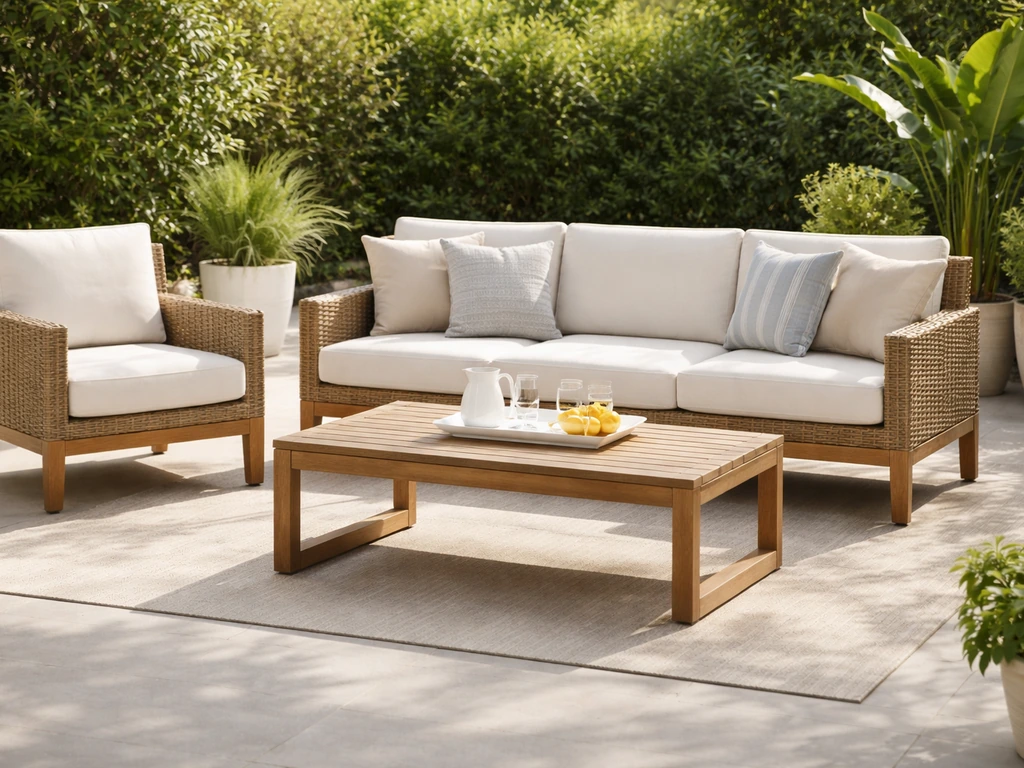
What 'patio furniture' actually means
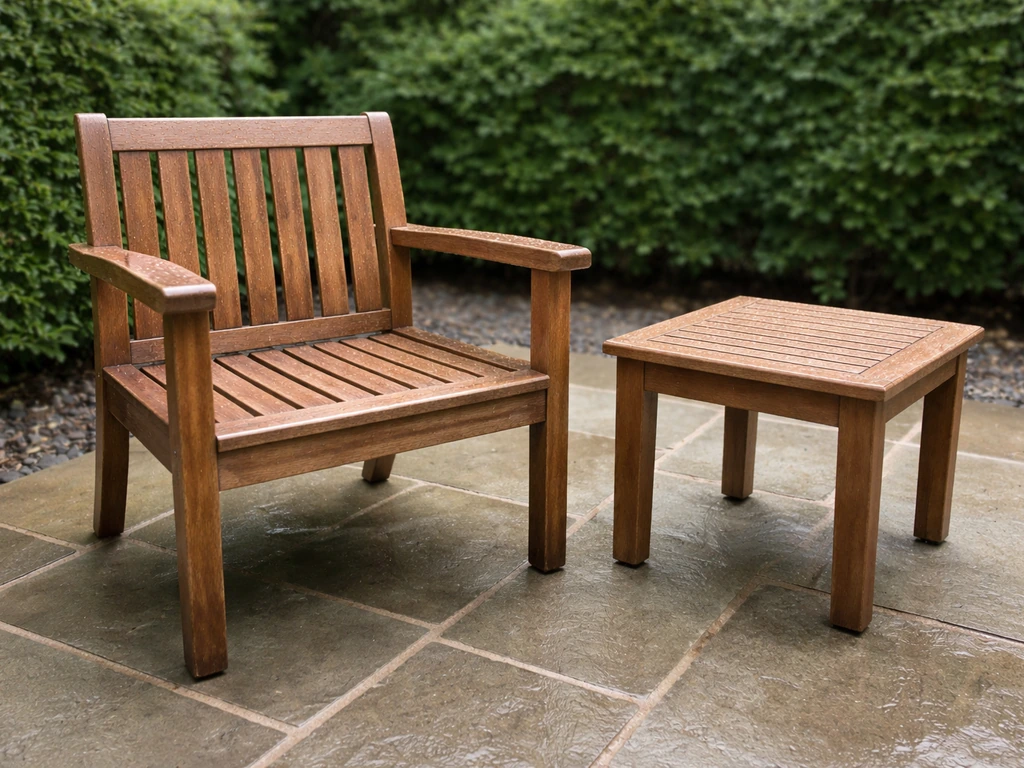
The word 'patio' comes from Spanish and originally referred to an inner courtyard. In modern everyday English, Merriam-Webster defines a patio as 'a recreation area that adjoins a dwelling, is often paved, and is adapted especially to outdoor dining.' Cambridge Dictionary echoes that: it's an outdoor area connected to a house where people sit, eat, or relax. For a definition, Wikipedia describes a patio as an outdoor space that adjoins a dwelling, is typically paved, and is used for dining or recreation. So 'patio furniture' is simply the furniture that goes on that space. It's purpose-built for outdoor exposure, not repurposed indoor furniture dragged outside.
The key thing that separates patio furniture from regular furniture is the design intent. Every material choice, joint, fabric, and finish is made with the assumption that this piece will be rained on, baked in sunlight, and maybe left outside for months at a stretch. That's not a small engineering difference. It's the whole point of the category.
Patio vs. porch, balcony, veranda, courtyard, and terrace
The reason this distinction matters for furniture shopping is that each outdoor space has slightly different exposure conditions and size constraints. What works on a roofed back porch may be overkill for a tiny balcony, and what works on a covered veranda may not be tough enough for a fully exposed ground-level patio. Here's how the spaces differ.
| Space | What it is | Typical exposure | Furniture implications |
|---|---|---|---|
| Patio | Ground-level paved area adjoining a home, usually at the back or side | Fully open to sun and rain | Needs full weather resistance: UV-stable, rust-proof, drainage holes in seats |
| Porch | Covered structure attached to the front or back of a house with a roof overhead | Partial: rain mostly blocked, but wind and humidity present | More flexibility—some covered-porch furniture uses indoor-style fabrics |
| Balcony | Elevated platform projecting from an upper floor, enclosed by a railing | Fully exposed, often windy; weight and space are limited | Lightweight, compact pieces; wind resistance matters more than on patios |
| Veranda / Verandah | A roofed open gallery running along one or more sides of a house (common in Australia, South Asia, the American South) | Protected from rain but open to air and some sun | Furniture can be slightly less heavy-duty than full patio exposure |
| Courtyard | An enclosed outdoor area surrounded by walls or buildings, often paved | Sheltered from wind, variable sun exposure | Similar material needs to a patio but often benefits from more decorative options |
| Terrace | A raised flat area (often on a roof or upper level) or a large paved garden area adjacent to a building | Fully exposed, sometimes windier at elevation | Same weather-resistance needs as a patio; in European usage, 'terrace' and 'patio' are often interchangeable |
In American residential real estate, 'patio' almost always means a ground-level paved space at the back of the house. In the UK and Australia, 'terrace' can mean the same thing. In India and Pakistan, you'll sometimes hear 'veranda' used broadly for any attached outdoor sitting area. The furniture category itself doesn't change based on the local word, but the exposure conditions of the specific space do affect what you should buy.
Common types of patio furniture and where each fits
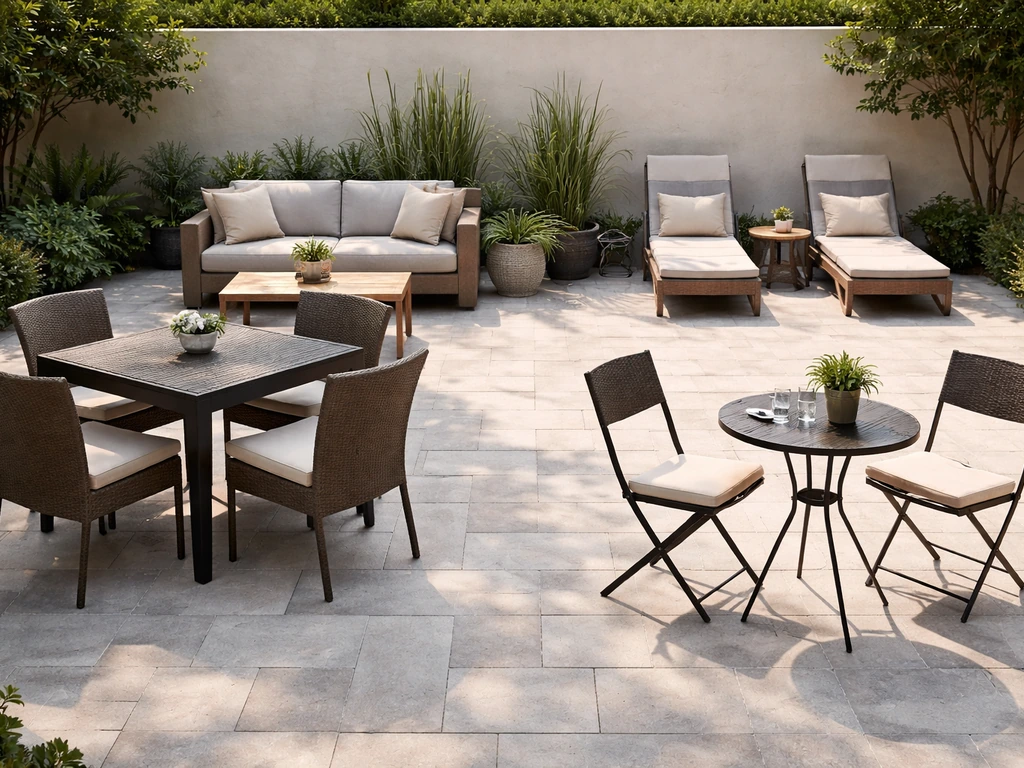
Patio furniture isn't one thing. The category covers seating, dining, lounging, and accessories, and each type is suited to a specific use and space size. If you want to narrow it down, patio seating is the section of patio furniture made specifically for sitting and relaxing on your outdoor space. Home Depot's buying guide frames it well: patio furniture is 'outdoor furniture for your patio, deck, or pool area,' which tells you there's a wide range of pieces under that umbrella.
- Patio dining sets: A table plus chairs, typically 4-seat or 6-seat configurations. Designed for eating outdoors. Tabletops often have a small center hole for an umbrella pole. This is the most common patio setup for families.
- Conversation sets: Low-slung chairs or loveseats arranged around a coffee table. Built for lounging and talking rather than dining. Cushions are thick and deep-seated. Works well on larger patios.
- Lounge chairs and chaise lounges: Single reclining chairs for sunbathing or reading. Common near pools and on sunny patios. Usually adjustable backrest angles.
- Patio sofas and sectionals: Modular outdoor sofas that can be arranged in L-shapes or U-shapes. Require a larger patio footprint. Very popular for entertaining.
- Bistro sets: Two chairs and a small round table. Designed for compact spaces like small patios, balconies, or courtyard corners.
- Patio dining chairs (standalone): Sold separately or as replacements. Stackable designs are common for easy storage.
- Side tables and end tables: Small accent tables for drinks and plates. Almost always part of a seating arrangement.
- Ottomans and footrests: Often dual-purpose as extra seating or storage. Common in outdoor sectional sets.
- Umbrellas and shade structures: Technically outdoor furniture accessories. Market umbrellas, cantilever umbrellas, and pergola-attached shades all fall here.
- Outdoor rugs: Define a seating zone on a large patio. Made from polypropylene or similar synthetic fibers that handle moisture.
For a small patio (under 100 square feet), a bistro set or a two-chair conversation grouping is usually the right call. For a mid-size patio (100 to 200 square feet), a 4-person dining set or a conversation set with a coffee table fits well. Larger patios can handle full sectionals, dining sets, and a separate lounge zone. The patio seating and patio dining categories, in particular, have their own nuances worth looking into if you're deciding between a dedicated dining area and a relaxed seating layout.
Materials and what 'weather-ready' actually means
Every material marketed as patio-ready has a specific set of trade-offs. Retailers like Lowe's tie material choice directly to climate and humidity levels, which is the right way to think about it. Here's what the main materials actually deliver.
| Material | Durability | Maintenance | Best for | Watch out for |
|---|---|---|---|---|
| Aluminum | Excellent: rust-proof, lightweight, long-lasting | Very low: wipe clean, occasional touch-up paint | Most climates, small to large patios | Thinner gauge pieces can dent or flex |
| Steel (powder-coated) | Good to excellent: strong and heavy | Low to medium: check for chips that expose bare metal to rust | Windy areas, heavier furniture needs | Chips in coating lead to rust spots over time |
| Wrought iron | Excellent: extremely durable and heavy | Medium: needs periodic repainting to prevent rust | Traditional, decorative patios; stable in wind | Very heavy; can rust if coating breaks down |
| Teak wood | Excellent: naturally high oil content resists rot and insects | Low to medium: oil annually to maintain color; can be left to weather to silver-gray | Upscale patios, humid or coastal climates | Expensive; some buyers overpay for lower-grade teak |
| Eucalyptus and acacia wood | Good: similar properties to teak, less expensive | Medium: oil regularly | Budget-friendly wood look | Lower density than teak; needs consistent care |
| HDPE (High-Density Polyethylene) / Recycled plastic lumber | Excellent: won't rot, crack, splinter, or fade | Very low: soap and water | Low-maintenance buyers, humid or coastal climates | Can look less premium than wood or metal |
| Resin wicker / All-weather wicker | Good to excellent: UV-stabilized synthetic fiber over aluminum frame | Low: rinse with hose | Traditional wicker look without the rot problems | Lower-quality resin fades or becomes brittle in 3-5 years |
| Natural rattan / Wicker | Poor for outdoors: rots, warps, and mildews in moisture | High if used outside | Covered patios or indoors only | Frequently mislabeled as outdoor-ready; check carefully |
| Wrought or cast aluminum (vs. tube aluminum) | Cast is thicker and more durable; tube is lighter | Both low-maintenance | Cast for premium long-term; tube for lighter budget | Tube aluminum is thinner and less rigid |
| Sling fabric (stretched polyester mesh on a frame) | Good: drains water immediately, dries fast | Very low: wipe clean | Hot, sunny climates where cushions are impractical | Can stretch or sag over years; replaceable on many frames |
When a product is marketed as 'weatherproof' or 'all-weather,' that phrase is not regulated. It generally means the frame won't rust and the fabric won't immediately disintegrate in rain, but it doesn't guarantee UV fade resistance, mold resistance, or longevity beyond a season or two on budget pieces. The more meaningful specs to look for are powder-coat thickness on metal frames, Sunbrella-brand or solution-dyed acrylic fabric on cushions, and UV-stabilized resin on wicker. Those are the actual indicators of outdoor durability.
Cushions, fabrics, and comfort outdoors
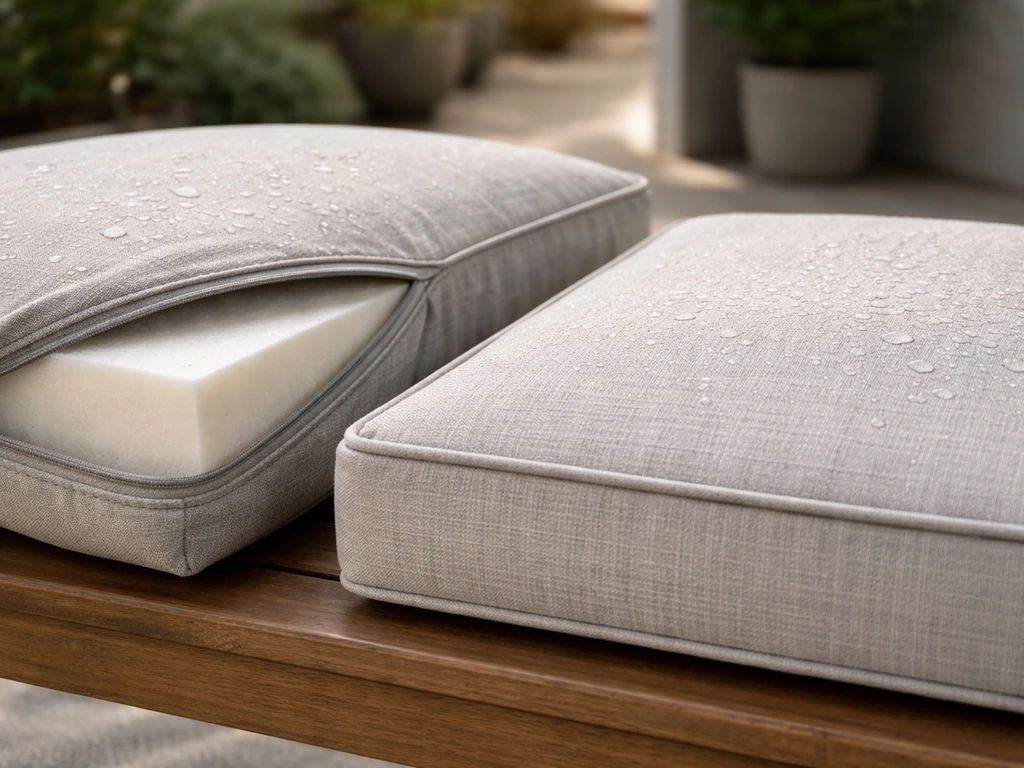
Cushions are where cheap patio furniture fails fastest. If the fabric isn't made for outdoor use, you'll see fading in one season and mildew in the second. The gold standard for outdoor fabric is solution-dyed acrylic, of which Sunbrella is the best-known brand. In solution-dyed fabric, the color runs through the entire fiber rather than sitting on the surface, so UV can't bleach it out. It's also inherently water-resistant and resists mold and mildew.
The foam fill inside outdoor cushions matters just as much as the fabric. Outdoor-grade foam is either open-cell quick-dry foam or wrapped in a polyester fiberfill designed to drain and dry rather than absorb and hold water. Closed-cell indoor foam in an outdoor cushion will hold moisture, grow mold, and develop a permanent musty smell within a few wet seasons. If you're buying replacement cushions or upgrading from a starter set, look for 'quick-dry foam' explicitly stated in the product description.
- Solution-dyed acrylic (Sunbrella and similar): Best fade and mildew resistance. Worth the premium for any cushion that will see real outdoor use.
- Olefin / Polyolefin: Good budget alternative to acrylic. UV and moisture-resistant but fades faster than solution-dyed acrylic over multiple seasons.
- Polyester with water-resistant coating: Common on entry-level patio sets. Fine for occasional use or covered spaces. Will fade and degrade faster under full sun.
- Vinyl/PVC sling fabric: No cushion needed. Water drains straight through. Best for pool areas and hot climates where cushions are impractical.
- Canvas: Only outdoor-appropriate if treated. Untreated canvas on a patio will mildew quickly.
- Cushion thickness: 4 to 5 inches is a comfortable minimum for seating. Thinner than 3 inches feels hard and unsupportive within a season of compression.
For a covered patio or veranda, you have a little more flexibility. Cushions won't get directly rained on, so a high-quality polyester can work well and save money. For a fully exposed patio, solution-dyed acrylic is the practical choice if you want cushions that look good after three or four years.
Sizing, placing, and matching furniture to your patio
The single most common mistake when buying patio furniture is choosing pieces that are too large for the space. A 6-person dining set on a 10-foot by 10-foot patio leaves no room to pull out chairs. A general rule: leave at least 3 feet of clear walkway around any dining table when chairs are pulled out, and at least 18 inches between a coffee table and a sofa in a seating grouping.
- Measure your patio before shopping. Note the total square footage and any fixed obstacles: doors, steps, gas lines, downspouts.
- Mark out the footprint with chalk or tape on the patio surface before buying anything. This sounds obvious but it's genuinely the best way to avoid expensive returns.
- For dining areas, the table footprint plus pulled-out chairs is your real space requirement. A 60-inch round table needs roughly a 10-foot by 10-foot zone when chairs are in use.
- Leave a clear path from the house door to the patio exit, ideally 36 inches wide for comfortable movement.
- If your patio connects to the indoors visually through sliding glass doors, consider matching the furniture style or color palette to the interior for visual continuity.
- For L-shaped or irregular patios, treat each section as its own zone: one for dining, one for lounging. This approach works better than trying to force one large furniture set to cover everything.
- Shade matters: position seating to take advantage of natural shade in the afternoon, or plan for an umbrella or pergola over the dining zone.
- Weight and leveling: on uneven pavers or older concrete, look for furniture with adjustable leveler feet, especially on dining tables. Wobbly tables are one of the most common patio frustrations.
Matching style across a patio isn't about buying a single matching set. Mixed material combinations work well when you keep a consistent finish color. For example, a black powder-coated aluminum dining set and a black-framed resin wicker conversation set look intentional together even though they're different product lines. Where people run into trouble is mixing warm tones and cool tones or combining too many different frame colors on a small patio.
Care, maintenance, and protecting your investment
Patio furniture doesn't require much work, but it does require some. The difference between patio furniture that lasts 10 years and furniture that looks tired after 3 years is mostly in three things: covers, seasonal storage, and periodic cleaning.
Covers
Fitted patio furniture covers are worth buying for any furniture that will stay outside through a full winter or an extended rainy season. Look for covers with air vents (to prevent trapped moisture and mildew), tie-down straps or hem cords, and a water-resistant outer fabric with a soft inner lining that won't scratch powder-coat finishes. Universal covers are fine; furniture-specific covers fit better and last longer.
Seasonal storage
Cushions almost always benefit from indoor storage during the off-season. Even the best outdoor fabric degrades faster if left through a winter. A deck box or outdoor storage bench (also weather-resistant, and technically also a type of patio furniture) is the most convenient solution. Frames can often stay outside under covers, but wrought iron, steel, and natural wood benefit from being moved to a garage or shed in harsh winters.
Cleaning
- Aluminum and steel frames: Mild dish soap and warm water, soft brush. Rinse thoroughly. Once a year, inspect for chips in powder-coat and touch up with rust-inhibiting spray paint.
- Resin wicker: Garden hose rinse and a soft brush with soapy water. Avoid pressure washers, which can damage the woven resin.
- Teak and wood: Mild soap and water. Oil with teak oil or a comparable product once a year to maintain color. If you prefer the silvered-gray weathered look, teak can be left without oiling.
- Sling chairs: Mild detergent and water, soft brush. Check sling tension annually. Most manufacturers sell replacement slings.
- Cushions (Sunbrella/solution-dyed acrylic): Mix 1/4 cup mild soap per gallon of water, apply with a soft brush, rinse thoroughly, and air dry upright so water drains out. Do not machine-wash unless the label specifically says it's safe.
- Umbrellas: Wipe down the pole, clean the fabric canopy with soapy water, and let it dry open before storing. Check ribs and crank mechanism for corrosion.
How terminology varies by region and what it means for property
The word 'patio' isn't universal. In the UK and much of Europe, the same ground-level paved space attached to a house is more commonly called a 'terrace.' In Australia, it might be a 'courtyard,' a 'deck,' or a 'veranda,' depending on whether it's paved, timber-decked, or covered. In South Asian countries like India and Pakistan, 'veranda' (or 'verandah') is the widely used term for a covered outdoor sitting area at the entrance of a home. In Spanish-speaking countries, 'patio' still means what it always meant: an enclosed interior courtyard, not a backyard patio in the American sense.
None of this changes what patio furniture is or what it needs to do. People sometimes confuse patio with food and drink fads, so if you’re asking whether Was Patio was a real diet drink, that’s a different question than patio furniture care and buying Was Patio diet drink. The physical conditions of the space (exposure to sun, rain, wind, and temperature) are what determine the right furniture choice, not the local name for the space. So if you're shopping for furniture for your 'terrace' in London or your 'courtyard' in Sydney, the same weather-resistant materials, UV-stable fabrics, and drainage-friendly designs apply.
In real estate, 'patio' carries specific expectations for buyers. When a property listing in the US mentions a patio, buyers typically expect a defined, paved or hard-surface outdoor area, usually at the rear of the property, that is usable for dining or seating. If you're wondering about patio seating meaning, it comes down to the furnishings designed for relaxing and dining on a defined outdoor patio space. A dirt area with a chair on it doesn't count.
A furnished patio, whether with a dining set or a conversation grouping, photographs well and is a genuine value signal in residential listings. Buyers shopping for homes often have outdoor living high on their priority list, and a well-maintained, properly furnished patio can influence offers in competitive markets. What goes on that patio, from the patio chairs to the full outdoor dining setup, communicates how livable and finished the outdoor space actually is.
One practical note: if you're staging a home for sale, rental-grade patio furniture (cheap resin, faded cushions, mismatched pieces) can actually hurt the impression of a patio rather than help it. A coordinated, clean, properly sized set signals that the outdoor space is a functional extension of the home, not an afterthought.
Quick checklist before you buy
- Know your space: measure the patio footprint and mark out the furniture zone before ordering anything.
- Match the exposure level: fully exposed patio needs full weather resistance; a covered porch or veranda gives you more material flexibility.
- Check the frame material: aluminum or powder-coated steel for low maintenance; teak or HDPE for premium longevity; avoid untreated steel or natural rattan for exposed outdoor use.
- Check the fabric spec: solution-dyed acrylic or olefin for cushions that will live in full sun and rain; polyester is fine for covered spaces or occasional use.
- Verify foam type: look for 'quick-dry' or 'open-cell outdoor foam,' not standard indoor cushion foam.
- Consider weight and wind: lightweight furniture on a windy balcony or elevated terrace needs to either be heavy enough to stay put or have a way to be anchored or stored quickly.
- Plan for covers or storage: buy furniture covers at the same time as the furniture, not as an afterthought in October.
- Think about scale: when in doubt, go slightly smaller. Overcrowded patio furniture makes a space feel smaller and harder to use, not larger.
FAQ
If a piece says “indoor furniture” but I keep it under a patio cover, does it still count as patio furniture meaning-wise?
Functionally it can work, but it still falls short of the category’s design intent. Outdoor setups can be wet enough to stress indoor finishes (humidity, condensation drips). If the frame rusts or the cushions mildew, you will notice it in a couple of seasons, so look for outdoor-rated materials even for covered patios.
What should I do if my patio furniture is weatherproof but my cushions aren’t?
Treat cushions as the weak link. Store them indoors or in a sealed outdoor container during winter and extended rain, and keep the foam dry. Even solution-dyed fabric will look worse faster if it stays damp for long stretches.
Is “rust-resistant” or “water-resistant” patio furniture the same as “all-weather”?
No. “Water-resistant” often means it sheds water at first, but it may not address mold, UV fade, or long-term seam failure. “All-weather” is still usually marketing, so verify specific build details like powder-coat quality, UV-stabilized materials, and outdoor foam type.
Can I leave patio furniture outside year-round if I use a cover?
Sometimes, but not universally. Covers help, but they can trap moisture unless they have ventilation (air vents) and proper tie-downs. In harsh winters, move wrought iron, steel, and natural wood into a garage or shed, because freeze-thaw and trapped dampness accelerate failure.
What’s the best way to clean patio furniture without damaging finishes?
Start with gentle soap and water, rinse thoroughly, and let it dry completely before covering. Avoid pressure washing delicate wicker or seam areas, and don’t use harsh solvents on powder-coated metal or solution-dyed fabrics. If you see mildew, use a cleaner designed for outdoor fabrics rather than bleach on the first try.
How do I choose the right size for patio furniture when chairs need to be pulled out?
Plan for chair clearance, not just the footprint. Use the pulled-out chair position to measure, and keep at least about 3 feet of walkway around dining tables. For seating layouts, leave roughly 18 inches between a coffee table and a sofa or loveseat to avoid cramped leg space.
Is mixing patio furniture styles and materials okay, or should everything match?
Mixing is fine if you keep a consistent visual anchor, like matching finish colors or repeating frame tones. The common mistake is mixing too many warm and cool hues on a small space, which makes the patio look busy even when all pieces are “patio rated.”
How can I tell whether “patio wicker” is truly outdoor-ready?
Check whether the resin is UV-stabilized and whether the weave is designed for outdoor exposure, not decorative indoor rattan lookalikes. Outdoor wicker should handle sun without becoming brittle and should not retain moisture the way indoor cane often does.
What should I look for when buying replacement cushions?
Confirm three things: outdoor fabric type (ideally solution-dyed acrylic), outdoor foam (open-cell quick-dry or polyester fiberfill made to drain and dry), and cushion cover design that allows water to escape. Also verify that the dimensions match your specific frame so cushions sit properly without gaps that collect water.
Does patio furniture meaning include lighting and accessories, or only seating and dining sets?
The term is broader in practice. Accessories like outdoor rugs, planters, fire pits, and outdoor-rated umbrellas are part of the patio setup, but they need their own outdoor ratings. Rugs especially matter, because they can hold moisture unless they are designed to dry quickly.
Patio Weather Meaning: What Patio, Area & View Mean
Clear patio definition: what a patio is, 'patio weather' meaning, and how it differs from decks or porches.