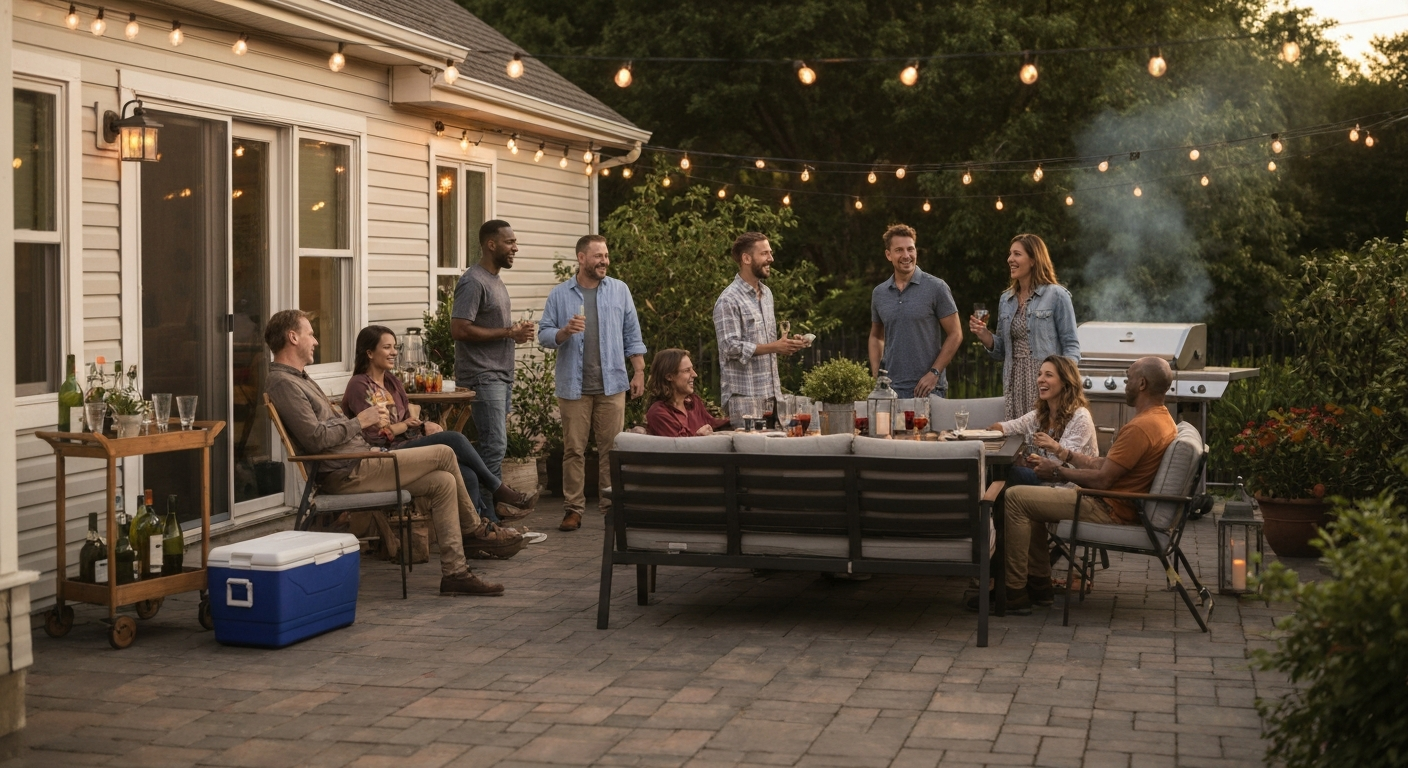
A patio table is any table designed for outdoor use on a patio: a flat, ground-level, typically paved area attached to a home and open to the sky. The term covers a wide range of styles, from a small bistro table for two to a large extendable dining table that seats ten. What ties them together is where they live (on a patio) and what they do (support outdoor dining, drinks, lounging, and entertaining). For more on hosting gatherings outdoors and the connotations of patio-based events, see patio party meaning.
Patio Table Meaning: Types, Uses and Care for Homeowners

Ada Hollis
10 Aug 2026
What is a patio? Plain-language definition
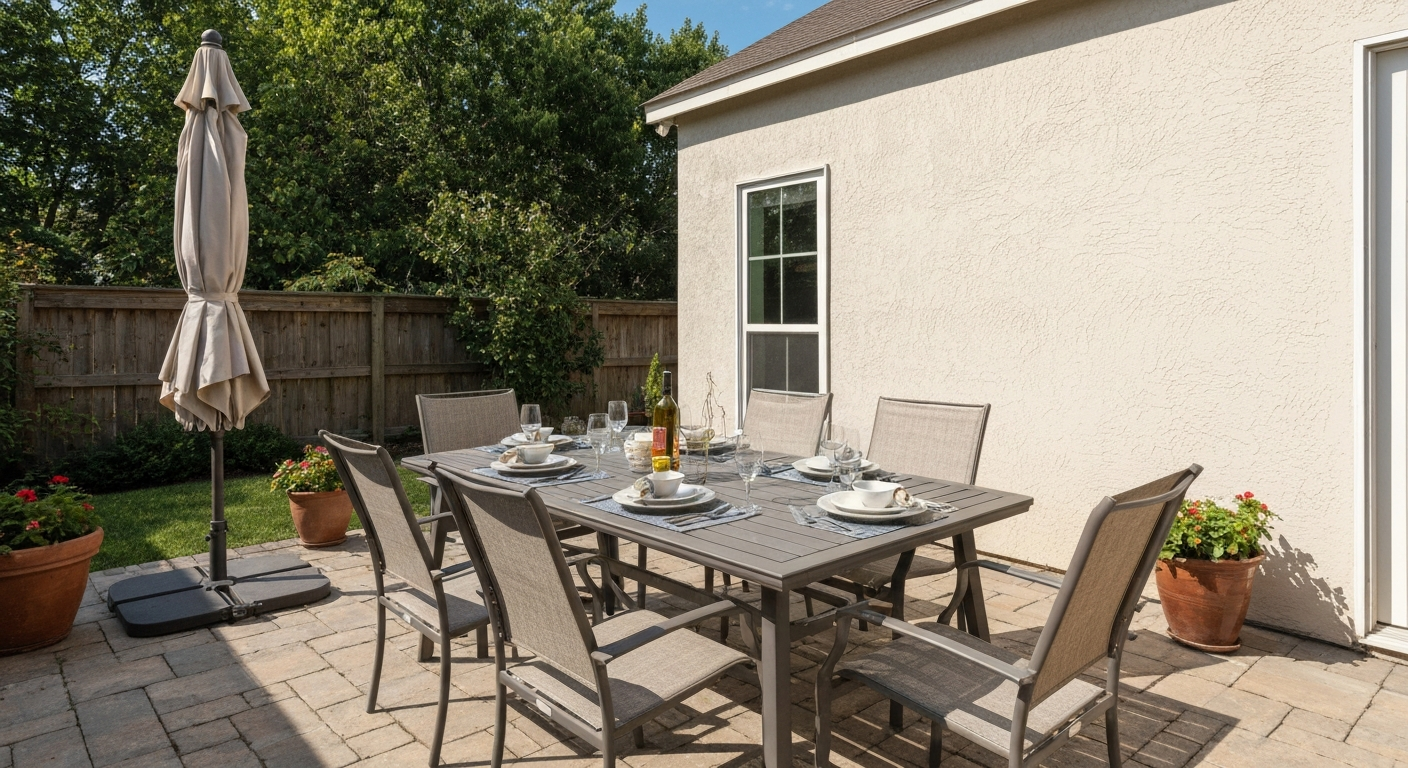
blank" rel="noopener noreferrer">Merriam-Webster defines a patio two ways: as a courtyard open to the sky, and as a recreation area adjoining a dwelling, often paved, used for outdoor dining or relaxing. In everyday use, the second meaning wins. A patio is a hard, flat surface, usually concrete, stone pavers, brick, or tile, at ground level behind or beside a house. Oxford Learner's Dictionaries defines 'patio' as a "flat, hard area outside (usually behind) a house with a solid floor and no roof," matching this description (patio noun - Oxford Learner's Dictionaries). It has no roof and is not elevated. That last part matters: it is what separates a patio from a deck, a porch, or a balcony.
A porch is an attached, usually covered structure that is integral to the house's architecture. A deck is a raised platform, typically made of wood or composite, that sits above ground level. A balcony is an elevated, projecting platform with a guard rail, attached to an upper floor. A verandah is a roofed gallery that wraps around a house. A courtyard is typically enclosed on multiple sides by walls or buildings. A patio is none of those things: it is open-air, at-grade, and paved. If you walk out a back door and step directly onto a flat tiled or poured surface, you are almost certainly on a patio.
For renters and real-estate shoppers, knowing the difference matters. A listing that says 'private patio' tells you there is usable outdoor ground-level space at your unit. A 'balcony' or 'deck' describes something structurally different with different load considerations, different building code rules, and often different HOA or lease restrictions around furniture weight and placement.
Patio table defined: its everyday roles
A patio table is simply a table built to live outdoors on a patio. That sounds obvious, but it means the table is made from weather-resistant materials, finished to handle UV exposure and moisture, and sized and styled for how outdoor spaces actually get used. In practice, patio tables serve four main roles: patio dining (eating full meals outside), patio drinks (casual drinks, snacks, and conversation), patio lounging (a surface beside a recliner or chair for a book, a glass, or a remote), and patio parties (hosting larger groups). Each role pulls you toward a different kind of table, which is why the category is so broad.
Common patio table types
There are seven types you will encounter most often, and each has a distinct purpose.
- Dining table: The workhorse. Rectangular, square, or round, seated at standard 28-30 inch height, designed for full meals. This is the table most people picture when they hear 'patio table.'
- Bistro table: A small round or square table, usually 24-30 inches in diameter, paired with two chairs. Ideal for a small patio, balcony edge, or a quiet corner for morning coffee.
- Coffee table: Low-profile, typically 16-18 inches tall, designed to sit in front of outdoor sofas and loveseats. It is a lounging surface, not a dining surface.
- Side table: Even smaller than a coffee table, often 20-24 inches tall and 18-22 inches wide. Sits beside a single chair or lounger. Perfect for a drink, phone, or book.
- Bar-height table: Stands 40-42 inches tall and pairs with bar stools (28-30 inch seat height). Creates a casual, social feel. Popular for entertaining and patio party setups.
- Folding table: Any dining or utility table that collapses for storage. Practical for small patios where space is used for multiple purposes or where the table is brought out only for gatherings.
- Extendable table: Has a built-in leaf or sliding extension mechanism. Seats 4-6 people day-to-day but can expand to seat 8-10 for larger gatherings. Useful if your patio does double duty for everyday dining and occasional parties.
Patio table sizes, seating, and clearance
Getting the size right is probably the most practical decision you will make. A table that is too large crowds the patio and makes it hard to move around safely; one that is too small leaves guests uncomfortable. The furniture industry uses fairly consistent size benchmarks, and I find them reliable as starting points.
| Table Shape | Dimensions | Seats | Typical Height |
|---|---|---|---|
| Round | 36-44 inches diameter | 4 | 28-30 in (dining) |
| Round | 48-60 inches diameter | 6 | 28-30 in (dining) |
| Rectangular | 36 x 48 inches | 4 | 28-30 in (dining) |
| Rectangular | 36 x 60-72 inches | 6 | 28-30 in (dining) |
| Rectangular | 36-40 x 84-96 inches | 8+ | 28-30 in (dining) |
| Bar/Counter | Varies | 2-6 (stools) | 40-42 in (bar), 34-36 in (counter) |
| Bistro | 24-30 inches diameter | 2 | 28-30 in (dining) |
Height compatibility between table and seating matters more than most people realize. At a standard 28-30 inch dining table, you want dining chairs with a seat height around 18 inches. At a 34-36 inch counter-height table, you need counter stools with 24-27 inch seat heights. At a 40-42 inch bar-height table, use bar stools with 28-30 inch seat heights. Mixing incompatible heights is one of the most common (and easily avoided) patio furniture mistakes.
Clearance is the other measurement that trips people up. You need at least 36 inches between a table edge and any wall, fence, or solid obstacle to allow chairs to be pulled out and someone to stand without squeezing. For a main walking path behind seated diners, 42-48 inches of clear space is better. On shared circulation paths, 30-36 inches of unobstructed walkway should be the absolute minimum. If your patio is small, measure before you buy: a table that looks fine in a showroom photograph can make a 10x12-foot patio feel like an obstacle course.
Patio table materials: what works and what does not
Material choice determines how much maintenance you will do and how long the table will last. Here is an honest breakdown of the most common options.
| Material | Durability | Maintenance Level | Best Climate | Key Weakness |
|---|---|---|---|---|
| Teak | Excellent (20+ years) | Low-medium | All climates | Weathers gray without oiling; expensive upfront |
| Eucalyptus | Good (10-15 years) | Medium | Temperate to humid | Less oily than teak; needs regular sealing |
| Aluminum (powder-coated) | Excellent | Low | Coastal and all climates | Dents more easily than steel; finish can chip |
| Wrought iron / Steel | Good (with upkeep) | High | Dry, inland climates | Rusts if paint chips; heavy to move |
| Resin / Synthetic wicker | Good | Low-medium | Most climates | Can fade or warp in extreme heat |
| HDPE / Recycled plastic | Excellent | Very low | Coastal, wet climates | Heavier; limited aesthetic options |
| Tempered glass (top) | Good | Low | Any (with frame) | Can shatter from point impact or extreme thermal shock |
| Concrete | Excellent | Low (sealant helps) | Any climate | Very heavy; permanent or semi-permanent placement |
Wood: teak and eucalyptus
Teak (Tectona grandis) is the benchmark for outdoor wood furniture. Its natural oils give it dimensional stability and resistance to moisture, rot, and insects. Left untreated, it weathers to a silver-gray patina within a few months, which many people find attractive. If you want to keep that warm golden-brown color, apply a UV-protective teak oil or sealer once or twice a year depending on sun exposure. Most manufacturer warranties explicitly exclude natural color change as a defect, so plan for it. Eucalyptus is a more affordable alternative with similar grain, but it contains less natural oil than teak and benefits more from regular sealing.
Metal: aluminum, wrought iron, and steel
Aluminum is the most versatile outdoor metal. Marine-grade aluminum alloys with a quality powder-coat finish resist rust entirely and hold up well in salt air, making them the go-to for coastal patios. Rinsing the table with fresh water periodically if you live near the ocean keeps the finish looking clean. Wrought iron and steel are heavier and more stable in wind, but they will rust if the paint chips and is not touched up. In dry inland climates they are manageable; at the coast, they require more consistent maintenance. Touch-ups with rust-inhibiting primer and exterior metal paint are the standard fix.
Resin, HDPE, and synthetic wicker
All-weather synthetic wicker (resin wicker woven over a metal or resin frame) is popular because it looks like natural wicker but handles moisture far better. Clean it with mild soap and water, rinse it well, and protect it from severe weather with a cover or indoor storage in the off-season. HDPE lumber, sold under brand names like POLYWOOD, is made from recycled plastic and is genuinely low-maintenance: soap, water, and an occasional freshwater rinse in coastal areas. It resists rot, insects, and UV fade well. It is heavier than it looks, which is actually a benefit in windy spots.
Glass tops and concrete
Tempered glass tabletops are standard on many mid-range patio dining sets. Tempered glass is significantly stronger than ordinary glass and, when it does break, fragments into small blunt pieces rather than sharp shards, which is why it is used in consumer products and is expected to meet standards like ANSI Z97.1. The practical risk outdoors is a hard point-impact (a dropped tool, a heavy item falling at an angle) or extreme thermal shock. Concrete tables are all but permanent once placed. They are extremely durable, look great in modern and industrial-style outdoor spaces, and need almost no maintenance beyond occasional sealing to prevent staining.
Matching table type, size, and material to how you use the patio
The right patio table is the one that matches how the space actually gets used. Here is how the four main uses map to practical choices.
| Primary Use | Best Table Type | Recommended Size | Best Materials | Key Consideration |
|---|---|---|---|---|
| Patio dining (everyday meals) | Rectangular or round dining table | 36x60-72 in (6 seats) or 48-60 in round | Teak, aluminum, HDPE | Adequate clearance; weather-resistant top |
| Patio drinks (casual socializing) | Bistro table or bar-height table | 24-30 in bistro or bar-height 40-42 in | Aluminum, resin wicker, tempered glass top | Lightweight; easy to reposition |
| Patio lounger (relaxing/reading) | Side table or coffee table | Side: 18-22 in wide; Coffee: 16-18 in tall | Aluminum, teak, HDPE | Low-profile; stable on uneven pavers |
| Patio party (hosting groups) | Extendable dining or folding table | Extendable to 84-96 in; folding for storage | Aluminum, HDPE, folding resin | Storage when not in use; capacity for 8-10 |
If your patio is primarily for everyday meals, a mid-size rectangular teak or powder-coated aluminum dining table is the practical center of that space. If you mostly use the patio for drinks and conversation in the evenings, a bistro set or a bar-height table with stools creates a more casual, social feel without dominating the patio footprint. Learn more about patio drinks meaning. Lounging setups benefit most from a low coffee table in front of an outdoor sofa and a side table for each chair. For a clear definition and common features, see patio lounger meaning. For entertaining large groups, an extendable table is the single most flexible purchase you can make: compact for four on a Tuesday, seating ten on a Saturday.
What 'littered patio' means, and why it matters
A littered patio is one covered with debris, clutter, or waste: fallen leaves, food wrappers, broken furniture, scattered toys, old containers, or anything that makes the space look neglected and potentially unsafe. It is a condition description rather than a furniture term, but it comes up often enough in real-estate listings, lease inspections, and property assessments that it deserves a clear explanation.
What causes a patio to become littered
- Wind and weather blowing leaves, branches, and debris onto the paved surface
- Accumulated outdoor furniture that has broken or become unusable but not been removed
- Food and drink waste left after outdoor dining or parties
- Pest activity (birds, rodents) depositing waste or dragging materials
- General disuse of the space over months or seasons without maintenance
- Storage creep: items that were temporarily placed outside and never moved back in
Why it matters to buyers, renters, and homeowners
For homeowners, a littered patio is a safety and health issue as much as an aesthetic one. Standing water in containers breeds mosquitoes. Rotting organic debris can harbor mold and pests. Broken furniture or loose pavers are trip hazards. For renters, a patio described as 'littered' in a move-in inspection report can become a dispute at move-out if the tenant is held responsible for its condition, so documenting the state at move-in is important.
For buyers and real-estate shoppers, a littered patio in listing photos signals either that the seller has not staged the property or, more seriously, that the outdoor space has been neglected and may need structural or surface repairs beyond simple cleaning. In staging terms, a clean, simply furnished patio can add genuine perceived value to a property; a cluttered or littered one actively depresses first impressions and can make the interior feel less maintained by association.
Basic upkeep to keep a patio from becoming littered
- Sweep or blow debris off the surface weekly during fall and after storms
- Remove broken furniture promptly rather than leaving it 'for later'
- Use covered outdoor storage bins for cushions, throws, and small accessories
- Clear food and drink debris from the table and surrounding area after every outdoor meal or gathering
- Check for standing water in containers, table umbrella bases, or low spots in the paving and drain or fill them
- At the start and end of each season, do a full clear-out: remove everything, clean the surface, and bring back only what you actually use
Practical notes for homeowners, renters, and buyers
Homeowners in HOA communities should check their rules before purchasing a large or permanent patio table. Some HOAs restrict visible outdoor furniture types, colors, or materials, particularly on front patios or in communities with strict aesthetic guidelines. Umbrellas, fire pits attached to tables, and bar-height tables visible from the street are common items that generate HOA complaints. Knowing the rules before you buy saves a return trip.
Renters should check their lease for any language about outdoor furniture placement, weight limits (relevant for balconies and upper-level patios), and responsibility for patio cleanliness. A patio table and chairs are generally considered personal property and fine to bring in, but heavier items like concrete tables or large built-in benches may need landlord approval. If the lease requires you to maintain the patio in 'clean and good condition,' that language covers debris removal and basic surface upkeep.
For buyers evaluating a property, look beyond the table itself when you see a patio in listing photos. Check whether the paving surface is level and intact (cracked or heaving pavers are a repair cost), whether there is adequate drainage (ponding water stains are visible in photos if you look), and whether the patio dimensions give you enough room for the way you plan to use the space. A patio that photographs beautifully with a single bistro set may not comfortably hold the six-person dining setup you actually want.
Staging a patio for sale does not require expensive furniture. A clean surface, a simple dining table and chairs sized correctly for the space, and a potted plant or two is enough. The goal is to show scale and function: buyers should be able to look at the patio and immediately understand how they would use it. An empty patio is harder to evaluate than a simply furnished one, and a cluttered or littered patio actively works against you.
FAQ
What is a patio and what does “patio table” mean in plain language?
A patio is a ground‑level outdoor area next to a home—usually paved and open to the sky—used for sitting, eating and recreation. A patio table is any freestanding table placed on that outdoor area for dining, drinks, working, playing or holding items during gatherings.
How does a patio differ from porches, decks, balconies and verandahs?
Key differences are elevation and coverage. Patios are ground‑level and usually uncovered. Porches are attached and often covered. Decks are raised platforms above ground. Balconies are small, projecting elevated platforms with guards. Verandahs are long, roofed open galleries (often wrapping the house). Patio tables belong on ground‑level paved spaces but can also be used on decks or covered porches if allowed.
What are the common patio table types and what are they best used for?
Common types: dining tables (standard height, 4–8+ seats) for full meals; bistro/small round tables for two and casual drinks; counter/bar‑height tables for standing or bar stools; coffee/side tables for loungers and low seating; folding/portable tables for temporary parties. Choose type by primary use—meals, drinks, lounging or hosting events.
What sizes and clearances should I consider when picking a patio dining table?
Typical seating ranges: round 36–44" for 4 seats, 48–60" for 6; rectangular 36×48" (4), 36×60–72" (6), up to 36–40×84–96" (8). Table heights: dining ~28–30", counter 34–36", bar 40–42". Allow at least 36" from table edge to walls/obstacles for pulling chairs; 42–48" behind chairs in high‑traffic areas for comfortable circulation.
Which materials are common for patio tables and why choose one over another?
Common materials and strengths: teak—very durable, weathers to gray but can be oiled to retain color; aluminum—light, rust‑resistant when powder‑coated, good for coastal areas; stainless steel—strong and corrosion‑resistant (use marine grades near salt air); HDPE/recycled plastic—low maintenance and rot‑proof; synthetic resin/wicker—weather‑resistant and attractive; wrought iron/steel—sturdy but requires rust maintenance; tempered glass tops—stylish and safe when tempered. Pick based on climate, maintenance willingness and style.
How do materials affect maintenance and longevity?
Teak needs occasional oil/sealer to keep original color but tolerates weather well. Powder‑coated aluminum and HDPE require simple soap‑and‑water cleaning; rinse salt off aluminum in coastal settings. Wrought iron/steel needs touch‑ups to prevent rust. Synthetic wicker and tempered glass require routine cleaning and care for cushions. Manufacturer care instructions usually improve longevity and may affect warranties.
Next Article
Patio Party Meaning: Guide for Homeowners, Renters & Buyers
Patio party meaning: social vs. real‑estate definitions, furniture, hosting, staging and listing tips.