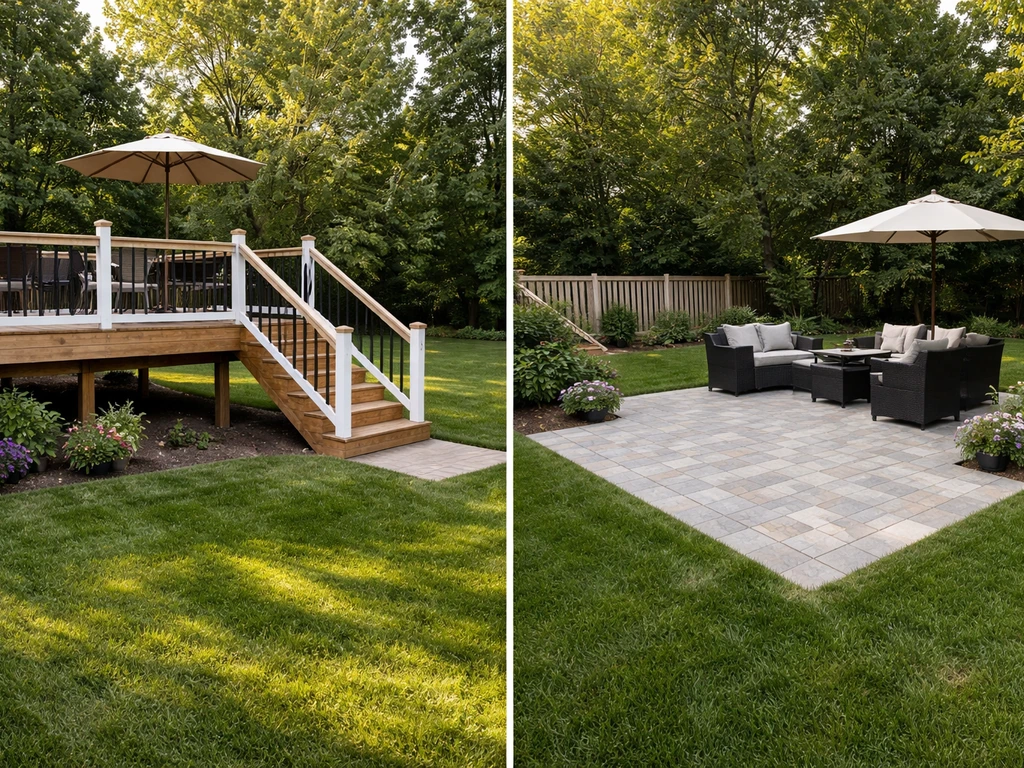
A patio pool is a swimming pool that sits in or immediately alongside a patio, sharing the same hardscape surface so the two spaces function as one unified outdoor living area. The patio's pavers, concrete, or stone extend right up to the pool edge, and the whole setup is designed for lounging, dining, and swimming in the same footprint. It's less a technical construction term and more a descriptive one: it tells you the pool and the patio are integrated, not separate. Unlike a deck, which is a raised platform, a patio pool is defined by meaning and function as a paved outdoor space that the pool integrates with at ground level deck meaning vs patio meaning.
What Is a Patio Pool? Types, Placement, and Costs

Ada Hollis
11 Jul 2026
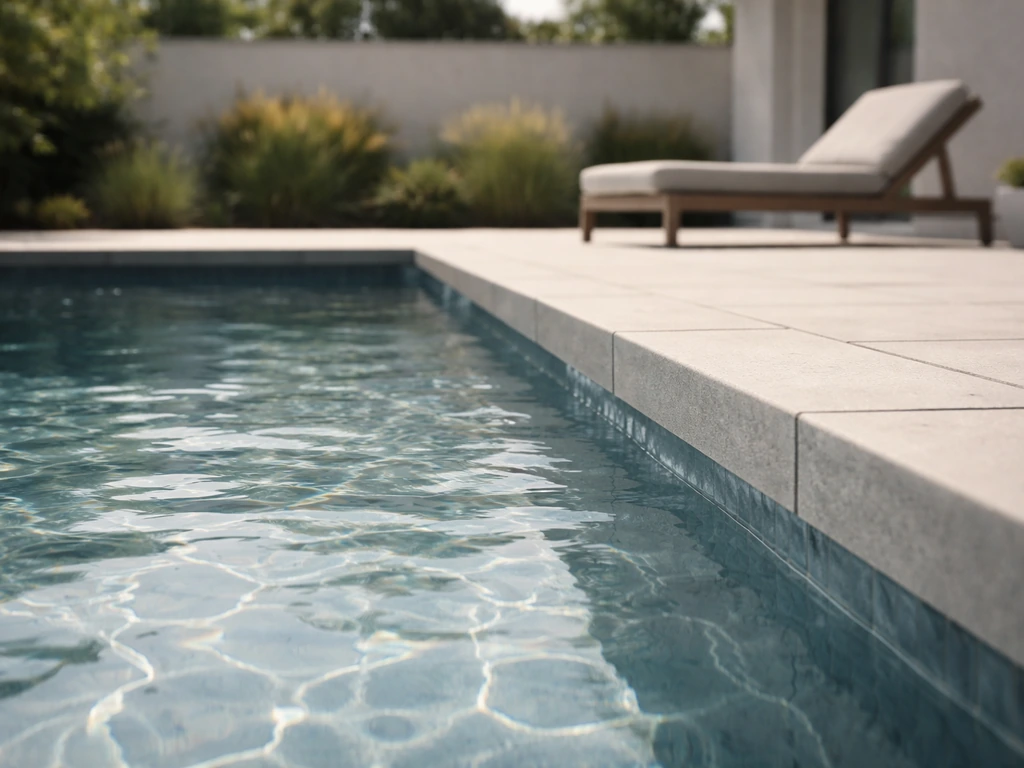
What a patio pool actually is
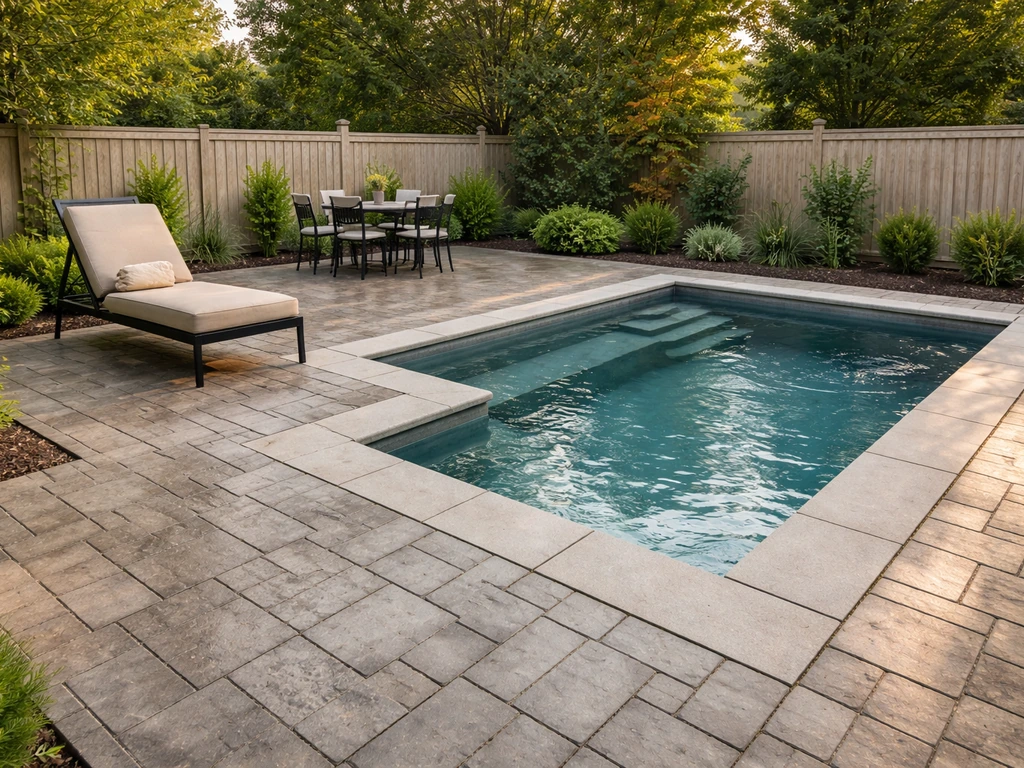
The blank" rel="noopener noreferrer">classic Merriam-Webster definition of a patio is a recreation area that adjoins a dwelling, is often paved, and is adapted especially to outdoor dining. A pool added to or built within that space becomes a patio pool by association and proximity. The patio is still the paved, ground-level surface (as Houzz and Bob Vila both describe: blank" rel="noopener noreferrer">flush with the ground, not raised like a deck). The pool slots into it, either as a cut-out in the pavers, a freestanding above-ground structure surrounded by patio surface, or an in-ground pool with coping that blends directly into the hardscape.
When you see 'patio pool' in a real estate listing or contractor quote, it almost always means you're getting both: a usable hardscape outdoor area and a pool that share the same zone. The pool doesn't sit off by itself in a lawn. The patio wraps around it, frames it, or merges with its decking. For quick context, a patio or deck definition helps you tell what’s truly flat hardscape versus an attached structure around the home.
How patio pools are typically laid out
Most patio pool layouts follow one of a few common patterns. In the most popular arrangement, an in-ground pool is cut into the patio slab or paver field, with coping stones or bullnose pavers forming a clean transition between the water edge and the walking surface. Outdoor furniture, shade structures, and a grill station occupy the dry patio area, while the pool takes up the center or one end of the space.
A second common layout wraps the pool on two or three sides with patio surface and uses the remaining side as a planting bed or fence line. This works well on narrower lots where you can't have open patio on all sides. The third layout, popular in smaller yards, uses a raised or semi-raised pool (or a spa) as almost a furniture-scale feature, surrounded by a continuous patio surface that flows uninterrupted from the house to the pool edge.
Features you'll commonly find in a patio pool setup include: coping or bullnose edging at the waterline, non-slip paver or textured concrete surfaces within splash distance, built-in steps or a tanning ledge inside the pool, a nearby equipment pad screened with fencing or plantings, and often an outdoor shower or foot rinse station mounted to the house or a fence post. Larger builds often incorporate a pergola or shade sail over part of the dry patio area.
Patio pool vs. patio, pool house, courtyard, and lanai
These terms overlap enough to cause real confusion, especially in property listings. Here's how they actually differ.
| Term | What it means | Key difference from a patio pool |
|---|---|---|
| Patio | A paved, ground-level outdoor area adjoining the home, used for dining or relaxing | The patio is the base surface. A patio pool adds a swimming pool to or within that surface. |
| Pool house / cabana | A separate structure near the pool used for changing, storage, or entertaining | It's a building adjacent to the pool, not the pool itself or the patio surface around it. |
| Courtyard | An enclosed or semi-enclosed outdoor space surrounded by walls or structures, often paved | A courtyard can contain a patio pool, but the courtyard is defined by its enclosure, not by the presence of a pool. |
| Lanai | A Hawaiian/Florida term for a covered or screened outdoor living space, often with a pool enclosed inside it | A lanai is typically screened or roofed. A patio pool is usually open-air. A screened-in patio pool could be called a lanai pool. |
| Patio deck | A hybrid surface combining patio-level hardscape with deck-style boards or composite material | A patio deck is about the surface material. A patio pool is about the pool being part of that outdoor zone. |
| Porch | A covered entrance structure, often elevated slightly, attached to the front or rear of a home | Porches are covered and typically not where pools are installed. Patio pools are ground-level and usually open-air. |
| Balcony | A raised, railed platform projecting from an upper floor | Balconies don't contain pools. Patio pools are ground-level features. |
The lanai comparison is worth a second look if you're searching listings in Florida or Hawaii. Many Florida homes list a 'pool lanai,' which is a screened enclosure over the patio pool area. The pool is still a patio pool in construction terms, but the enclosure changes the experience significantly: less UV exposure, fewer bugs, and a slightly different maintenance profile (screen cleaning instead of leaf skimming, for example).
Types of patio pools
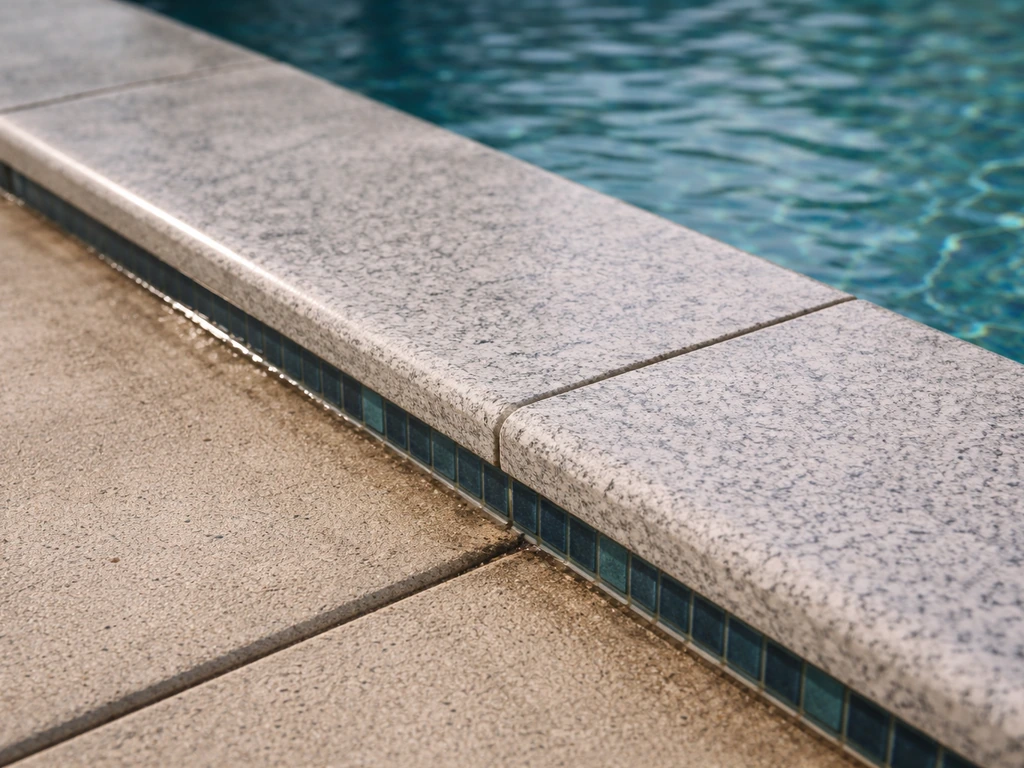
In-ground patio pools
In-ground pools are the most common type paired with a patio. They're built as a permanent part of the property, usually in concrete (gunite or shotcrete), fiberglass, or vinyl liner construction. Concrete is the most customizable and can be shaped to fit irregular patio footprints. Fiberglass shells arrive pre-formed, so the patio surface is built around whatever shape the shell comes in. Vinyl liner pools are the least expensive in-ground option but require liner replacement every 8 to 12 years. All three can be flush-finished with patio pavers or concrete to create a seamless look.
Above-ground patio pools
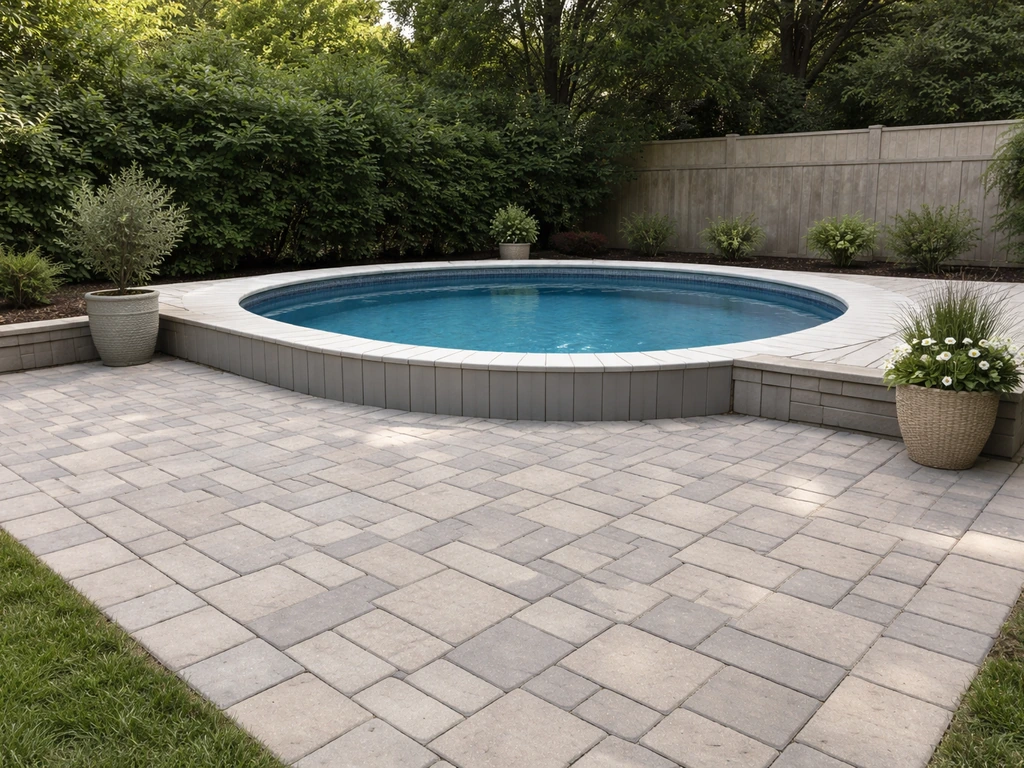
Above-ground pools can absolutely be part of a patio setup, and they're increasingly designed to look intentional rather than temporary. A steel or resin-walled above-ground pool surrounded by a built-out patio deck creates a hybrid situation that some people also call a patio deck pool. If you are considering the look of a built-out patio deck, make sure you understand how the deck surface and pool integration change the cost and maintenance needs. The patio surface is typically built up around the pool wall, giving access at the top. These cost a fraction of in-ground installations and can be removed if needed, which matters for renters or people in transitional housing situations. The tradeoff is aesthetics and resale perception.
Spa, plunge, and jetted patio pools
Not every patio pool is a full-size swimming pool. Plunge pools (typically 10 to 15 feet long and 5 to 7 feet deep), spa pools, and jetted hot tubs are increasingly popular in smaller urban yards and townhouse patios where a standard pool wouldn't fit. These are still legitimately called patio pools when they're integrated into the patio surface. A decorative patio is the styled outdoor area around your home that makes the space comfortable and visually appealing what is a decorative patio. A 12-foot plunge pool set into a 400-square-foot patio with pavers and a couple of lounge chairs qualifies. Standalone hot tubs sitting on top of a patio without integration into the hardscape are more accurately called patio hot tubs, but the distinction is minor in casual conversation.
Practical placement: space, surfaces, drainage, and safety
How much space do you actually need?
A minimum functional patio pool setup needs roughly 500 to 600 square feet of total outdoor space to feel usable: that's enough for a 12x24-foot pool and a 4- to 6-foot walkable patio margin on at least two sides. Comfortable family setups with seating, a dining area, and a pool run 800 to 1,200 square feet. Smaller lots can work with plunge pools or spas if you're realistic about what you're building: a relaxation feature, not a lap pool.
Surface materials around the pool
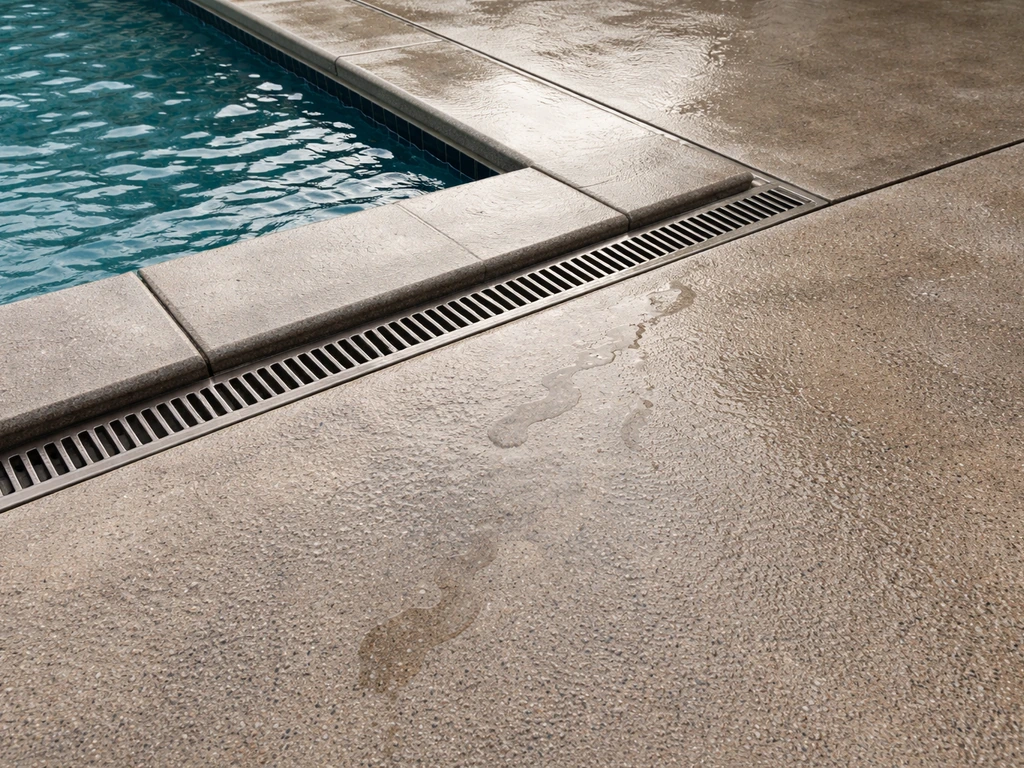
The patio surface around a pool needs to handle wet feet, UV exposure, and temperature swings. The most practical options are textured concrete (broom-finished or exposed aggregate), natural stone like travertine or bluestone, and concrete pavers. Travertine stays notably cool underfoot in direct sun because of its natural porosity, which is why it's so common in hot climates. Smooth concrete gets slippery when wet and hot enough to burn bare feet in summer, so it needs a non-slip additive or textured finish. Wood decking is sometimes used at the pool edge but requires more maintenance and swells with water exposure. A quick way to remember the deck vs patio definition is that patios are usually paved and built as part of the ground-level hardscape, while decks are raised platforms made of wood or composite. Composite decking is more stable but can get hot.
Drainage and runoff
Water management is one of the most overlooked parts of a patio pool design. Splash-out, rain, and backwash water need somewhere to go or you'll end up with standing water on the patio, erosion at the edges, and potential water intrusion toward the house. Properly designed patio pools slope the surrounding surface away from the pool at roughly 1/8 to 1/4 inch per foot, with channel drains or pop-up drainage at low points. If your patio pool is close to the house, a drain channel between the pool area and the house foundation is often required by local code.
Safety requirements
Most jurisdictions in the US require a fence at least 4 feet high around any pool, including patio pools, with a self-latching gate. In-ground pools typically also require a permit. Non-slip surfaces within 6 feet of the water edge are a standard safety recommendation and increasingly a code requirement in newer builds. If you're buying a home with a patio pool, check that these requirements are met: an unpermitted pool or missing fencing can become your liability the moment you close on the property.
Costs, upkeep, and what it does to your property value
What patio pools cost to build
Rough ballpark figures as of mid-2026: a basic above-ground pool with surrounding patio work runs $5,000 to $20,000 depending on pool size, patio material, and how much labor is involved. An entry-level in-ground vinyl liner pool with a patio surround starts around $40,000 to $60,000 in most US markets. A fiberglass in-ground pool with a paver patio package is typically $60,000 to $90,000. A custom gunite pool with upscale patio finishes (travertine, built-in spa, outdoor kitchen) runs $100,000 and up, sometimes well past $200,000 in high-cost markets. These are installed, finished prices, not just pool shell costs.
Ongoing maintenance
Expect to spend $1,200 to $2,400 per year for basic pool maintenance if you handle most of it yourself: chemicals, filter cleaning, and an annual inspection. A weekly pool service runs $100 to $200 per month in most markets. The patio surface around the pool needs periodic pressure washing, resealing if it's natural stone or concrete, and occasional joint sand replacement if it's a paver installation. Vinyl liners need replacement roughly every decade. Pool equipment (pump, filter, heater) typically needs replacing every 8 to 15 years depending on use and climate.
Property value: asset or liability?
A well-designed patio pool in a warm-climate market is generally a positive for resale. In Sun Belt markets like Arizona, Florida, and Southern California, buyers often expect a pool, and a property without one can sit longer or sell for less. In colder climates, a patio pool is more neutral: some buyers see it as a bonus, others see it as a maintenance burden and a safety concern for families with young children. The patio integration matters here: a patio pool that looks designed and intentional adds perceived value. An above-ground pool dropped onto a cracked concrete slab with no real patio design can actually hurt a listing's appeal.
If you're evaluating a property listing that mentions a patio pool, look at the photos carefully. Is the patio surface in good shape? Is the pool equipment visible and well-maintained? Are the pavers level and clean? A neglected patio pool can cost $10,000 to $30,000 to bring back to functional, attractive condition, so it's worth factoring that into your offer calculation.
Your next steps
If you're trying to understand a property listing: a patio pool means you're getting a ground-level paved outdoor area with a pool integrated into it. A patio boat is a different kind of watercraft, usually built for comfortable seating and lounging at the stern or rear area. Check the surface materials, fencing, equipment condition, and whether permits were pulled. If you're planning to build: start with your total available outdoor square footage, decide between in-ground and above-ground based on budget and permanence needs, and factor drainage into the design from day one. If you're just trying to understand the term in relation to other outdoor spaces, the short version is this: patio is the ground-level paved space, the pool sits in or alongside it, and together they make a patio pool.
FAQ
How can I tell if a listing is really a patio pool, not just a nearby pool on a patio?
It only counts as a patio pool if the pool and the paved patio read as one integrated zone (for example, a cut-in in pavers or a flush patio surface that wraps the pool). If the pool sits on a separate slab or platform, vendors often call it a patio hot tub or a deck pool instead, even if it’s nearby.
Can a raised or semi-raised spa still be considered a patio pool?
Yes, a semi-raised feature like a small raised pool or spa can still be called a patio pool if the surrounding hardscape is continuous and the transition is designed to feel like furniture-scale seating or a built-in feature. If the pool height forces stairs and the patio stops at the base, it’s usually marketed as a hot tub deck or patio hot tub.
Do the usual pool rules (fence, permits, safety) apply to patio pools and plunge pools?
In most markets you should assume the same basic safety items apply, but the exact requirements depend on whether it’s in-ground, above-ground, or a plunge pool/spa. Common triggers are a barrier fence around the water and a self-latching gate, plus non-slip treatment within a few feet of the water edge, so verify with your local building department before budgeting.
What’s the most common mistake people make with patio pool water management?
Budget for drainage improvements early, not as an afterthought. The patio surface usually needs a defined slope away from the pool (often combined with channel drains), otherwise you can get standing water, soil erosion at the pool edge, and water migration toward the house foundation.
How much maintenance should I plan for the patio surfaces, not just the water chemistry?
Expect a mix of upkeep, not just pool chemicals. Even with the right pitch, you’ll typically need periodic patio cleaning (pressure washing and joint re-sanding for pavers), plus crack and seal maintenance for certain finishes, which affects annual cost and how the space looks month to month.
Is travertine always the best choice for patio pool decks around the water?
Travertine can help with comfort underfoot in hot climates because it tends to stay cooler, but it still needs proper sealing and routine cleaning to avoid discoloration from pool chemicals. If you’re choosing stone, ask whether the finish will be honed or tumbled and how it will be sealed for wet areas.
What should I look for in patio materials to reduce slips near the pool?
If the patio is meant to be wet-foot friendly, you should prioritize textured finishes and edge details that reduce slipping when wet. Smooth finishes, including some smooth concrete pours, often need non-slip additives or a deliberately textured broom or exposed-aggregate finish, otherwise bare feet can be a safety risk.
Will a patio pool help resale value in my area, and what changes the outcome most?
A patio pool can be a resale plus in warm, pool-expecting markets, but only if it looks intentional and the patio is in good condition. If the patio has heaving pavers, failing joints, or neglected pool equipment, buyers may treat it as a costly renovation, offsetting any pool “bonus.”
What details should I verify before buying a home with a patio pool?
Yes, especially with older installs. Look for signs of an unpermitted pool, missing fence components, and poor water grading, then confirm whether the pool’s equipment age matches the seller’s claims. If permits were never pulled, you may need costly compliance updates before or after purchase.
What parts of a patio pool project most affect the final cost beyond the pool itself?
Often the biggest “hidden” cost is the patio integration work, not the pool shell. Upgrading materials (travertine, high-end pavers), adding a tanning ledge, improving drainage, and installing screens/pergolas can materially change the finished price compared with a basic layout.
Next Article
Deck vs Patio Definition: Differences, Materials, and IDs
Clear deck vs patio definition with ID tips, key material differences, and which option fits your goals and space.