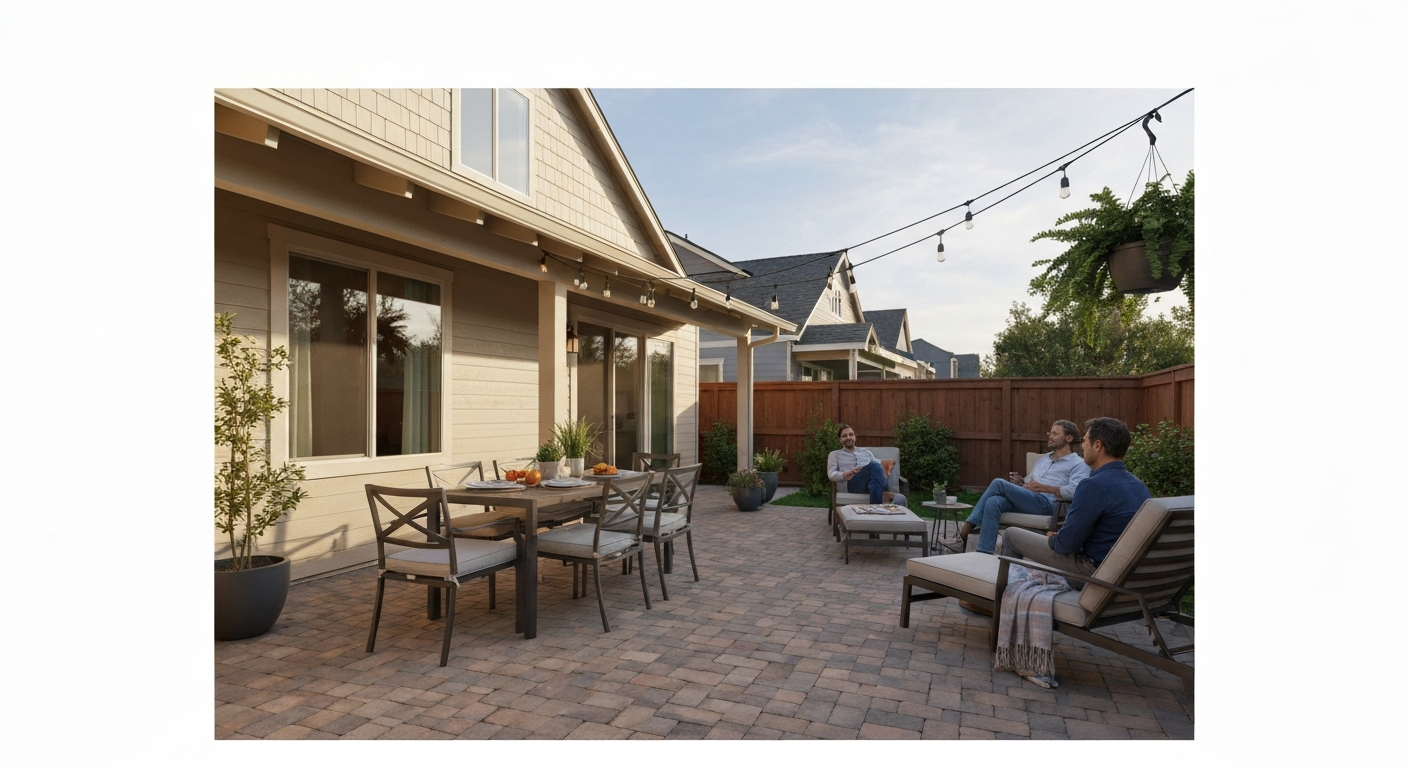
A patio deck is a ground-level or near-ground-level deck that functions as a patio area. The term is used two ways: sometimes it means a deck built so close to the ground that it essentially replaces a traditional paved patio, and sometimes it refers to the decking material or surface installed on or over a patio space. Either way, the defining feature is that the deck sits low, typically 20 inches or less above grade, and is used for the same dining, lounging, and entertaining purposes as a conventional patio. In other words, that deck and patio meaning overlap often shows up when the deck is low and used like a patio deck sits low. A decorative patio deck can use upgraded materials like composite or PVC and add built-in style details such as lighting or planters.
What Is a Patio Deck? Definition, Types, and Differences

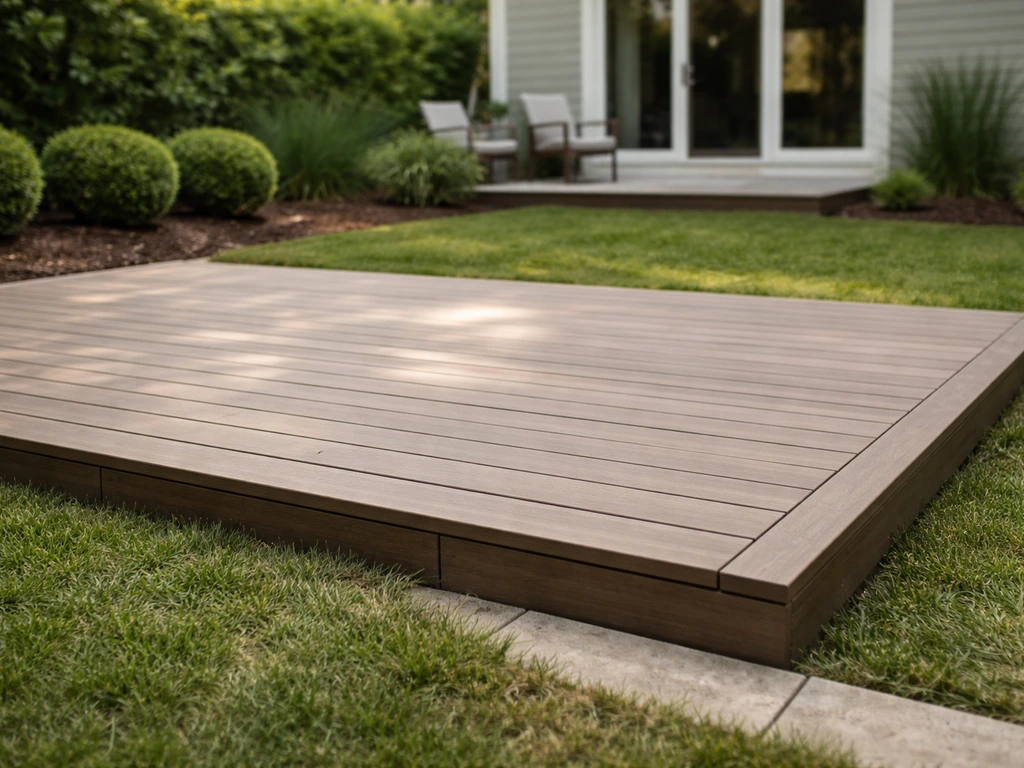
What a patio deck actually is
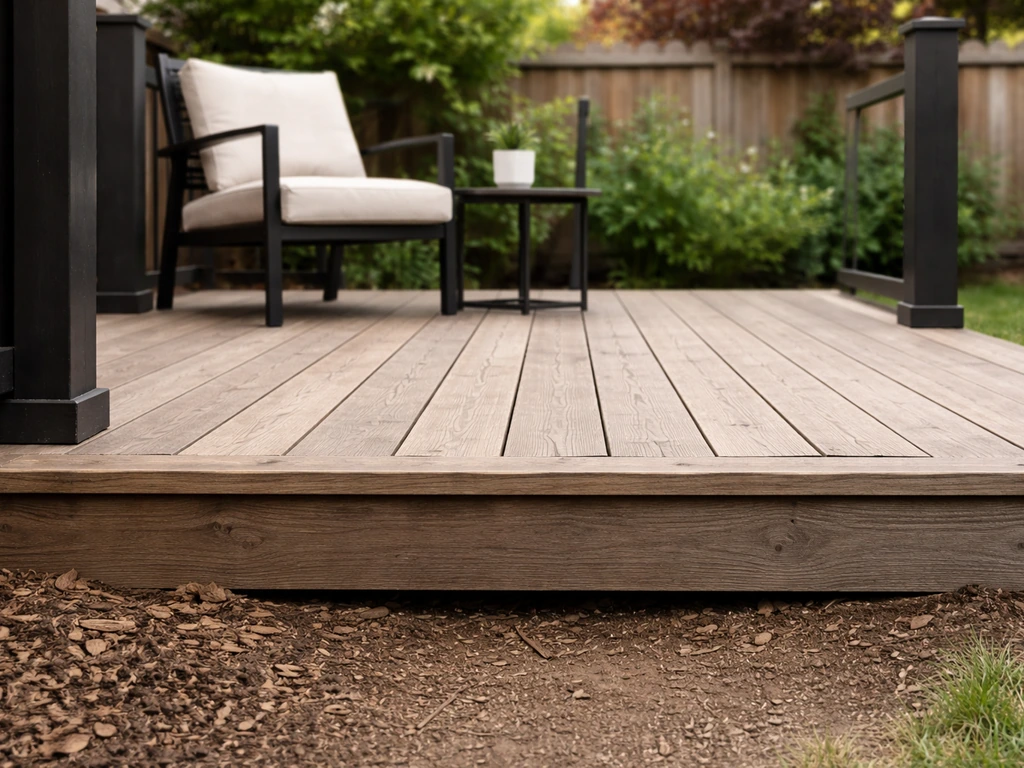
The clearest definition comes from the building industry itself: a ground-level deck, also known as a patio deck, sits close to the ground and serves as an outdoor living surface attached to or near the home. It has the structural DNA of a deck (a frame, joists, and a decking surface on top) but occupies the same physical space and role as a patio. Some builders define "ground-level" as any deck whose finished surface sits 20 inches or less above grade. Others use 30 inches as the regulatory threshold, since many municipalities, including The Colony, TX, require permits for decks above that height or over 120 square feet.
When someone says "patio decking," they usually mean the surface layer: the boards, tiles, or panels laid down on top of a patio or deck frame. So a concrete patio can technically get a layer of composite decking boards installed over it, and the result gets called a patio deck. The term is a bit loose in everyday use, but the common thread is always a flat, functional outdoor surface that's meant to be walked on and lived on.
How a patio deck differs from a regular patio
A traditional patio is a ground-level hardscape surface, typically paved with concrete, pavers, brick, or tile, that adjoins a dwelling and is adapted especially for outdoor dining and recreation. A patio is generally described as an outdoor space used for dining or recreation that adjoins a structure and is typically paved outdoor dining and recreation. It sits directly on or in the ground with no frame or structural elevation underneath. A patio deck, by contrast, is built on top of a frame structure, even if that frame only raises the surface an inch or two off the ground. That framing is what makes it a deck, not a patio, in the eyes of building codes and structural inspections.
In practical terms, the difference matters because decks require drainage planning under the boards, periodic inspection of framing members for rot or movement, and often a building permit. A concrete or paver patio generally needs none of that. If you're evaluating a property and the outdoor surface has visible gaps between boards or you can see framing underneath, you're looking at a deck. If it's a solid, flush surface that meets the ground, it's a patio. The deck vs. patio distinction is explained in more detail in the site's dedicated deck vs patio definition article. If you need a quick deck vs patio definition for your situation, the dedicated guide breaks down the key differences in plain language.
Patio deck vs porch vs veranda vs balcony vs courtyard
These terms overlap in casual conversation but refer to genuinely different structures. Here's how they stack up.
| Feature | Typical Location | Elevated? | Covered? | Attached to House? |
|---|---|---|---|---|
| Patio deck | Backyard or side yard, at grade | No (or very slightly) | Usually no | Often, but can be freestanding |
| Standard patio | Backyard or side yard, at grade | No | Sometimes | Often, but can be freestanding |
| Porch | Front or rear entrance | Sometimes slightly | Yes (defining feature) | Yes, projects from building |
| Veranda | Front or side of house | Slightly (wraps facade) | Yes | Yes, wraps the structure |
| Balcony | Upper floor, above grade | Yes (significantly) | Sometimes | Yes, cantilevered or supported |
| Courtyard | Interior or enclosed area | No | Usually no | Surrounded by walls/structure |
A porch is defined by its roof cover and its connection to a building entrance. It projects from the exterior wall and is at least partially open to the weather, but it always has a roof overhead. A veranda is essentially an extended, roofed porch that wraps around the building. A balcony is elevated above the ground floor and is cantilevered or structurally supported off the building wall. A courtyard is an enclosed outdoor space surrounded by walls or the building itself, at ground level but defined by enclosure rather than by a structural surface. A patio deck shares the ground-level, open-air character of a standard patio but has the board-and-frame construction of a deck.
Common patio decking materials and what they mean for you
The material your patio deck is made from has a direct effect on how much time and money you'll spend maintaining it. Here's a practical breakdown of the main options.
Pressure-treated wood
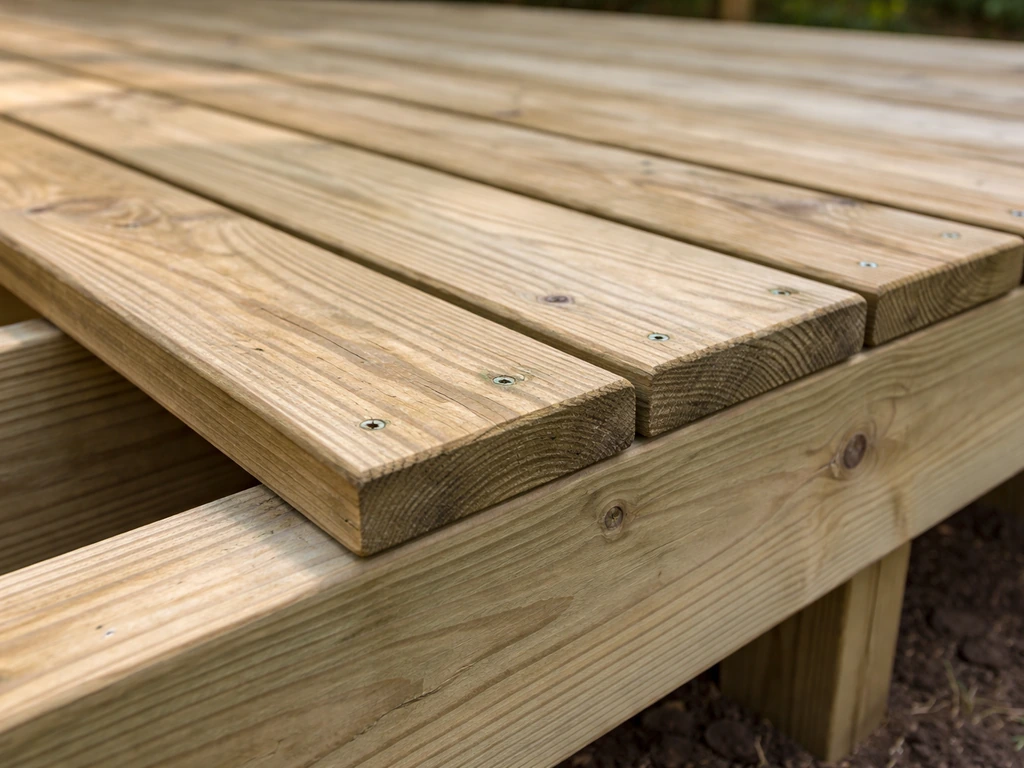
Still the most common and affordable option. Pressure-treated lumber resists rot and insects but needs to be cleaned, re-stained, or sealed every one to three years to stay looking decent and to prevent cracking and splintering. If you're buying a home with an older wood patio deck, check the boards for soft spots, discoloration, and loose fasteners. Wood decks also need the framing underneath inspected periodically.
Composite decking
Composite boards (brands like Trex and TimberTech are well known) are made from wood fiber and plastic. They're marketed as low-maintenance alternatives to wood, and for the most part they deliver on that. Quality composite products carry fade and stain warranties, with brands like TimberTech and MoistureShield defining warranted fade as a color change greater than 5 Delta E (CIE) units. In plain terms, that means measurable protection against visible color shift. Early composite generations had issues with mold and fading, but current capped composite products are significantly better. You still need to clean them annually, but you won't be sanding and resealing every couple of years.
PVC and vinyl decking
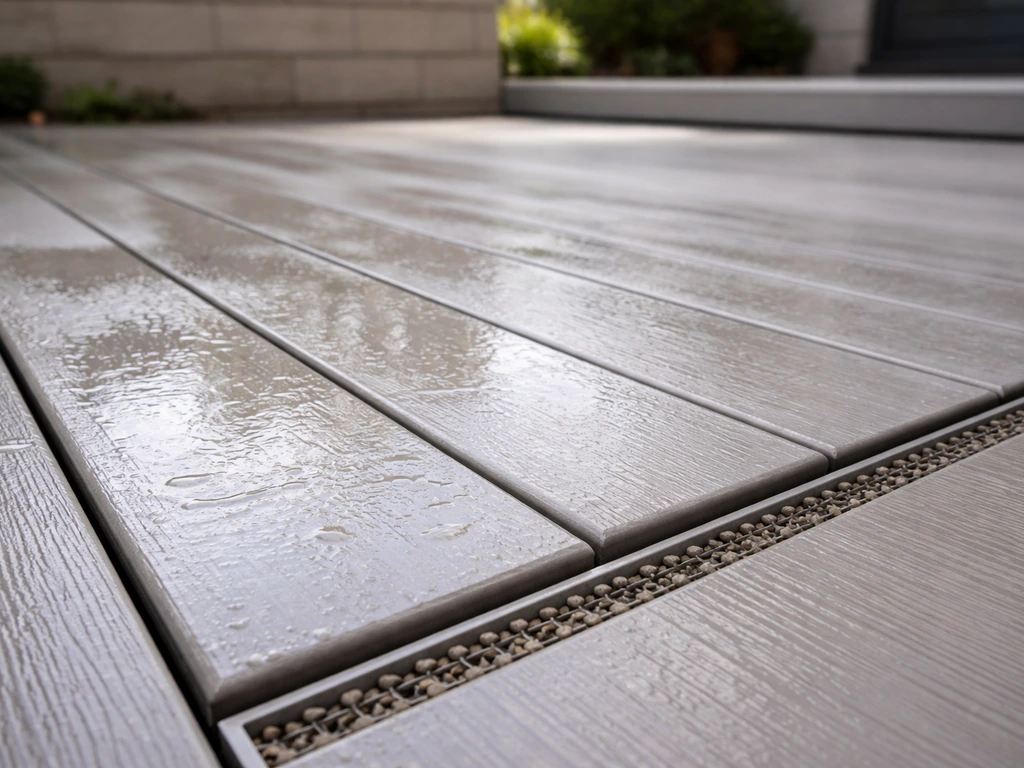
PVC decking contains no wood fiber, which means zero rot risk. Vinyl decking, sometimes marketed as waterproof deck covering for patios, is particularly useful when the space below the deck needs to stay dry. Some vinyl products are also designed with slip-resistance and heat-reduction in mind, which is useful in hot climates. The tradeoff is that PVC can feel less natural underfoot and may expand and contract more noticeably in extreme temperature swings.
Hardwood and tropical timber
Ipe, teak, and similar tropical hardwoods are dense, durable, and genuinely beautiful, but they require oiling to maintain color (they'll go silver-gray if left untreated, which some people prefer). They're significantly more expensive than pressure-treated wood and composite. If a listing mentions a "hardwood deck" or "ipe patio deck," that's a premium feature, but factor in the maintenance cost before treating it purely as a value-add.
How patio decks are typically configured
Patio decks come in a few common layouts, and knowing the differences helps you evaluate what you're looking at on a property.
- Attached ground-level deck: Ledger-bolted directly to the house, typically accessed from a rear sliding or French door. The step down from interior finished floor to the deck surface is usually no more than 8 to 8.25 inches under standard residential guidelines. This is the most common configuration.
- Freestanding patio deck: Not attached to the house structure, so it floats independently in the yard. Useful when attaching to the house would complicate waterproofing or the house foundation doesn't allow it. Requires its own footing system for stability.
- Multi-level patio deck: Two or more platforms at different heights connected by steps, often used on sloped lots to create a level surface where the ground isn't flat. Each level change requires its own framing and potentially separate permit review.
- Wraparound or L-shaped deck: Follows the corner of a house, providing patio-style space on two sides. Common on corner lots or homes where rear and side yards both offer usable space.
- Floating deck tiles over existing patio: Interlocking deck tiles laid directly on a concrete or paver patio surface. No framing underneath; the existing hardscape is the substructure. This is the simplest form of "patio decking" and often doesn't require a permit.
Drainage is a practical concern for all of these. Wood and composite decks with gaps between boards drain naturally, but the space under the deck can accumulate debris and moisture. If the deck is close to the ground with limited air circulation underneath, that increases the risk of rot and pest activity in the framing. Ground-contact-rated materials or adequate ventilation space under the frame helps.
Reading "patio deck" in property listings
Real estate listings use patio, deck, patio deck, and decking almost interchangeably, which creates genuine confusion. When you see one of these terms in a listing, here's how to interpret it and what to check. A patio pool is a pool built in or adjacent to a patio area, so you can enjoy swimming right where you already relax outdoors what is a patio pool.
What the listing probably means
If a listing says "patio deck" or "decked patio," it almost certainly means there's a board-surface outdoor area at the back or side of the home, usually at or near ground level. It's distinguishing the feature from a plain concrete slab or paver patio. Listings that say just "patio" more often mean a hardscape surface, while "deck" or "patio deck" suggests a framed, boarded structure. That said, agents don't always use the terms correctly, so verify in person or via listing photos.
What to check before buying or renting
- Confirm whether it's actually a deck (framed, with boards) or a patio (solid surface at grade). Ask the agent directly or look at photos for board lines and gaps.
- Check the material. Wood decks need to be inspected for rot, soft spots, and structural integrity, especially the ledger board where it meets the house. Composite decks are lower maintenance but check for any warping or delamination.
- Ask about permits. Municipalities require permits for decks above certain heights (often 30 inches) or sizes (often 120 square feet). Unpermitted decks can create issues on resale and may not meet current safety codes. Zoning authorities like Kettering, OH explicitly require identifying whether a structure is a deck, patio, or porch before applying permitting standards.
- Find out the age and last maintenance. A 15-year-old wood deck that hasn't been sealed in five years is a maintenance liability. A 5-year-old composite deck is likely fine.
- Look at what's underneath. If it's a raised frame deck, check for adequate ventilation and drainage under the structure. Standing water under a deck accelerates framing decay.
- Consider how it connects to the house. An attached deck has a ledger board that penetrates the home's exterior; if that connection was done poorly, it's a water infiltration risk. Ask if the ledger flashing was inspected.
Maintenance and cost implications
The presence of a patio deck on a property is generally a positive feature, but it comes with ongoing costs that a plain patio doesn't. Wood decks typically need cleaning and resealing or staining every one to three years. Composite decks need annual cleaning and occasional board replacement if a section gets damaged. A concrete or paver patio, by comparison, might only need occasional pressure washing and crack sealing. When you're comparing two properties, treat the material of the outdoor surface as part of the true cost of ownership, not just a cosmetic feature.
If you're trying to understand whether a specific outdoor space qualifies as a deck, patio, porch, or something else entirely, the distinction really does come down to structure (framed vs. hardscape), elevation (raised vs. at grade), and cover (open vs. roofed). Those three factors answer most disambiguation questions you'll run into on listings, property assessments, or conversations with contractors and real estate agents. Understanding what is a patio boat helps you distinguish it from other outdoor watercraft.
FAQ
Can a patio deck be just an add-on layer over an existing patio?
Often yes, but only if the boards are installed on a framed deck structure. If it is just a concrete or paver patio with a thin overlay that is not supported by deck framing, most building inspections still treat it as a patio. The key check is whether you can see joists, beams, or a load-supporting frame beneath the surface.
How do I measure whether something counts as a patio deck (height above ground)?
Look for the “finished surface height” compared to grade at the lowest point, since slope and landscaping can change the measurement. If the deck boards sit more than the local threshold above grade (commonly around 20 inches, or 30 inches in some jurisdictions), permitting and inspection requirements are more likely.
Do patio decks always require permits to build or replace?
Not necessarily. If the deck sits low, it can still require permits depending on total area, proximity to property lines, and whether it is attached to the home. Area-based triggers and height thresholds are common, so you should confirm with your local building department before planning a project.
What drainage problems should I look for with a low patio deck?
Most low decks are designed to shed water through board spacing, flashing details at the house, and adequate airflow under the frame. If you notice standing water, damp insulation, or consistently wet framing, the drainage and ventilation plan may be inadequate, even if the deck is only slightly raised.
Can I build a patio deck in a humid or rainy region without it rotting quickly?
Yes, but you want the right approach. “Close to grade” increases moisture exposure, so choose fasteners and flashing rated for exterior conditions, and use proper under-deck ventilation or clearance where appropriate. Also confirm the materials are suitable for the specific climate, since mildew risk varies by humidity level.
If the boards look fine, can a wood patio deck still have hidden damage?
It can, especially for older wood decks or decks with limited airflow under the boards. Check for soft spots, discoloration, a musty smell, and movement when you step on different boards, and also inspect joists and support posts rather than only the surface.
What maintenance is still required for composite patio decks?
Composite generally holds up well, but it is not zero-maintenance. Plan for annual cleaning, promptly remove leaves and debris, and replace any warped or cracked boards quickly to prevent strain on the surrounding fasteners and support members.
Does PVC decking eliminate the need to think about moisture and expansion?
PVC can reduce rot risk, but it does not eliminate all issues. You still need correct installation, proper drainage under the deck, and attention to thermal expansion and contraction, which can show up more in very hot summers or cold winters.
Is an ipe or teak patio deck a low-maintenance “set it and forget it” option?
Hardwood can be durable, but maintenance is a real cost. Expect periodic oiling (or similar treatment) to keep color, and budget for the premium purchase price plus ongoing upkeep so it stays the finish you want rather than going gray.
How can I verify what a real estate listing means by “patio deck” or “decked patio”?
Many agents use the terms loosely in listings, so you should verify with photos and a quick on-site look. Confirm whether there is framing under the surface, whether the space is openly accessible like a ground-level deck, and whether the listing photos show gaps or visible supports.
Patio Weather Meaning: What Patio, Area & View Mean
Clear patio definition: what a patio is, 'patio weather' meaning, and how it differs from decks or porches.