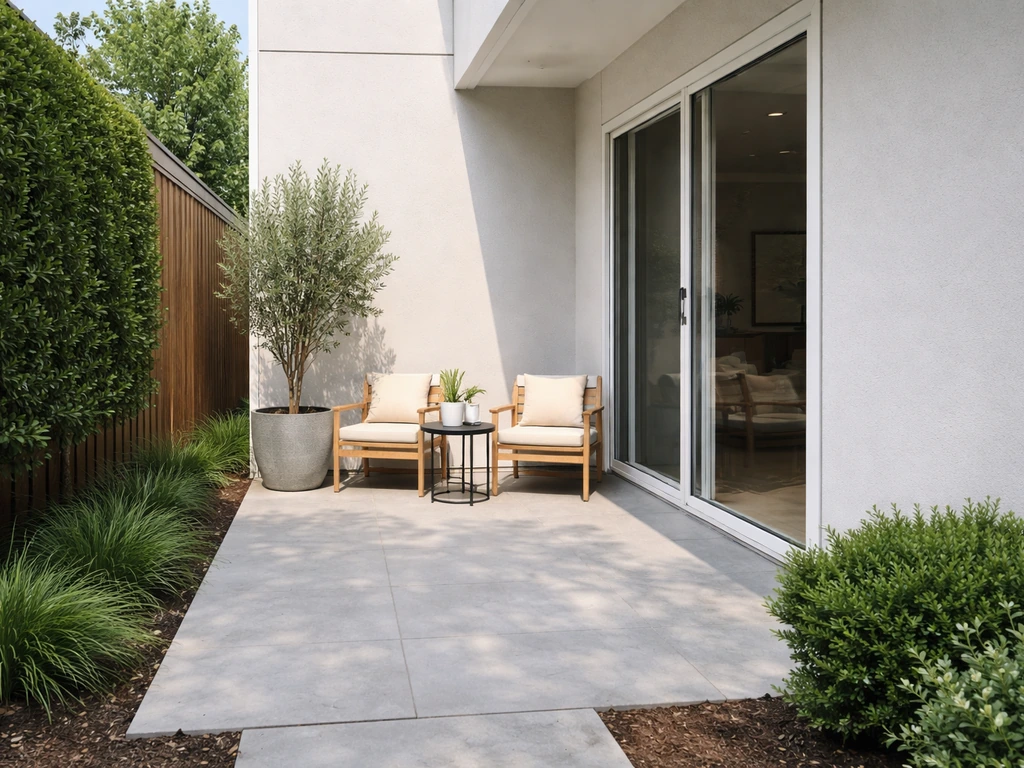
An apartment patio is a ground-level outdoor area directly attached to your unit, usually paved or concrete, open to the sky, and accessed through a sliding door or back door. Unlike a balcony, it sits at grade (street or garden level), not elevated off the building wall. It's meant for lounging, dining, and everyday outdoor use, and in most apartment buildings it belongs exclusively to your unit, even though the building technically owns the land.
What Is a Patio in an Apartment? Features and Tips

Ada Hollis
19 May 2026
Patio vs apartment patio: what's the same, what's different
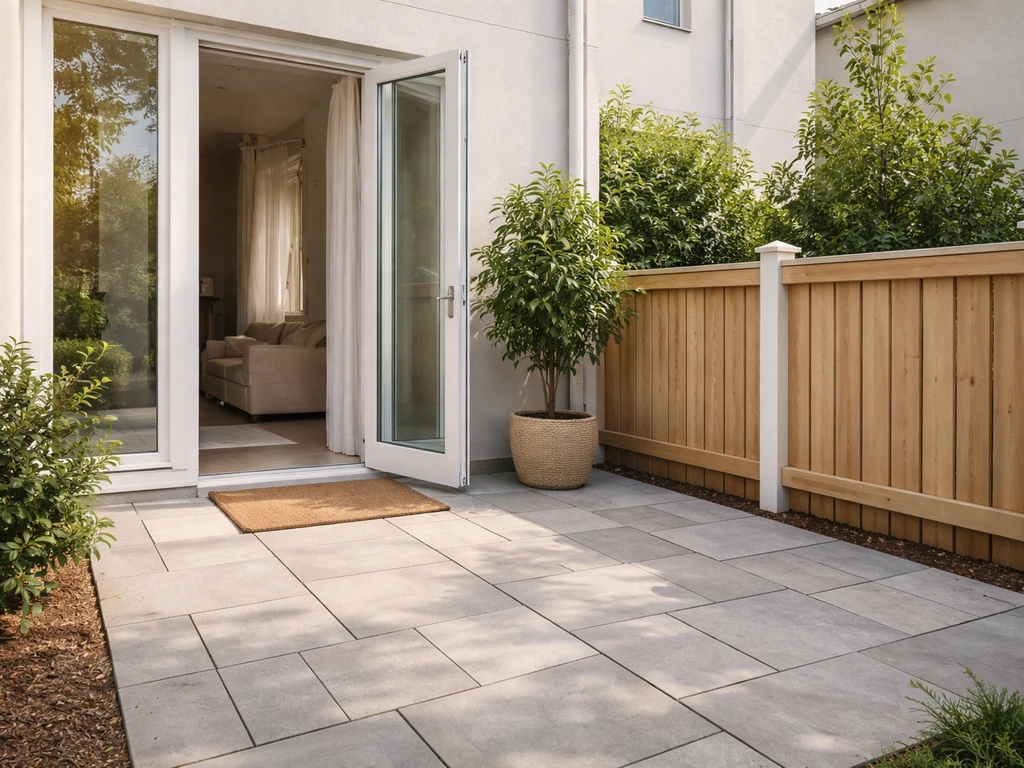
The standard architectural definition of a patio is a paved, roofless outdoor area adjoining a residence intended for dining and recreation. That definition applies just as well to apartments as it does to houses. The main difference is ownership and control. When a house has a patio, the homeowner owns the land outright. When an apartment or condo has a patio, that outdoor space is usually classified as a Limited Common Area or Exclusive Use Area in the building's legal documents, meaning it's reserved for your use but the building or HOA still owns and sometimes maintains it. Example condo documents define “Exclusive Use Areas” or “Limited Common Area” and explicitly include exterior porches, patios, decks, or balconies affixed to or leading from the unit blank" rel="noopener noreferrer">Exclusive Use Areas or Limited Common Area includes an exterior porch, patio, deck or balcony affixed to or leading from the unit. Practically, you get the same outdoor experience, but there are rules attached.
You'll also hear the phrase "patio apartment" used in listings. This just means a ground-floor apartment unit that includes an attached private patio. It's a marketing term more than an architectural one, but it signals that you're getting dedicated outdoor space at ground level, which many renters treat as a serious perk.
Where apartment patios are located and what they actually look like
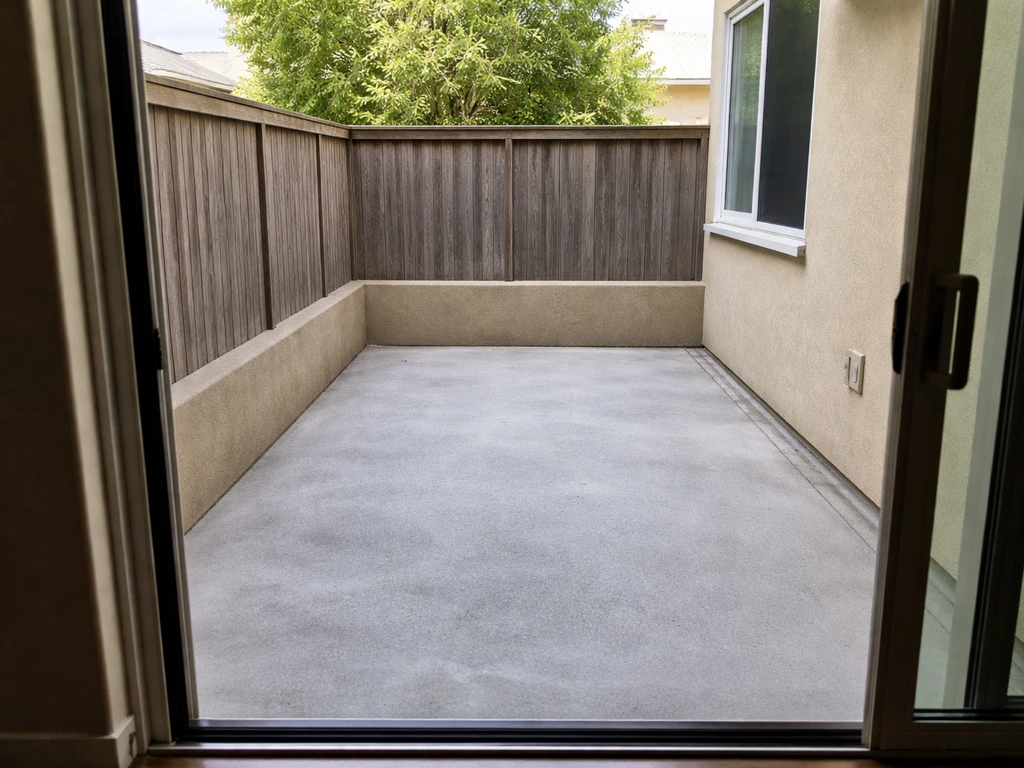
Apartment patios are almost always on the ground floor. If you are wondering where a patio is located in an apartment building, it is usually on the ground floor. That's the defining feature. You walk straight out from your living room or bedroom onto a flat, paved surface at the same level as the surrounding yard or walkway. The surface is typically concrete, pavers, tile, or brick. There's usually no roof overhead, though some have a partial pergola or overhang for shade.
The patio is usually enclosed by some combination of a fence, low wall, hedging, or railing to give you privacy from neighbors and passersby. The size varies a lot: in urban apartment complexes you might get a 6-by-8-foot concrete slab, while suburban or garden-style apartment communities can offer patios of 150 to 300 square feet or more. In some complexes, the patio wraps around a corner of the unit. In others, it's a narrow strip between your door and a shared fence.
How a patio is different from a balcony, porch, verandah, and courtyard
This is where most of the confusion happens in apartment listings, so it's worth being precise. Each of these outdoor spaces has a distinct meaning, even if landlords and listing agents sometimes use them loosely.
| Space | Ground level? | Elevated? | Roof/cover? | Attached to unit? | Typically private? |
|---|---|---|---|---|---|
| Patio | Yes | No | No (open sky) | Yes, directly | Yes |
| Balcony | No | Yes (upper floor) | No | Yes, projects from wall | Yes |
| Porch | Usually yes | Sometimes raised a step or two | Yes (roof overhead) | Yes, at entry | Yes |
| Verandah | Yes (or raised slightly) | No | Yes (covered, often wrapped) | Yes | Yes |
| Courtyard | Yes | No | No | Shared by building | Usually shared |
A balcony projects from the building wall on an upper floor, enclosed by a railing or parapet. It's elevated, never ground-level, and that's the clearest line between a balcony and a patio. A porch has a roof and typically sits at the front entry of a building. A verandah is a covered, roofed outdoor area, often wrapping around the side of a home. A courtyard is an open area enclosed by the building itself, usually shared by multiple units rather than reserved for one. If a listing says "patio" but the space is on the third floor with a railing, what you're actually looking at is a balcony.
The main types of apartment patios you'll actually encounter
Ground-level private patio
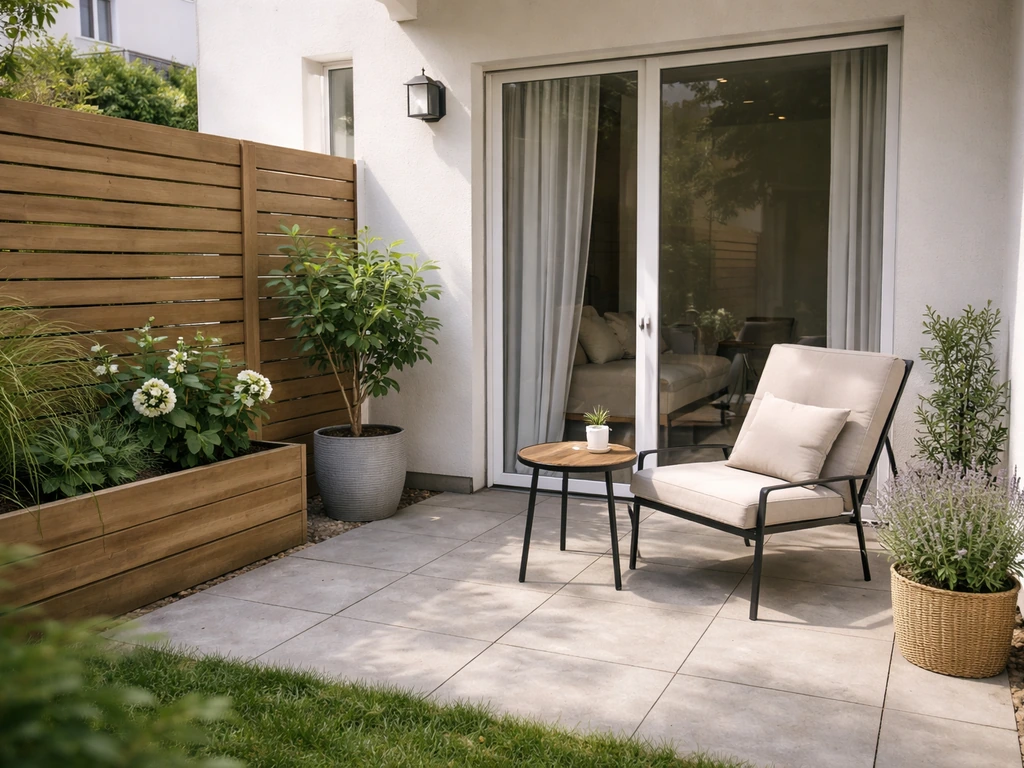
This is the most common type. It's a paved outdoor area directly off a ground-floor unit, usually fenced or walled for privacy. You access it through a sliding glass door or a back door. It functions essentially like a small backyard: you can put out furniture, a grill (check the lease), and potted plants. This is what most people picture when they hear "apartment patio."
Fenced or semi-private patio
Some apartment complexes build patios with a 4- to 6-foot privacy fence or concrete wall, giving you a clearly enclosed outdoor room. Others use low decorative railings or hedges that provide visual separation but not true privacy. The difference matters a lot for how usable the space actually feels day-to-day, especially if your patio faces a parking lot or a high-traffic walkway.
Shared courtyard access
In some apartment buildings, especially older urban ones, ground-floor units open directly onto a shared courtyard rather than a private patio. This can look like a patio in photos but doesn't function like one: other residents can walk through, there's no exclusive use, and you can't leave furniture out with any confidence. This is an important distinction to clarify before you sign a lease.
How to tell if a listing's "patio" is the real thing
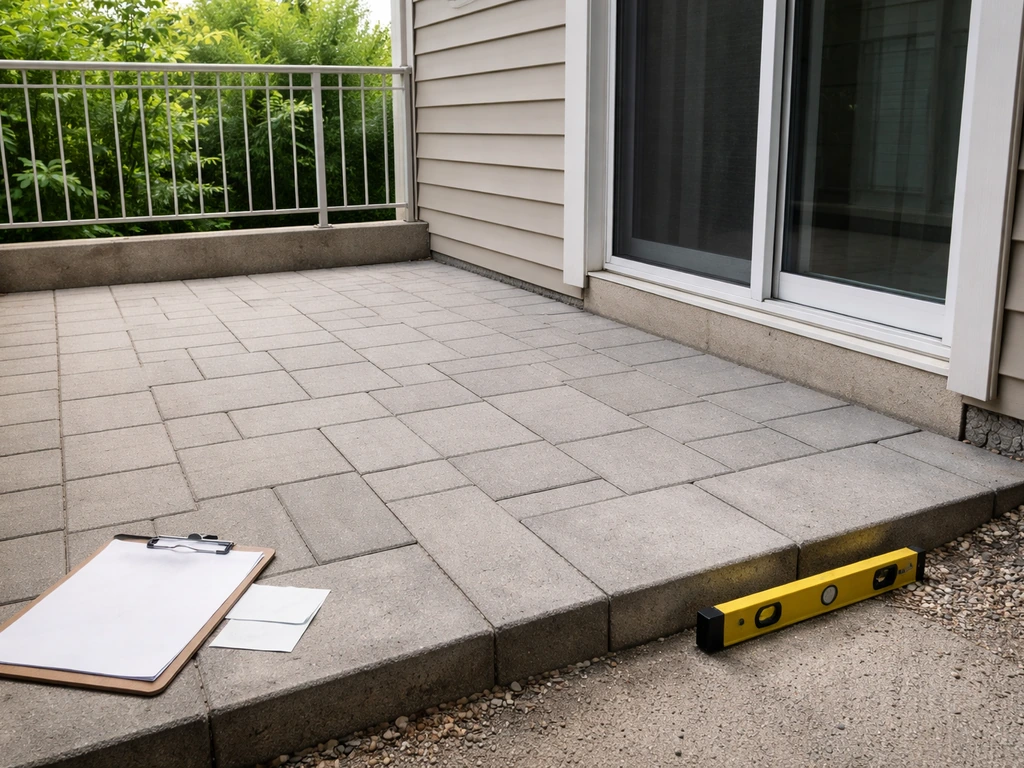
Listing photos can be misleading. Here's what to look for when evaluating whether a listed patio is actually a private, ground-level, usable outdoor space and not a balcony, a shared area, or just a fire escape landing with a plant on it.
- Check the unit floor: if it's listed as anything above the first floor and the outdoor space is called a "patio," ask for clarification. True patios are ground-level.
- Look at the photos for a fence, wall, or enclosure separating the space from common areas. An enclosed or fenced patio signals it's private.
- See if there's a direct door from the unit to the outdoor space, not a staircase or ladder down.
- Notice the surface: a concrete slab, pavers, or tile at the same level as the surrounding ground confirms it's ground-level.
- Look for furniture in the listing photos. If management has staged the patio with chairs and a table, that's a good sign it's meant for exclusive use.
- Read the listing description carefully. Words like "exclusive," "private," or "direct access" point to a true patio. Phrases like "community outdoor space" or "shared amenity" don't.
- Check whether the square footage of the patio is listed separately from the interior square footage, as this sometimes indicates it's measured and legally defined as part of your unit's exclusive space.
Questions to ask before you sign, plus who's responsible for what
Even if the patio looks great in person, there are practical questions you need answered before committing. Apartment patios often come with restrictions and responsibilities that don't apply to patios at standalone houses.
- Is the patio exclusive to my unit, or can other residents access it? Get this in writing, ideally in the lease or as a reference to the building's condo/HOA documents.
- What are the exact dimensions? A "patio" could be 40 square feet or 200 square feet, and that changes everything about how you'll use it.
- What's the surface material, and is it in good condition? Cracked or uneven pavers are a tripping hazard and can mean drainage problems.
- Who handles maintenance: you or the building? In many condo setups, the tenant or owner is responsible for keeping the patio clean and in good condition, while the building handles structural issues like cracks or drainage.
- Are there restrictions on furniture, grills, or planters? Many apartment communities restrict open-flame grills, certain types of structures, or permanent changes to the patio surface.
- What's the privacy situation? Ask which direction the patio faces and whether pedestrian paths, parking areas, or neighboring units overlook it.
- Is there a drainage issue? Ask if the patio floods after rain. This is a commonly overlooked problem in ground-level spaces.
- What's the noise level? Ground-level patios near parking lots, streets, or HVAC equipment can be louder than they appear during a daytime showing.
On the maintenance side, the general rule in condo and apartment buildings is that anything within the patio's surface is your responsibility to keep clean, while structural elements (the concrete slab, drainage system, surrounding fencing) may fall to the landlord or HOA. Always check the lease and any community rules document to confirm, because buildings handle this differently.
What an apartment patio actually means for value and daily life
A genuine private patio is one of the more desirable features in an apartment, and it typically commands a rent or price premium. In competitive rental markets, ground-floor units with patios often rent at or above the price of equivalent upper-floor units without one, because private outdoor space is genuinely scarce in urban and suburban apartment living.
From a daily-use standpoint, a patio gives you a place to have morning coffee outside, eat dinner outdoors, grow container plants, and let a dog out without a full trip to the elevator and lobby. For pet owners and remote workers especially, this kind of immediate outdoor access is a real lifestyle difference, not just a nice-to-have.
The downsides are real too, and worth considering honestly. Ground-level patios face more security concerns than upper-floor balconies, especially if the enclosure is low or the patio faces a public walkway. Privacy can be limited depending on the building layout. And if you're in a condo, the rules around what you can do with the space (plants, furniture, structures, paint) may be more restrictive than you expect. Always read the community guidelines before you assume you can set up a full outdoor kitchen or install a shade sail.
If you're comparing apartments and weighing whether a patio unit is worth a higher rent, think about how often you'd actually use it. A small, well-fenced patio in a quiet building can add meaningful daily quality of life. A large but overlooked slab facing a parking lot may sit unused. Location and privacy matter at least as much as the size of the space itself.
And if you're still sorting out related terminology: questions about where a patio sits in a building's floor plan, how a patio differs from what a house typically offers, or whether patios are typically front or back features are all worth exploring separately, since these distinctions come up often in real estate searches and can change how you interpret what a listing is actually offering. To figure out whether it’s the patio in the front or back, look at the unit’s ground-floor layout and the listing photos for which side it opens onto whether patios are typically front or back.
FAQ
How can I tell if the “patio” in a listing is truly private to my unit, not shared?
Look for evidence of exclusive access in the listing and lease. A true apartment patio usually opens directly from your unit and is marked as an Exclusive Use Area or Limited Common Area in the governing documents. If the photos show multiple doors or a path that other residents can walk through, it may be a shared courtyard instead.
Who is responsible for patio maintenance, the renter or the HOA/landlord?
Treat the patio surface as your responsibility, but confirm who owns and maintains the slab, drainage, and perimeter fence or wall. If the landlord or HOA maintains the fencing, there may be restrictions on modifications (height changes, attaching items). Ask whether you need approval for anchors, drilling, or replacing pavers.
Can I use a grill or install an outdoor kitchen on an apartment patio?
The biggest issue is not legality, it is restrictions. Many leases and condo rules limit grills (especially charcoal or open flames), prohibit permanent installations, and require distance from railings and doors. Even “permitted” grills may need safety gear and time limits, so confirm the specific grill type allowed.
What security and privacy factors should I consider before renting a ground-floor patio apartment?
If the patio is ground level, you may have less privacy and more security risk, especially if it faces a walkway or parking lot. Consider practical upgrades that do not require construction, like outdoor curtains rated for weather, planters for partial screening, motion lights, and keeping the exit door clear from obstructions.
Can I add planters, trellises, or a shade sail to my patio?
Yes, but many buildings regulate what you can add. For example, container gardens are usually simpler than installing built-in planters or adding shade structures, because added weight, attachments, and drainage changes can create maintenance issues. Always ask for approval before drilling into walls, adding trellises, or installing a pergola.
What drainage or water issues should I ask about with an apartment patio?
Start by checking where the patio drains and whether it slopes toward common areas. If water pools near doors or the fencing line, you may not be able to fix it yourself, and you could be responsible for keeping the area clear. Ask if there are restrictions on hoses, runoff, or covering drainage grates.
Why does patio size sometimes matter less than privacy and layout?
Look closely at the enclosure. A full privacy fence can feel like an outdoor room, while low railings or hedges often provide only visual separation. Also check sightlines from nearby windows and foot traffic, because a “large” patio facing a busy walkway may still feel uncomfortable.
If my patio is damaged, what is the repair process and who handles it?
Ask what happens if your patio is damaged. Even if you clean and maintain the surface, structural elements, fencing, and drainage may be landlord or HOA responsibilities, and timelines for repairs can vary. Get clarity on whether you are reimbursed or have access limits during restoration.
Can I leave outdoor furniture and items on the patio year-round?
If it is not a true exclusive area, you may not be able to store items outdoors long term. In some communities, furniture must be placed only during certain hours, and storage can be limited if other residents have access through the area. Confirm rules about leaving items out, especially during landscaping or maintenance visits.
Next Article
What Is a Patio in a House? Definition and Types
Learn what a patio is, how it differs from porch or balcony, common types, and how to spot it in listings.