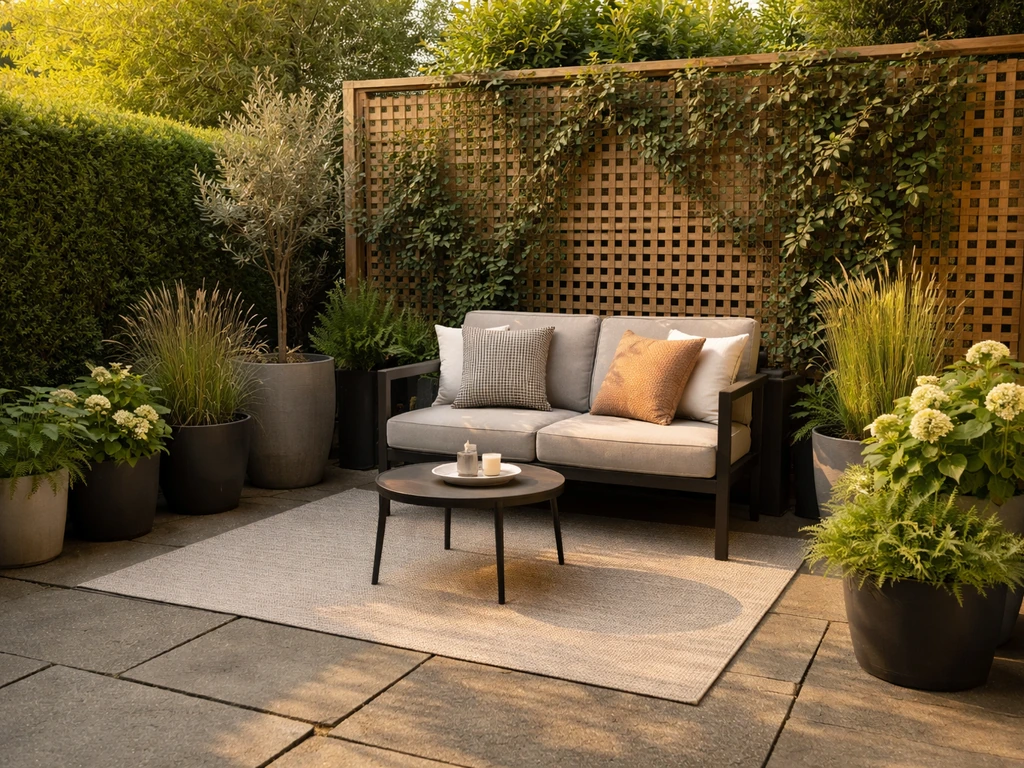
Most patios follow a smart casual or relaxed casual dress code, meaning clean, put-together clothes that aren't beachwear, gym wear, or heavily torn. That said, the exact expectation shifts a lot depending on whether you're heading to a backyard gathering, a restaurant patio, a hotel terrace, or an outdoor event. Knowing what kind of patio you're visiting, and what the weather is doing, will tell you almost everything you need to pick the right outfit.
El Patio Dress Code Guide: What to Wear and When

Ada Hollis
19 May 2026
What a patio actually is (and why it matters for dressing)
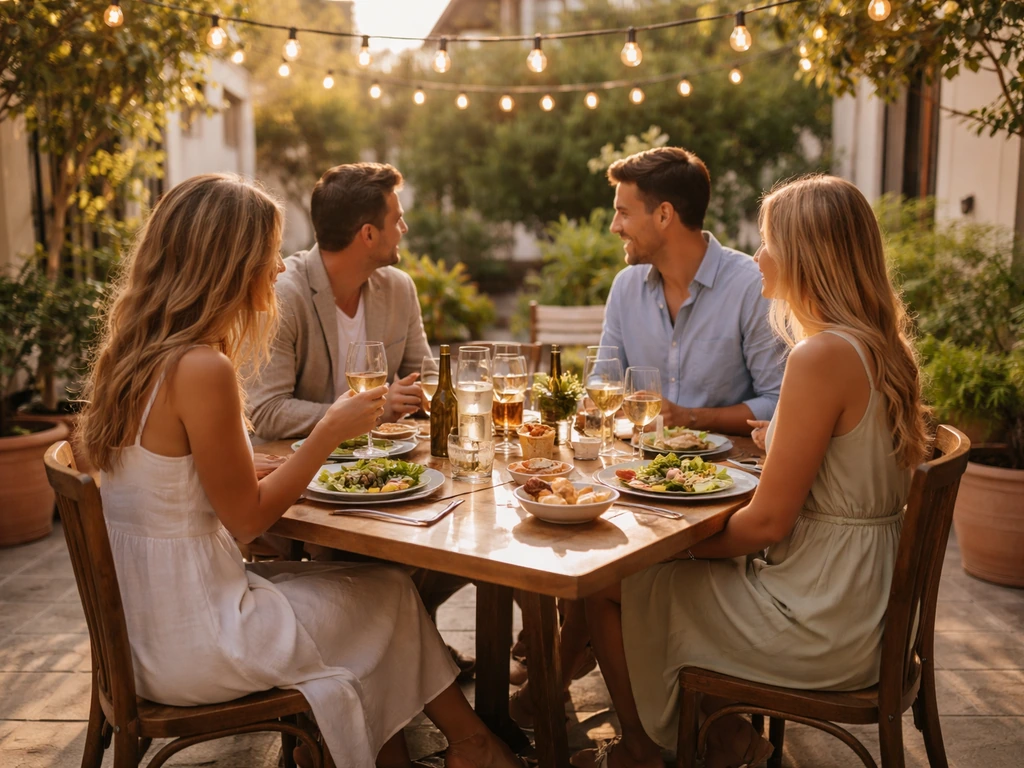
In everyday North American English, a patio is a paved outdoor area used for sitting, dining, or relaxing, usually right next to a house, restaurant, or hotel. It's open to the sky, which is the key detail: no roof overhead, direct sun exposure, and whatever the weather decides to do. That's very different from a veranda (which has a roof over it), a porch (typically a small covered entry-level platform), or an enclosed courtyard. When a restaurant says "patio seating," they mean outdoor, open-air tables. When a host invites you to a backyard patio party, they mean the paved or decked area behind the house.
Why does this matter for your outfit? Because an open patio means sun on your skin, wind in your hair, and possibly rain with no shelter. Dress choices that work perfectly in a climate-controlled dining room can be uncomfortable, unsafe, or just wrong on an exposed patio. A veranda or covered terrace gives you slightly more protection, but a true patio does not. Factor that in before you finalize what you're wearing.
How to interpret a patio dress code
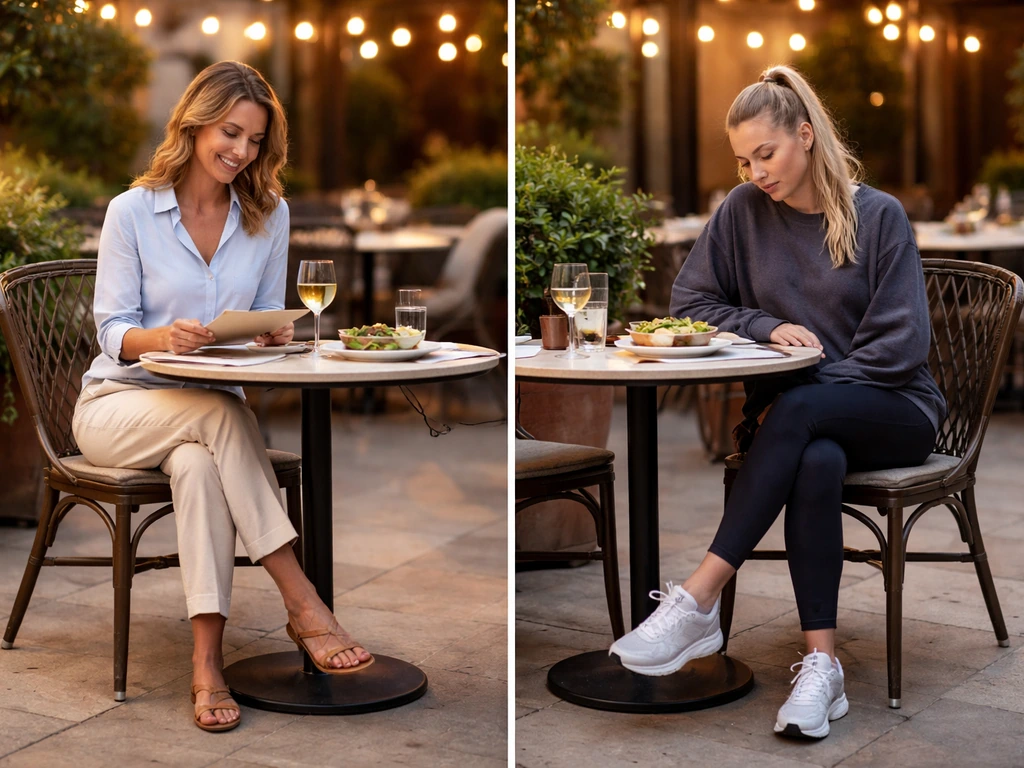
When a venue or host mentions a patio dress code without much detail, the default assumption is smart casual, sometimes shading toward relaxed casual for informal backyard settings. Smart casual means you look like you made an effort: clean clothes, no athletic wear, no swimwear, no flip-flops at nicer spots. You're not wearing a suit, but you're also not rolling up straight from the beach or the gym. Relaxed casual (common for home patios) gives you more room, but "relaxed" still doesn't mean sloppy.
The phrase "patio dress code" can also come up in a more specific context, like a resort or hotel listing its dining policies for outdoor spaces. In those cases, it almost always means smart casual with explicit bans on swimwear, flip-flops, tank tops, and gym shorts. El Patio at Dreams Sapphire Resort, for example, calls out smart casual and specifically bans flip-flops and obvious beach or pool attire. That's a reliable benchmark: if a venue uses the term patio dress code, treat it like a restaurant dress code and dress one step above what you'd wear to the beach.
Dress code rules by setting
The biggest variable is who's running the patio and why. A backyard birthday party has completely different expectations from a hotel rooftop lounge. Here's how to read each setting.
Residential patio (home or backyard entertaining)
This is the most forgiving context. Shorts, sundresses, casual t-shirts, and sandals are all fine. Flip-flops are generally acceptable here because you're at someone's home, not a dining establishment. The only times you'd dress up more is if the host has signaled a specific vibe (outdoor dinner party, milestone birthday, graduation) or if it's evening and the gather leans social rather than backyard-BBQ casual.
Restaurant or event patio
This is where smart casual kicks in. Even if the tables are outside, the dining room rules apply. Most restaurant patios explicitly prohibit swimwear, gym wear (athletic shorts, yoga pants, sweatpants), tank tops for men, and flip-flops or rubber slides. For example, Golden Steer Las Vegas suggests smart, casual dress and prohibits beachwear and gym wear, requiring closed-toe shoes rather than sandals or flip-flops flip-flops or rubber slides. Dress as you would for the indoor portion of the same restaurant. If the restaurant is mid-range, smart casual is the floor. If it's upscale, lean toward elevated casual or business casual: pressed chinos or tailored trousers, a blouse or collared shirt, and proper footwear.
Hotel, resort, or bar patio
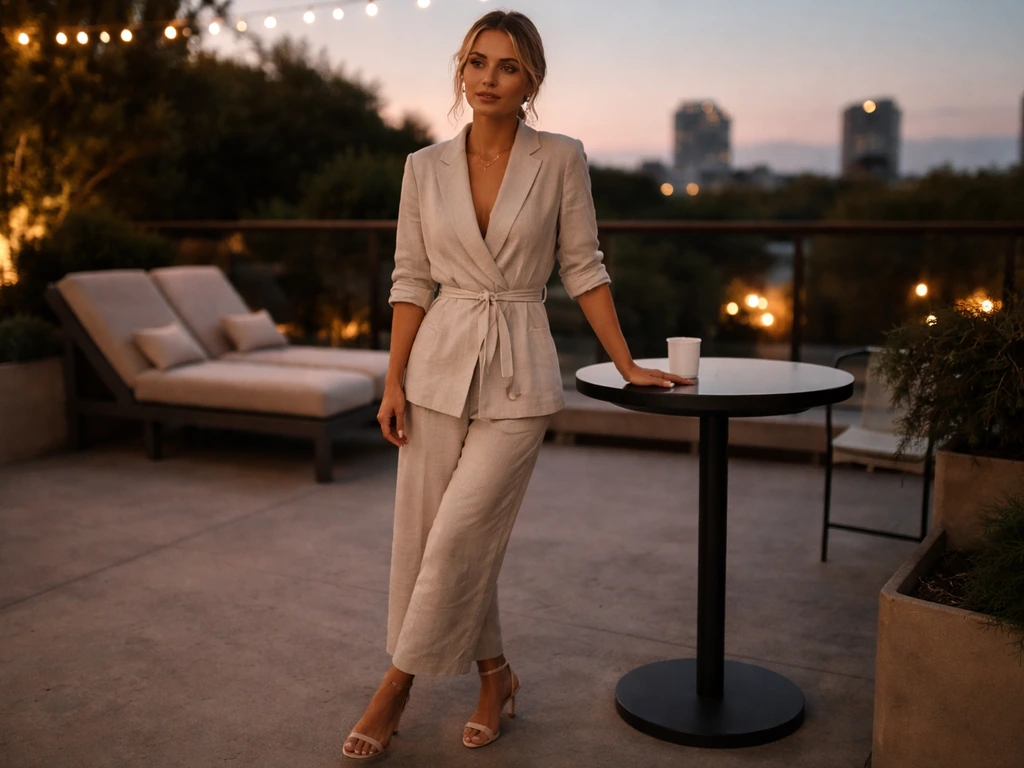
Hotel and resort patios typically have the strictest outdoor dress codes because they're blending dining, drinks, and atmosphere into a single brand experience. These venues almost universally ban swimwear, bare feet, flip-flops or thong sandals, sleeveless shirts (for men especially), and anything that reads as gym wear or beach attire. Smart casual is the stated norm at properties like Michel's at Colony Surf and Hotel Roca Nivaria GH, among many others. For evening hours, some hotel patios drift toward business casual or resort smart, so a sundress, linen trousers, or a collared shirt fits well.
Outdoor events (weddings, parties, celebrations)
If the event is held on a patio (garden party, outdoor reception, patio wedding dinner), follow the invitation's stated dress code first. If no code is listed, match the formality of the event type: wedding patio receptions lean cocktail attire, backyard celebrations lean smart casual, afternoon barbecues lean relaxed casual. The patio setting doesn't automatically lower the formality bar for a wedding just because it's outside.
Seasonal and weather factors that change what you wear
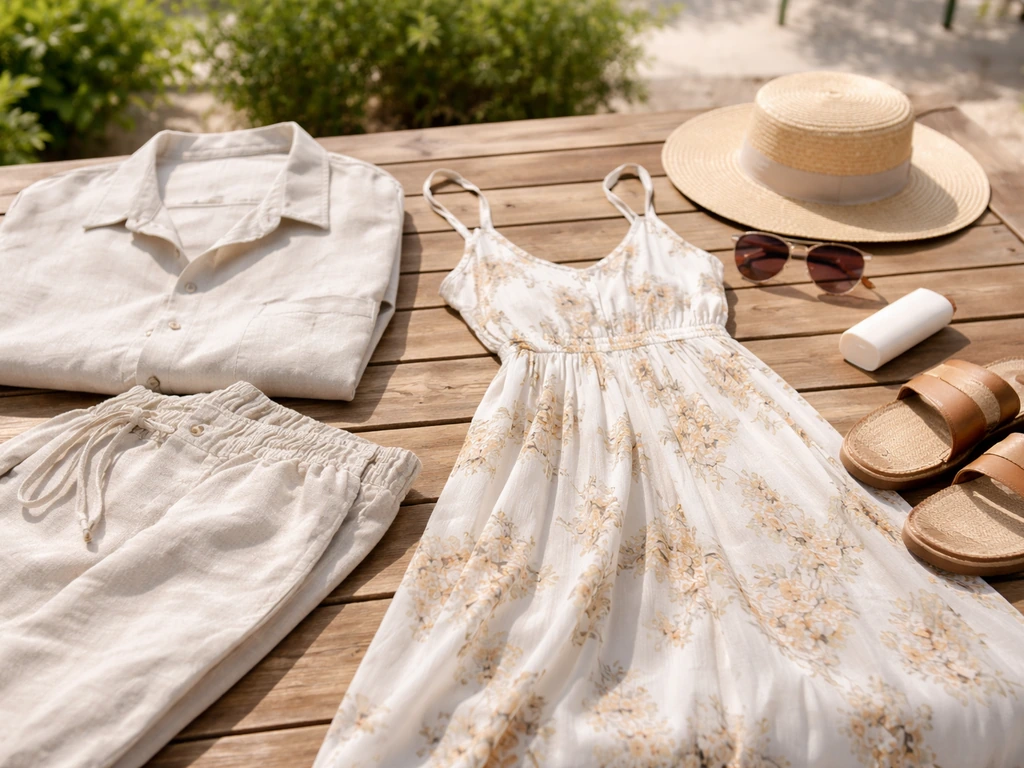
An open-sky patio means you're dressing for the outdoors, not a conditioned room. That's a real practical consideration, not just style advice.
Hot and sunny days
Breathable fabrics are your priority. Linen is the gold standard for hot-weather patio dressing: it's breathable, quick-drying, and looks appropriately put-together for smart casual settings. Lightweight cotton, chambray, and moisture-wicking blends also work. Sun protection matters on open patios. Harvard Health and university-based UV research both note that covering skin with clothing and wearing a hat reduces UV risk meaningfully. A wide-brim hat, sunglasses, and light long sleeves in UPF-rated fabric can replace heavy sunscreen reapplication if you're sitting outside for hours. Avoid dark colors in direct sun in high heat; they absorb more heat.
Rain and wet conditions
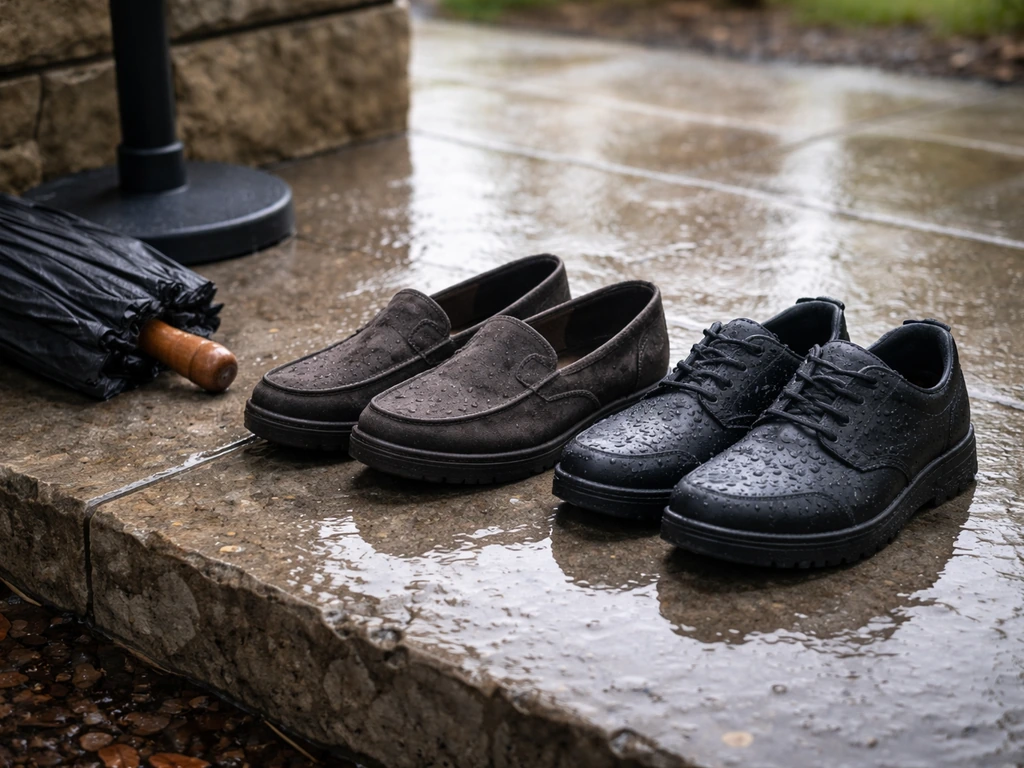
If there's any chance of rain, your footwear choice matters more than most people realize. Wet patio surfaces (stone, tile, wood decking) are slip hazards, and smooth-soled shoes, heels on wet tile, and flip-flops all increase fall risk significantly. Slip-resistant soles or low block heels with good grip are the safer call when rain is in the forecast. On the clothing side, a light packable rain layer over a smart casual base lets you stay dry without overdressing. A linen blazer or light jacket covers you for both chilly evenings and sudden showers.
Cool evenings and shoulder seasons
Patio season can extend well into fall in many regions, but evening temperatures drop fast once the sun goes down. Layering is essential: a fitted knit, a structured blazer, or a light wrap over your core outfit keeps you comfortable without bulking up. If you know patio season is winding down where you are, plan for an outer layer as part of your outfit rather than an afterthought you leave in the car.
Bugs and insects
In humid climates or near water, mosquitoes and other insects are a real consideration for evening patio dining. Long sleeves and pants in light fabrics (linen trousers, a long-sleeve linen shirt) offer passive protection while still fitting smart casual expectations. Avoid heavy floral perfumes or cologne, which attract more insects.
Patio dress code do's and don'ts
| Do | Don't |
|---|---|
| Wear clean, pressed or neatly fitted clothes | Show up in gym shorts, sweatpants, or workout tights |
| Choose breathable fabrics (linen, cotton, chambray) for warm days | Wear heavy denim or synthetic athletic wear in the heat |
| Wear proper sandals or closed-toe shoes for restaurant/hotel patios | Wear flip-flops, rubber slides, or thong sandals at any upscale venue |
| Bring a light layer for evening temperature drops or wind | Leave footwear up to chance on wet or slippery patio surfaces |
| Match the formality level of the venue or event, not just the outdoor setting | Wear swimwear, cover-ups, or beach attire to a dining patio |
| Wear a hat or sunglasses on sunny open patios | Wear a baseball cap to a fine-dining or upscale hotel patio |
| Opt for smart casual as your default when in doubt | Assume outdoor automatically means anything goes |
What to do when there's no stated dress code
No dress code listed is actually the most common situation, and it doesn't mean "wear whatever." It means you need to read the context clues. Look at the venue's overall price point and atmosphere: a rooftop cocktail bar with dim lighting and a curated menu is smart casual even if it doesn't say so. A neighborhood lunch spot with plastic chairs and a daily specials board is genuinely casual. When you genuinely can't tell, smart casual is almost always the right default call. It rarely offends, and you won't be turned away.
If you're attending a patio event at someone's home and the invitation doesn't specify, it's completely fine to text the host a quick question: "Is it dressy or pretty relaxed? If you're going to something like a casual neighborhood get-together, the vibe can be summed up by welcome to the patio where the neighbors. If the host or venue shares a specific “what happens on the patio stays on the patio” vibe, dress a bit more comfortably and keep it polished for the setting. " Most hosts appreciate the thoughtfulness, and you'll get an actual answer. For restaurant patios, a one-minute phone call or a look at the venue's website or recent social media photos will show you how other guests are dressed. That's the fastest way to calibrate.
Mixed signals are also common: a venue that says "casual" but has white tablecloths, or a host who says "come as you are" but is clearly planning an elegant dinner. When signals contradict, default to the higher bar. You can always remove a blazer or roll up your sleeves to dress down, but you can't fix underdressing once you arrive.
Ready-to-wear outfit templates by vibe
These are practical starting points you can adapt for today's weather and your own wardrobe. Each template is built around smart casual as the floor, with adjustments for formality and season.
Casual hang (backyard, friends, daytime)
- Women: Sundress or casual shorts with a fitted top, flat sandals or clean sneakers, sunglasses and a light cardigan if needed
- Men: Chino shorts or casual pants, a clean graphic tee or linen short-sleeve shirt, canvas sneakers or leather sandals (not flip-flops for nicer gatherings)
- Both: Sun hat, sunscreen, light cross-body bag or tote
Elevated casual (restaurant patio, weekend brunch, smart casual event)
- Women: Midi dress or tailored linen trousers with a blouse, block-heel sandals or clean loafers, minimal jewelry
- Men: Chinos or pressed trousers, collared shirt or polo (tucked in), leather loafers or clean dress sneakers, no athletic footwear
- Both: Light blazer or structured jacket as a layer
Date night (upscale restaurant patio, hotel terrace, evening drinks)
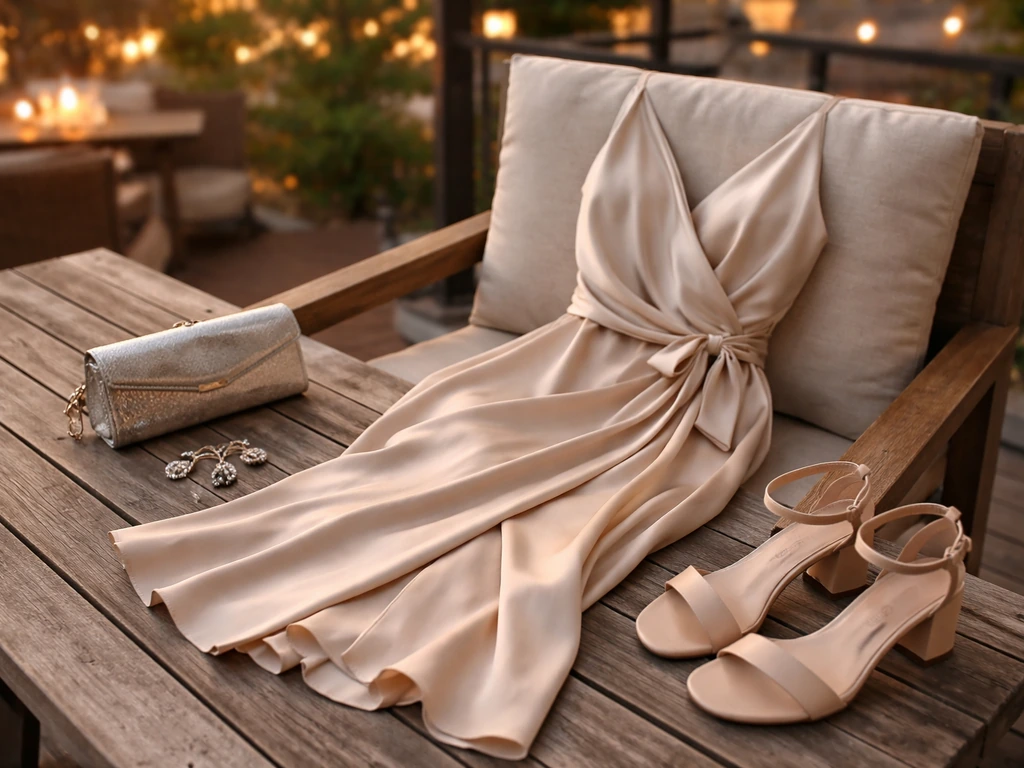
- Women: Wrap dress or tailored jumpsuit, strappy heeled sandals with grip soles (block heel for patio surfaces), statement earrings, small clutch
- Men: Tailored trousers or dark chinos, button-down shirt (tucked), leather shoes or polished loafers, optional blazer
- Both: Bring a wrap or light jacket for evening temperature drops
Family gathering (mixed ages, afternoon to evening)
- Adults: Casual separates that are easy to move in, comfortable flat shoes with good grip in case of wet surfaces, layers for kids to grab onto or for wind
- Practical extras: Bring a light sweatshirt or zip-up for kids and adults for when the sun goes down
- Avoid: White or dry-clean-only fabrics when kids or food are involved
Patio dinner (mid-to-upscale restaurant or resort)
- Women: Knee-length dress or smart blouse with wide-leg trousers, low block-heel sandals or pointed flats
- Men: Linen or cotton dress trousers, collared shirt or linen button-down, leather dress sandals or loafers (no athletic sneakers, no flip-flops)
- Both: A light layer you can tie around your waist or drape over your chair if the evening cools
If you're still deciding between what to wear to a specific type of patio bar versus a more general outdoor event, the core principle holds across all of them: read the setting, default to smart casual when unsure, prioritize breathable fabrics and safe footwear for the weather, and always bring one layer more than you think you'll need. If you need a quick starting point, think smart casual with breathable fabrics and closed-toe shoes unless the host says otherwise what to wear to a patio bar.
FAQ
Can I wear white sneakers to an el patio dress code situation?
Usually yes if the sneakers look clean and minimal, but avoid running shoes with a worn, athletic look. For upscale hotel or resort patios, swap to leather or suede sneakers, loafers, or other closed-toe shoes that read more “street polished” than “gym.”
Is it okay to bring flip-flops if I plan to wear proper shoes once inside?
If the venue bans flip-flops for the patio, assume they apply to the whole time you are there, including entry and waiting areas. Bringing a backup pair can help, but only if you are prepared to immediately change, and you should not count on an exception from staff.
What should I wear if it says “smart casual” but the patio is directly on a beach or pool deck?
Treat it like a restaurant patio plus a higher “brand standards” setting. Cover swimwear, choose a lightweight shirt or dress that does not read as pool attire, and keep footwear in the closed-toe or dress-sandal family. Even if swimwear is technically “under a cover-up,” many hotel policies still treat it as beach attire.
Are sleeveless tops allowed under an el patio dress code when it is hot?
For restaurants and many hotel patios, sleeveless tops are commonly a gray area, especially for men. If you want to be safe, use a collared or short-sleeve option, or a light layer like a linen overshirt you can remove once seated.
What do I do if the guest list includes both casual and formal dressers?
When the group is mixed, the safest approach is to dress slightly above smart casual rather than trying to match the most casual guests. Choose breathable, tailored pieces, and avoid anything that would clearly violate the patio rules (gym shorts, swimwear, torn denim, bare feet, or flip-flops).
How should I handle underdressing if I realize only after I arrive?
Don’t overreact with improvised choices. Instead, adjust what you can quickly: add your blazer or light jacket, change into closed-toe shoes if you brought backups, and focus on looking intentional (clean lines, no visible beach or gym cues).
What’s the best last-minute “layer” to match smart casual on an open patio?
A linen blazer, a lightweight structured jacket, or a packable cardigan works well because it looks dressed-up while still being comfortable outdoors. Choose a layer you can keep on for bugs and evening chill, but that does not wrinkle heavily when carried.
Can I wear ripped jeans on an el patio dress code?
Avoid heavy rips and distressed denim, even in relaxed settings. Small, subtle wear can pass for casual backyard patios, but if it is a restaurant or hotel patio, stick to clean denim or tailored trousers so you do not read as “underdressed casual.”
What’s a safe choice for wet weather patio dining?
Prioritize shoes with grip and a low heel, or slip-resistant soles. If rain is possible, bring a packable rain layer in a smart-casual style (like a lightweight jacket) rather than relying on a flimsy umbrella that can get you wet and messier than your outfit.
Do insect-repellent and perfume choices affect how I should dress?
They can. If you use fragrance or strong cologne, pick lighter amounts, since odors can attract insects. For outfit decisions, favor long sleeves or light trousers in breathable fabrics, since they protect without breaking smart casual expectations.
Next Article
What Happens on the Patio Stays on the Patio: What It Means
Understand the patio privacy idiom and how to manage noise, mess, odors, and neighbor disputes safely as a host or rente