For most patio bars, smart casual is your safest default: think clean jeans or chinos, a neat top, and comfortable shoes with real grip. If it's daytime and relaxed, you can dress down a notch. If it's an upscale spot on a summer evening, dress up slightly with a midi dress, linen trousers, or a blazer over a nice shirt. The main thing to get right is comfort for the outdoors: you'll be sitting on furniture that contacts your clothes, dealing with sun or wind, and walking on surfaces that aren't always perfectly flat.
What to Wear to a Patio Bar: Outfit Guide by Season

Ada Hollis
7 Jun 2026
What makes a patio bar different from other outdoor spots
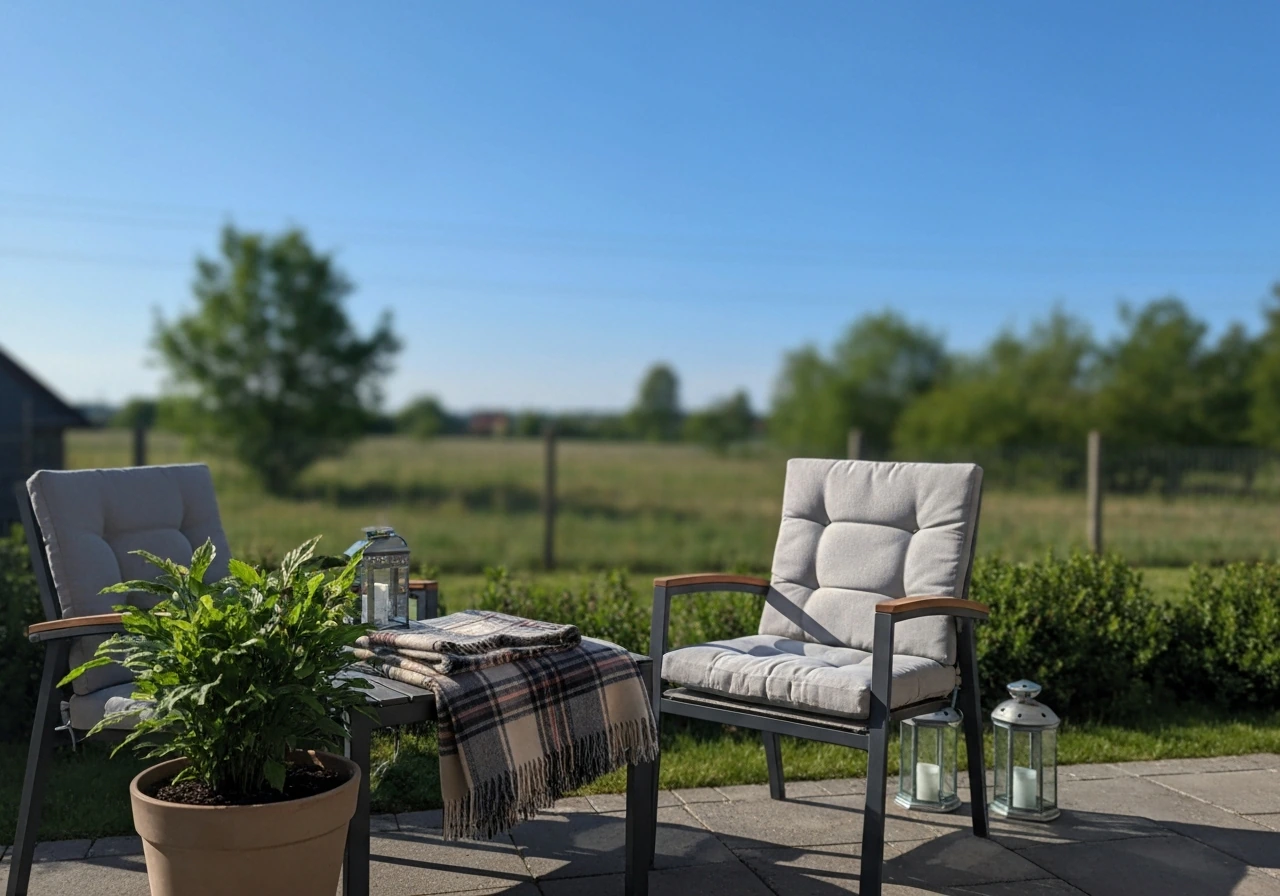
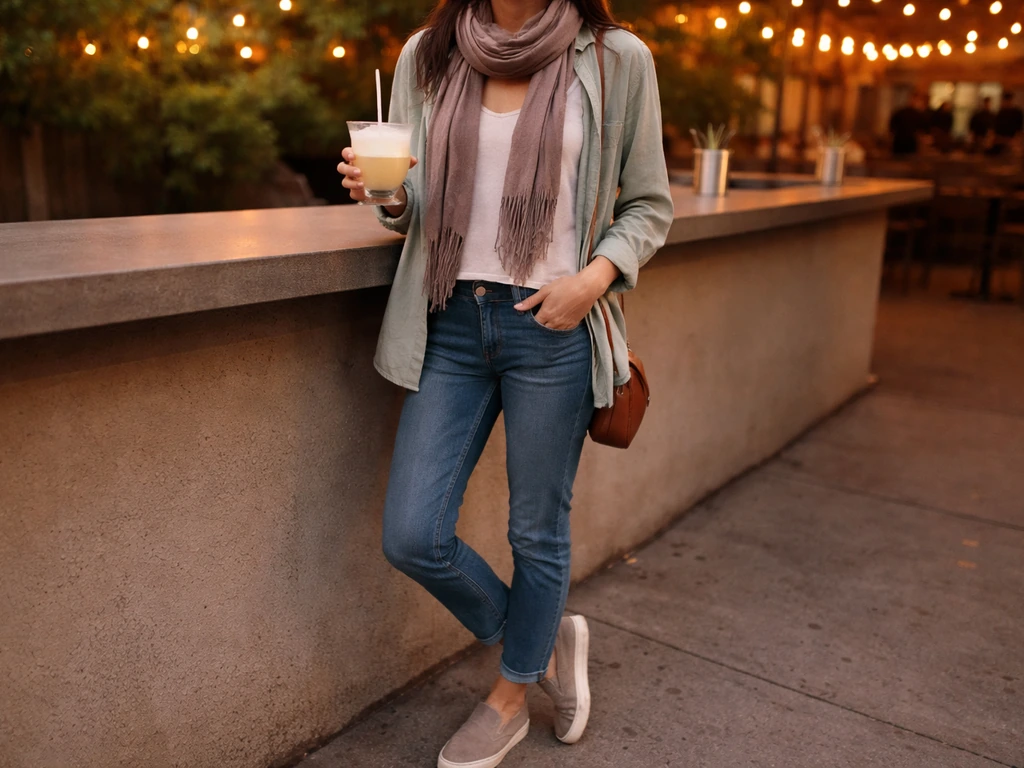
This matters for what you wear, so it's worth a quick note. A patio is typically a paved, ground-level outdoor surface without overhead covering, which puts you more directly in contact with sun, wind, and rain than a porch (which usually has a roof or covering) or a veranda (which is open-air but roofed). blank" rel="noopener noreferrer">A courtyard, by contrast, is enclosed on multiple sides and can trap heat or insects. At a patio bar specifically, you're at ground level on pavers, concrete, or stone, often with gaps or slight unevenness, and you're fully exposed to whatever the weather is doing. That changes your footwear calculus, your fabric choices, and how much of a layer you want nearby.
Reading the patio bar vibe before you get dressed
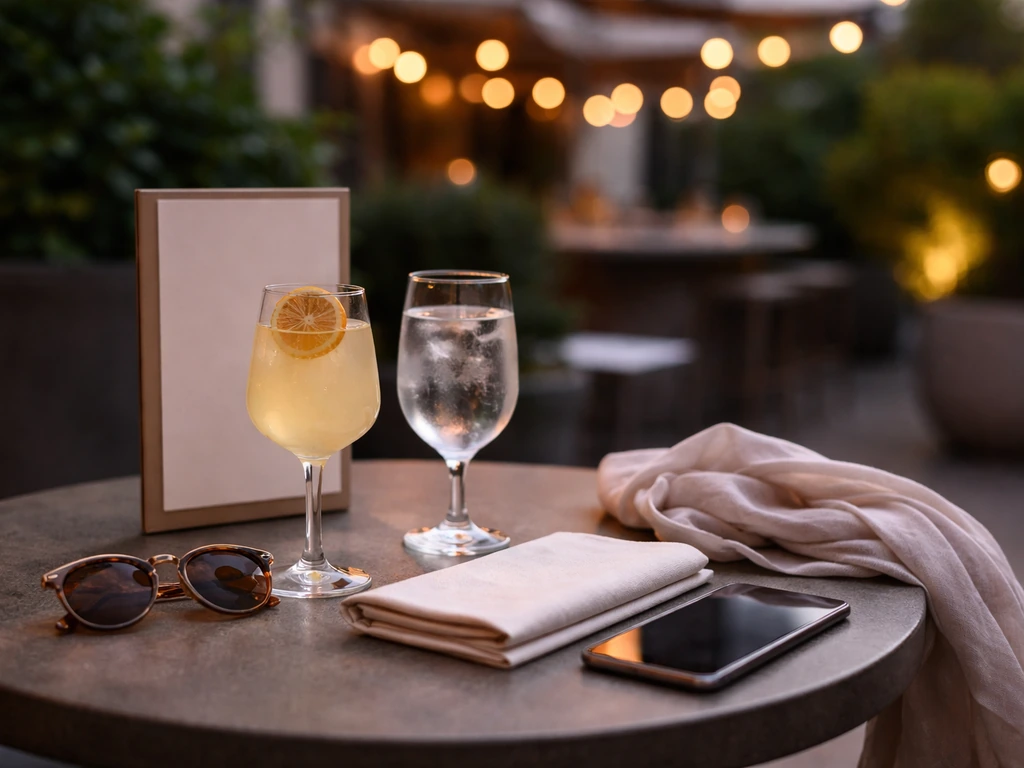
Before you pick an outfit, do a quick check on three things: the formality of the spot, the time of day, and the weather. If you are wondering how strict the rules are, look for anything posted about el patio dress code and plan your outfit accordingly. A neighborhood bar with string lights and picnic tables is not the same as a rooftop-adjacent patio bar at a hotel, even if both technically happen outdoors. Dress codes, when posted, will tell you directly. When no dress code is listed, smart casual is the right read for evening, and relaxed casual works for daytime or brunch situations.
Time of day matters a lot. Midday patio bars are about sun protection and staying cool, so lighter fabrics and breathable fits take priority over dressiness. As the evening sets in, the vibe shifts and so does what looks appropriate. A cover-up and sandals that work perfectly at 1 p.m. can look underdressed by 8 p.m. at the same venue. Weather is equally important: a hot humid afternoon calls for completely different choices than a cool evening where temperatures drop after sunset.
Outfit guidance by dress code
Most patio bars fall into one of four dress-code zones. Here's how to read each one and what it actually means to wear.
| Dress Code | What It Means at a Patio Bar | Avoid |
|---|---|---|
| Casual | Shorts, sundresses, T-shirts, sneakers, sandals — genuinely relaxed | Anything that needs dry cleaning or can't handle a spilled drink |
| Smart Casual | Neat jeans or chinos, polished top or blouse, clean shoes with some style — elevated but not stiff | Athletic wear, flip-flops, graphic tees with slogans |
| Cocktail-Lite | Midi or wrap dress, linen trousers with a silky top, loafers or block heels — more polished for early evening | Overly revealing cuts, beachwear, anything too casual or too formal |
| Summer Dressy | Maxi dress, tailored linen co-ord, dressy sandal or mule, polished jewelry — elevated without being black-tie | Stilettos that sink into pavers, heavy fabrics, structured formal wear |
If the invite or venue page doesn't say anything about dress code, treat the evening as smart casual. That middle ground works almost universally at outdoor bars, and it's far easier to dress down a smart-casual look by removing a blazer or swapping shoes than to dress up something that's too casual once you're already there.
Outfit formulas that actually work
For men and masculine-presenting looks
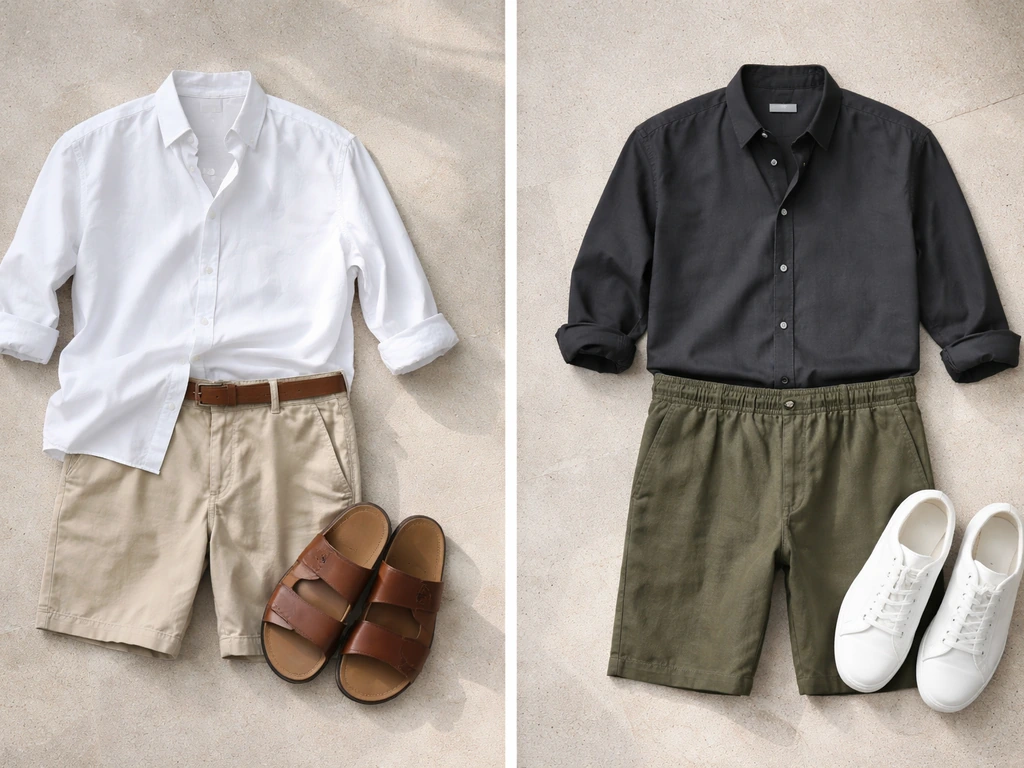
- Daytime casual: chino shorts or relaxed linen trousers, a clean cotton or linen shirt (tucked or half-tucked), leather sandals or clean canvas sneakers
- Smart casual evening: slim or straight chinos, a linen or chambray button-down, loafers or leather sneakers, optional light blazer for when it cools down
- Cocktail-lite: well-fitted trousers (linen, cotton twill, or light wool blend), an open-collar shirt in a solid or subtle print, leather loafers or suede derbies
- Easy upgrade swap: swap sneakers for loafers, add a blazer over a casual shirt — you go from casual to smart casual instantly
For women and feminine-presenting looks
- Daytime casual: sundress or linen shorts with a breezy top, flat sandals with a secure strap, a light cardigan or denim jacket nearby
- Smart casual evening: wrap dress or wide-leg linen trousers with a fitted top, block heel sandal or mule, simple jewelry
- Cocktail-lite: midi dress (wrap, slip, or A-line), strappy heeled sandal or kitten heel with a wide base, a small clutch or crossbody
- Easy upgrade swap: add a thin belt to a simple dress and swap flat sandals for a low block heel — instantly more polished without more effort
For nonbinary and gender-fluid styling
- Relaxed: wide-leg linen trousers or a flowy midi skirt, oversized linen shirt tucked loosely, clean sneakers or flat mules
- Smart casual: co-ord set in a solid or light print, loafers or clean leather sneakers, a light overshirt as a layer
- Dressier: tailored wide-leg trousers with a structured but soft top or bodysuit, low block heels or chunky-soled loafers, minimal statement jewelry
Footwear: the detail that makes or breaks patio dressing
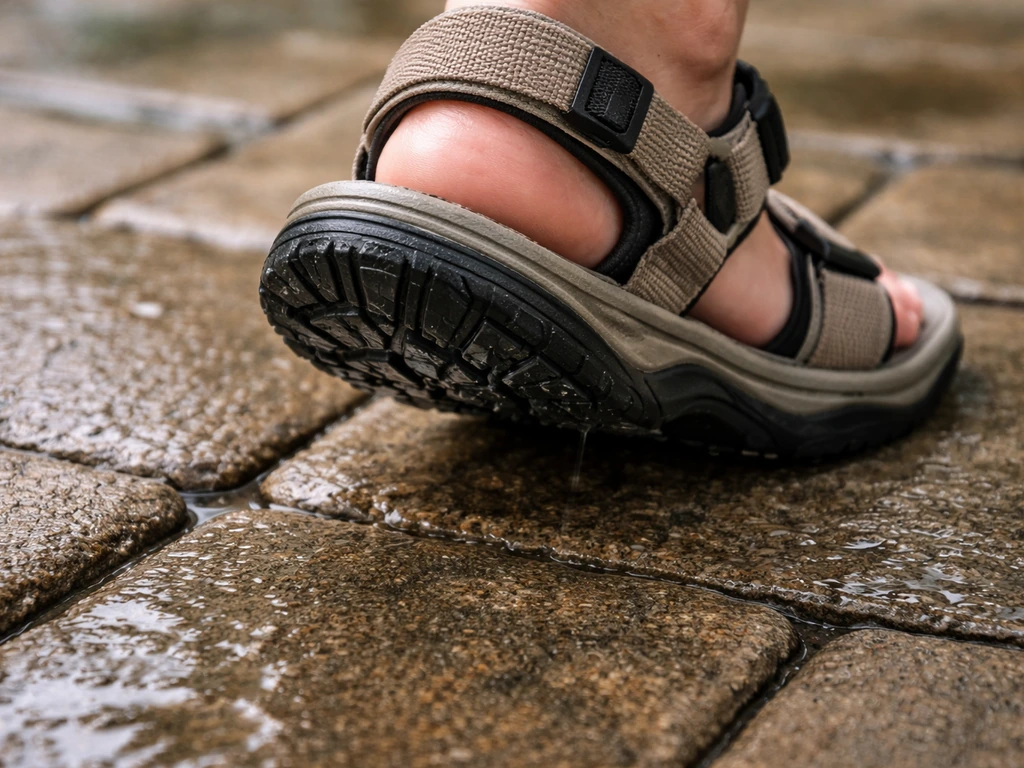
Patio surfaces are almost never perfectly smooth. Even well-maintained bar patios have grout lines between pavers, slight slopes for drainage, damp spots from spilled drinks, and occasional gaps. Narrow stiletto heels are genuinely risky here: they catch in gaps, sink into any soft filler, and offer almost no stability when the floor is slightly wet. Spiky heels are best left for interiors.
For real patio grip, your outsole matters as much as the style. Rubber soles with multi-directional tread or grooves push moisture away from the contact point and reduce slip risk. Flat sandals with a wide base and a secure ankle or toe strap are much safer than flip-flops, which can slide unpredictably on wet pavers. Block heels (5 cm or lower) give you height without the instability of a stiletto. If you're set on a heeled sandal for an evening out, go with a chunky or block heel and make sure the upper holds your foot securely.
What works well on outdoor patio floors: leather or suede loafers, low block-heel sandals with straps, clean leather sneakers, espadrille wedges (on dry evenings), and treaded flat sandals. What to avoid: thin stilettos, open-back slides with slippery footbeds, flip-flops at dressier spots, and shoes with smooth leather soles that offer no traction on damp stone.
Dressing for the season and your location
Hot weather and humidity
Linen is your best friend in summer heat. Unlike cotton, which can become heavy and clammy against skin in high humidity, linen fibers tend to hold their shape and hang away from the body, keeping air circulating. Loose-fitting linen trousers, a linen shirt, or a linen-blend dress will feel noticeably cooler than a fitted cotton outfit in the same temperature. Light colors also help, though darker colors offer more UV protection from a sun-safety standpoint, so it's a trade-off worth thinking about if you're sitting in direct afternoon sun.
Cool evenings and temperature drops
Evening patio temperatures can drop significantly once the sun goes down, especially in drier climates or near the coast. Bring a layer every single time, even if it feels warm when you leave. In winter, that same idea means planning for cold snaps and adding layers you can remove if the patio warms up how to use patio in winter. A light blazer, a fitted denim jacket, or a thin knit cardigan does the job without adding bulk. Shawls and wraps work well with dressier outfits. If you're somewhere where evenings get genuinely cold, a packable lightweight jacket is worth the bag space.
Rain and damp conditions
If there's any chance of light rain, a water-resistant packable jacket earns its place in your bag. Look for jackets with a DWR (durable water repellent) finish, which causes water to bead up and roll off rather than soaking in. Weatherproof Garment also notes that DWR and similar water-resistant finishes help handle mist, and that a rain shell is different from a packable puffer DWR (durable water repellent) finish. These are different from insulated puffer jackets, which don't function as rain shells. For shoes, avoid suede (which stains badly in rain) and smooth leather soles. Treaded sandals with drainage channels handle damp pavers much better than a smooth-soled dress shoe.
Coastal and buggy environments
Coastal patios bring wind on top of humidity, which can mean your hair, a loose scarf, or a wide brimmed hat becomes a project to manage. Fitted tops and secured accessories do better in wind than anything billowy or loose around your face. For bug-prone evenings (especially around dusk), covering more skin genuinely helps. Loose-fitting long sleeves and lightweight long trousers create a barrier against mosquito bites without making you look like you're dressed for a hike. An EPA-registered insect repellent applied to exposed skin is also worth having in your bag.
Accessories, bags, and the practical extras worth packing
Sunglasses are non-negotiable for daytime patio bars. Choose a pair that blocks both UVA and UVB rays, not just any tinted lens. For direct sun, a hat with a brim at least 3 inches wide will shade your face, neck, and ears in a way that sunscreen alone doesn't replicate. If you want to look polished rather than beachy, a structured bucket hat or a sleek panama works better than a baseball cap at most patio bars.
Bags: think small and structured for evenings. A crossbody keeps your hands free and stays secure while you're moving between indoor and outdoor sections of the bar. A small tote works for daytime when you're carrying more, but anything too large tends to get in the way on crowded patio seating. Avoid anything you'd be gutted to spill a drink on.
Other practical things worth having: a small packet of blotting papers or a light powder for heat and humidity, your layer folded over a chair or in your bag, sunscreen (reapply if you're out for more than two hours), and a lip balm with SPF. None of these are exciting, but you'll notice when you don't have them.
Color, fabric, and movement: looking good in the actual setting
Outdoor lighting at patio bars is often warm and low, with string lights or lanterns, which means almost any color looks good in the evening. For daytime, bright colors and white photograph well in natural light. Darker or more saturated colors give you better UV protection if you're spending time in direct sun. Prints work well in outdoor settings because they hide minor wrinkles and don't show heat-related creasing the way solid structured fabrics do.
Think about how you'll actually be using the outfit: you'll be sitting down on outdoor chairs (which means fabric that wrinkles badly will show it), standing and moving between areas, possibly leaning against a railing or counter, and holding drinks. Stretchy or relaxed-fit fabrics handle this better than anything stiff or very structured. Midi lengths look great seated and standing. Very short hemlines can feel awkward on outdoor furniture. Anything too flowing or billowy will catch wind and can become annoying quickly.
Fabrics to lean toward: linen, linen-blend, lightweight cotton twill, jersey, and rayon blends. Fabrics to be careful with: heavy cotton that gets damp and clings, silk that stains from a dropped drink, and stiff structured suiting that bunches when you sit. The goal is an outfit that still looks like you put thought into it after two hours of real outdoor use, not just in the mirror at home.
One more thing worth noting: what you wear to a patio bar overlaps naturally with what works at other outdoor social settings. A friendly “welcome to the patio where the neighbors” vibe is part of what makes outdoor bars feel so approachable, so dress to match that energy. What happens on the patio stays on the patio, so keep your outfit choices in line with the relaxed, practical vibe of the setting. If you've looked into what patio season typically calls for in your region, those same principles apply directly here. The patio bar is just a more social, evening-leaning version of the same outdoor space.
FAQ
What should I prioritize if I want a “safe” outfit that still looks good after sitting outside for an hour?
If you’re between sizes or unsure of fit, choose pieces you can sit in comfortably (stretch in denim or a relaxed waistband) and avoid anything that requires constant adjusting. Outdoor sitting increases wrinkling and stress on seams, so a slightly roomier top or a mid-rise waist usually looks better after an hour than a tight cut.
Can I wear my usual heels to a patio bar, or are they always a bad idea?
For a patio bar, an “indoor” heel is risky, not just because it’s uncomfortable but because of traction on damp pavers. If you really want a heel, pick a block height you can walk in easily (about knee-stable, not skinny) and do a quick at-home test on smooth floors to see if it wobbles.
How do I dress for midday sun without looking overdressed or overheated?
If you will be near direct sun during midday, prioritize breathable coverage over bare skin gaps. A light-colored shirt or overshirt plus UV-blocking sunglasses and sunscreen reapplication every couple of hours is usually more effective than relying on shade alone.
Is it okay to wear a blazer at a patio bar, especially in warmer weather?
Yes, but keep it patio-smart: choose a blazer that’s unstructured or breathable (cotton, linen-blend, or a thin knit), and wear it with flexible shoes. Avoid thick, stiff tailoring, because once you sit, it bunches and can look rumpled quickly.
What’s the best way to handle unexpected rain at a patio bar?
When the weather turns, layers matter more than fabric alone. Use a packable rain layer in your bag and swap to shoes with traction, because damp stone can make even “comfortable” sneakers slide if the sole is smooth.
What should I wear for mosquito-prone patios around dusk?
If you’re worried about insects, aim for barrier coverage rather than only repellent. Light, long sleeves and long trousers in breathable fabrics work well, and closed-toe options with straps usually feel better than open shoes when bugs are active.
If the forecast says “cooler later,” what layer should I bring so I don’t end up uncomfortable after sunset?
For evenings that feel chilly, plan for temperature drop by bringing a layer that doesn’t create bulk at the elbows and waist. A thin cardigan or lightweight jacket you can leave on the chair nearby keeps you comfortable without changing your whole outfit.
Are crossbody bags always better than totes for patio bars?
A tote can work, but only if it’s small enough to keep under control on crowded seating. Crossbody is usually safer for drink-handling and movement between indoor and outdoor areas, and it helps prevent accidental spills from bag swings.
If the venue doesn’t list a dress code, how should I decide what “smart casual” means in practice?
If there’s no posted dress code, treat it as smart casual, but avoid the two extremes: very workout-looking pieces and very formal eveningwear. A clean, well-fitted shirt or a relaxed button-down with chinos or a midi dress is the easiest middle ground that reads intentional.
Are wedges or espadrilles okay for a patio bar?
Yes, but match the shoe to the weather, not just the outfit. On dry evenings, espadrille wedges can be fine, but on damp stone switch to rubber-sole sneakers or treaded sandals because slips are more likely on uneven pavers.
What kind of hat works best outdoors if there’s wind?
If you’re bringing a hat, make sure it stays put while you sit and move. A strap or a structured brim helps, and avoid anything overly floppy because wind outdoors can turn a stylish accessory into a constant adjustment.
Next Article
What Is Patio Season and When Does It Start End
Learn what patio season means and when it starts and ends, with climate-based tips to gauge your yard’s best dates.