Patio season is the stretch of the year when your patio is reliably comfortable and practical for outdoor dining, relaxing, or entertaining. If you are looking for that familiar, friendly vibe, welcome to the patio where the neighbors enjoy sharing a meal outdoors. In most of the continental U.S., that window runs roughly from late April or early May through late September or October, but the exact dates shift depending on where you live, what the weather is doing this particular year, and how much cold, wind, or heat you are personally willing to tolerate.
What Is Patio Season and When Does It Start End

Ada Hollis
4 Jun 2026
What patio season actually means
The term does not appear on any official calendar. It is a practical shorthand people use to describe the period when stepping outside onto a hard-surface outdoor space (a concrete slab, stone terrace, or paved area attached to or near the home) feels genuinely pleasant rather than a chore. The working definition most people use is: overnight lows are consistently above freezing, daytime highs are warm enough to sit outside in ordinary clothing, rainfall is manageable, and daylight hours are long enough to actually use the space in the evening.
It is worth separating the concept from a simple "warm weather" definition. True patio season is about comfort and usability, not just thermometer readings. High humidity can make a 90°F afternoon feel oppressive. Wind speeds above roughly 13 mph (6 m/s) move from breezy into genuinely uncomfortable territory for sitting still outdoors. A rainy June in the Pacific Northwest can push real patio use weeks later than the calendar might suggest, even if temperatures are technically fine.
When patio season starts by region
The single most reliable indicator for the start of patio season is your area's average last spring frost date. In much of the Northeast, last frost “usually” ranges from late March to mid-May, with most areas seeing last frost sometime in April. Once overnight temperatures stop flirting with 32°F, the conditions that make a patio miserable (frozen furniture, icy surfaces, plants killed overnight) disappear, and daytime comfort becomes much more predictable. Here is how that plays out across different U.S. climates.
| Region | Typical last frost | Patio season start | Peak window |
|---|---|---|---|
| Deep South (SC, GA, FL) | Late February to mid-March | March or earlier | March through May, then again in October |
| Mid-Atlantic / Southeast (NC, VA) | Mid-March to mid-April | Early to mid-April | April through October |
| Midwest (Chicago, IL) | Around April 21 (Chicago O'Hare average) | Late April to early May | May through September |
| Upper Midwest (Minneapolis, MN) | Mid-May | Mid-May | Mid-June through August (peak) |
| Northeast (NY, Boston, CT) | Late March to mid-May depending on locale | Late April to mid-May | May through September |
| Pacific Northwest (Portland, Seattle) | Mid-March to mid-April | April, but watch rainfall | June through September |
| Southwest (Phoenix, Las Vegas) | February or earlier | February to March, and again in October | Avoid July/August peak heat |
| Mountain West (Denver, Salt Lake City) | Late April to mid-May | Early to mid-May | May through September |
These are averages, not guarantees. The Old Farmer's Almanac and NOAA both emphasize that historical frost averages need to be checked against actual forecasts each year, because late cold snaps can push the real start of comfortable patio use by two or even three weeks. For South Carolina specifically, the first frost in fall typically arrives in late October in the Upstate region and later in the coastal lowlands, giving that state a noticeably longer season than Chicago or Minneapolis.
When patio season ends, and what cuts it short
The end of patio season is usually marked by the first autumn frost, shortening daylight hours, and the psychological shift that happens when you need a winter coat to sit outside. But several things can pull that end date earlier than the calendar suggests.
- First frost arrival: NWS autumn freeze data shows that even a 25th-percentile early frost (meaning it arrives earlier than normal in one out of four years) can catch you off guard. In a place like Garden City, Kansas, the difference between an early and a late first freeze spans from late September to mid-October.
- Hurricane season overlap: If you live along the Gulf Coast or Atlantic seaboard, the Atlantic hurricane season runs June 1 through November 30. Active storm periods can shut down outdoor use for days at a time, and even tropical depressions bring extended rain and wind that make patios impractical.
- Wildfire smoke: In the western U.S., smoke from wildfires has become a significant and growing factor. A technically comfortable 75°F afternoon in California or Oregon in August or September can be completely unusable when air quality drops into the unhealthy range. The 2026 wildfire outlook pointed to elevated fire potential driven by drought conditions, which extends the smoke window earlier into spring.
- Heat index in humid climates: OSHA data makes clear that high humidity can make otherwise tolerable air temperatures feel dangerous. In Houston or New Orleans, mid-summer patio use often dips sharply in July and August not because of cold but because the heat index pushes afternoons well above 100°F.
- Shortening daylight: Once you are past the fall equinox (around September 22), usable evening hours on the patio shrink fast. Many people find their patio use drops off in October not because temperatures are too cold but because it is dark by 7 p.m.
How weather, daylight, and seasonal events shape real usability
Temperature is just one of four factors that determine whether your patio is actually usable on a given day. Thinking about all four together gives you a much more accurate picture than checking the forecast high alone.
Temperature thresholds that matter
Most people find patio dining comfortable when air temperatures sit between about 60°F and 85°F. For example, the right el patio dress code helps you stay comfortable and look put-together during patio season. Below 55°F, sitting still at a table starts to feel cold unless you have a patio heater or a wind block. Above 90°F with high humidity, the heat index can push conditions into genuinely stressful territory. The NWS wind chill index adds another layer: even at 50°F, a steady 20 mph wind can feel like 40°F on exposed skin.
Wind speed and comfort
Wind comfort research maps pedestrian discomfort to wind speeds above roughly 6 meters per second (about 13 mph). At that speed, napkins blow off tables, candles go out, and conversation becomes harder. Above 20 mph, outdoor dining becomes genuinely unpleasant for most people regardless of temperature. If your patio faces a prevailing wind channel (common on exposed decks, rooftop terraces, and corner lots), this can compress your usable season significantly.
Rainfall and the shoulder season
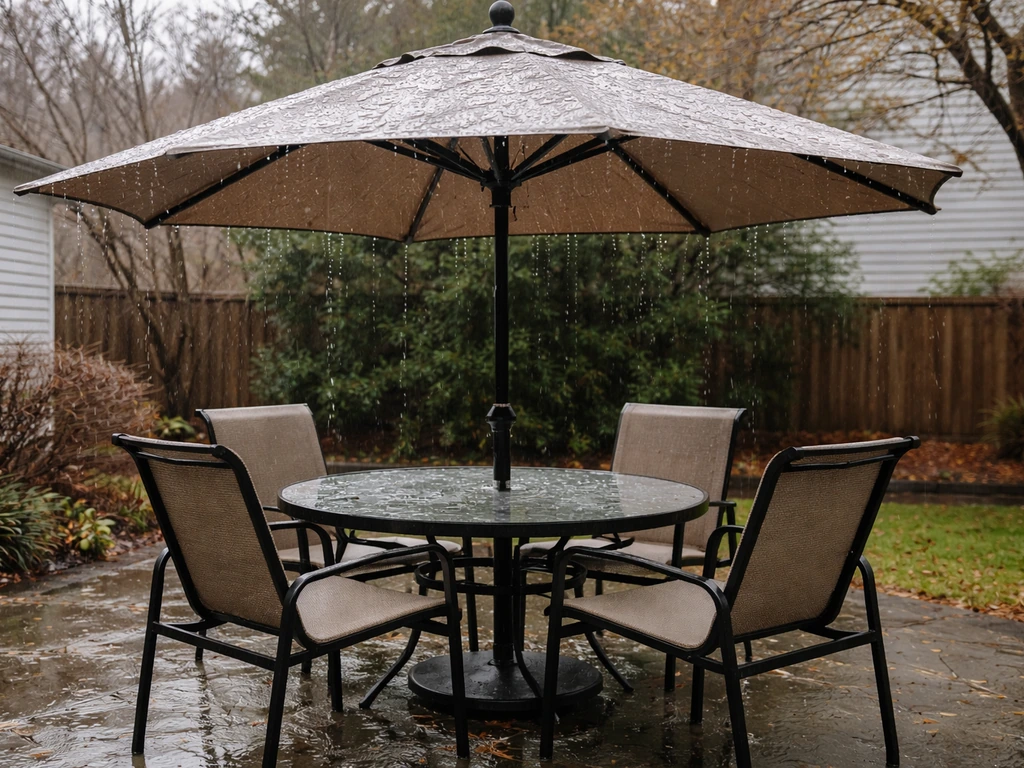
Shoulder season (April to May in spring, September to October in fall) is when patio use is most weather-dependent. A good patio umbrella rated for wind and rain can extend your usable hours considerably during light spring showers. Consumer Reports recommends umbrellas at least 10 feet wide with sturdy poles designed to handle rain and wind, which is worth having if you want to push your season in either direction. Heavy rainfall, though, is a different story: no umbrella fixes a flooded patio or a sustained downpour.
Daylight and evening usability
The summer solstice (around June 21) gives the longest evenings of the year, which is why mid-June through August feels like the peak of patio season in most northern-tier cities like Minneapolis. Patio season in Minneapolis is described as running roughly from mid-May through late September, with peak outdoor-dining use in mid-June through August. String lights and outdoor lighting can extend evening usability by an hour or two, but once daylight savings ends in November and sunset hits before 5 p.m., the psychological pull of being inside takes over for most people regardless of temperature.
How to tell if it's patio season at your specific home right now
Rather than relying on a regional average, run through this quick checklist to decide whether your patio is in season today. It takes less than five minutes and uses information you can get from a basic weather app.
- Check overnight lows for the next 10 days. If any night drops to 32°F or below, you are still in the frost risk window. That does not necessarily rule out daytime use, but it means furniture, cushions, and plants should not be left out overnight.
- Look at the daytime high and humidity together. Use a heat index calculator (available free from NWS) to see what the temperature actually feels like. Anything above 103°F heat index moves into caution territory for extended outdoor sitting.
- Check wind forecasts, not just temperature. If wind speeds are consistently above 15 mph in your area, comfort will be limited even on warm days.
- Look at your frost date history. NOAA's NWS local office pages and tools like Plantmaps show both average last frost dates and percentile ranges. If you are before the 75th-percentile last frost date, there is still a meaningful chance of a late cold snap.
- Consider your patio's microclimate. A south-facing patio against a brick wall retains heat and is sheltered from north wind. A north-facing patio exposed to prevailing winds can feel weeks behind the calendar. Walk out and stand on it for five minutes at the time of day you normally use it.
For most of the U.S., if overnight lows are reliably above 40°F, daytime highs are 60°F or above, and no frost is in the 10-day forecast, you are functionally in patio season whether the calendar says May 1 or October 15.
What to actually do when the season starts or ends
Opening up in spring
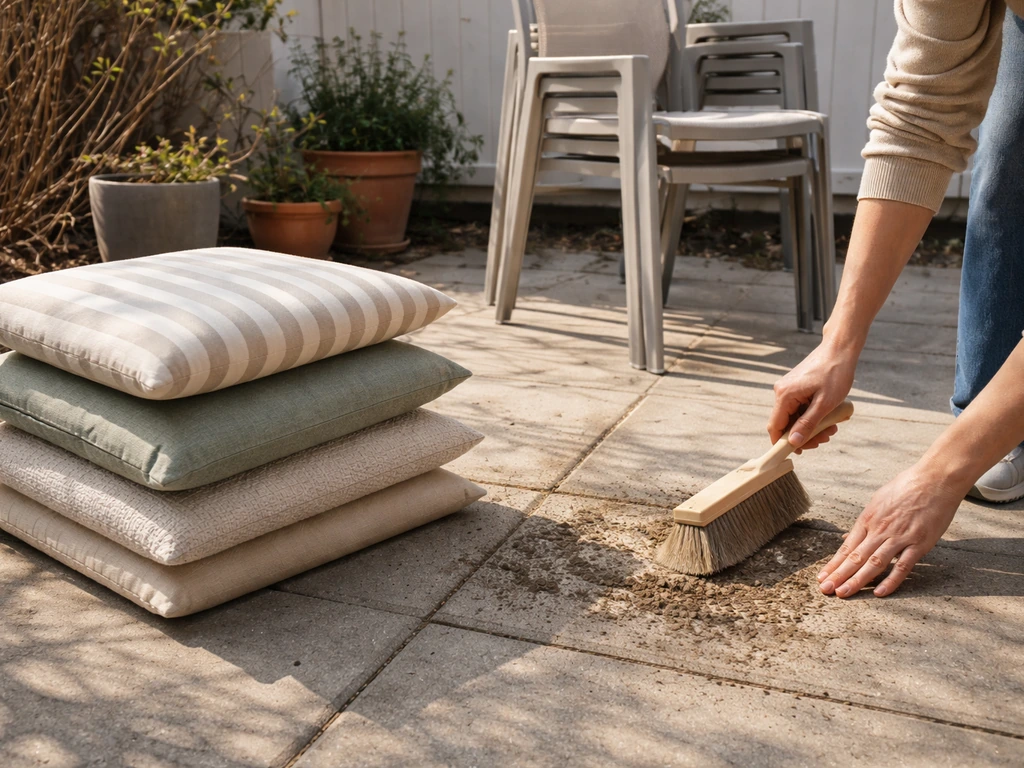
When your checklist clears, the practical steps are straightforward: bring out furniture and cushions, clean the patio surface (winter grime accumulates fast on concrete and pavers), check that any outdoor lighting or fans are working, and inspect the surface for frost heave cracks if you are in a freeze-thaw climate. Do not bring out cushions until overnight lows are reliably above freezing, or you will spend weekends dragging them in and out.
Managing the shoulder season
Spring and fall shoulder seasons are where most people either underuse or overuse their patio. A portable patio heater can make 48°F evenings genuinely comfortable, which matters a lot in September and October when the weather is otherwise pleasant. If you use an electric heater, note that safety guidelines from county fire departments (including Fairfax County's outdoor dining cold-weather rules) explicitly prohibit powering electric heaters via extension cords. Use a proper outdoor-rated outlet. Gas heaters sidestep the cord issue but need to be stored or covered when not in use.
Closing down in fall
The end of patio season is less dramatic than people make it. Once you have had two or three frosts and daylight is gone by 6 p.m., the practical steps are: clean and store cushions in a dry indoor space, cover or store furniture (or use weatherproof covers rated for your winter conditions), drain and disconnect any outdoor water features or irrigation, and cover any outdoor kitchen equipment. If you live somewhere with mild winters, a good furniture cover and a heater mean you might genuinely use the space through November and beyond.
How patios compare to porches, balconies, verandahs, and courtyards in the off-season
One thing worth understanding is that patio season does not apply equally to every outdoor space. A patio is a ground-level hard-surface area, usually unroofed, which means it is fully exposed to sun, rain, frost, and wind. That exposure is what makes "patio season" a meaningful concept: when conditions are bad, a patio offers zero shelter. what happens on the patio stays on the patio. If you are shopping for outdoor style for those months, you may also want to know what a patio dress is and how it’s typically worn.
A covered porch or verandah changes the calculation significantly. Because those spaces have a roof (and often a partial wall or railing), they stay usable in light rain, light wind, and even cool temperatures with the right furniture setup. Many homeowners find their porch stretches usable by four to six weeks on either end of the calendar compared to an open patio. A screened porch adds insect protection to that shelter, which matters enormously in humid climates in late spring and early fall.
Balconies and terraces sit above ground level, which usually means more wind exposure, not less. Upper-floor balconies in particular can be significantly windier than the ground-level patio below them, shortening the comfortable window at either end of the season. A courtyard, on the other hand, is often the most sheltered of all these spaces: surrounded on multiple sides by walls or buildings, a courtyard traps warmth, blocks wind, and can feel like patio season weeks earlier in spring and weeks later in fall than any open-ground alternative.
If you are comparing these spaces and trying to figure out which one gives you the longest usable outdoor season, a south-facing courtyard wins most of the time in temperate climates. A covered porch or verandah comes second. An open ground-level patio is in the middle. An exposed upper-floor balcony often has the shortest comfortable season of all. Understanding these differences is useful when evaluating a home or deciding where to invest in outdoor furniture and accessories. If you use your patio in winter, even partially, those same principles around shelter and microclimate apply throughout the year, not just in peak season.
FAQ
How can I tell if patio season is starting in my specific neighborhood, not just my city?
Use a “microclimate check”: look for a stretch of nights where your area’s forecast overnight low stays above freezing and also note whether your patio gets nighttime cooling (basements, open fields, and shaded yards usually stay colder). If you have a thermometer or weather station, track it for a week around your patio spot, since nearby averages can be off by several degrees.
What should I do if the forecast says it will be warm, but I’m worried about a late frost?
Treat the last frost date as a risk window, not a switch. If you’re setting up now, delay bringing out anything that can be ruined by a surprise freeze (cushions, planters, uncovered outdoor fabrics). For plants, be ready with covers for the first cold snap nights, even if daytime looks perfect.
Is “patio season” the same thing as outdoor dining season for restaurants?
Not exactly. Restaurants often consider staffing, safety, and compliance, so they may pause service based on wind, rain frequency, and local health or fire rules, even when casual homeowners might still tolerate slightly cooler conditions. If you’re planning events, ask about their cutoff temperatures or when they close for weather, since it can differ from typical “weather comfort” definitions.
Can I extend patio season with heaters or lighting, and are there limits?
Yes for evening comfort (especially around 50°F and up), but heating does not fix wind exposure, heavy rain, or flooding. For wind, a windbreak and better umbrella or screen can matter more than a heater. If you use an electric heater, plug it into an outdoor-rated outlet rather than an extension cord, and confirm your unit’s temperature and weather ratings.
What are the most common mistakes people make when they first start patio season?
Bringing out cushions too early (overnight lows still hover near freezing), forgetting that concrete and pavers stay cold after winter, and skipping a surface cleaning step that removes grime and slick residues. Another frequent issue is relying on daytime highs only, without checking overnight lows and wind speed for real comfort.
How do wind direction and my patio layout affect the start and end dates?
Facing a prevailing wind can shrink usable weeks because wind discomfort depends on exposure, not just temperature. If your patio is on a corner, rooftop, or near gaps between buildings, expect higher sustained wind and plan on earlier “cool season” cutoffs unless you add barriers like solid screens or positioning seating away from the most exposed edge.
Does humidity change when my patio feels comfortable?
Yes. Two days with the same temperature can feel very different depending on humidity. If the forecast mentions a high heat index, you may hit your personal comfort limit earlier than the “90°F” threshold suggests, especially if your patio receives afternoon sun or you have limited shade.
How should I prepare my patio to end patio season without damage?
Go beyond just furniture storage: clean debris before covers go on (so moisture does not stay trapped), dry and store cushions indoors, disconnect and drain outdoor water lines or features, and cover outdoor kitchen components rated for your winter conditions. If you have freeze-thaw cycles, inspect for cracks and consider addressing frost heave risks early to prevent widening.
What’s the difference between patio season on an open patio versus a covered porch or balcony?
A covered porch often keeps you usable in light rain and wind and can extend the season by several weeks because the roof blocks exposure. Balconies and terraces are usually windier due to height and can shorten the comfortable window. Courtyards often behave like a sheltered microclimate, sometimes feeling like patio season earlier in spring and later into fall.
At what point is a patio “in season today” if the weather is borderline?
Use a daily checklist rather than a single number: confirm overnight lows are above freezing, check daytime highs for comfort, verify wind is not high and gusty, and make sure rain is not expected to be sustained. If frost is present or forecast in the next few days, assume patio season is not reliably “on” even if daytime temperatures look friendly.
Next Article
El Patio Dress Code Guide: What to Wear and When
El patio dress code explained with do’s, don’ts, outfit templates, and weather tips for home, restaurants, hotels, and e