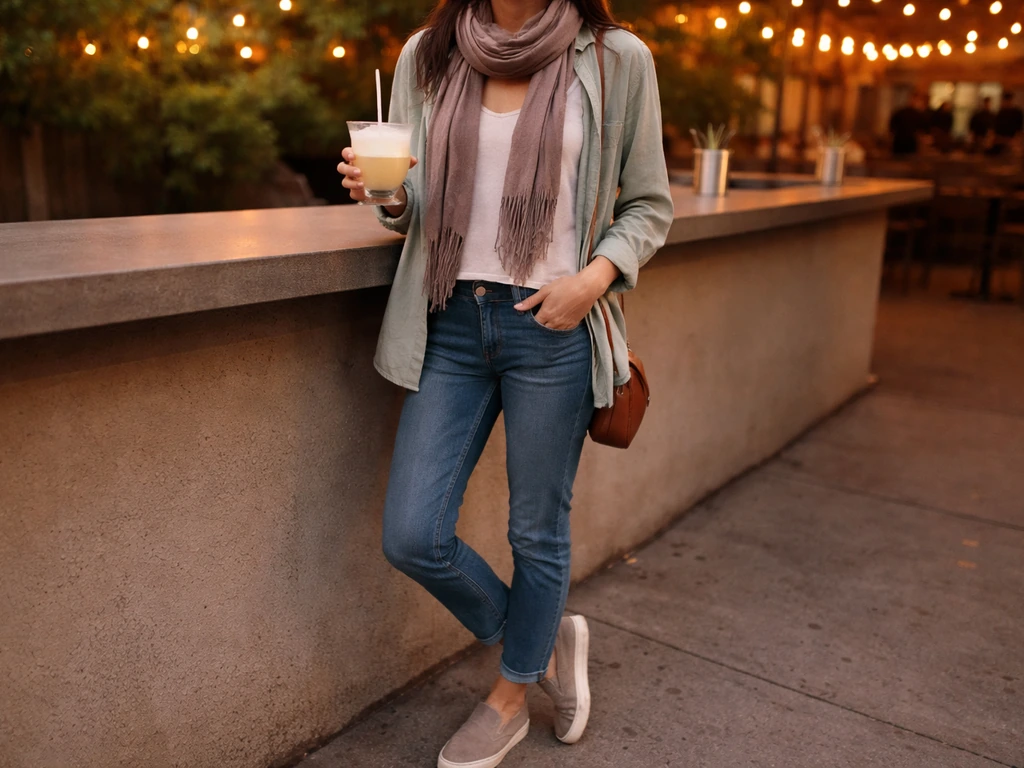
You can absolutely use your patio in winter. With the right prep, a ground-level patio can be a genuinely comfortable outdoor space even in cold, wet, or dark months. Once your patio is winter-ready, you can start thinking about the right outfit for a night out at a patio bar what to wear to a patio bar. The key is working in the right order: seal and weatherproof the surface first, then layer in heat and shelter, then sort out your furniture and lighting. If you do those things, you're not just surviving winter on the patio, you're actually enjoying it. Welcome to the patio where the neighbors slow down, stay cozy, and actually enjoy the cold months too.
How to Use a Patio in Winter: Step-by-Step Guide

Ada Hollis
15 Jun 2026
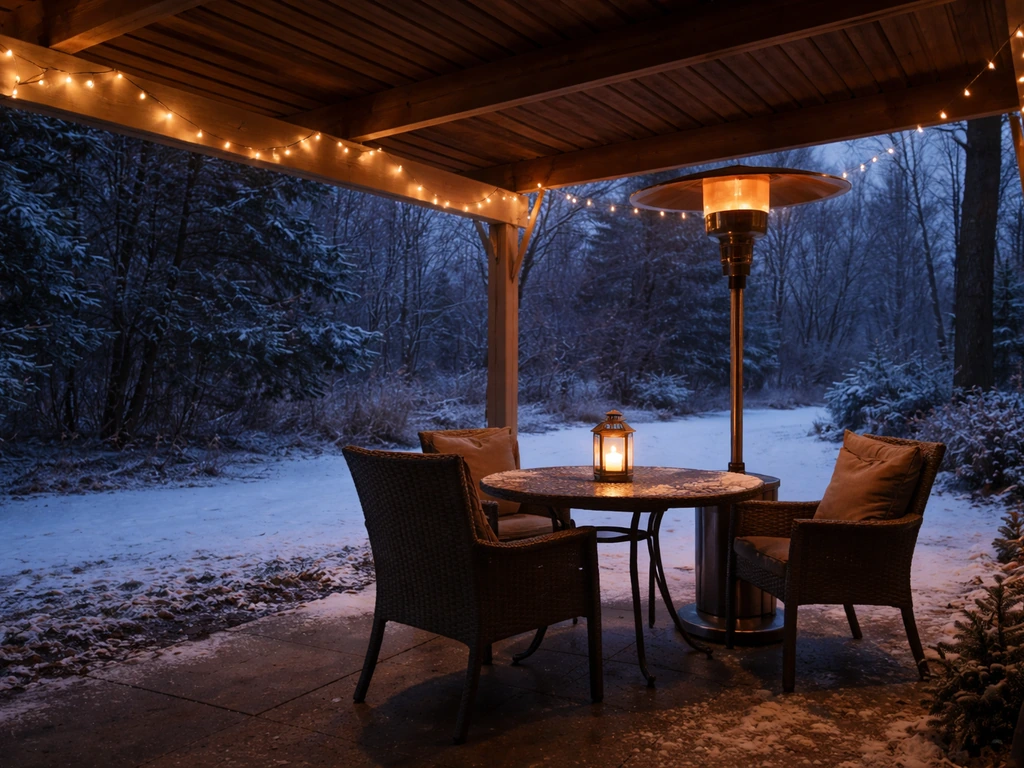
First, make sure you're actually working with a patio
This matters more than it sounds. A patio is a ground-level, paved outdoor area adjoining your home, typically used for dining or recreation. It can be covered or completely open, and the surface can be concrete, pavers, stone, brick, or tile. What it isn't is a porch (which is an elevated or covered entrance structure integrated with the house), a balcony (a platform projecting from an upper-floor wall), or a deck (a raised addition typically built from timber or composite boards). The winter strategies for each of these spaces are genuinely different.
Why does it matter? Because a ground-level patio collects water differently than a balcony, sits directly on soil that freezes and heaves, and uses hard surface materials like pavers and concrete that crack under freeze-thaw stress. A porch already has a roof and walls doing some of the work. A balcony is part of the building's structural envelope. Your patio is its own thing, and it needs its own approach. If you're researching patio season generally, you'll know this space has a natural rhythm to it and winter prep is just the flip side of that.
Winter-proofing basics: seal, drain, and cover
Seal before the frost hits
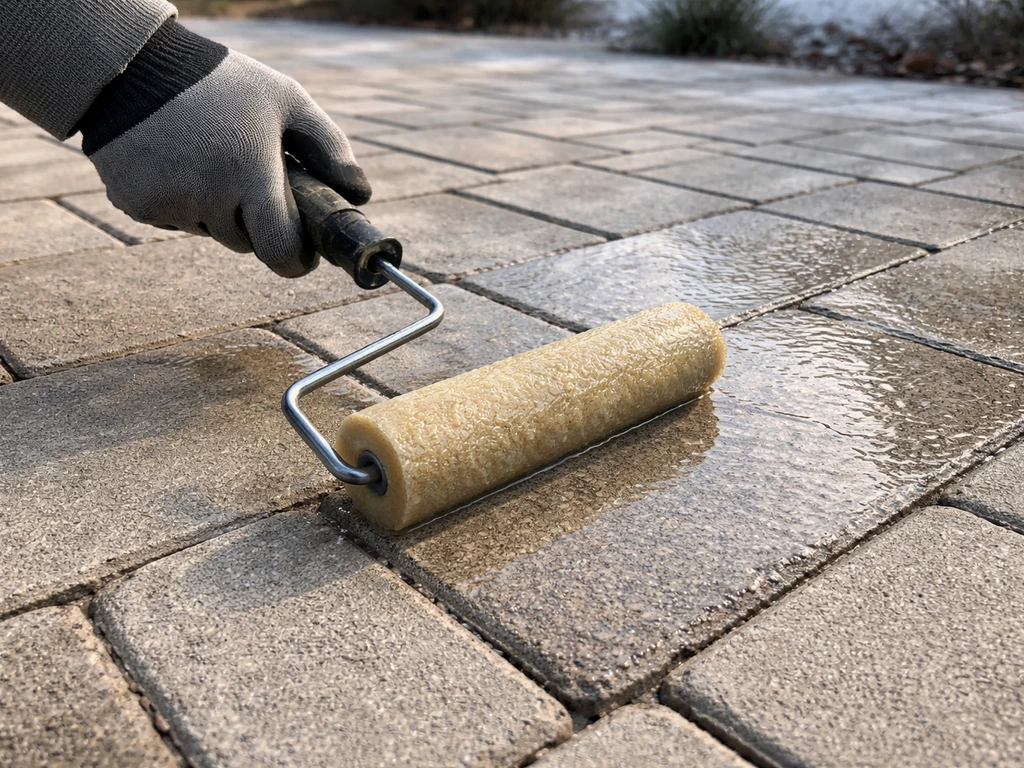
The single most damaging thing that happens to a patio in winter is the freeze-thaw cycle. Water gets absorbed into concrete, pavers, or stone, freezes, expands, and breaks the surface apart from the inside out. This is called spalling or scaling, and it's the reason patios start looking cratered and rough after a few hard winters. The fix is sealing, and it needs to happen before temperatures drop below 50°F.
Concrete sealers and paver sealers require air temperatures above 50°F to cure properly. Below that threshold, the chemistry slows down and the sealer won't bond correctly. For paver surfaces, use a penetrating, breathable sealer rather than a film-forming one, because film-forming products can trap moisture between the sealant and the surface, which causes exactly the kind of freeze-thaw damage you're trying to prevent. The surface also needs to be completely dry before you apply anything. Even slight dampness can get locked in. The general recommendation is to reseal every 2 to 3 years, and doing it just before the first frost is the ideal window.
If you're doing any cleaning before sealing, be careful with pressure washing. Aggressive pressure can force water deep into paver joints and expose aggregate. Clean the surface, but don't blast it right before a freeze.
Drainage is just as important as sealing
Frozen soil restricts drainage, meaning water that would normally percolate down has nowhere to go. It pools on the surface instead, where it freezes, expands, and can push up pavers or crack concrete through frost heave. Check that your patio has a gentle slope away from the house (usually 1/4 inch per foot is enough) and that any low spots or stamped concrete depressions are not collecting standing water. If they are, address that before winter. A simple sand-and-polymer joint refill can help stabilize pavers before the ground freezes.
Add coverage if you want to really use the space
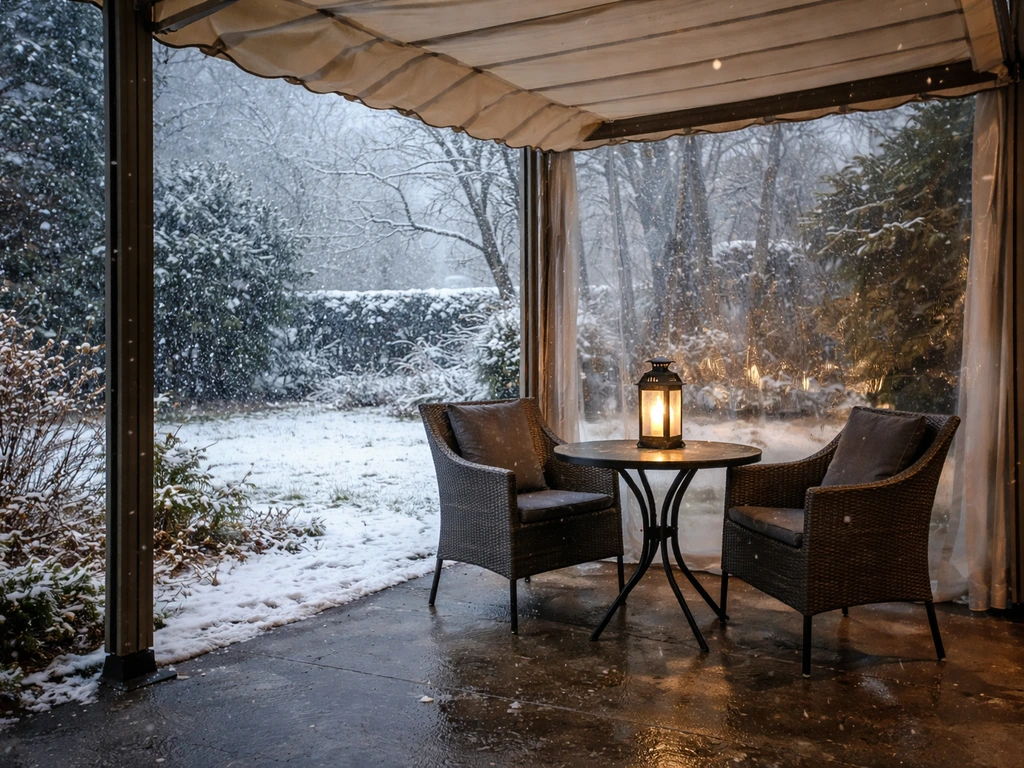
An open patio in winter is a cold, wet patio. Adding coverage transforms the situation. A retractable awning keeps rain and snow off the surface and off you. A pergola with a polycarbonate roof panel is a more permanent version. Even a heavy-duty outdoor canopy or shade sail rated for all-season use makes a real difference. Coverage does two things: it keeps the surface drier (which reduces freeze-thaw risk) and it makes the space feel enclosed enough to actually sit in comfortably. If you only do one upgrade for winter, coverage is it.
Heating and comfort: realistic options that actually work
You have several real options here. The right choice depends on your patio's size, whether you have a power outlet nearby, and how much wind exposure you're dealing with.
| Heater Type | Best For | Key Consideration |
|---|---|---|
| Freestanding electric patio heater | Medium patios with a power outlet nearby | Must be anchored or weighted against wind; tip-over is a real risk on uneven surfaces |
| Overhead electric heat lamp | Covered patios or pergolas | Keep at least 18 inches from fabric, cushions, and combustibles |
| Propane or natural gas tower heater | Larger open patios without easy power access | Follow manufacturer instructions; keep clear of overhead coverage |
| Tabletop fire pit or chiminea | Small patios, ambiance-focused use | Check local fire codes; keep on a non-combustible surface away from furniture |
For any electric heater, use only outdoor-rated extension cords with a three-prong grounded plug. Never run a heater cord under a rug or across a walking path where someone could trip and knock the heater over. Use a portable GFCI adapter whenever you're running electrical equipment in a wet or damp outdoor location, which in winter is basically always. The tip-over risk is real, especially on a windy day with an uneven paver surface, so look for heaters with an anti-tip shutoff feature and keep cables tidy and out of foot traffic zones.
Layering helps too. A thick outdoor rug (while conditions stay dry, more on that below), a blanket basket near the seating, and even a small side table for hot drinks can make a 40°F evening feel perfectly manageable. Think of the heat source as the foundation and then build comfort around it.
Furniture, rugs, and decor in cold weather
What to keep outside, what to bring in
Not everything needs to come inside, but some things really should. Heavy items like large stone or ceramic planters, concrete furniture, and cast-iron pieces can stay outside if they're on stable ground, but they should not sit directly on pavers over winter. The moisture under a heavy object freezes and thaws, and that repeated movement is enough to cause pavers to sink and shift. Belgard advises storing patio furniture, heavy flowerpots, and outdoor décor for winter so nothing rests directly on pavers, since freezing moisture can damage pavers and lead to sunken spots should not sit directly on pavers over winter. Lift heavy pots onto pot feet or move them to a sheltered corner.
Metal furniture (aluminum, powder-coated steel) can generally stay outside with covers. Wicker, rattan, and teak need more protection. If you can't bring them in, move them under shelter and cover them. Cushions should always come inside or go into a waterproof deck box. Even slightly damp cushions stored in an enclosed space will develop mold and mildew fast. Clean them first, let them dry completely in a ventilated area, and then store them. Same rule applies to cushion storage bags: use breathable covers, not airtight plastic bags, which trap moisture and cause rot.
Outdoor rugs and winter use
Outdoor rugs are genuinely useful in winter because they add warmth underfoot and traction on slippery surfaces. But they come with a catch. If rain or snow saturates a rug and it sits wet on top of pavers or concrete, you're creating a mold incubator and a slip hazard at the same time. During active wet or snowy weather, roll them up and store them. When you want to use the patio, put the rug back down. For storage, make sure the rug is thoroughly dry before you roll it up. A damp rug stored even for a few days will start to smell and degrade.
Umbrellas and decorative pieces
Patio umbrellas should come down for winter. Clean the canopy, let it dry completely, put it in a zippered polyester or vinyl cover, and store it upright on its pole in a garage or shed. An open or even closed umbrella left out through winter will be damaged by wind, ice, and UV in ways that are hard to reverse. Small decorative pieces, string lights, and planters with ceramic pots should be brought inside since ceramic cracks easily in a hard freeze.
Lighting, wind protection, and making the space worth using
Winter days are short. If you want to use your patio in the evening, and in winter that means basically any time after 4 or 5 PM, lighting is not optional. String lights are the easiest and most effective solution. When buying outdoor lights for winter use, check the IP (Ingress Protection) rating on the packaging. IP ratings classify how well the fixture resists water and dust. For wet outdoor conditions, you want at least IP44, and IP65 or higher is better if the lights will be directly exposed to rain or snow. Avoid indoor-rated fixtures outside, even temporarily.
Wind is the other thing that makes winter patios feel uncomfortable fast. A few targeted solutions go a long way. Outdoor curtain panels on a pergola or post frame block wind and create an enclosed feel. Bamboo or wooden privacy screens work well and look good. Even a well-placed sofa or chair arrangement with high backs facing the wind direction cuts down on the chill significantly. If your patio is on the windward side of the house, a freestanding windbreak panel (there are specific outdoor versions) is worth the investment.
Combine coverage, lighting, and wind protection and your patio stops feeling like an afterthought in cold months. It becomes an actual destination, which is really the point if you're going through the trouble of setting it up. If you're wondering about the patio dress code for winter gatherings, comfort and weather-appropriate layers make the biggest difference. If you want a night on the patio to stay relaxed and drama-free, keep in mind the idea behind "what happens on the patio stays on the patio.".
Safety and maintenance through the winter months
Ice, snow, and slip risk
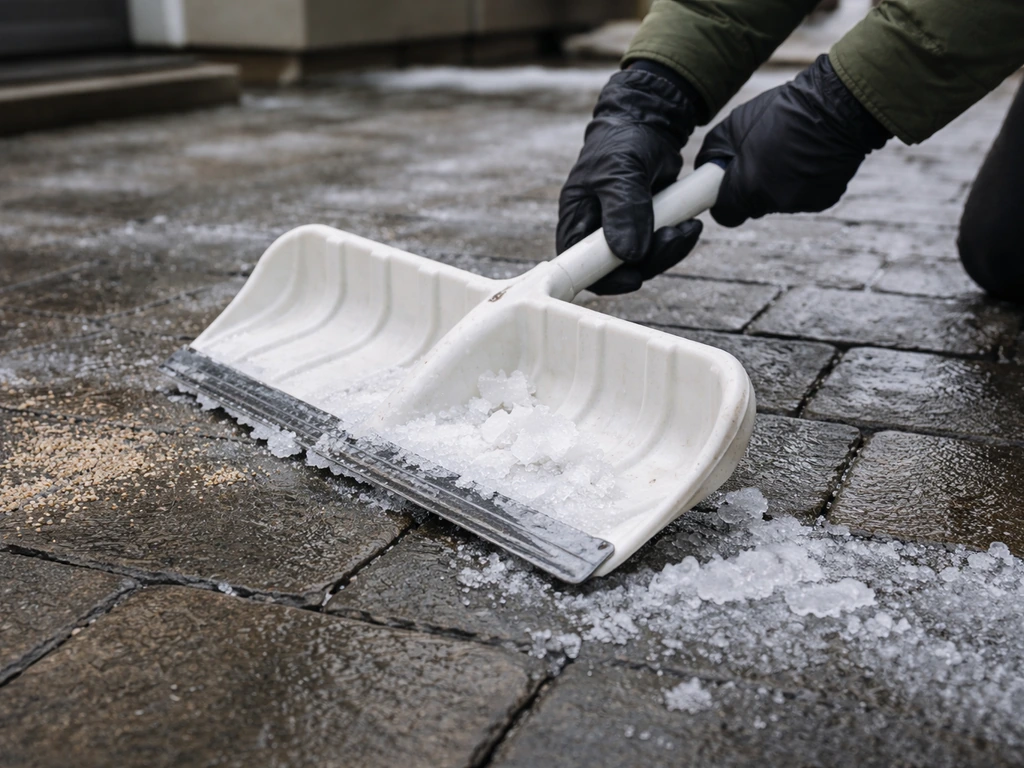
A wet patio surface in below-freezing temperatures is a slip hazard. Outdoor rugs help, but they're not always there and they can themselves become slick when iced over. Sand or fine grit applied to icy spots gives traction without damaging the surface. If you need to use a deicer, avoid rock salt (sodium chloride) and magnesium chloride-based products. Both dissolve into brine that can penetrate paver joints and stone, causing surface damage and accelerating freeze-thaw deterioration. If you use any deicer at all, use the minimum needed and rinse the surface thoroughly in spring to remove residue.
For snow removal, use a plastic shovel rather than metal. Metal edges catch on paver joints and can chip stone edges. Clear snow before it compacts into ice. Once it's ice, the mechanical removal options all carry surface damage risk.
A simple winter maintenance routine
You don't need to do much on an ongoing basis if you've done the prep properly. A quick routine keeps things in good shape through the season.
- Before first frost: clean the surface, check for cracks, reseal pavers or concrete if due, fix drainage issues, remove all heavy items from resting on pavers
- At the start of winter: store cushions, umbrellas, and ceramic pots; cover metal furniture; bring in or store rugs when not in use
- During winter: clear snow promptly with a plastic shovel, apply sand for traction on ice, minimize deicer use, check heater cords and connections periodically
- After a thaw: walk the patio and check for any new cracks, shifted pavers, or frost heave, and address them before the next freeze cycle
- In spring: rinse the whole surface to clear deicer residue, inspect the sealant, and bring furniture and decor back out
None of these steps take more than an hour or two total. The biggest mistake people make is skipping the fall prep and then dealing with cracked pavers and damaged furniture by March. Do the work upfront and your patio will come through winter in good shape, ready for the first genuinely warm day of patio season. If you're trying to map out your timing, understanding what is patio season will help you plan prep and comfort upgrades correctly.
FAQ
What should I do if I missed the 50°F window to seal my patio before winter?
If you live where winter dips well below 50°F, plan sealing for the last stretch of mild weather with dry conditions, then leave the surface uncoated once frost hits. If you missed the window, do not “patch” the sealer in freezing weather, wait until temperatures and surface dryness return so the product can bond and cure properly.
Can I use any patio sealer in winter, or are there products I should avoid on pavers?
Use a film-forming product only when the surface can reliably stay dry or when the manufacturer explicitly approves for freeze-thaw climates. For pavers, prioritize penetrating, breathable sealers so moisture does not get trapped under a surface layer that can expand and lift during freeze-thaw cycles.
Is it okay to pressure wash my patio right before I seal it?
Yes, but do it earlier, not right before sealing. Pressure washing can drive water into joints and microcracks, and even if the surface looks dry, trapped moisture can get locked in under the sealer and worsen freeze-thaw damage. Clean, then allow full dry time before applying any coating.
How can I tell if my patio has drainage problems that will cause winter damage?
Set up a simple check by pouring a small amount of water near the house and watching how quickly it drains within a few minutes. If water lingers in stamped concrete depressions or low paver areas, fix the grading or address the low spots first, because sealing alone will not solve standing-water freeze damage.
What if I already have a few cracked pavers or sinking spots, should I seal over them?
If you notice small lifted pavers or surface cracks after the first freeze, avoid re-sealing over the defects immediately. Stabilize joints (for pavers, sand-and-polymer joint refill in the right conditions), then reseal once everything is properly settled, because movement underneath will crack a fresh seal.
What’s the safest way to handle icy patches on pavers or concrete?
Don’t try to melt ice by pouring large amounts of deicer and leaving it. For deicers, use the minimum needed and clear residue later in spring, because salts and brine can penetrate joints, accelerate deterioration, and damage plants nearby.
What safety steps should I take when using an electric patio heater in winter?
When your outdoor setup is used in wet conditions, use an outdoor-rated GFCI adapter for power, confirm the extension cord is grounded, and route cords so they cannot be pinched under furniture or run across traffic paths. Also consider placing the heater on a stable, flat surface to reduce tip-over risk.
Should I leave an outdoor rug on the patio during snowy or rainy days?
In active wet snow or rain, roll rugs up and store them so they do not stay saturated on top of the hard surface. If a rug does get wet, dry it fully in a ventilated area before storage, because damp storage for even a short period can lead to mildew and odors.
Can cushions stay outside if I cover them with a tarp?
Bring cushions and soft textiles inside or into a truly weather-tight, breathable storage solution. If you cannot dry them completely, do not store them, because even slightly damp materials can mildew quickly in an enclosed space.
Do patio umbrellas really need to be taken down for winter, and how should I store them?
For winter, take umbrella accessories that can trap moisture, cover the umbrella properly when closed, and store it upright so water does not collect in seams. Clean and fully dry before covering, then keep it in a garage or shed if possible to reduce wind and ice damage.
Is covering a patio enough by itself, or do I still need to address drainage and sealing?
Yes, but choose coverage that won’t create a water-trapping pocket, especially near the house or in low valleys. Retractable awnings and all-season canopy systems reduce freeze-thaw stress by keeping the surface drier, but you still need to watch for pooling around edges and ensure water can escape.
Where should I put heavy planters or concrete furniture during winter, on pavers or off them?
If the patio is ground level and your winter storage items include heavy planters or concrete pieces, do not set them directly on pavers over winter. Use pot feet or move them under the most sheltered area, because the moisture cycle under a heavy load can shift pavers and create sink points.
What are the most effective ways to reduce wind chill on a winter patio?
If wind is your main problem, build “layers” of protection rather than relying on one item. Outdoor curtain panels, privacy screens, and chair placement with high backs facing the wind direction typically reduce the wind chill noticeably, and they also help keep the seating area usable for longer stretches in the evening.
Next Article
What to Wear to a Patio Bar: Outfit Guide by Season
Seasonal outfit ideas for a patio bar, from daytime casual to evening layers, plus shoe and weather tips.