Patio gas is propane. That is the straight answer. When UK and European retailers label a cylinder as 'patio gas,' they are describing what it is for, not a special chemical blend. Inside the cylinder is liquefied petroleum gas (LPG) in propane form, the same propane you would find in any standard propane cylinder sold for outdoor use.
What Is Patio Gas Made Of and What It Powers

Ada Hollis
27 Jun 2026
What 'patio gas' actually means
The term 'patio gas' is a marketing label, not a chemical category. UK suppliers started using it to help homeowners quickly identify which cylinder to buy for outdoor appliances like heaters and BBQs. It does not refer to a unique gas mixture or a proprietary product. The name simply tells you the intended use: powering things on your patio. If you are wondering who does patios, think of this term as “patio gas” being propane for outdoor use.
This matters because LPG itself is a broad term. According to UK government guidance and the Health and Safety Executive, LPG consists primarily of propane, butane, or a mixture of both. Both are liquefied petroleum gases, but they behave differently, and 'patio gas' is always the propane variety. Knowing this removes the confusion when you are standing in front of a wall of cylinders at a hardware store.
What gas is inside a patio gas cylinder
Patio gas cylinders contain propane, which is chemically written as C3H8. If you are also planning your outdoor space, it can help to know typical patio dimensions for your layout what is a standard patio size. Propane is stored under pressure in liquid form inside the cylinder, then vaporises into gas as it is released through the regulator. The key reason propane is chosen for outdoor patio use rather than butane comes down to temperature performance.
Butane struggles to vaporise properly below about 2 degrees Celsius. In the UK, that rules it out for most outdoor evening use for a significant chunk of the year. Propane keeps vaporising reliably down to around minus 42 degrees Celsius, which means it works on a cold autumn evening, through winter, and in exposed outdoor settings where temperatures drop fast after dark. This is exactly why the UK LPG trade association, blank" rel="noopener noreferrer">Liquid Gas UK, points to propane as the go-to fuel for patio heaters and outdoor BBQs. Patios come in different layouts and materials, from paved stone and brick to decking and gravel, so your outdoor heating and cooking setup should match the patio type and conditions different types of patios.
| Feature | Propane (Patio Gas) | Butane |
|---|---|---|
| Chemical formula | C3H8 | C4H10 |
| Minimum working temperature | Approx. -42°C | Approx. +2°C |
| Typical outdoor use | Patio heaters, BBQs, outdoor cooking | Indoor camping stoves, portable indoor heaters |
| Cylinder colour (common UK) | Red or green (varies by brand) | Blue |
| Regulator pressure | 37 mbar (typical) | 28 mbar (typical) |
| Best for UK outdoor patios? | Yes | No |
What patio gas is used for around the home
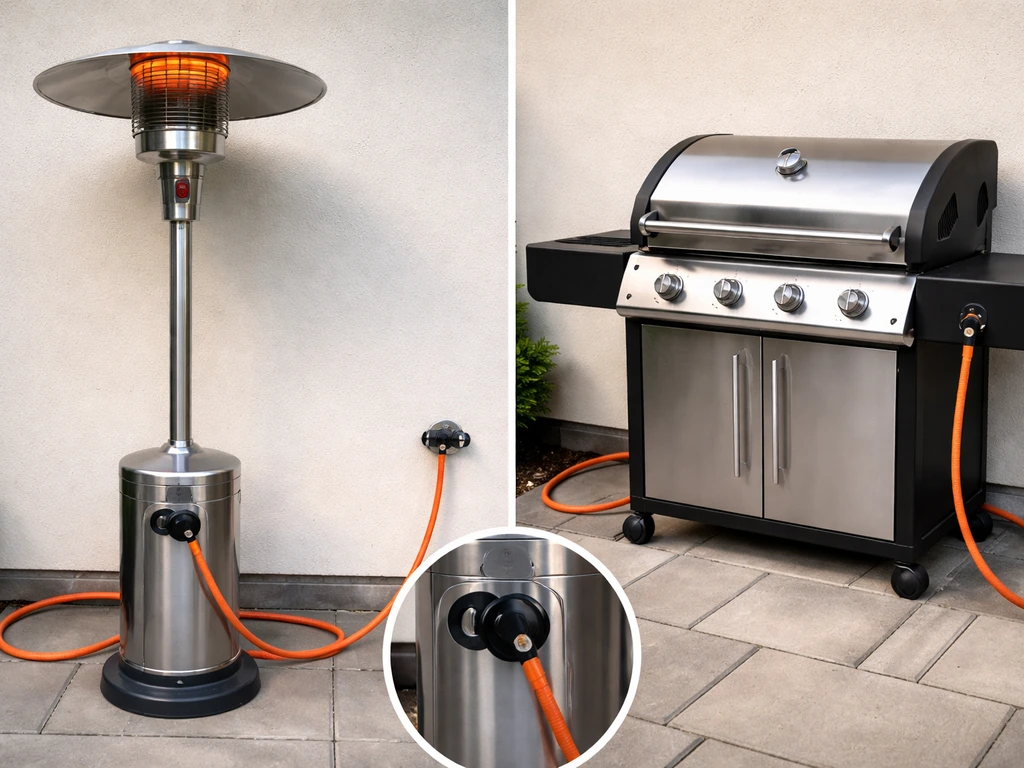
Once you know that patio gas is propane, its uses around the home make complete sense. It is designed for outdoor appliances that need a reliable fuel source regardless of the weather. The most common applications are: Common patio sizes vary by space and appliance layout, so it helps to measure before choosing patio gas equipment most common applications.
- Outdoor patio heaters, including both freestanding and wall-mounted models
- Gas BBQs and outdoor grills
- Outdoor kitchen burners and side burners on larger grilling setups
- Garden lighting with gas lanterns
- Portable outdoor cooking stoves used for camping or garden parties
- Some outdoor fire pits and decorative gas flame features
The patio connection here is direct. These are all appliances people use in the same outdoor living spaces they invest in. Examples of patios include the outdoor spaces with heaters and BBQs where you might use patio gas outdoor living spaces. If you are thinking about what patios are actually made of as a surface or structure, that is a separate conversation entirely. But the fuel that powers the equipment you put on that surface is almost always propane when you are outdoors in the UK.
How to confirm your cylinder matches your appliance
Buying the wrong cylinder or using the wrong regulator is a genuinely common mistake. Propane and butane cylinders use different regulators, and fitting a butane regulator to a propane cylinder (or the reverse) will either stop the appliance from working or create a safety hazard. Here is how to check everything lines up before you connect anything.
Check the cylinder label first
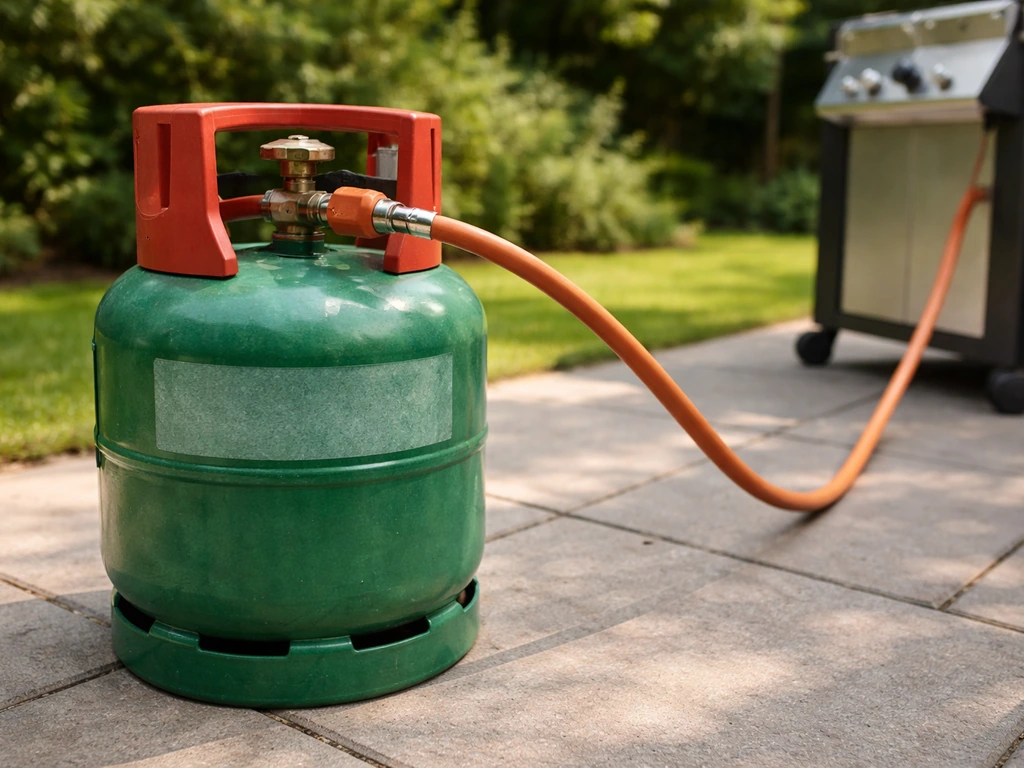
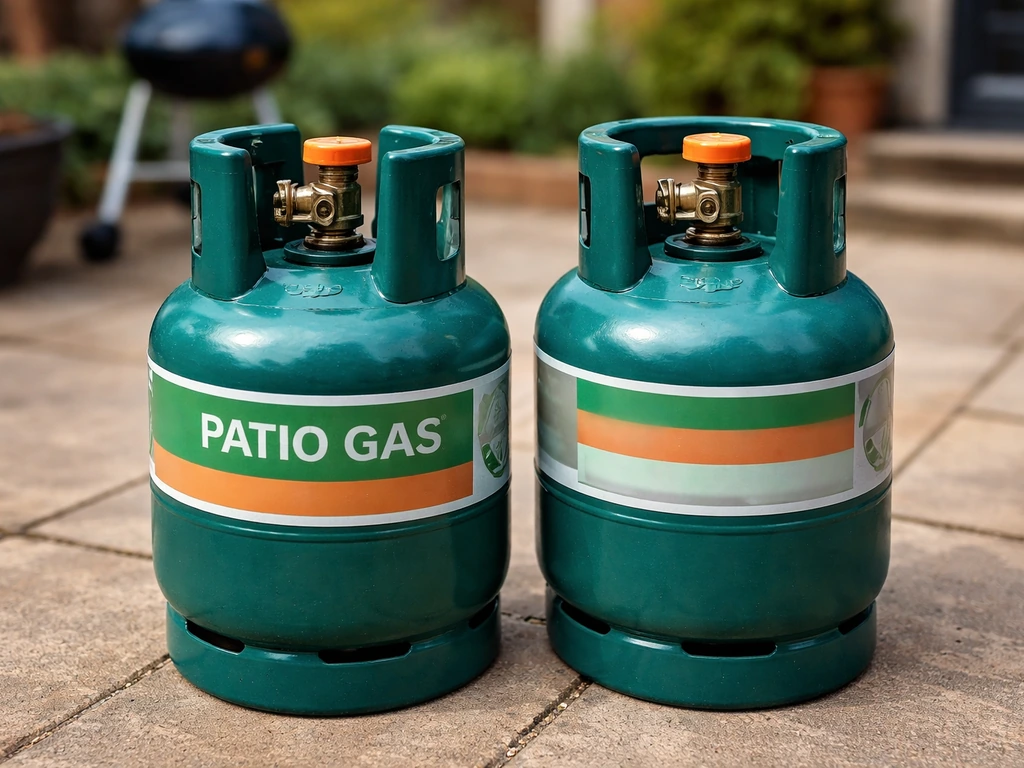
Any legitimate UK cylinder will state the gas type on the label. If it says 'patio gas' and is sold by a mainstream supplier like Calor, Flogas, or Adams Gas, it is propane. Calor's patio gas cylinders are typically green. A patio in the shape of a rectangle is fenced when the boundary and height clearly define the perimeter for outdoor seating. Flogas patio cylinders are orange. The word 'propane' should also appear on the label somewhere, often in the product description or technical specification section near the base of the cylinder.
Check the regulator on your appliance
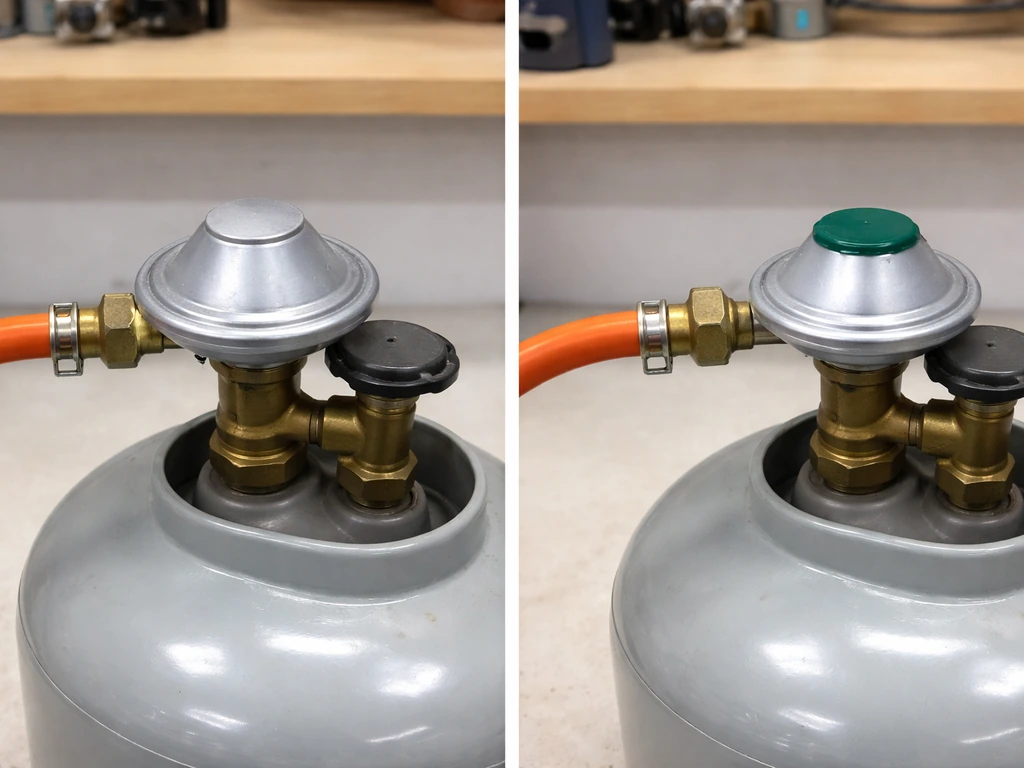
The regulator is the valve fitting that connects the cylinder to your heater or BBQ hose. Propane regulators in the UK are typically set to 37 millibar (mbar). Butane regulators run at 28 mbar. These are not interchangeable. Check the stamped or printed label on the regulator itself, which will state the output pressure. If your patio heater's manual specifies propane at 37 mbar, a propane patio gas cylinder with a matching regulator is exactly what you need.
Check the appliance manual or data plate
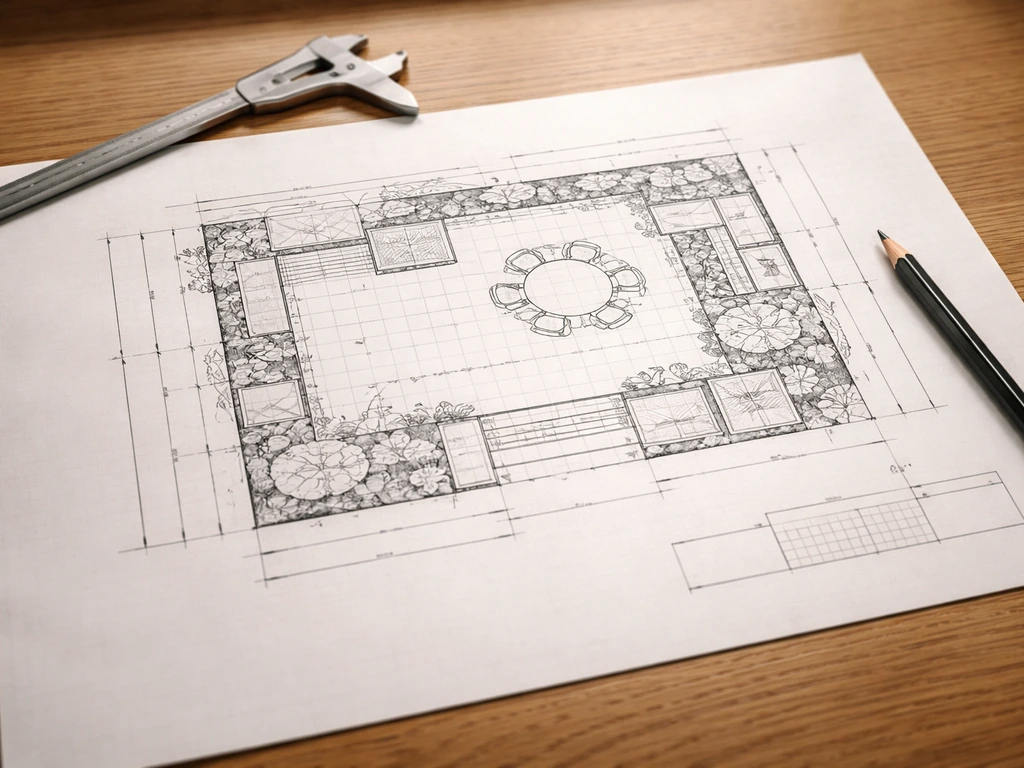
Every gas appliance sold in the UK has either a manual or a stamped data plate (usually on the back or underside of the unit) that lists the required gas type and operating pressure. Match both of those against your cylinder and regulator before first use. A scale drawing of a patio is shown at right to help you visualize where the cylinder and regulator would be placed. If the manual says 'LPG propane' and your cylinder is labelled patio gas, you are good to go. If there is any mismatch, contact the appliance manufacturer or your gas cylinder supplier before using the equipment.
A quick pre-use checklist
- Read the cylinder label: confirm it says propane or patio gas
- Check the regulator output pressure: should be 37 mbar for propane appliances
- Read the appliance manual or data plate: confirm it specifies propane
- Inspect the hose and connections for cracks or wear before connecting
- Connect the cylinder outdoors in a ventilated space, never in an enclosed area
- Test for leaks with soapy water on the connection before lighting
The bottom line
Patio gas is propane, labelled that way to make buying decisions easier for homeowners. It is not a different chemical or a proprietary blend, just propane marketed toward outdoor patio use. It works reliably in cold UK weather, powers the most common outdoor appliances, and is safe to use as long as your regulator and appliance both match its 37 mbar output pressure. Check the label, check the regulator, check the manual, and you will have no compatibility surprises.
FAQ
If it’s called patio gas, does that automatically mean it’s propane and not LPG generally?
No. In the UK, cylinders marketed as “patio gas” are propane, but you should not assume every LPG cylinder is propane. Always check the cylinder label for propane (C3H8) and the intended use, because some LPG cylinders are supplied as butane for warmer conditions.
What if I buy the right patio gas cylinder, can it still be the wrong setup for my heater or BBQ?
A patio gas cylinder should still be matched to the appliance’s required pressure and connection type. Even with the correct gas (propane), using the wrong regulator pressure or a non compatible fitting can cause poor burning, shutdowns, or leaks, so confirm the regulator rating and hose/connector standard.
Is 37 mbar always the correct pressure for patio gas heaters in the UK?
Most regulators used for propane patio gas in the UK are set to 37 mbar, but your heater or BBQ manual is the deciding document. If the appliance specifies a different pressure, do not improvise, use the regulator that matches the appliance requirement.
Can I swap a butane regulator onto a patio gas (propane) cylinder?
Propane regulators and butane regulators are commonly different (for example, 37 mbar versus 28 mbar). The safe approach is to compare the markings on the regulator body with what the appliance data plate or manual calls for, then make sure the regulator is designed for propane.
Will a patio heater that is labeled for LPG work with patio gas propane?
Yes, if your patio heater or BBQ is designed for propane and uses the correct pressure and fitting. If your unit’s data plate says it is for butane only, it may struggle in cold weather even if a “patio gas” cylinder is available.
My appliance says LPG but doesn’t mention propane. How do I know if patio gas will work?
If “patio gas” is propane, then the cylinder will be labeled accordingly, and many appliances will say “propane” or “LPG propane” on the manual or data plate. If the appliance only lists “LPG” without specifying, the model is still usually configured by pressure and valve type, so verify those details before connecting.
What’s the quickest way to spot a mismatch before I connect anything?
A cylinder label can say “patio gas,” but you should confirm the technical details on both the cylinder and regulator. If the regulator label shows a pressure that does not match the appliance requirement, treat it as the wrong regulator even if the cylinder is correct.
What should I do if my patio gas appliance burns poorly after connecting?
If you see symptoms like hard starts, yellow sooting, or flame that looks weak or unstable, stop using and recheck gas type, regulator pressure, and burner adjustment per the manual. Troubleshooting before first use is better than trying to “make it work” with an incorrect regulator.
If my BBQ won’t light with patio gas, is it likely the cylinder or could it be something else?
First check that the cylinder is labeled as patio gas (propane) and that the regulator is the correct pressure for propane. Then confirm the appliance requires propane at the matching mbar setting. If everything matches and it still won’t ignite, consult the appliance troubleshooting section for ignition system issues that are unrelated to fuel type.
Can I rely on cylinder color to confirm it’s patio gas propane?
“Green,” “orange,” and similar color cues can help, but they are not a substitute for reading the gas and pressure information on the label. Always verify propane is stated and that the regulator output matches the appliance requirement.
Next Article
How to Read a Scale Drawing of a Patio and Measure It
Interpret patio scale drawings, decode dimensions and symbols, convert to real measurements, and verify boundaries on si