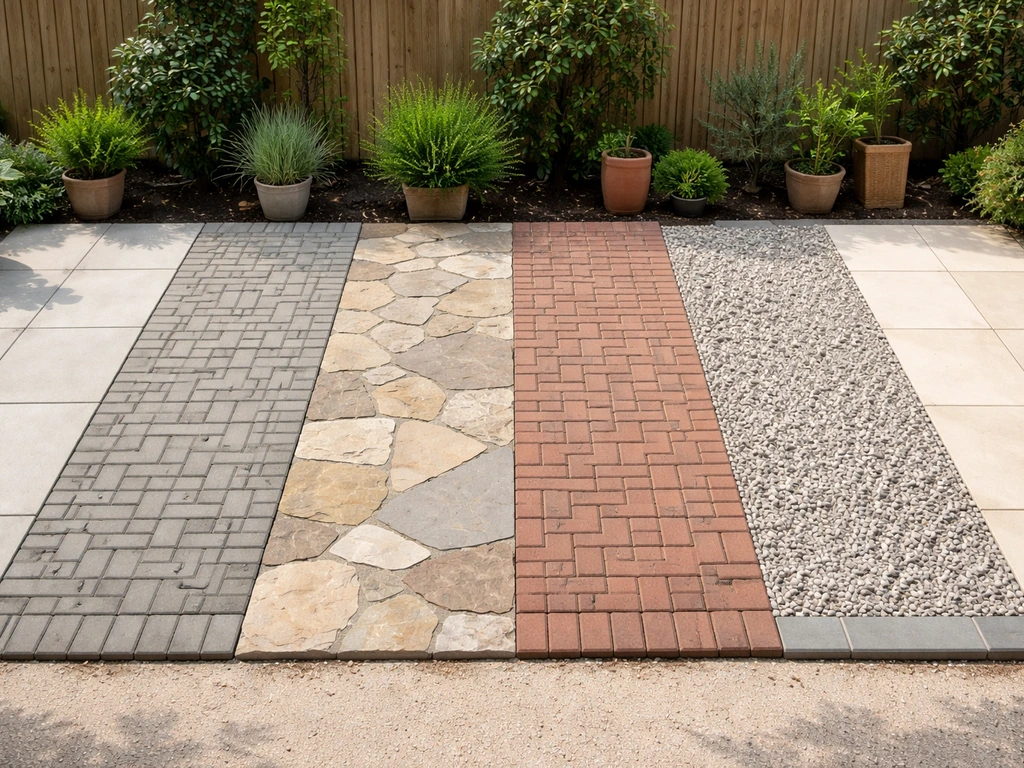
Patios come in more varieties than most people realize. At the broadest level, you can sort them by material (concrete, pavers, stone, brick, tile, gravel, wood or composite), by layout style (courtyard, outdoor living room, poolside, fire pit, L-shaped, wraparound, or garden patio), and by how they connect to your home (attached vs. freestanding, ground-level vs. elevated). Each of those dimensions shapes what a patio feels like, what it costs, how long it lasts, and how much work it takes to keep up. This guide walks through all three dimensions so you can figure out which type actually makes sense for your yard, budget, and climate.
What Are the Different Types of Patios? Materials, Styles

Ada Hollis
6 Jun 2026
What a patio actually is (and what it isn't)
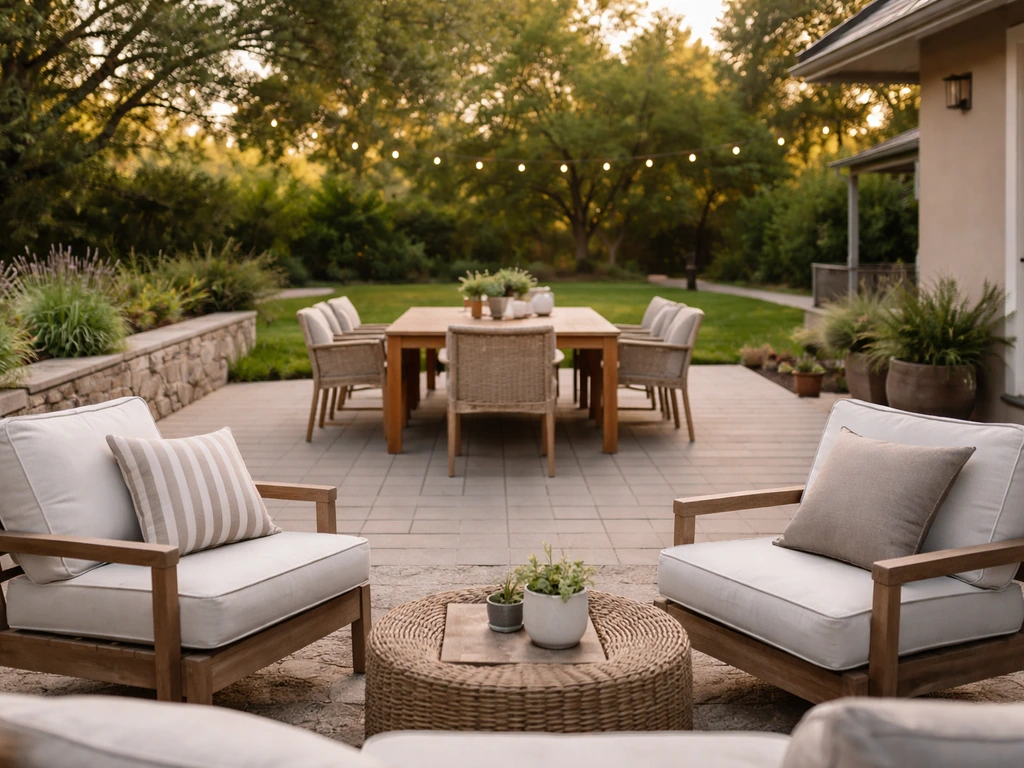
A patio is a paved or hard-surfaced outdoor area that adjoins a house and is used for lounging, dining, or general outdoor living. In that context, patios are often described in terms of who is supposed to use or enjoy them, like homeowners and their guests adjoins a house. It sits open to the sky, it's typically at or near ground level, and it doesn't have a roof over it by definition. That last point is the one that trips people up the most, because plenty of patios do end up with pergolas or shade sails added later. But the structure itself starts uncovered.
The word comes from Spanish, where 'patio' simply means an inner courtyard or outdoor space attached to a home. That origin still shows up in how some people use the term today, especially in the American Southwest and in Latin American architecture, where a patio might refer to an enclosed courtyard rather than a back-slab behind the house.
Patio vs. porch, veranda, balcony, terrace, and courtyard
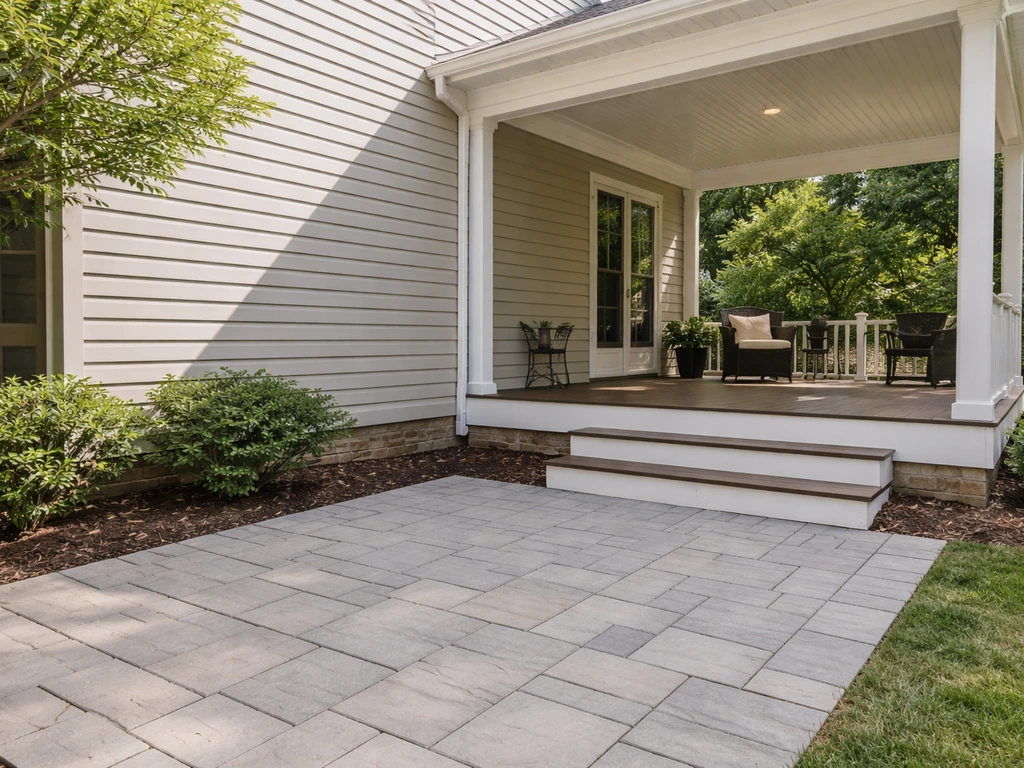
These terms get blurred constantly in real estate listings, home improvement content, and everyday conversation. Here's how they actually differ and why it matters when you're shopping for a home or planning an outdoor space.
| Space | Key characteristics | Roofed? | Ground level? |
|---|---|---|---|
| Patio | Paved area adjoining a home, open to the sky, used for lounging or dining | No | Usually yes |
| Porch | Covered structure attached to the front, back, or side of a house, typically at the entrance | Yes | Usually yes |
| Veranda | Roofed, open-air hallway or porch that wraps around the exterior of a building | Yes | Usually yes |
| Balcony | Elevated outdoor platform attached to an upper floor of a building | No (usually) | No — upper floor |
| Terrace | A flat, raised outdoor area; often used interchangeably with patio in British English | No | Raised or ground |
| Deck | Flat outdoor platform attached to a home, often elevated; typically wood or composite | No (usually) | Often elevated |
| Courtyard | An enclosed outdoor space surrounded by walls or a building on multiple sides | No | Ground level |
The practical takeaway: if it has a permanent roof, it's almost certainly a porch or veranda, not a patio. If it's on an upper floor, it's a balcony. If it's a wood platform attached to the house, it's a deck. Patios are ground-level, open-sky, and hard-surfaced. In the UK and Australia, 'terrace' is used the way Americans say 'patio', so don't be surprised by that swap when browsing international home content.
Courtyards deserve a special mention because, as noted above, the original Spanish meaning of 'patio' was essentially a courtyard. Today in American usage the two terms usually describe different things: a courtyard is enclosed on multiple sides (by walls, wings of the house, or fencing), while a patio is more open. But you'll still see the terms used interchangeably, especially in Mediterranean-style or Spanish Colonial homes.
Patio types by material
The material you choose is probably the single biggest decision you'll make about your patio. If you’re using a gas patio heater, it helps to know what patio gas is made of and what’s safe for your specific setup what is patio gas made of. It affects upfront cost, long-term maintenance, how well it handles your local climate, and whether you can realistically DIY it or need to bring in a contractor.
Concrete
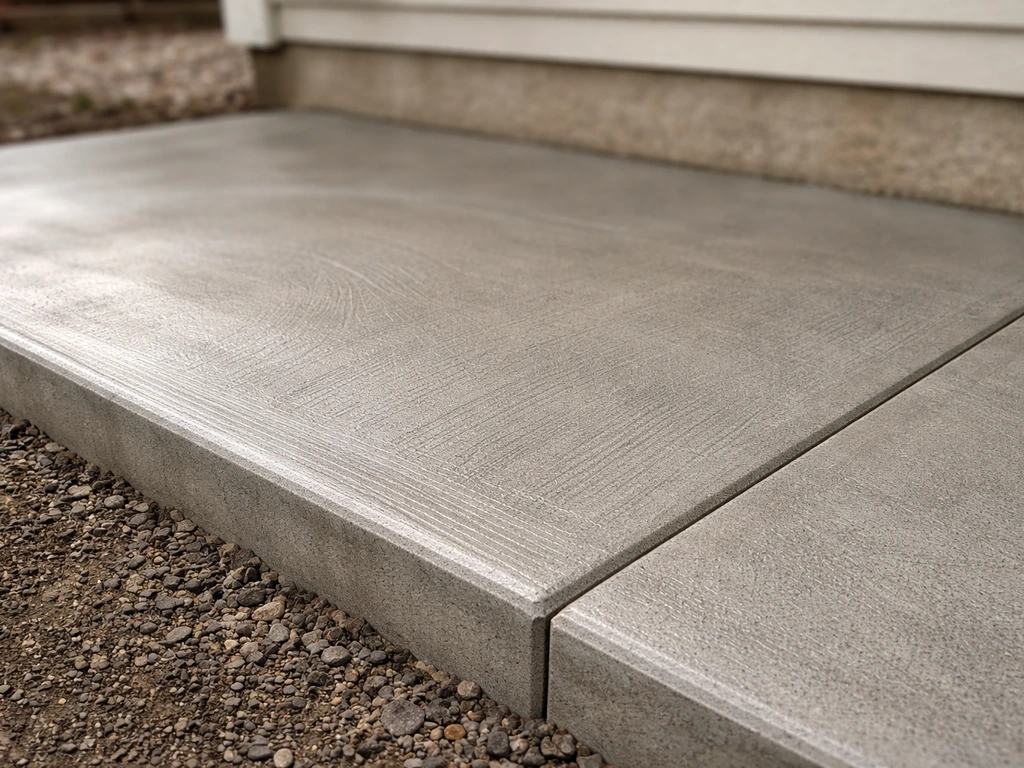
Poured concrete is the most common patio material in North America because it's durable, relatively affordable, and versatile. A basic broom-finished concrete patio runs roughly $4 to $7 per square foot and gives you a slip-resistant surface by dragging a stiff broom across the concrete before it fully cures. That texture creates small ridges that add grip in wet conditions. If you want something more decorative, stamped concrete mimics the look of stone, brick, or tile at a lower cost than the real thing, though it needs sealing every two to three years to protect the surface and keep the color looking fresh.
Concrete pavers
Interlocking concrete pavers are individual units laid over a compacted base, bedding sand, and jointing sand swept into the joints and locked in place by re-compaction. Unilock’s design guidance describes these typical installation layers for interlocking concrete pavements, including a compacted base, bedding sand, and jointing sand [Interlocking concrete pavers are individual units laid over a compacted base, bedding sand, and jointing sand swept into the joints and locked in place by re-compaction. ](https://unilock. com/wp-content/uploads/sites/3/2022/09/Design-Considerations-for-Interlocking-Concrete-Pavements-Unilock.
pdf). The big advantage over poured concrete is repairability: if a paver cracks or a section settles, you pull up the affected pieces and reset them without touching the rest of the surface. Pavers also handle freeze-thaw cycles reasonably well when installed with proper drainage slope (about 1/8 to 1/4 inch per foot, or roughly a 1 to 2 percent grade, sloping away from the house). They cost more than basic concrete but less than natural stone.
Natural stone
Flagstone, bluestone, slate, limestone, and travertine all fall into the natural stone category. Stone patios look beautiful and add real perceived value to a property, but they're expensive, heavy to work with, and variable in texture and color because it's a natural material. Porous stones like travertine can absorb water and stain if not sealed. In freeze-thaw climates, you want a denser stone and a properly compacted base so water doesn't get trapped underneath and heave the surface.
Brick
Brick gives a classic, warm look and holds up very well when installed correctly. It's permeable enough to allow some drainage through the joints if laid on a sand base, which helps in areas with heavy rain. The downside is that in wet climates brick can grow moss or algae, making it slippery, and individual bricks can crack in hard freezes if moisture gets in. Regular cleaning and occasional re-sanding of joints keeps a brick patio in good shape for decades.
Tile and porcelain
Outdoor porcelain tile has improved dramatically and is now a legitimate patio material, not just an indoor product. Quality outdoor porcelain can hit slip-resistance ratings suitable for wet external use (look for R11 slip-resistance rating or a Pendulum Test Value above 36 when shopping). The catch: tile needs a solid, stable base because it's rigid and will crack if the substrate moves. That usually means a concrete slab underneath, which adds cost. Tile works best in mild, dry climates or covered patio areas where freeze-thaw stress is minimal.
Gravel and crushed stone
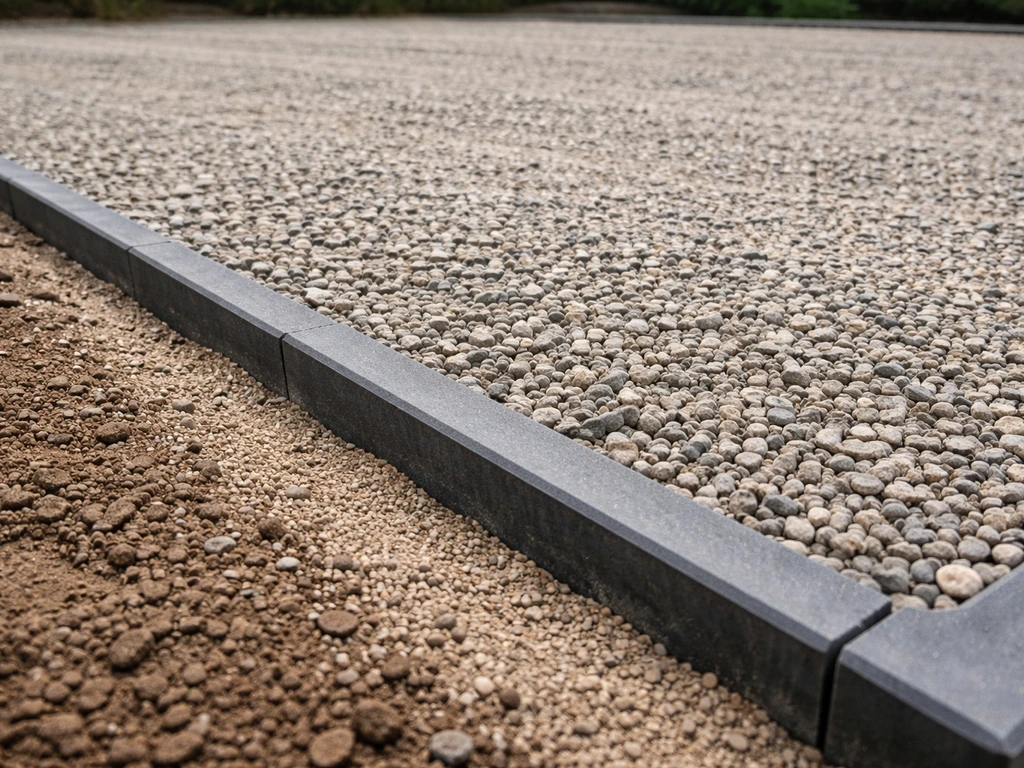
Gravel is the most affordable patio surface and the easiest DIY option. It drains almost perfectly, which is a real advantage in wet climates. The trade-offs are real though: loose gravel migrates underfoot, it's hard to roll furniture across, and it's not ideal for high heels or bare feet depending on the stone size. Decomposed granite compacts more firmly than pea gravel and is a popular middle-ground option, especially in drought-prone climates where you want a permeable surface. Edging is essential to keep gravel from spreading into the lawn.
Wood and composite decking used as patio-style surfaces
Strictly speaking, a wood or composite surface at ground level blurs the line between a patio and a deck, but plenty of homeowners build ground-level wood platforms and call them patios. Natural wood (cedar, redwood, pressure-treated pine) requires regular staining or sealing and is susceptible to rot and insects if drainage is poor. Composite decking is lower maintenance and resists rot, but it gets hot in direct sun and costs significantly more upfront. If you choose a wood-based surface, elevation and airflow underneath are critical to prevent moisture buildup.
Patio types by layout and style
Beyond material, the shape and purpose of a patio define how it actually functions day to day. Here are the most common layout styles and what they're best suited for.
Courtyard patio
A courtyard patio is enclosed on two or more sides by walls, fencing, or the home itself. Rectangular patios are often fenced to define boundaries and improve privacy. This creates a private, sheltered outdoor room that blocks wind and noise and feels intentional rather than incidental. Courtyard patios work especially well on urban lots where you want a sense of enclosure, and they're a natural fit for Spanish Colonial, Mediterranean, or modern architectural styles.
Outdoor living room
This style treats the patio as a true extension of the interior living space. You zone it the way you would a living room: a sofa and club chairs around a coffee table or fire pit, a separate dining zone with a table and chairs, and a pathway between the two. Clearances matter here. Plan for about 30 inches of main walking path width and 24 to 30 inches behind dining chairs so people can push back from the table without colliding with the person walking behind them. The 'outdoor living room' approach works best on larger patios, typically 16x20 feet or bigger, where you have room to create distinct zones.
Poolside patio
A poolside patio wraps around or runs alongside a swimming pool and serves as the transition zone between the pool and the yard or house. Slip resistance is the number one material concern here: wet bare feet on a smooth surface is a liability. Textured concrete, natural stone with a rough finish, or pavers with a high wet coefficient of friction (look for 0.50 or better in wet conditions) are all solid choices. You also need excellent drainage so water isn't pooling on the surface.
Fire pit patio
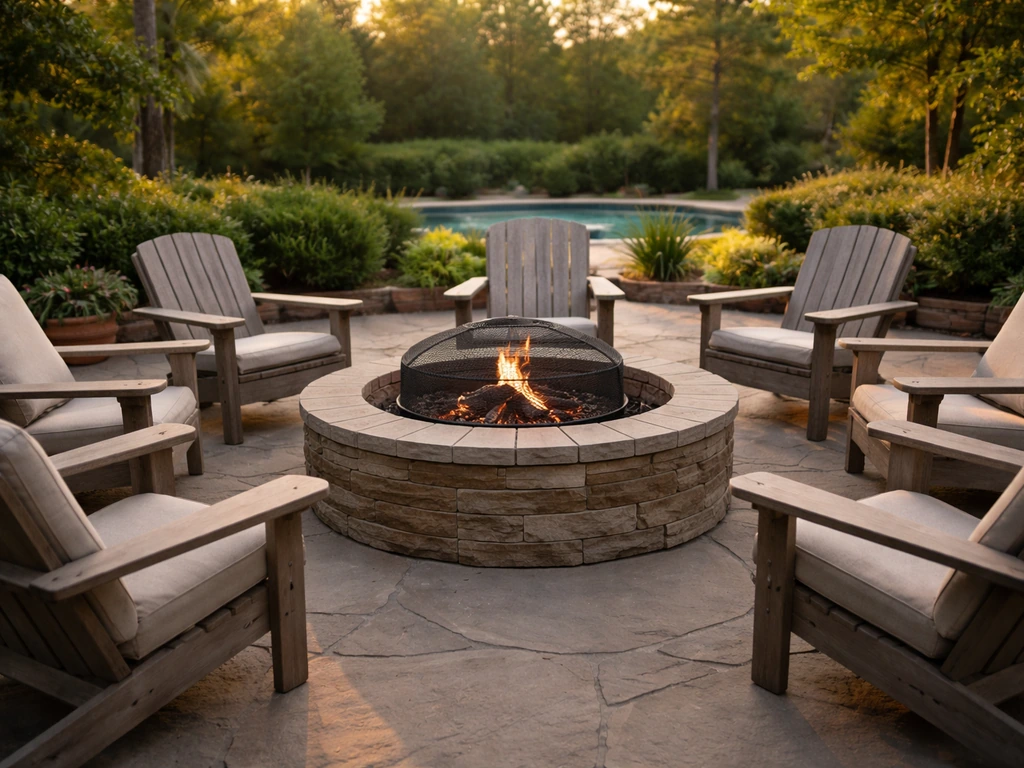
A fire pit patio centers on a fire feature and arranges seating in a circle or partial arc around it. A functional fire pit seating circle typically runs about 10 to 14 feet in diameter, which gives everyone close enough proximity to feel the warmth and have a conversation without shouting. The fire pit doesn't have to sit dead center of the patio unless you specifically want that symmetrical look. Noncombustible materials (concrete, stone, pavers, or brick) are the only sensible choice for the surface around a fire feature.
L-shaped patio
An L-shaped patio wraps around a corner of the house and naturally creates two distinct zones: one leg of the L might be a dining area off the kitchen door, and the other might be a lounge or garden area. This layout is especially useful on corner lots or on homes where two exterior doors open onto different sides. The shape also provides a natural privacy screen on one zone while keeping the other open.
Wraparound patio
Similar to a wraparound porch in concept, a wraparound patio extends along two or more sides of the house. It gives you the flexibility to follow the sun or the shade across the day, moving from the morning side of the house to the evening side as the light shifts. It also solves the problem of a yard where the only usable outdoor door isn't on the best-oriented side of the house.
Garden or side-yard patio
A garden patio is smaller and more intimate, often integrated into a planting bed or garden path rather than sitting as a standalone hardscape feature. These work well in side yards, at the far end of a long lot, or tucked into a corner where you want a quiet reading nook or a destination at the end of a garden walk. Materials here often lean toward natural stone or brick to complement the planting surroundings.
Patio types by attachment and elevation
Attached vs. freestanding
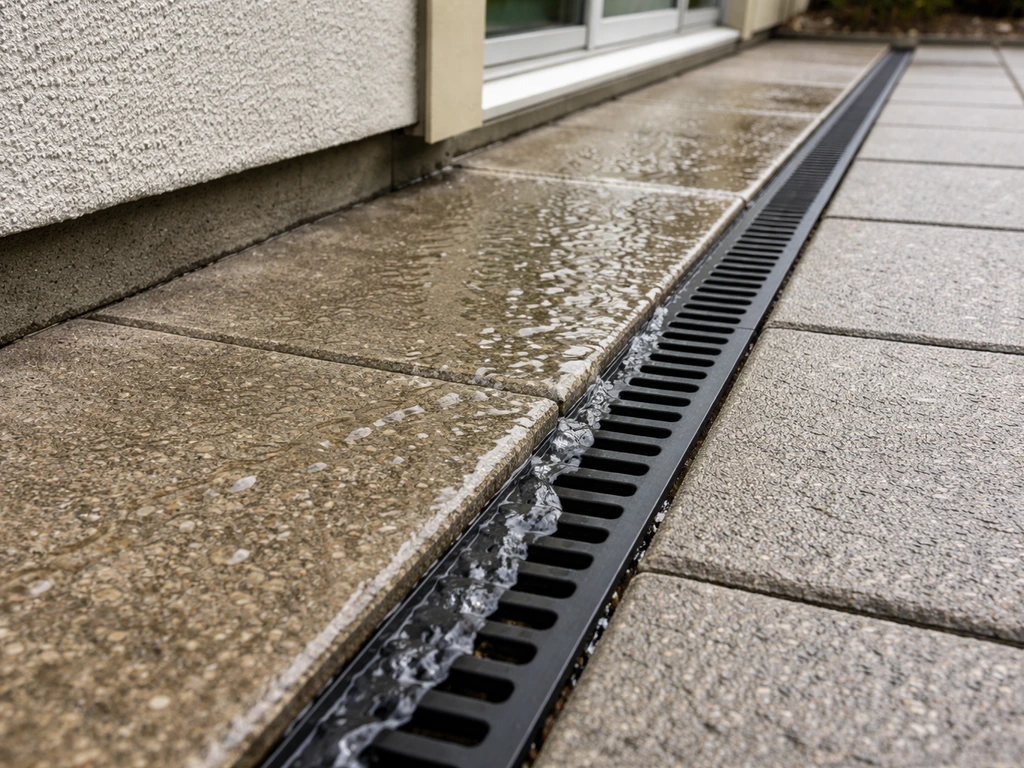
An attached patio connects directly to the house, usually right outside a back or side door. This is the most common configuration because it makes indoor-outdoor traffic easy. One drainage consideration worth knowing: an attached patio needs to slope away from the house foundation, not toward it. That 1 to 2 percent slope (about 1/4 inch per foot) is particularly important when the patio butts up against the exterior wall.
A freestanding patio sits out in the yard, detached from the structure. This setup gives you more flexibility in positioning: you can put it in the sunniest spot, under a tree canopy, or at the far end of a garden. The downside is that you lose the convenience of stepping directly from the kitchen to the patio. Freestanding patios often serve as destination spaces rather than everyday extensions of the kitchen or living room.
Ground-level vs. elevated
Most patios are at or very close to ground level. When a hard-surface outdoor platform rises more than 30 inches above the adjacent grade, it crosses into deck territory in building code terms: guardrails become required, typically at a minimum height of 36 inches, and a building permit is generally needed. If you're planning what you're calling a 'raised patio' that puts the surface more than 30 inches up, check your local code early because you may be building a deck by legal definition, which triggers different structural and permitting requirements.
Finishes, drainage, and durability: what actually affects which type you choose
Material and layout are the fun decisions. The less glamorous factors below are the ones that determine whether your patio is still looking good in 15 years or whether you're dealing with cracked slabs, pooling water, or a slippery surface that someone falls on.
Drainage slope
Every patio surface needs to move water away. The standard recommendation is 1/8 to 1/4 inch of drop per foot of run, sloping away from the house and toward a lawn, garden bed, or drain. A 1 percent grade (about 1/8 inch per foot) is the minimum; a 2 percent grade (1/4 inch per foot, or roughly 1 inch per 4 feet) is more reliable in high-rainfall areas. Getting this wrong means water sits on the surface or, worse, runs toward your foundation.
Slip resistance
Any outdoor surface gets wet, so slip resistance matters everywhere, but especially around pools, in shady areas where moss can grow, and in any climate with ice or heavy rain. Broom-finished concrete is reliably non-slip. Textured natural stone and pavers with higher wet coefficient-of-friction values (0.50 and above) perform well. Smooth polished stone, unsealed tile, or painted concrete are all problematic when wet. If you're choosing tile, look for R11-rated porcelain specifically rated for external wet use.
Freeze-thaw performance
In climates with hard winters, water that gets under or into your patio surface will expand and contract with freezing and thawing, which eventually cracks or heaves materials. Dense, low-porosity materials (concrete pavers, quality porcelain, dense natural stone) handle this better than porous ones. Proper base compaction and drainage are as important as the surface material itself: if water can't drain away from beneath the patio, no surface material will save it.
Maintenance requirements
Be honest with yourself about how much maintenance you'll actually do. Stamped concrete looks great but needs resealing every two to three years or the finish degrades. Natural stone may need periodic sealing depending on the stone type. Pavers are low maintenance but jointing sand can wash out and need to be replenished. Gravel needs periodic raking and top-ups. Composite decking at ground level needs less maintenance than wood but still needs occasional cleaning. If you want genuinely low-maintenance, concrete pavers on a well-compacted base come close.
Surface finish options for concrete specifically
If you're going with concrete, the finish choice is its own decision. Broom finish is the workhorse: practical, slip-resistant, affordable. Exposed aggregate gives a pebbly texture with more visual interest and good grip. Stamped concrete adds decorative pattern and color. Salt finish creates small pits in the surface for texture. Each has different maintenance needs and different aesthetics. The smooth troweled finish you see on interior floors is generally a bad idea outdoors because it becomes dangerously slippery when wet.
How to choose the right patio type for your yard, budget, and climate
Run through this framework before you commit to any material or layout. If you're planning a layout, you may also want to know what a standard patio size typically looks like for comfort and traffic flow what is a standard patio size. It won't make the decision for you, but it will eliminate a lot of bad options quickly.
- Measure your yard and the usable space first. Note where the doors are, where shade falls at different times of day, and where water currently drains after rain. These three things constrain your layout options more than anything else.
- Identify your primary use. A dining patio needs different dimensions and proximity to the kitchen door than a fire pit patio or a pool surround. If you want to do multiple things, think about whether you want one large patio or two connected zones.
- Set a realistic budget including base preparation and drainage work, not just the surface material. Base prep (excavation, gravel, compaction) often accounts for 30 to 50 percent of total installation cost and is where cutting corners causes long-term problems.
- Match material to your climate. In freeze-thaw climates, prioritize base drainage and low-porosity surface materials. In very hot, dry climates, light-colored materials that don't absorb heat are worth the premium. In wet climates, drainage and slip resistance should be at the top of your list.
- Decide on DIY vs. contractor honestly. Gravel and basic paver installation are realistic DIY projects for someone with patience and the right tools. Poured concrete and large-scale paver work almost always benefits from a professional. Natural stone at anything beyond a small garden patio scale is heavy, difficult, and unforgiving of mistakes.
- Check local permit requirements before you start, especially if the patio will be attached to the house, elevated more than a few inches, or over a certain square footage. Requirements vary by municipality but a quick call to your local building department takes 10 minutes and can save significant headaches.
From a practical next-steps standpoint: sketch your yard to scale with doors and existing features marked, then outline where a patio could go based on traffic flow and sun exposure. A scale drawing of a patio is shown at right to help you visualize dimensions and layout before you build. Get at least two to three quotes if you're hiring out, and ask each contractor specifically about base preparation, drainage slope, and what warranty they offer on the finished surface. Those questions separate contractors who understand patio longevity from those who are just laying material on top of whatever's there.
If you're still in the early exploration phase, it helps to look at real examples of patios in similar-sized yards before locking into a layout. Common patio sizes can help you narrow down layout options once you know the dimensions you have to work with. The material choice and patio dimensions often go hand-in-hand, and seeing how different materials behave at realistic scales makes the decision a lot more concrete (pun intended) than browsing catalog photos alone. If you're planning your patio for comfort and layout, it helps to know what a standard patio size usually looks like in practice.
FAQ
Are patios and porches the same thing, and how can I tell which one I’m planning?
If the area has a permanent roof attached or supported like a covered structure, it is generally treated as a porch or veranda, not a patio. For planning, the key distinction is roof coverage and code implications for permitted structure, whereas patios are typically open-sky and only later get shade elements like pergolas or sails.
Can I put a patio directly on bare soil or grass to keep costs down?
Usually not. Most patio systems need a properly compacted base and the right drainage layers, otherwise you get settlement, uneven surfaces, and standing water. Even gravel needs edging and a prepared subgrade so it stays level and doesn’t migrate into the lawn.
What’s the difference between a courtyard patio and a garden patio in real use?
A courtyard patio is typically more enclosed on multiple sides and is meant to feel like a private outdoor room. A garden patio is usually smaller and more integrated into landscaping, often serving as a quiet destination near plantings rather than a boundary-defining social area.
What does “raised patio” mean, and when does it become a deck legally?
If the walking surface is more than about 30 inches above adjacent grade, many jurisdictions treat it as a deck. That triggers guardrail requirements and often permits, so confirm local code early, especially if your “patio” is really elevated above a slope.
Do I need to worry about slip resistance if my patio is never near a pool?
Yes, slip resistance still matters in wet weather and shade. In shady areas, moss and algae can make even solid-looking surfaces slick, so choose textured finishes and avoid smooth, polished, or unsealed surfaces for outdoor wet conditions.
What patio grade should I aim for to prevent pooling water?
A common target is about 1/8 to 1/4 inch of drop per foot (roughly 1 to 2 percent) sloping away from the house. Around downspouts, add more attention to drainage paths, since extra water can overwhelm a minimum-slope design.
Which patio materials handle freeze-thaw climates best?
Dense, lower-porosity surfaces and good drainage perform better, because trapped water under the surface is what expands and heaves in winter. Natural porous stones can stain and porous assemblies can shift, so prioritize a well-compacted base and drainage plus a denser surface if you get hard freezes.
Why do pavers sometimes become uneven even when they look fine at first?
Unevenness usually comes from base preparation or drainage issues, like insufficient compaction or weak bedding layers. Joint sand loss can also worsen stability over time, so proper base depth, compaction, and jointing sand maintenance matter as much as the paver choice.
If I choose outdoor tile, what’s the most common mistake?
Installing tile over a weak or moving substrate. Outdoor porcelain also needs a properly stable base, otherwise grout lines crack and tiles fail. If you are in a freeze-thaw region, pay extra attention to how water drains away from the assembly.
How do I choose between concrete, pavers, and natural stone for the same budget?
Match the material to your tolerance for maintenance and the risk profile for your site. Concrete is often cheaper and durable but can crack if drainage or base prep is wrong, pavers tend to be easier to repair piece-by-piece, and natural stone can be higher cost and variable in staining or texture unless you seal and manage water well.
What patio layout size should I plan for if I want seating and dining?
Plan clearances, not just the furniture footprint. Use the general targets from the living-room approach, for example leaving enough walkway width between zones and enough space behind dining chairs so guests can pull chairs out without bumping people passing through.
Can I start with one patio material now and change it later?
You can, but changing later often means removing what’s there down to a stable base, especially with rigid materials like tile or with layers that lock together. If you think you might upgrade, start by building the drainage and base correctly, since that’s the part that determines what can safely be covered later.
Next Article
What Are Patios Made Of? Materials, Costs, and Durability
Learn what patios are made of, compare concrete, pavers, stone, brick, gravel, tile, wood, and costs durability.