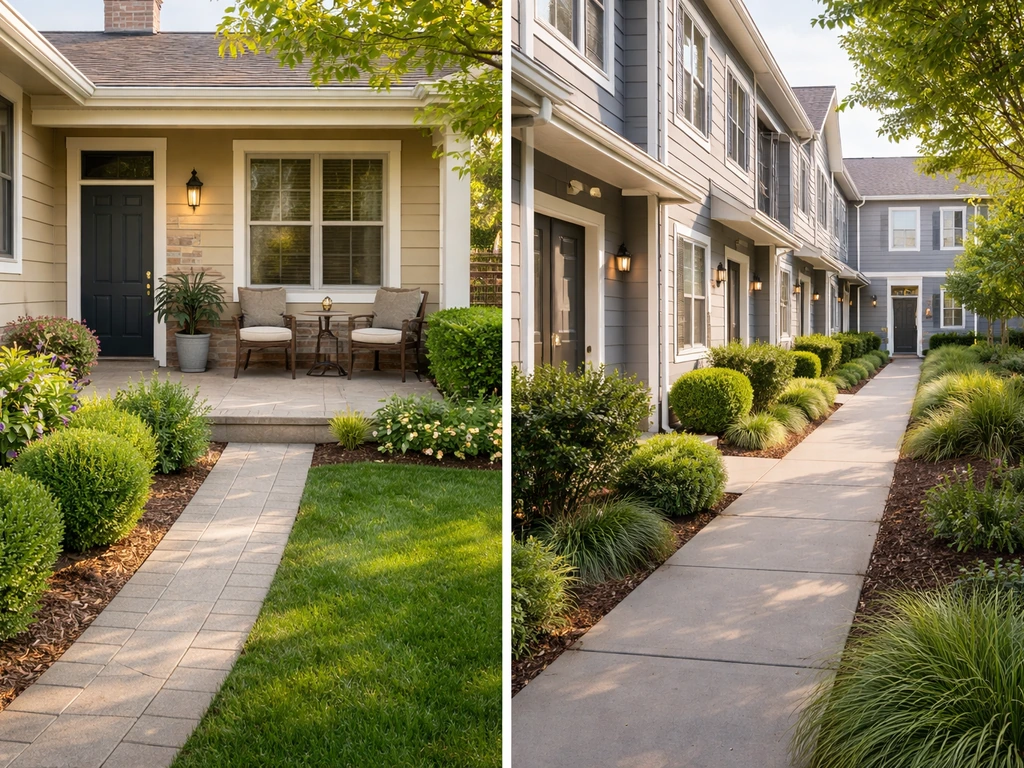
Garden home and patio home are often used interchangeably in real estate listings, and in many markets they genuinely do describe the same thing. Both typically mean a smaller, lower-maintenance home on a compact lot with a private outdoor space, whether that's a paved patio, a courtyard, or a tidy patch of garden, and both usually come with some level of HOA involvement. The real difference, when one exists, comes down to emphasis: patio homes tend to highlight attached or clustered building layouts and a defined private patio or courtyard, while garden homes tend to emphasize a small but planted, green outdoor space and a lifestyle built around easy upkeep. Neither term has a single legal definition, so the only way to know what you're actually buying is to look past the label and examine the floor plan, property boundaries, and HOA documents.
Garden Home vs Patio Home: Key Differences to Know

What 'patio home' actually means
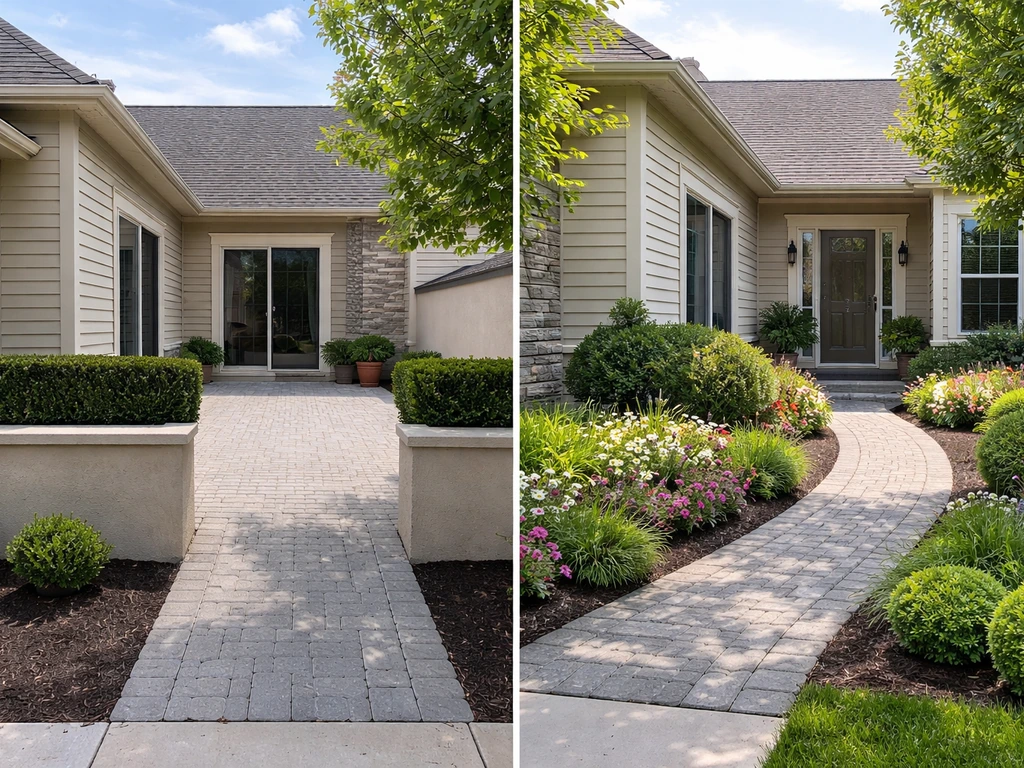
A patio home is loosely defined as a smaller single-family-style home, often attached to one or more neighboring units, where the primary private outdoor space is a patio or courtyard rather than a traditional full-size yard. A patio home is loosely defined as a smaller single-family-style home, often attached to one or more neighboring units, where the primary private outdoor space is a patio or courtyard rather than a traditional full-size yard patio homes meaning. Think of it as living somewhere between a townhouse and a detached single-family home. Units are frequently clustered together (sometimes sharing a wall, sometimes very close but detached), and the signature feature is that enclosed or semi-private patio or courtyard area behind or beside the unit.
There is no uniform legal definition. Realtor.com describes patio homes as attached single-family-style housing similar to townhomes or condos but smaller in scale. Some zoning ordinances do use the term as a formal housing classification, and Law Insider-style definitions occasionally frame it as an attached single-family dwelling unit with an interior courtyard-style yard. In other jurisdictions, patio home is purely a marketing label that could describe a duplex, a townhouse cluster, a twin home, or even a small detached house. Because the term “patio home” can overlap with marketing labels like “garden home,” some taxing jurisdictions do not use it as a separate classification blank" rel="noopener noreferrer">“patio home” can overlap with marketing labels like “garden home”. The word 'patio' in the name refers to the outdoor living feature, not necessarily a specific building form.
HOA involvement is common with patio homes. Association fees typically cover exterior maintenance and landscaping of common areas, which is precisely the selling point: you get private outdoor space without managing a full lot. The tradeoff is paying ongoing dues and living within association rules about what you can change, plant, or add to your outdoor space.
What 'garden home' actually means
A garden home generally means a small, low-maintenance home where the private outdoor space leans toward planted, green areas rather than a purely paved patio or courtyard. The emphasis in garden-home marketing is lifestyle: less lawn to manage, a contained outdoor space that feels like a garden rather than a bare concrete slab, and a community that typically handles much of the exterior upkeep through an HOA.
Depending on the market and the developer, a garden home can be sold as a fee-simple (you own the land) or structured more like a condo where the association owns exterior elements. Some planning and zoning documents actually combine both terms into a single category, 'patio/garden home', which tells you a lot about how interchangeable they are in practice. Regionally, you'll find garden home used most commonly in the South and Southeast United States, while patio home is more widespread nationally.
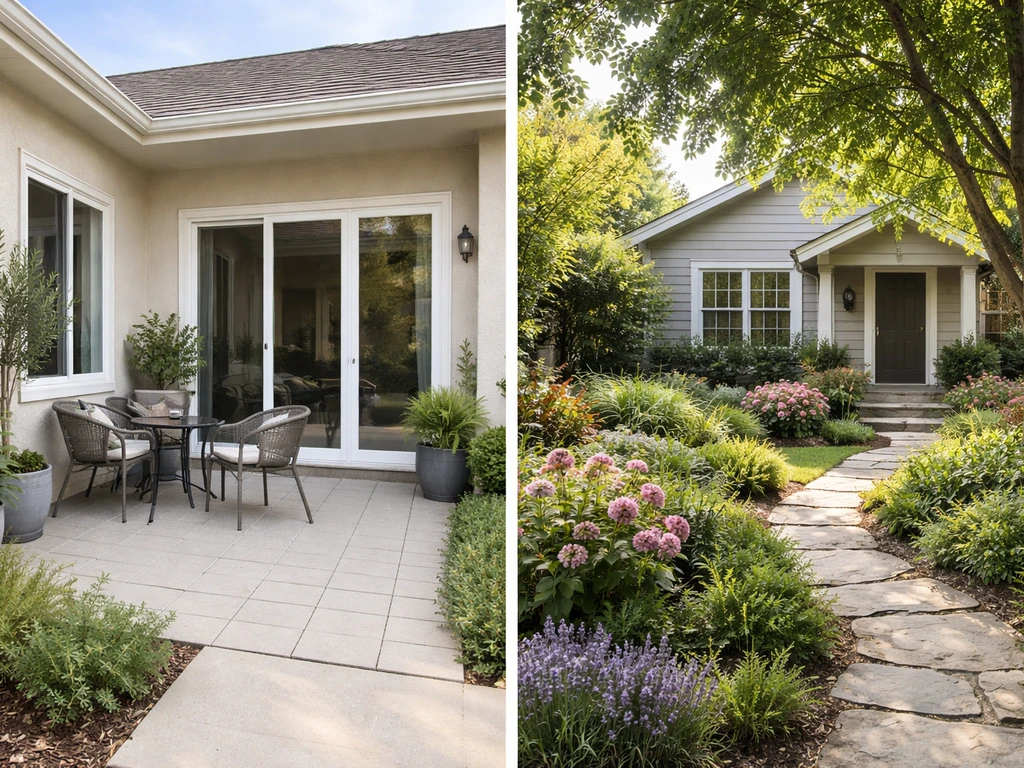
One reliable distinction: garden home listings are more likely to show soft landscaping, planters, small lawns, or garden beds as the primary outdoor feature. Patio home listings are more likely to show a paved or tiled private patio, a walled courtyard, or a concrete/stone entertaining area as the main draw. But this is a tendency, not a rule, you'll find plenty of exceptions.
Garden home vs patio home: feature comparison
| Feature | Patio Home | Garden Home |
|---|---|---|
| Typical attachment | Often attached (shared wall or clustered units) | Often detached or lightly attached; varies by community |
| Primary outdoor space | Private patio, courtyard, or paved area | Small yard, garden beds, or planted private space |
| Lot size | Compact; outdoor space is usually defined by patio/courtyard footprint | Compact; slightly more likely to include a small lawn or planted beds |
| Ownership structure | Fee-simple or condo-style depending on community | Fee-simple or condo-style depending on community |
| HOA involvement | Very common; often covers exterior/landscaping | Very common; often covers exterior/landscaping |
| Zoning/legal term | Occasionally a formal classification; often a marketing label | Rarely a standalone legal term; sometimes combined as 'patio/garden home' |
| Typical buyer appeal | Lock-and-leave lifestyle, outdoor entertaining space | Low-maintenance lifestyle, connection to greenery/nature |
| Regional prevalence | Nationally widespread | Most common in the South and Southeast U.S. |
| Privacy feel | Can feel enclosed; courtyard walls or fencing common | More open; garden borders rather than hard walls |
If you're comparing the two strictly as a buyer decision, the honest answer is that the label matters less than the specifics: lot boundaries, what the HOA covers, the actual outdoor space dimensions, and whether you prefer a paved or planted outdoor area. A patio home with lush landscaping and a garden home with a stone courtyard can end up looking nearly identical in person.
How to tell which one you're looking at
Because neither term is legally standardized, you have to read the listing details, study the photos, and review the documents to understand what you're actually buying. Here's how to work through it systematically.
Reading the listing description
- Look for words like 'attached,' 'shared wall,' 'duplex-style,' or 'clustered' — these signal a patio home configuration where units share proximity or structure.
- Words like 'private garden,' 'small yard,' 'garden-level,' or 'lush landscaping' typically point toward a garden home framing.
- Watch for 'HOA maintains exterior and landscaping' — this appears in both types but confirms you're looking at a community-managed lifestyle home.
- If the listing says 'patio/courtyard' as the primary outdoor feature, expect a paved or enclosed outdoor space, not a lawn.
- Fee-simple vs condo ownership will be stated somewhere — look for it, because it affects what you actually own.
Reading the photos
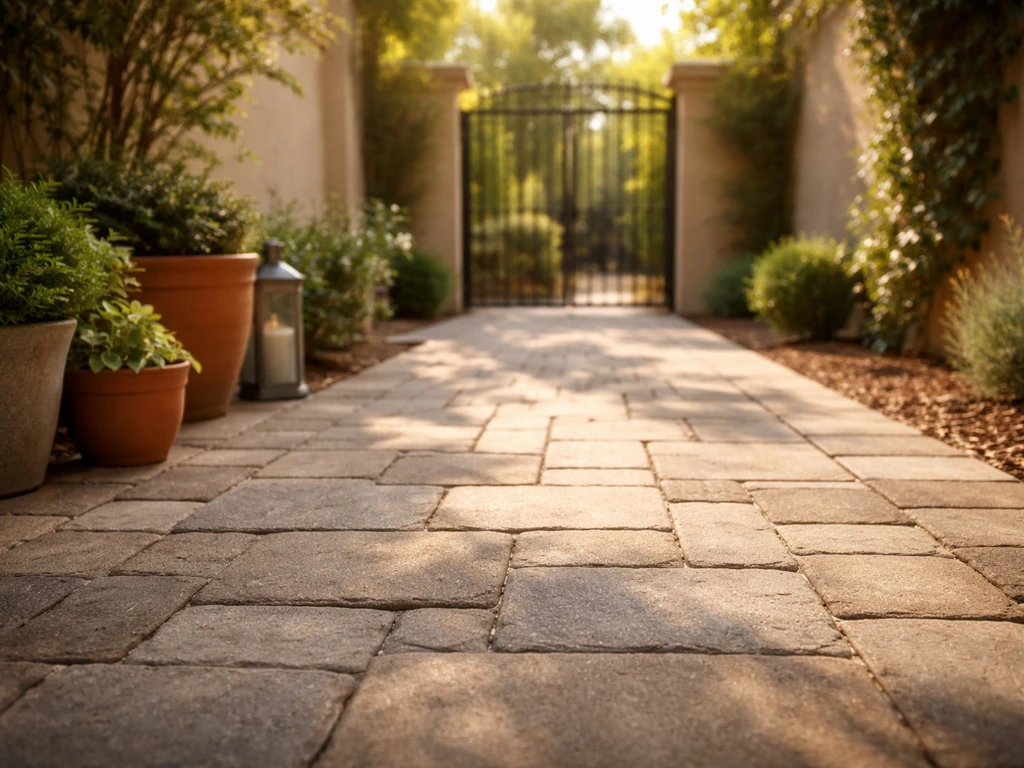
- A private walled or fenced outdoor space with pavers, stone, or tile = patio/courtyard emphasis (classic patio home visual).
- A small lawn, flower beds, or planted borders as the main outdoor feature = garden home visual.
- Clustered or row-style building exteriors with units sharing rooflines or walls = patio home layout.
- A more detached cottage-style exterior with visible yard space = garden home layout.
- Look for shared driveways, communal green areas, or shared parking — these indicate a community HOA structure regardless of the label.
Reading the floor plan
- A patio or courtyard shown as an enclosed or semi-enclosed area off the main living space is the defining visual for a patio home floor plan.
- A garden home floor plan may show a small yard or outdoor space but with less defined enclosure — more like a petite detached home.
- Check whether any walls are shared with neighboring units. If yes, this functions more like a townhouse-adjacent patio home even if it's called a garden home.
- Look at the lot lines if shown. A very narrow side setback (zero-lot-line or near-zero) is a strong patio home indicator.
Patio, porch, balcony, verandah, courtyard: a quick terminology guide
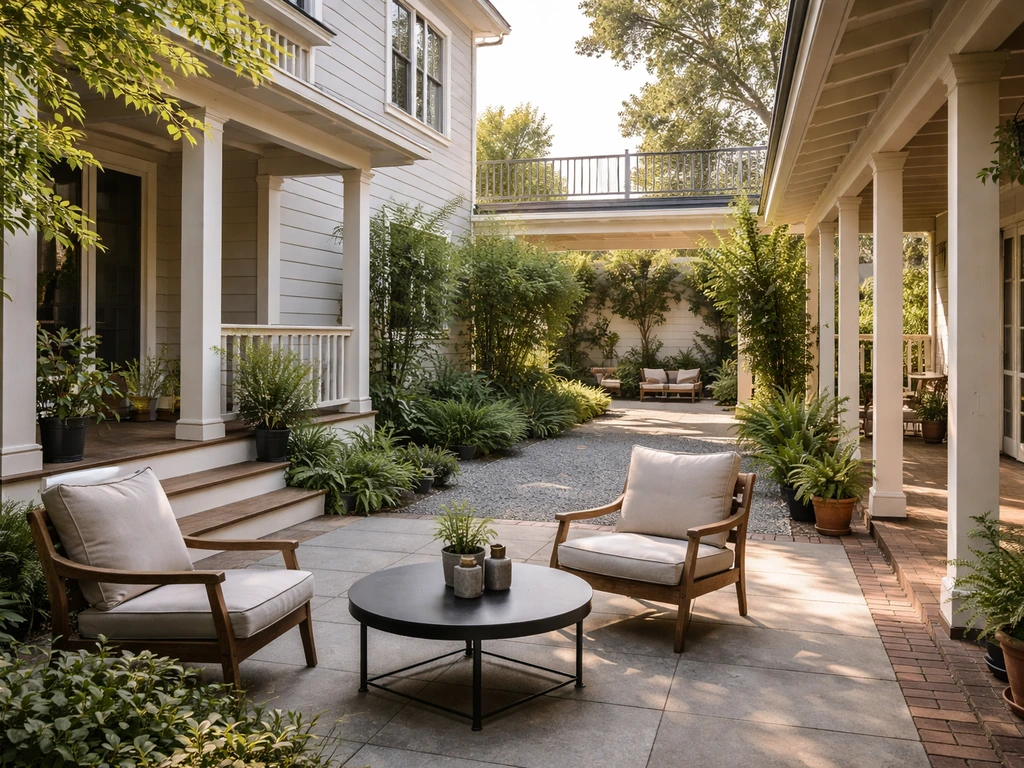
When you're interpreting listings and floor plans for either home type, outdoor-space terminology gets used loosely. Here's a plain-language breakdown of the key terms so you know exactly what you're reading.
| Term | What it actually means | How it appears in patio/garden home listings |
|---|---|---|
| Patio | A ground-level outdoor area, typically paved, directly adjacent to the home — open to the sky, no roof required | The defining feature of a 'patio home'; often the main private outdoor space |
| Courtyard | An open-sky enclosed outdoor space, surrounded by walls or the building itself | Used interchangeably with patio in many listings; signals a walled private outdoor area |
| Porch | A covered area adjoining the entrance of a home, with its own roof structure (per Merriam-Webster) | Less common in patio/garden home descriptions; may appear as a 'front porch' feature |
| Verandah (or veranda) | A covered structure attached to the home, similar to a porch; often wraps around part of the building | Rare in patio home listings; more common in older or Southern-style homes |
| Balcony | An elevated platform projecting from an upper floor, with a railing — not at ground level | Almost never the primary outdoor feature of a single-story patio or garden home |
| Atrium | A courtyard-like space covered by glass or a roof — enclosed overhead, unlike a courtyard | Occasionally appears in luxury patio home descriptions; distinct from an open courtyard |
The practical takeaway for patio and garden home shoppers: when a listing says 'private courtyard,' you can expect a walled or enclosed outdoor area open to the sky. When it says 'patio,' expect a ground-level paved or stone surface, which may or may not have walls. A 'porch' is a covered entry feature, nice to have, but not the same as a usable private outdoor living area. Knowing these distinctions helps you interpret photos and ask better questions before visiting.
What it's actually like to own and live in one
Maintenance
The low-maintenance promise is real for both home types, but 'low maintenance' doesn't mean 'no maintenance.' In most patio home and garden home communities, the HOA handles exterior upkeep and common-area landscaping, funded by your monthly or annual dues. What you're personally responsible for varies significantly by community. Some HOAs cover everything outside the front door; others expect owners to maintain their own private patio, courtyard, fences, and even private landscaping per the approved plan. One Texas HOA document example makes this explicit: owners must install and maintain their own lot landscaping per the approved specifications, even within an association-managed community. Always request the maintenance responsibility schedule before assuming the HOA handles more than it does.
Privacy
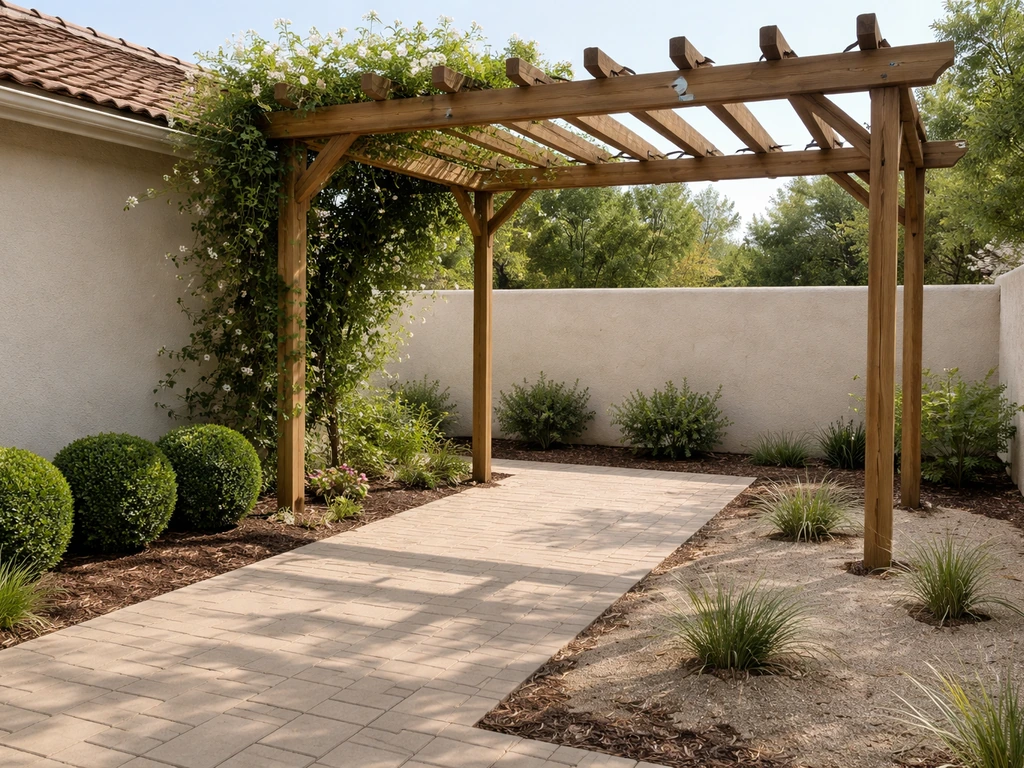
Patio homes in clustered or attached configurations can feel less private than a detached single-family home, but the courtyard-style outdoor space often compensates by giving you an enclosed, walled area that's actually more private than an open suburban yard. Garden homes on more individual lots tend to feel slightly more open and private from neighbors, but the small lot size means neighbors are still close. If privacy is a top priority, ask specifically about wall heights, fence ownership, and sight lines between units before you buy.
HOA rules and what they actually restrict
HOA rules in these communities commonly govern what you can add, plant, or modify in your private outdoor space, even when it's technically 'yours.' Want to add a pergola, plant a tree, or change your patio surface? Expect to get written approval. Some HOA guidelines explicitly list patio and courtyard additions as subject to compliance requirements, and they can specify that damage caused during HOA contractor work on shared areas is the owner's responsibility to repair. Read the CC&Rs and any architectural guidelines before assuming you can customize freely.
Costs beyond the purchase price
HOA dues are the main financial variable to watch. Industry sources consistently warn buyers not to be drawn in by a lower listing price without factoring in monthly association fees, which can range from modest to substantial depending on what the community covers. Industry articles such as Angi’s note that HOA fees and exterior-maintenance coverage are major “gotchas” in attached patio and courtyard communities. Beyond dues, check whether the HOA carries a master insurance policy covering the building exterior or whether you need to insure it yourself. In attached patio home configurations, the line between what the HOA master policy covers and what your individual homeowner's policy must cover can be blurry, get explicit answers from both the HOA and an insurance agent before closing.
Buyer checklist: questions to ask before you decide

Whether you're comparing a garden home and a patio home side by side or just trying to decode a single listing, these are the questions that will actually tell you what you're buying. Many patio homes do not include full basements, but some properties may have partial or finished lower levels depending on the lot and builder do patio homes have basements.
- What exactly are the property boundaries? Ask for the plat or survey showing your lot lines, especially where the private outdoor space begins and ends.
- Is this fee-simple ownership (you own the land) or a condo/association structure where the HOA owns exterior elements?
- What does the HOA specifically cover in terms of exterior maintenance? Get the maintenance responsibility schedule in writing, not just a verbal summary.
- What are the monthly or annual HOA dues, and have they increased in the past three years? Ask about the reserve fund health too.
- What does the HOA master insurance policy cover, and what must you insure independently? For attached units, this question is essential.
- Are there architectural guidelines or approval requirements for changes to the private patio, courtyard, fencing, or landscaping?
- What are the rules around outdoor use — furniture, grills, planters, pets, noise — in the private and shared outdoor spaces?
- Is the private outdoor space entirely private, or do neighbors or HOA contractors have any access to it?
- Is the home single-story? Many buyers gravitating toward patio and garden homes are prioritizing accessibility, and true single-story layouts vary even within communities marketed as such.
- How are shared walls, shared rooflines, or shared driveways handled in terms of repair responsibility and dispute resolution?
Which type suits which buyer
Patio homes tend to suit buyers who want a lock-and-leave lifestyle with a defined private outdoor space for entertaining, who are comfortable with close neighbors in exchange for minimal outdoor upkeep, and who prefer a paved or hard-surface outdoor area over a lawn. The pros and cons of patio homes often come down to how the HOA rules affect your patio and what tradeoffs you’re comfortable with for privacy and maintenance. Garden homes suit buyers who want the same low-maintenance appeal but prefer a softer, greener outdoor environment, and who may want a slightly more independent feel even within a managed community. Both types appeal strongly to downsizers, empty nesters, and buyers who want proximity to amenities without the demands of a large traditional lot. If you're still deciding between these and a more independent option, comparing either to a townhouse or a condo can help sharpen the tradeoffs, since patio homes and garden homes sit between those categories in terms of both ownership structure and lifestyle feel. If you're weighing patio home vs condo, focus on how much is privately yours versus what the HOA controls and maintains townhouse or a condo.
FAQ
How can I tell whether the HOA actually maintains my patio or courtyard, or if I’m responsible for repairs and upkeep?
It varies by community, but you can usually confirm by requesting the HOA “maintenance responsibility schedule” (sometimes called Exhibit A) and the CC&Rs section that lists common areas vs limited common areas vs individually owned areas. If the document uses phrases like “owner maintains fenced areas” or “HOA maintains exterior surfaces,” that is the practical answer, not the marketing label.
Do I own the outdoor area outright, or is it HOA-controlled even if it’s described as “private”?
Look for whether your patio or courtyard is treated as a “limited common element,” an exclusive-use area, or part of your lot/parcel. If your outdoor space is a limited common element, you may have use rights but not the same control you’d have with exclusive land ownership, which affects what you can change and who can be responsible for damage.
Can a patio home still feel private if it’s attached to neighboring units?
Yes. If a listing says “courtyard,” check the site plan and photos for whether it’s walled on at least two sides, whether there are shared walls, and whether the courtyard sits behind the unit (often more private) or along a shared corridor/side setback (often less private). Privacy is more about enclosure and sight lines than about the word “courtyard” itself.
What should I ask before planning to add a pergola, fence, or new landscaping to my outdoor space?
Ask for the HOA’s written approval process for exterior changes, including timelines and what kinds of work require consent (hardscape, fencing, lighting, pergolas, planters, and changes to drainage). Also ask whether approvals are transferable if you sell, and whether there are pre-approved design templates to reduce guesswork.
Do garden homes or patio homes usually have basements?
Basements are uncommon in many patio-home communities, but some properties do have partial or finished lower levels. The safest approach is to confirm from the property disclosure, floor plan, and appraisal sketch (or builder specs), because “garden” or “patio” terms do not reliably predict whether there is a basement.
Why do HOA dues differ so much between properties with similar pricing, and what insurance details should I verify?
HOA fees can include exterior building maintenance, landscaping, gate/security, and sometimes insurance, but the coverage differences matter. Request (1) the HOA budget, (2) what the master policy covers (building exterior, roofs, exterior walls, common structures), and (3) a statement describing what owners must insure on their units.
What outdoor changes most commonly get owners in trouble in patio or garden home HOAs?
Check for drainage responsibility and landscaping rules. In many HOAs, if you alter grading, add planters, or change downspout routing, you could be required to restore it to approved conditions, and you may be on the hook if it damages shared areas. Confirm whether irrigation is required, permitted, or provided by the HOA.
How can I measure whether the outdoor space will work for my lifestyle (dining set, grill, or kids’ play)?
Use the dimensions and the lot or courtyard “usable area,” not the photos. Ask the seller or HOA for the exact size of the patio/courtyard and whether any setback, easement, or shared walkway reduces where you can place furniture or a grill. Also verify if there are overhead restrictions like utility lines or permitted umbrella rules.
If privacy is my top priority, which option tends to be better, garden home or patio home?
Start with a comparison of (1) attachment or spacing between buildings, (2) enclosure and wall heights, (3) fence ownership, and (4) whether landscaping is planned to create screening. A garden home can still have close neighbors, but a courtyard-style setup may provide stronger micro-privacy if the outdoor area is walled and not directly visible from common walkways.
Patio Home vs Condo: Key Differences, Costs, and Checklist
Patio home vs condo comparison: ownership, HOA costs, maintenance, rules, layouts, and a checklist of what to verify bef