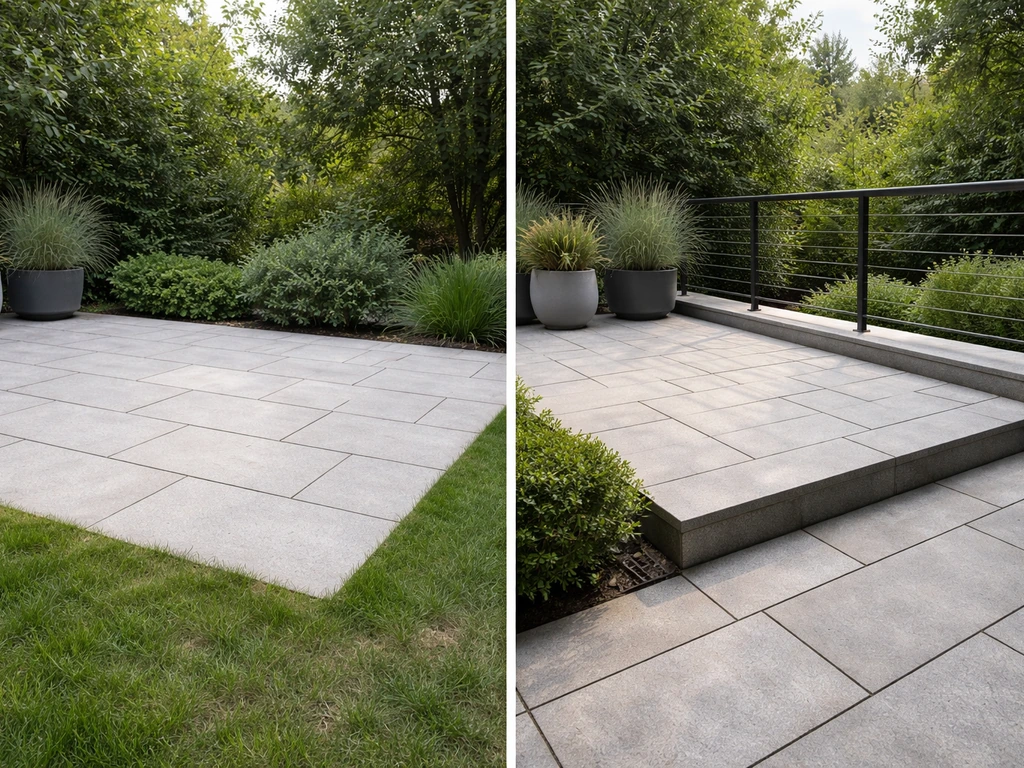
A patio is a ground-level outdoor space, usually paved or hardscaped, that sits directly on or just above grade next to the unit. A balcony is an elevated platform attached to the exterior of a building, typically on an upper floor, enclosed by a railing. Those two sentences cover 90% of the confusion. When an apartment listing says 'patio,' you should be thinking: first-floor access, yard-adjacent, often more space. When it says 'balcony,' think: up in the air, views, more wind, and a separate set of building rules. The problem is that listings sometimes swap these terms, use 'terrace' to mean either, or call something a 'porch' when it's really a patio. Knowing exactly what you're getting changes how livable that space actually is for you. If you are trying to compare them quickly, the key differences come down to placement, construction, and how much weather exposure and maintenance risk you will have difference between balcony and patio.
Patio vs Balcony Apartment: Differences and Best Choice

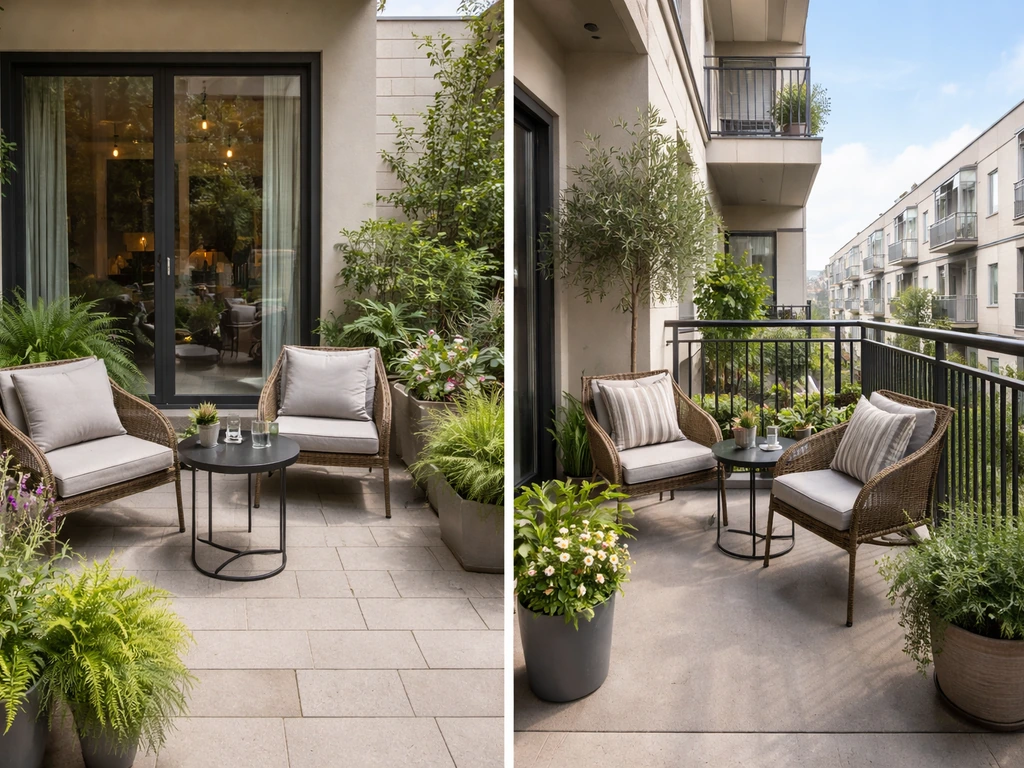
Quick definitions: patio vs balcony
According to MLS terminology (revised 2025), a patio is 'usually on ground level,' while a balcony is defined as an 'outdoor platform that is attached to the exterior of a building, usually on an upper floor.' Those are the official industry definitions, and they're a useful baseline even if real-world listings don't always follow them precisely.
A patio is essentially an outdoor floor extension of the unit at ground level. It might be concrete, pavers, tile, or composite decking, and it typically opens directly onto a shared courtyard, garden, or green space. A balcony sticks out from the building's facade above grade, supported by structural elements like cantilevers or brackets, and always has a railing or parapet wall for safety.
A few related terms worth knowing: a porch is a covered area attached to the front, back, or side of a building, usually at a main entrance. A terrace or veranda often refers to a larger raised outdoor platform, sometimes used interchangeably with patio in listings. A lanai (common in Hawaii and Florida) is typically a screened or covered outdoor living area. Because the terms are used inconsistently, it's also worth checking how a lanai is defined in your region and listing. None of these are interchangeable in a strict sense, even though listings treat them that way all the time.
How placement and construction actually differ
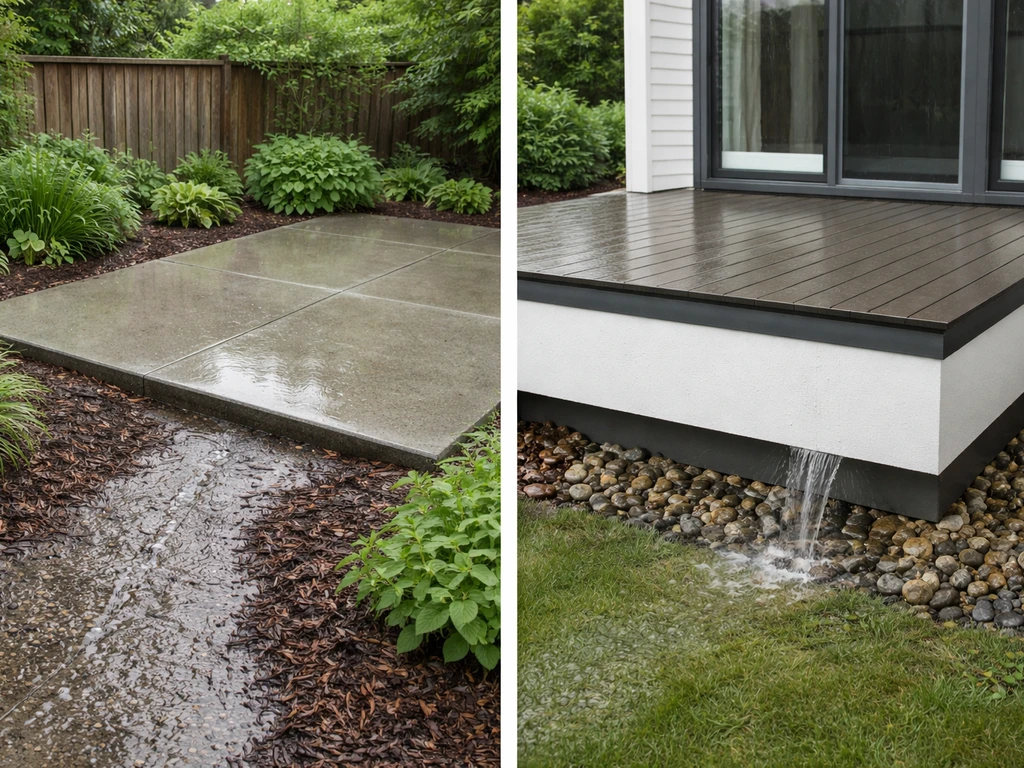
The ground-level vs above-grade distinction isn't just semantic. It drives everything from how the space is built to how it drains water, who maintains it, and what you can put on it.
A patio sits on or just above soil or a concrete slab. Water drains naturally by slope or flows into adjacent landscaping. There's no structural concern about weight bearing down on a floor/ceiling assembly below you, so load limits are rarely an issue. You can typically place heavier items like large planters, a grill, or a full outdoor dining set without worrying about load ratings.
A balcony is an engineered structural element. It has a weight load rating, and exceeding it is a real safety issue. It also has a waterproofing assembly underneath the surface: a membrane that prevents water from migrating into the unit below. When that membrane is installed incorrectly or degrades over time, the early warning signs are water stains on ceilings below, soft or sagging drywall, and damp or musty odors. Remediation for a leaking balcony can cost between $3,000 and $10,000 per affected unit, which is why drainage details (scuppers, drains, slope toward the edge) matter so much. As a renter, you probably won't be paying for that repair, but living with a leaking balcony above or below you is miserable.
Balcony waterproofing requires a continuous membrane that extends up the vertical surfaces at the edges, with proper transitions at the door threshold. The deck surface itself isn't the waterproofing system: the membrane underneath is. This is why you should look at how a balcony drains during a tour, not just how it looks on a sunny day.
What this means for apartment living: privacy, noise, and daily use
Privacy and sightlines
A ground-floor patio typically has less visual privacy. You're at eye level with anyone walking through a courtyard or along a path. Fencing, privacy screens, or plantings can help, but your ability to add them depends on HOA or building rules. An upper-floor balcony gives you more vertical separation from foot traffic, but neighbors on the same floor in adjacent units can see directly onto your balcony, and anyone below has an upward view. Neither option is inherently more private: it depends heavily on the building layout and how close other units are.
Noise
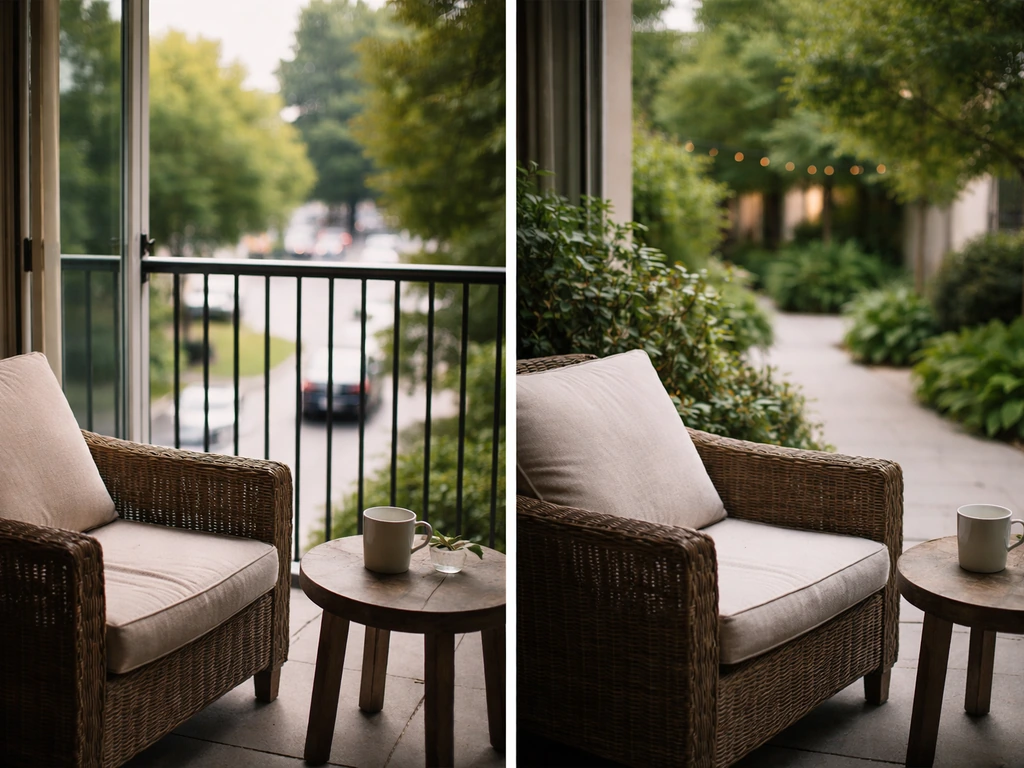
Ground-floor patios tend to pick up more pedestrian, parking lot, and street-level noise. Elevated balconies can catch ambient noise from multiple directions, especially if they face a street, pool, or common area. In both cases, the sliding or hinged door between the outdoor space and your unit is a major noise path: door sweeps and quality gaskets make a real difference in how much outside sound bleeds into your living room or bedroom. If you're noise-sensitive, look at door quality as carefully as the outdoor space itself.
Access and daily use
Patios usually open directly from the living room or bedroom through a sliding glass or French door, making them easy to use for morning coffee, plants, or casual seating. Balconies have the same door configuration in most apartments, but the feeling of the space is different: you're more exposed, more visible, and often dealing with more wind at higher floors. Both spaces can work for container gardening, seating, and small tables, but a balcony has the added complication of load limits and wind for taller or heavier items.
Grilling: this is where the rules get strict
Many people search 'patio vs balcony apartment' specifically because they want to grill. This is an area where local fire codes and HOA rules create a real gap between the two. Some municipal codes (Boca Raton is a clear example) make it unlawful to use outdoor cooking appliances on any balcony, with only narrow exceptions for small tabletop electric grills. Ground-level patios are generally treated differently because there's no unit above you and no structural material at immediate risk from heat or flame. Even where grilling is allowed, association rules often limit you to one propane barbeque with a specified LP-gas tank size, and charcoal grills are frequently banned outright. Patio heaters and fire pits are commonly prohibited on both balconies and patios under condo rules, specifically for fire-code and proximity reasons. If grilling matters to you, verify the rules before you sign a lease.
Climate and maintenance: how weather changes everything
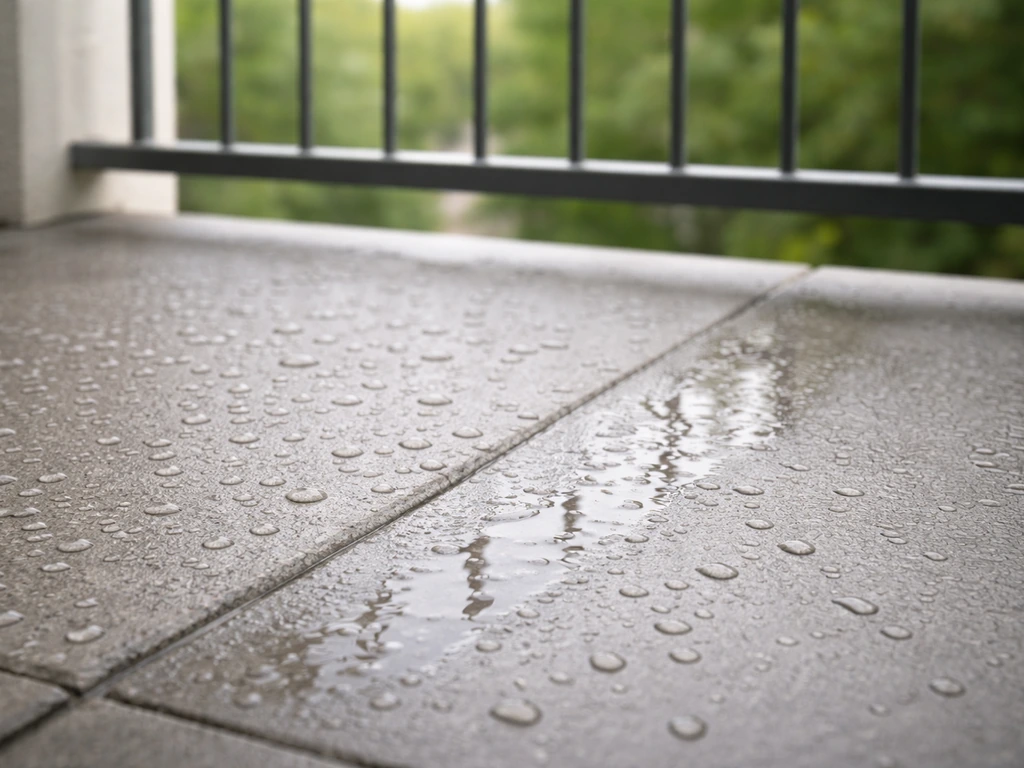
Weather exposure works differently for each type of space. A balcony on an upper floor is exposed on three sides (or more if it's a corner unit), meaning wind, rain, and sun hit it harder than a ground-floor patio that may be sheltered by the building above it or adjacent fencing. In hot climates, a west-facing balcony on the 8th floor bakes in afternoon sun with no relief. In cold or rainy climates, an elevated balcony is wet, icy, and windy while a ground-floor patio might stay usable longer if it's sheltered.
Surface material matters for maintenance. Common patio surfaces (concrete, pavers, tile) are relatively low-maintenance: sweep, rinse, seal occasionally. Balcony surfaces are more vulnerable because any standing water damages the waterproofing membrane underneath. Keeping drains and scuppers clear is critical, and in buildings where residents are responsible for that cleaning, neglecting it leads to expensive structural problems. BC Housing’s maintenance guide emphasizes keeping drainage areas like scuppers and drains clear, since neglect can create costly problems keeping drains and scuppers clear is critical. If you're renting, ask explicitly who is responsible for drain maintenance on the balcony.
Screening and enclosure options also differ by climate. In humid, insect-heavy regions, screened enclosures are popular on both patios and balconies. But adding a screen or glass enclosure almost always requires HOA or building approval, and many associations specify exactly what enclosure designs are acceptable. Weather protection you assume you can add may require a formal approval process and may be denied.
Sizing, layout, and what you'll actually find out there
Ground-floor patios in apartment complexes often run larger than balconies, sometimes 100 to 200+ square feet, especially in townhouse-style or garden apartment layouts. Balconies in standard apartment buildings are frequently much smaller, often 40 to 80 square feet, and narrow enough that you can only fit a small bistro table and two chairs comfortably. If square footage of outdoor space matters to you, ground-floor patios usually win.
Common features to expect on balconies: a railing (required by code, height varies by jurisdiction), a single drain or scupper, and a sliding glass door into the unit. Higher-end buildings may have composite or tile decking, glass railings for unobstructed views, and an outdoor outlet. Common patio features: a concrete or paver surface, a sliding door or exterior door, sometimes a small storage closet, and occasionally a dedicated hose bib.
Storage is a real differentiator. Ground-floor patios in many complexes include a lockable storage closet. Balconies rarely do. If you need to store bikes, outdoor gear, or seasonal items, a patio unit has a meaningful practical advantage.
| Feature | Ground-Floor Patio | Elevated Balcony |
|---|---|---|
| Typical size | 100–200+ sq ft | 40–80 sq ft |
| Drainage | Natural slope/landscaping | Drains/scuppers, membrane required |
| Load limits | Rarely a concern | Structural load rating applies |
| Storage | Often includes closet | Usually none |
| Wind exposure | Generally sheltered | Higher exposure, especially upper floors |
| Grilling rules | Usually more permissive | Often restricted or banned by fire code |
| Privacy | Lower (at pedestrian level) | Varies by floor and building layout |
| Weather shelter | Often partially shaded by building | Exposed on 3+ sides |
Neighbor and building rules: what actually governs your outdoor space
In condos and many apartment buildings, your patio or balcony is almost certainly classified as an exclusive use common area (EUCA), not private property. That means you have the right to use it, but the HOA or condo association controls what you can do with it, what you can put on it, and what modifications are allowed. This distinction matters because what a listing implies you can do and what your governing documents actually allow can be very different things.
Association rules regularly specify: the types of furniture allowed (outdoor-rated only), whether outdoor rugs must be secured by furniture weight, how many hanging planters you can have and where they can be placed, what screens or shades are permitted and in what colors or styles, and whether you need board approval before adding anything permanent. Balcony and patio enclosures are typically treated as separate categories in HOA rules, and both usually require board review and approval before installation.
For renters, there's an extra layer: your landlord may be subject to HOA rules that they don't necessarily disclose in the lease. You can end up in a situation where your lease says nothing about what you can put on your patio, but the HOA rules governing the building say quite a lot. It's worth asking the landlord directly whether the unit's outdoor space is subject to association rules and requesting a copy of the relevant sections.
Neighbor considerations also differ by type. A ground-floor patio is more likely to feel shared or semi-public, especially if it's adjacent to a walkway or common lawn. An elevated balcony is more separated from foot traffic, but you're closer to neighbors on the same floor, and noise or smoke from your balcony travels directly to theirs. Fire safety rules on balconies (no open flames, restricted grill types, no fire pits or patio heaters in many buildings) exist precisely because of how close balconies are to each other and to building materials.
Real estate and leasing checklist: what to verify before you sign

Listings are not reliable guides to what you're actually getting. Use this checklist when touring or communicating with a landlord or agent.
- Confirm the space type: ask whether the outdoor space is at ground level (patio) or above grade (balcony). Don't assume based on listing language alone, since 'terrace,' 'porch,' and even 'deck' are used interchangeably in many markets.
- Get the actual dimensions: ask for square footage or bring a tape measure. Balconies listed as 'spacious' are often under 60 square feet.
- Ask about the governing documents: if it's a condo or HOA-managed building, request the rules for balconies and patios specifically. Look for what's allowed, what requires approval, and who handles maintenance.
- Ask who maintains the drain: for a balcony, find out who is responsible for keeping the drain or scupper clear and what happens if the waterproofing fails.
- Check grilling and cooking rules: ask directly whether gas grills, charcoal grills, or electric grills are permitted. Don't assume because a patio is at ground level that grilling is automatically allowed.
- Ask about load limits: for balconies, ask whether there's a posted weight limit and whether large planters, a grill, or a small outdoor furniture set are within it.
- Verify enclosure and modification rights: if you plan to add a screen, shade sail, privacy screen, or awning, ask explicitly whether that requires approval and whether it's been approved on other units.
- Look for drainage and waterproofing condition: on a balcony, check for water stains on the unit ceiling inside, soft drywall near the door threshold, and whether the balcony slopes toward the drain rather than the door.
- Ask whether the space is deeded or exclusive use common area: this determines who controls modifications and who is responsible for major repairs.
- Check fire and safety rules: ask whether patio heaters, fire pits, or any open-flame items are permitted, and whether any local fire codes restrict balcony cooking.
Which one is actually better for you?
If you want more usable space, storage, easier grilling access, and a more relaxed outdoor feel, a ground-floor patio is usually the better choice. If you want views, more separation from pedestrian activity, and a more classic 'apartment with a balcony' feel, an elevated balcony delivers that, as long as you're comfortable with the trade-offs: less space, more wind, stricter fire rules, and a waterproofing system you need to check before you move in.
The terminology question won't go away. If you want the quick patio or balcony meaning, the core difference is ground level versus an elevated, engineered platform with safety and waterproofing requirements. To avoid costly misunderstandings, compare the patio balcony difference the moment you see the listing photos and floor plan. Regional and cultural usage means 'balcony' in one city's listings means something different from 'balcony' in another's, and the same space might be called a terrace, a porch, or a lanai depending on where you are. The comparison between patio and balcony is really just one slice of a broader set of outdoor-space terms (porches, verandahs, courtyards, lanais) that listings treat loosely and governing documents treat precisely. Porch patio difference: “porch” usually means a covered entry area, while a patio is an outdoor floor on or near ground level. When you find a listing you like, skip the label and focus on: what floor is it on, how big is it, what are the rules, and does the drainage work. If you still feel unsure about the terminology, see is patio and balcony the same for a quick comparison.
FAQ
How can I tell if a listing calling it a patio is really a ground-level space versus a balcony?
Look for the exact floor it’s on, plus the door you’ll use. A true patio typically sits at or just above ground, so you usually walk out from a living area to the courtyard or yard. A balcony is above grade, so the outdoor door opens to an engineered platform with railing, often with visible scuppers or a single drain point.
What should I ask about drainage and maintenance for a balcony before signing a lease?
Ask for (1) the balcony’s drain type (scupper, internal drain, or hose connection), and (2) who maintains it in the governing documents. If residents are expected to clear debris from drains and scuppers, ask whether they supply guidance or if maintenance is handled by the association.
What warning signs should I look for during a tour that a balcony waterproofing system may be failing?
If the listing pictures show a balcony deck that looks flat or doesn’t clearly slope toward the edges, that’s a red flag. During a tour, check ceilings or lower units for water staining, peeling paint, or damp odors nearby, and ask whether any recent balcony waterproofing repairs were done.
Can I treat my patio or balcony as private property if the listing says it’s “yours”?
Confirm how your building classifies the outdoor area as exclusive-use common area (EUCA) and ask for the HOA condo rules section that covers “patios” and “balconies” separately. Even when the label matches your expectations, the rules may still restrict rugs, planters, screens, storage, or any penetrations into surfaces.
What’s the best way for a renter to find out HOA rules that the lease might not mention?
For renters, request a copy of the HOA or condo association rules from the landlord, not just the lease. Also ask whether your landlord needs board approval for modifications, and whether any restrictions are enforced as part of lease compliance.
Are grills allowed on patios and balconies, and how do I verify rules that vary by location?
Check fire and HOA policies specifically for your grill model and fuel type. Many jurisdictions and associations allow only small tabletop electric grills on balconies, and often ban charcoal and open-flame cooking even where general grilling seems permitted. If you want patio grilling, confirm that board rules treat patio and balcony differently.
Can I install planters, hooks, or a curtain rod on a balcony without damaging the waterproofing?
Because balconies are engineered and must integrate waterproofing, you should assume you cannot safely bolt items through the deck. Ask what kinds of attachments are allowed, whether board approval is required for rail mounts, and what anchoring method is acceptable without compromising the membrane.
Does storage differ meaningfully between patio and balcony apartments, and what should I check?
If you need flexibility for outdoor furniture seasons, prioritize a patio if it comes with lockable storage (common in many first-floor units). If it’s a balcony, confirm whether there is any dedicated storage closet, because most balconies have none.
How do I compare usable outdoor space when a patio might be larger, but a balcony might feel “bigger” in photos?
Measure actual usable width and account for the railing and door swing. Balconies often fit a bistro set only, while patios can support larger dining layouts. Also ask whether the door leads directly into the outdoor area or if you’d need to step onto a threshold or small lip.
What privacy factors matter most for choosing between a first-floor patio and an upper-floor balcony?
Treat privacy as a building-layout question. Ask whether adjacent units directly face yours, whether there are pathways behind the patio, and whether neighboring balcony heights align with your sight lines. Privacy screens and fences may require approval or may be prohibited on balconies.
How should I assess noise differences between patio and balcony options during a showing?
If you’re noise-sensitive, evaluate the specific exposure: balcony can amplify wind and sound from multiple directions, while patios can pick up street-level and pedestrian noise. During the tour, stand inside the unit with the door closed and listen at the same time of day you expect to use the space.
Could my “exclusive-use” patio or balcony still feel semi-public or inconvenient?
Yes, in many buildings your space can be partially shared in practice, even if it’s exclusive-use common area. Ask where people walk, whether maintenance staff access it, and whether it’s adjacent to service areas like trash routes or HVAC areas that can affect odor and noise.
Difference Between Terrace and Patio: Key Rules
Simple rules for the difference between terrace and patio, including placement, elevation, materials, uses, and related